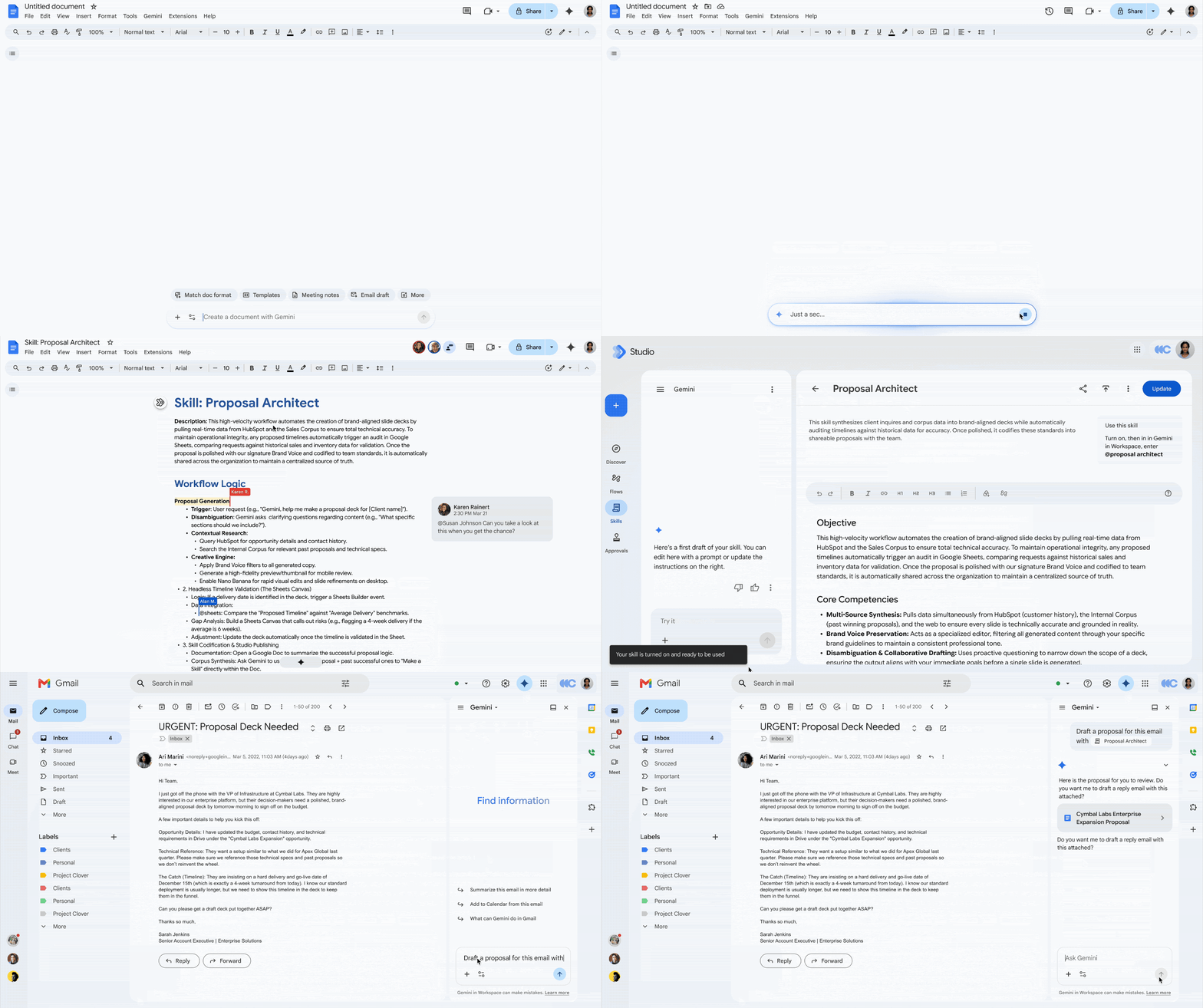
New images of a Googlebook laptop from Asus have surfaced, showing off a selection of ports and a big ol’ trackpad.

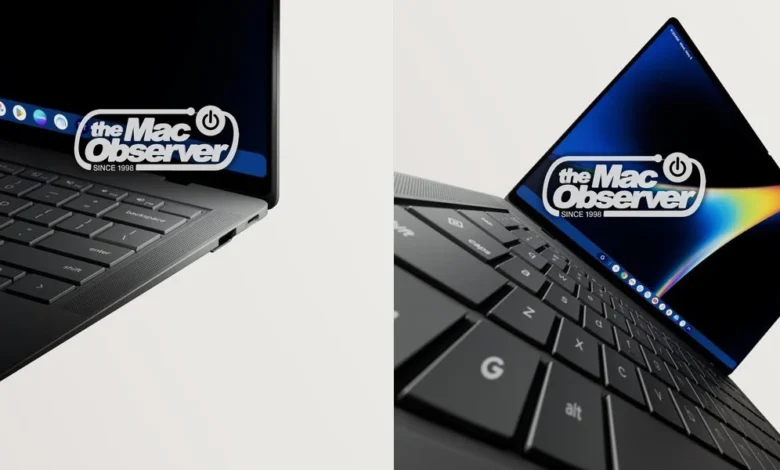
The latest leaks regarding the upcoming Asus-manufactured Googlebook have provided a significantly more comprehensive look at the hardware’s design language and functional capabilities. Following the initial discovery of the device last month, a new batch of photographic evidence obtained by The Mac Observer has surfaced, revealing specific engineering choices that suggest Google is positioning this machine as a high-end competitor in the premium laptop market.
Design Architecture and Hardware Specifications
The images confirm a sophisticated industrial design that deviates from traditional entry-level hardware often associated with Google’s ecosystem. From a physical connectivity standpoint, the device features a robust I/O array, including at least two USB-C ports, dual USB-A ports, and a dedicated 3.5mm headphone jack. This configuration is a notable departure from the ultra-slim, port-limited aesthetic favored by many modern ultrabooks, signaling that Asus and Google intend to cater to power users who require peripheral versatility without the constant need for dongles or port replicators.
![Asus Googlebook shows off a big trackpad and plenty of ports in leaked images [Gallery]](https://9to5google.com/wp-content/uploads/sites/4/2026/09/asus-googlebook-leak-6.jpg?quality=82&strip=all&w=1200)
One of the most striking physical features is the expansive trackpad, which occupies a significant portion of the palm rest. This, paired with a keyboard that appears to offer a comfortable, non-shallow key travel distance, suggests a focus on ergonomics and productivity. Furthermore, the chassis incorporates a modern, thin-bezel display that pushes the panel nearly to the edge of the frame, providing an immersive viewing experience.
Perhaps the most distinct aesthetic flourish is the inclusion of an external lightbar on the lid, a feature that has become increasingly popular in high-performance gaming and workstation laptops. Internally, the leaked photos confirm the presence of an active cooling system, as a fan is clearly visible through the chassis venting. This is a critical detail, as it indicates the Googlebook will likely utilize high-wattage processors—potentially high-performance silicon that requires thermal management beyond passive heat dissipation.
The Dedicated G-Key and Interface Evolution
The keyboard layout introduces a specialized "G" key, positioned in the traditional space occupied by the Windows key on PC laptops or the Command key on macOS devices. This hardware-level integration of a dedicated Google-centric function button suggests a deeper software-hardware synergy within the operating system. While the exact function of the G-key remains subject to speculation, industry analysts suggest it may act as an immediate trigger for AI-integrated search, cloud-based application shortcuts, or system-wide settings management.
![Asus Googlebook shows off a big trackpad and plenty of ports in leaked images [Gallery]](https://9to5google.com/wp-content/uploads/sites/4/2026/09/asus-googlebook-leak-3.jpg?quality=82&strip=all)
Chronology of the Googlebook Development
The project, which has been in development under strict internal secrecy, began to see its first concrete leaks in early August 2026. The initial reports focused on the partnership between Asus and Google, confirming that the tech giant was moving toward a more unified hardware vision for its laptop lineup.
- August 4, 2026: Initial reports confirm the existence of a high-end "Googlebook" manufactured by Asus, sparking widespread industry interest.
- Mid-August 2026: Supply chain reports hint at a premium chassis design and high-performance processor integration.
- September 2026: High-resolution leaks emerge, providing the most detailed look yet at the ports, the G-key, and the active cooling components.
- Next Week: Google has officially confirmed that the pre-order window for the device will open, marking the first major commercial push for the hardware.
Strategic Market Positioning
The decision to partner with Asus for this project is a strategic move for Google. Asus, known for its expertise in the Republic of Gamers (ROG) line and high-end ultrabooks like the Zenbook series, brings a wealth of manufacturing pedigree to the table. By leveraging Asus’s engineering capabilities, Google is signaling a departure from the "budget-first" stigma that has occasionally hindered the broader acceptance of Google-branded laptops in professional and creative sectors.
This move mirrors the strategy seen in the smartphone market with the Pixel line, where Google transitioned from a software provider to a hardware-software integrated entity. The implication here is clear: the Googlebook is designed to be a premium, ecosystem-defining device meant to showcase the full potential of Google’s software services, including advanced AI integration and seamless cloud synchronization.
![Asus Googlebook shows off a big trackpad and plenty of ports in leaked images [Gallery]](https://9to5google.com/wp-content/uploads/sites/4/2026/09/asus-googlebook-leak-4.jpg?quality=82&strip=all)
Analysis: The Impact of the Google-Asus Alliance
The integration of a cooling fan, a spacious trackpad, and a diverse set of ports suggests that this device is intended for a market segment that values performance over mere portability. If the device is equipped with high-end processors, it could theoretically bridge the gap between a consumer-grade laptop and a professional workstation.
The "G-key" is perhaps the most significant indicator of Google’s long-term software strategy. By dedicating physical hardware space to a proprietary key, Google is emphasizing that its hardware is not merely a vessel for an operating system, but a bespoke environment tailored for the Google ecosystem. This could lead to a proprietary hardware-software experience that rivals the vertical integration of the Apple MacBook, potentially drawing in users who have previously been hesitant to migrate away from macOS or Windows.
Industry Reactions and Expectations
While official specifications remain under wraps until the pre-order launch next week, the consensus among hardware analysts is that this device represents a "proof-of-concept" for the future of Google’s computing hardware.
![Asus Googlebook shows off a big trackpad and plenty of ports in leaked images [Gallery]](https://9to5google.com/wp-content/uploads/sites/4/2026/09/asus-googlebook-leak-5.jpg?quality=82&strip=all)
"The inclusion of active cooling and a versatile port selection suggests that Google is no longer content with the ‘lite’ computing market," says tech analyst Marcus Thorne. "This is a machine designed for engineers, content creators, and those who demand a premium build. The G-key is the cherry on top—it shows they are thinking about the user interface at the silicon level."
Competitors such as Dell, HP, and Lenovo will likely be watching the launch closely. If the Googlebook succeeds, it could force a shift in the industry, where laptop manufacturers are increasingly expected to provide deep, hardware-level integration with the operating systems they carry.
Conclusion and Future Outlook
As the industry prepares for the pre-order phase, the focus will undoubtedly shift to the device’s performance benchmarks and price point. If the hardware can match the promise shown in these leaked images, the Googlebook could become the gold standard for devices running Google-developed software.
![Asus Googlebook shows off a big trackpad and plenty of ports in leaked images [Gallery]](https://9to5google.com/wp-content/uploads/sites/4/2026/09/asus-googlebook-leak-2.jpg?quality=82&strip=all)
The upcoming pre-order window will be the first real-world test of consumer demand for a high-end Google-branded laptop. With the backing of a reputable manufacturer like Asus and a design that prioritizes functional performance, the Googlebook is shaping up to be one of the most significant hardware releases of the year. Investors and tech enthusiasts alike are waiting to see if this marriage of software and hardware can provide a cohesive experience that finally rivals the long-standing industry leaders in the laptop market.
For now, the leaked images serve as a testament to a shift in Google’s hardware strategy: a move toward durability, performance, and a highly specialized user experience that demands attention in an increasingly crowded marketplace. With the official reveal just days away, the technical specifications—including processor generation, battery life, and display technology—will be the final pieces of the puzzle that determine if this device truly earns the title of a "Googlebook."