Bite Light Flashlights Emerge as Innovative Hands-Free Illumination Solution for Professionals and Enthusiasts

The realm of portable lighting has witnessed continuous innovation, from the rudimentary oil lamps of antiquity to the sophisticated LED flashlights prevalent today. While the ubiquitous handheld flashlight remains a cornerstone of personal illumination, its inherent design often presents a fundamental limitation: it occupies one hand. This constraint has historically driven the development of various hands-free lighting solutions, including headlamps and mounted work lights, each with its own set of advantages and compromises. A new category, the "bite light" flashlight, is now emerging as a novel approach to address this persistent challenge, offering a unique blend of hands-free functionality and convenient portability.
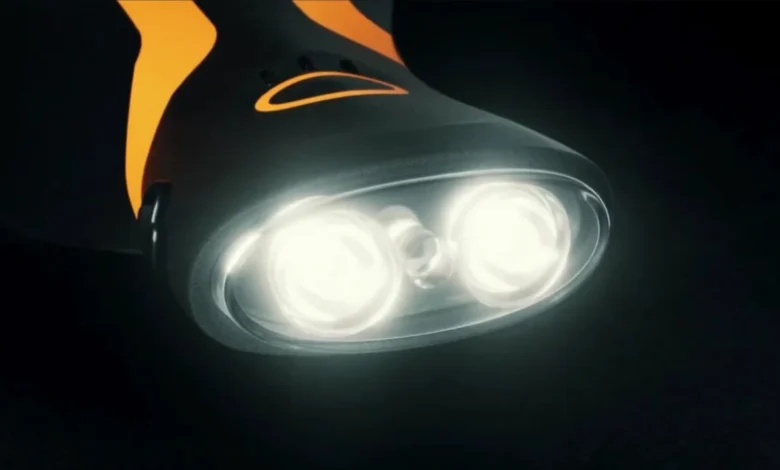
In May 2025, Spark Innovations officially introduced its Illumibite® PRO, boldly proclaiming it as "The Only Flashlight Designed To Bite." This declaration, while catchy, requires a crucial clarification: the device is designed to be bitten by the user, not to bite itself. This innovative concept aims to provide reliable, portable light in a compact, handy package, while simultaneously tackling natural concerns regarding hygiene and dental comfort associated with holding an object in the mouth for extended periods. The introduction of such specialized devices signifies a deeper understanding of specific user needs across various demanding environments, suggesting a significant evolution in personal lighting technology.
The Evolution of Hands-Free Lighting: A Precursor to Bite Lights
For decades, the demand for hands-free lighting has spurred inventive solutions. Early attempts often involved rudimentary straps or clips to attach flashlights to headwear. The modern headlamp, first gaining widespread popularity in the mid-20th century, revolutionized hands-free illumination. By integrating a light source directly onto a strap worn around the head, it freed users’ hands for tasks ranging from camping and hiking to intricate mechanical repairs. However, headlamps, while effective, come with their own set of limitations. They can be bulky, uncomfortable during prolonged use, especially when coupled with helmets or other personal protective equipment. Their fixed position can also limit the precision of the light beam, requiring constant head adjustments that can strain the neck, particularly during delicate operations. Moreover, in extremely confined spaces, a headlamp can snag or be too large to navigate effectively.
Mounted work lights, on the other hand, offer powerful, stable illumination but sacrifice portability. They require a stable surface for placement and are ill-suited for dynamic tasks where the light source needs to move with the user through various positions and locations. These existing solutions, while valuable, highlighted a persistent gap in the market: a highly portable, instantly deployable, hands-free lighting option that could offer precise illumination without the bulk or positional constraints of traditional alternatives. This is the precise niche that bite light flashlights are designed to fill.
Genesis and Design Philosophy of Bite Light Flashlights
The concept of a bite light flashlight is rooted in practical necessity, born from real-world challenges. The Illumibite Pro, for instance, was conceived by married couple Daniel and Jordan Leask. Daniel’s experience in pest control, a profession often demanding work in challenging, dimly lit, and confined spaces – such as attics, crawl spaces, or behind complex installations like solar panels – underscored the need for a small, yet powerful and flexible lighting solution. He frequently found himself in situations where both hands were required for tools, but a headlamp was either impractical due to bulk or discomfort, or simply couldn’t provide the precise, stable illumination needed for intricate tasks. This firsthand frustration became the catalyst for developing a flashlight specifically designed to be held comfortably and securely in the mouth, thereby providing an unwavering, forward-facing beam.
The core design philosophy of bite light flashlights revolves around ergonomic integration and user comfort. Unlike simply holding any small flashlight in one’s teeth, these devices feature specially engineered mouthpieces. Spark Innovations, for example, emphasizes that the Illumibite Pro incorporates a mouthpiece crafted from "food-grade silicone, BPA-free materials." This choice is paramount for several reasons:
- Hygiene: Food-grade materials ensure that the flashlight can be safely placed in the mouth without leaching harmful chemicals. The washable nature of the biting grip further mitigates germ transmission, a crucial consideration for tools that might be used in various environments or by multiple individuals.
- Comfort: The silicone material provides a soft, pliable surface that conforms to the user’s bite, minimizing discomfort and dental strain during prolonged use. This is critical for tasks requiring sustained focus.
- Security: The specially designed contours and grip patterns ensure the flashlight remains securely in place, preventing accidental drops during critical moments, which could be catastrophic in certain professional scenarios.
- Durability: The materials are chosen to withstand repeated biting and cleaning, ensuring the longevity of the device even with regular, rigorous use.
The goal is not merely to allow a flashlight to be held in the mouth, but to create a seamless extension of the user, providing stable, direct illumination without conscious effort or repositioning.
Target Demographics and Diverse Use Cases
Bite light flashlights cater to a broad spectrum of users, from seasoned professionals facing daily operational challenges to hobbyists engaging in intricate tasks. Their utility stems from the fundamental need for hands-free precision lighting in situations where traditional methods fall short.
- Mechanics and Automotive Technicians: Roadside repairs, working under the hood, or in the cramped confines beneath a vehicle often require both hands for tools while needing focused illumination. A bite light allows mechanics to direct light precisely where their hands are working, enhancing efficiency and safety. The ability to instantly reposition the beam by slightly adjusting head angle without touching the light is invaluable.
- Pest Control, HVAC, and Electricians: As demonstrated by Daniel Leask’s inspiration, professionals working in attics, crawl spaces, utility closets, or behind appliances frequently encounter low-light, restricted environments. Headlamps can be cumbersome or snag on wires and insulation. A bite light offers agile illumination, shining directly onto the work area without obstruction.
- Plumbers: Working under sinks, behind toilets, or in utility rooms demands both hands and often involves awkward positions. A bite light can significantly improve visibility for intricate pipe repairs or installations.
- Emergency Services and First Responders: In dynamic, chaotic environments, first responders might need quick, hands-free illumination for minor triage, searching small areas, or handling equipment without fumbling. The rapid deployment and precise aiming of a bite light can be a critical advantage.
- Campers, Hikers, and Outdoor Enthusiasts: Setting up a tent in the dark, preparing food, reading maps, or performing minor gear repairs often benefits from hands-free light. While headlamps are common, a bite light offers a lighter, more compact alternative for quick tasks or when a primary headlamp’s battery is depleted.
- DIY Home Repair and Maintenance: From intricate electrical work to assembling furniture in dimly lit corners, homeowners frequently encounter situations where an extra hand (or a mouth) for lighting would be invaluable.
- Hunters and Anglers: Baiting hooks in low light, field dressing game, or navigating trails before dawn or after dusk are all tasks made safer and more efficient with hands-free, focused illumination.
- Artists and Craftsmen: Model builders, jewelers, or anyone engaged in precision handcrafts can benefit from a stable, direct light source that moves with their line of sight, allowing for intricate detail work without casting shadows with their hands.
Technical Specifications and Market Offerings
Beyond the ergonomic design, the technical specifications of bite light flashlights are crucial to their performance and appeal. While not always boasting the extreme lumen output of the world’s brightest flashlights, they are engineered for practical, portable power.
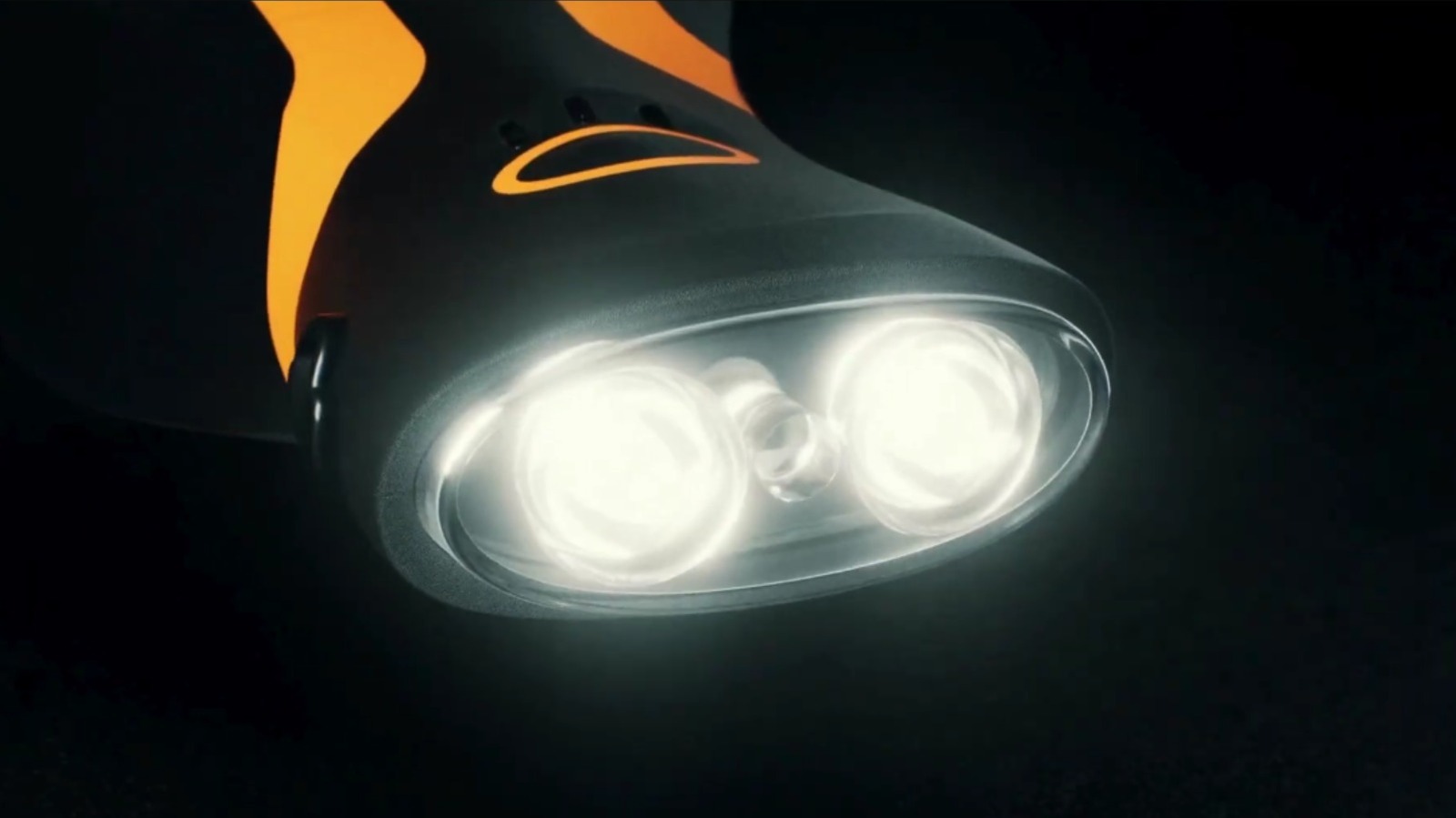
The Police Security Flashlights’ Cavalier, for example, is presented as a budget-friendly option, typically priced around $12.99. It features a soft rubber bite zone, emphasizing comfort and grip. With a beam of up to 75 meters and a power of 170 lumens, it offers sufficient illumination for most close-to-mid-range tasks. This level of brightness is more than adequate for inspecting engine bays, navigating trails, or working in confined spaces, where excessive brightness can actually be counterproductive by causing glare.
Modern bite lights, like other portable flashlights, leverage advanced LED technology for efficiency and longevity. Key features to consider include:
- Lumens: While 170 lumens is a good baseline, some models may offer higher outputs for greater versatility.
- Beam Distance: Important for outdoor use or illuminating larger enclosed areas.
- Battery Life: Given their small size, efficient power management is crucial. Many will utilize common battery types (e.g., AAA, coin cells) or integrated rechargeable batteries, offering several hours of continuous use.
- Water Resistance: Essential for outdoor applications or work in damp environments. Ratings like IPX4 or IPX7 are common.
- Durability: Construction materials beyond the mouthpiece, such as anodized aluminum or robust polymers, ensure the flashlight can withstand accidental drops or impacts.
- Weight: Minimal weight is critical for comfort when held in the mouth for extended periods.
The market for bite lights is still nascent but shows promise for growth, particularly as more manufacturers recognize the distinct advantages these devices offer.
Comparative Analysis: Bite Lights vs. Conventional Hands-Free Options
To fully appreciate the value proposition of bite lights, it’s essential to compare them directly with their established hands-free counterparts.
-
Bite Lights vs. Headlamps:
- Advantage of Bite Lights:
- Precision: The light beam is intrinsically aligned with the user’s direct line of sight, offering unparalleled precision for tasks requiring intense visual focus.
- Comfort in Confined Spaces: Eliminates the bulk of a headlamp, which can snag on overhead obstacles or be uncomfortable in tight crawl spaces.
- Stability: The mouth provides a remarkably stable platform for the light, preventing the subtle wobbling or shifting that can occur with headlamps during vigorous movement.
- Instant On/Off: Can be quickly inserted and removed, offering immediate hands-free light without fiddling with straps or buttons.
- Disadvantage of Bite Lights:
- Limited Broad Illumination: Typically offers a more focused beam compared to the wider flood often provided by headlamps, which are better for general area lighting.
- Oral Hygiene Concerns (mitigated by design): Despite food-grade materials and washability, some users may still have reservations.
- Speech Impairment: Using a bite light can temporarily impede clear speech.
- Fatigue: While designed for comfort, holding any object in the mouth for extremely long durations might still induce some jaw fatigue.
- Advantage of Headlamps:
- Broader Illumination: Often provide a wider beam angle suitable for illuminating a larger area.
- No Oral Contact: Avoids any direct contact with the mouth, which some users prefer.
- Higher Power Options: Many headlamps offer significantly higher lumen outputs for more demanding outdoor or professional applications.
- Disadvantage of Headlamps:
- Bulk and Weight: Can be uncomfortable, especially with larger battery packs or for extended use.
- Snagging Risk: Straps or the lamp unit itself can snag on branches or equipment.
- Head Movement Dependence: Light direction is tied to head movement, which can be inefficient for precise, stationary tasks.
- Advantage of Bite Lights:
-
Bite Lights vs. Mounted/Work Lights:
- Advantage of Bite Lights:
- Ultimate Portability: Moves with the user, offering dynamic illumination without needing to reposition a separate unit.
- Rapid Deployment: Instant hands-free light wherever the user is.
- Adaptability: Suitable for tasks where no stable mounting surface is available.
- Disadvantage of Bite Lights:
- Lower Lumen Output: Generally not designed for broad area illumination.
- Limited Battery Life: Cannot match the prolonged operation of larger, mains-powered work lights.
- Advantage of Mounted/Work Lights:
- High Power: Can provide very high lumen outputs for extensive area lighting.
- Stable, Fixed Illumination: Ideal for stationary tasks in a fixed location.
- Long Battery/Power Life: Often mains-powered or equipped with large, long-lasting batteries.
- Disadvantage of Mounted/Work Lights:
- Lack of Portability: Impractical for moving tasks or confined spaces.
- Requires Mounting Surface: Limited by the availability of suitable placement.
- Advantage of Bite Lights:
Market Implications and Future Outlook
The emergence of bite light flashlights signifies a growing specialization within the portable lighting market. It highlights a clear demand for solutions that prioritize precision, agility, and ultimate hands-free operation in scenarios where traditional options fall short. This niche, while perhaps not as broad as the general flashlight market, holds significant potential within professional trades and specific hobbyist communities.
Manufacturers like Spark Innovations are tapping into this demand by focusing on user-centric design, addressing not just illumination but also ergonomics, safety, and hygiene. The market is likely to see further innovation in materials, battery technology, and perhaps even integration with other wearable tech. For instance, future models might incorporate adjustable beam patterns, varying color temperatures for different tasks, or even rudimentary communication capabilities.
Challenges for broader adoption include overcoming initial user skepticism, particularly regarding hygiene and comfort during extended use. Effective marketing campaigns emphasizing the safety features, material science, and practical benefits will be crucial. Establishing clear industry standards for comfort, durability, and oral safety will also foster greater trust and accelerate market penetration.
From an economic perspective, this new category presents opportunities for both established lighting companies and agile startups. It allows for product differentiation, appeals to specific high-value professional segments, and potentially opens up entirely new consumer markets. Industry analysts project a steady growth in demand for specialized hands-free lighting solutions, driven by an increasingly complex work environment that demands greater efficiency and adaptability from tools.
In conclusion, bite light flashlights represent a thoughtful and innovative response to a long-standing need for precise, hands-free illumination. By ingeniously leveraging the human anatomy and combining it with advanced material science and LED technology, these devices offer a compelling alternative to conventional headlamps and work lights. As products like the Illumibite PRO and Police Security’s Cavalier gain traction, they are poised to transform how professionals and enthusiasts approach tasks in challenging, low-light environments, ultimately enhancing safety, efficiency, and comfort across a multitude of applications. The future of personal illumination is not just brighter, but also more intimately integrated with the user.