Star Trek: The Original Voyages: A Visual History Set for Publication Following Franchise Diamond Anniversary

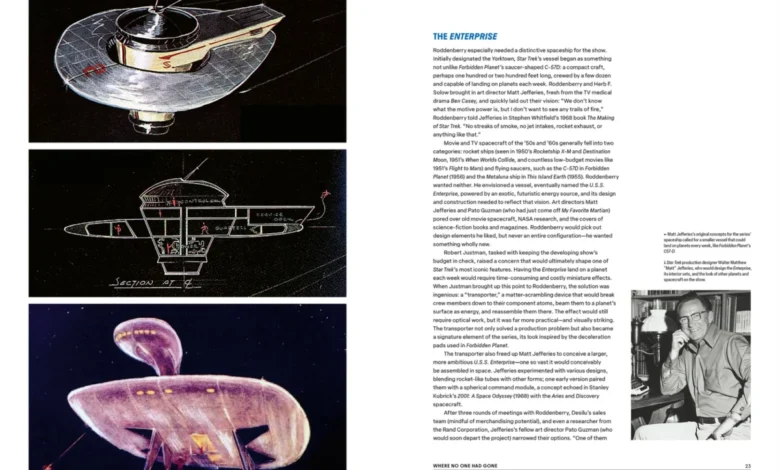
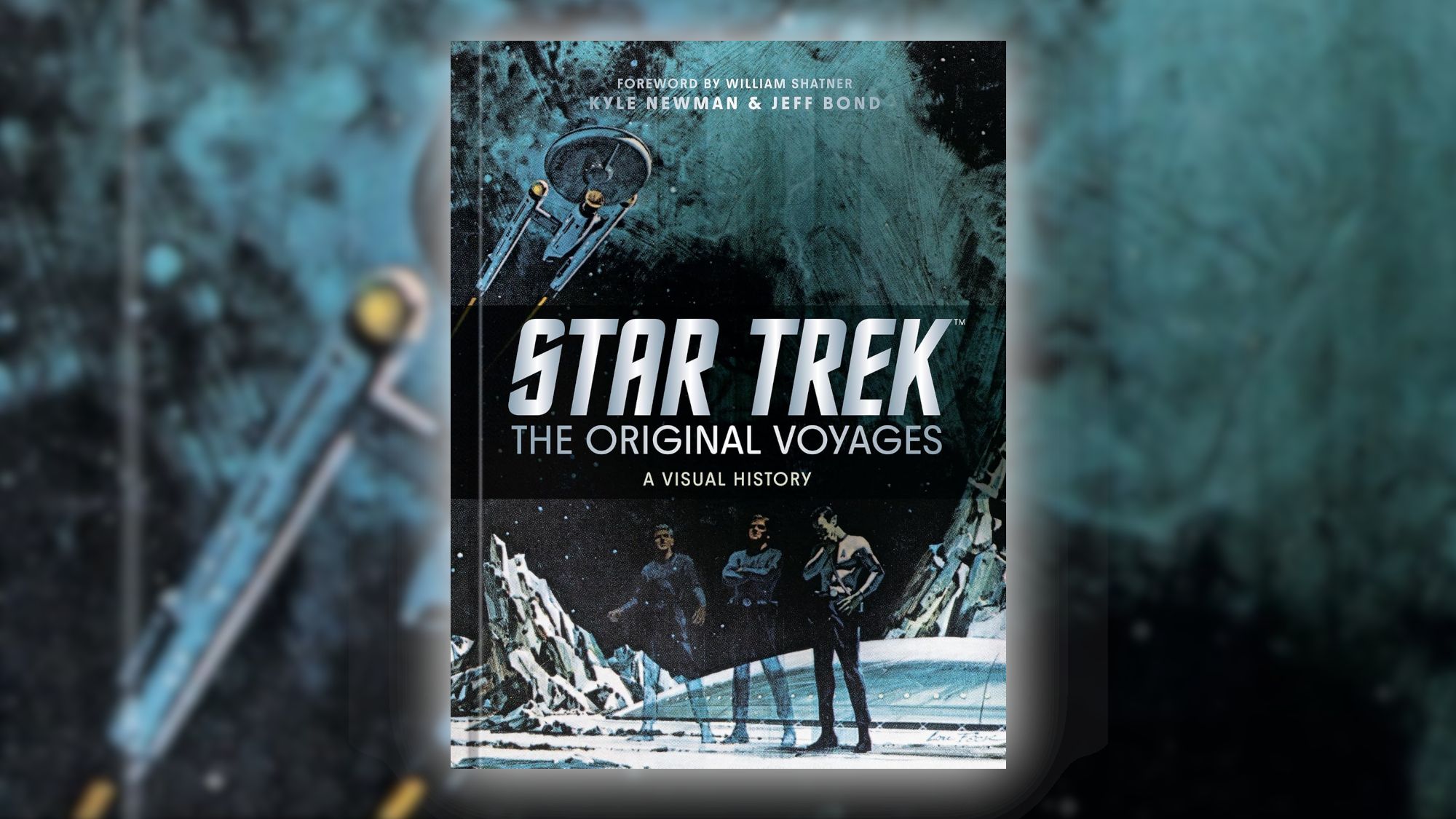
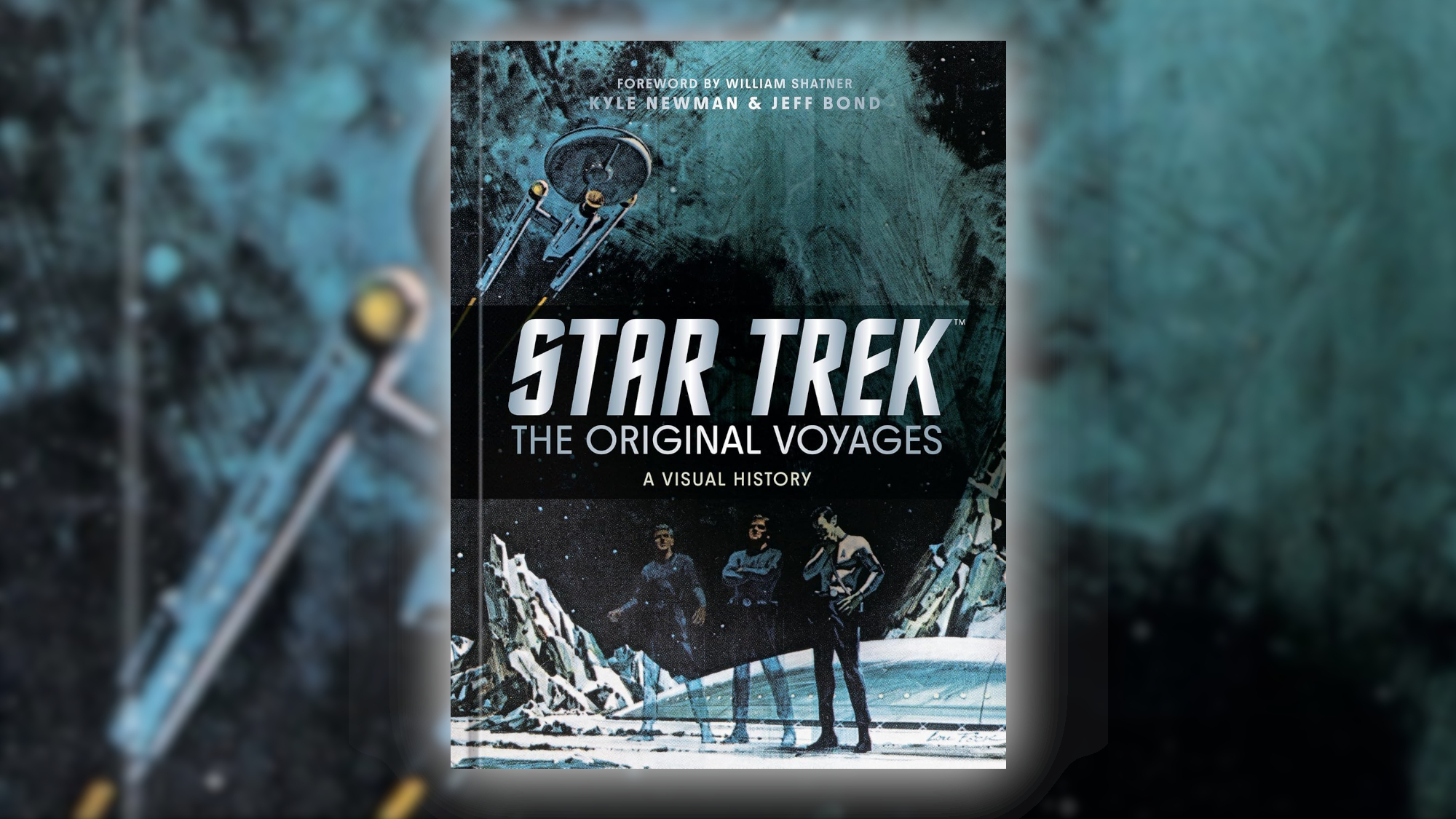
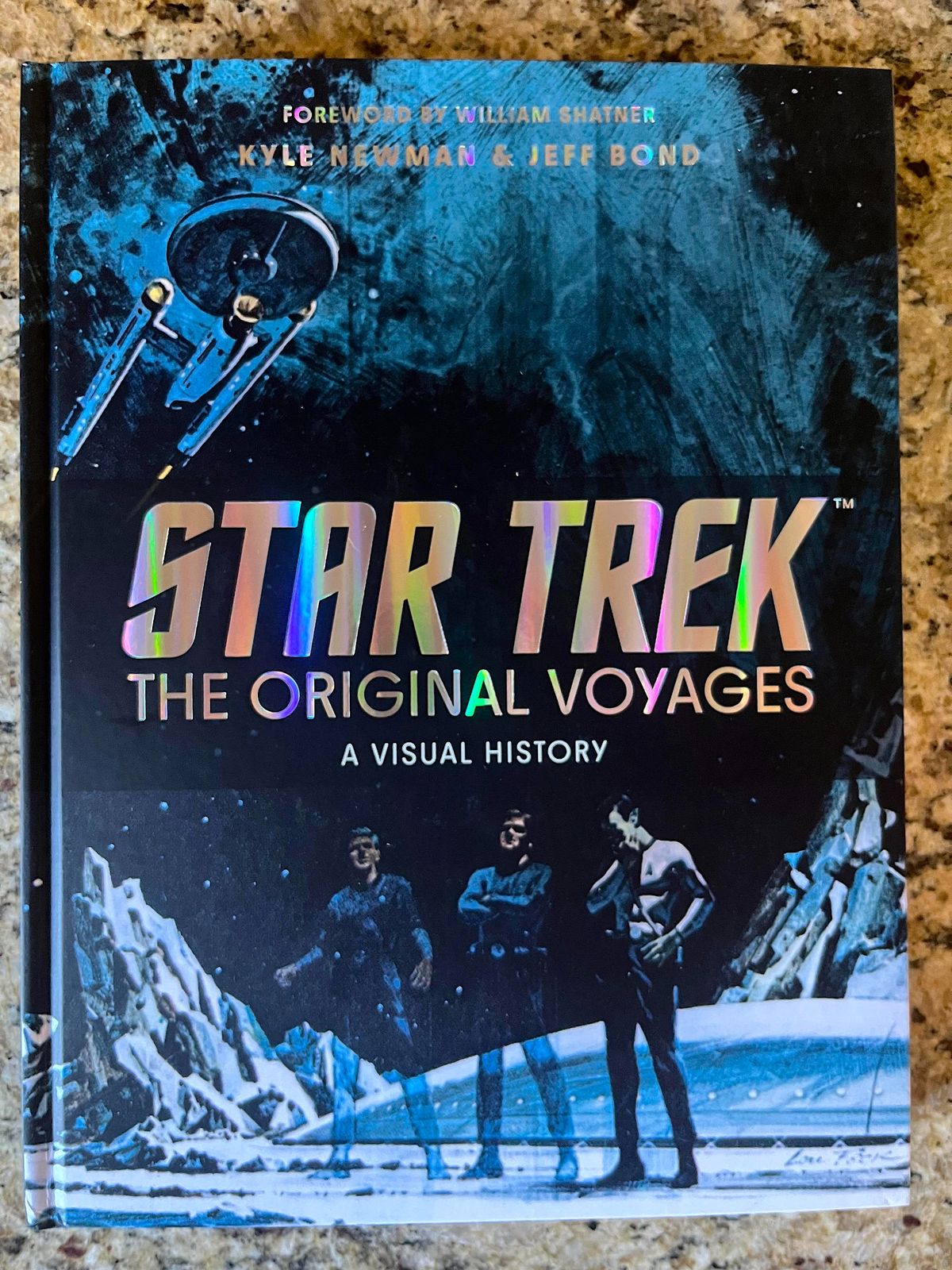
Penguin Random House, in collaboration with Ten Speed Press, has announced the upcoming publication of Star Trek: The Original Voyages: A Visual History, a comprehensive 416-page hardback scheduled for release on November 10, 2026. Authored by Kyle Newman and Jeff Bond, the coffee table book arrives on the heels of the diamond anniversary of the science fiction franchise, which marked 60 years since its broadcast debut on NBC on September 8, 1966. Designed as the first installment of a two-volume retrospective series, the publication aims to document the genesis, production history, and enduring cultural footprint of Gene Roddenberry’s foundational television series, its subsequent animated adaptation, and the initial six feature films released through 1991.
Main Facts and Publication Overview
Star Trek: The Original Voyages: A Visual History functions as an extensive archival study of the formative era of the franchise. Spanning 416 pages, the volume compiles a wide array of production materials, including rare behind-the-scenes photography, original costume designs, storyboards, filming models, and props. In addition to covering the 79 episodes of the original live-action television series, the book explores the 1970s animated series produced by Filmation and the cinematic adventures of the original crew culminating in Star Trek VI: The Undiscovered Country. Beyond the core television and film productions, the publication catalogs associated commercial ephemera, such as vintage comic books, licensed action figures, trading cards, convention memorabilia, and promotional campaigns from the era.
Historical Context and Chronological Development
The release of the volume coincides with a broader wave of commemorative events honoring the 60th anniversary of the franchise. Throughout September 2026, global fan communities, cultural institutions, and media organizations hosted retrospectives, including theatrical screenings of remastered episodes, documentary premieres featuring original cast members like William Shatner, public exhibitions of authentic studio models such as the Galileo shuttlecraft, and themed floats in civic parades.
When Star Trek premiered in the autumn of 1966, its trajectory was initially uncertain. Created by former police officer and television writer Gene Roddenberry, the series envisioned a multi-ethnic, cooperative future for humanity traversing the galaxy aboard the USS Enterprise. Despite critical acclaim and a devoted grassroots following—famously mobilized to save the show from cancellation after its second season—the program struggled with Nielsen ratings and was ultimately canceled by NBC in 1969 after three seasons and 79 episodes.
However, the property experienced a profound resurgence in the 1970s through syndicated reruns, which exposed the series to a new generation of viewers and catalyzed the formation of organized fandom, marked by the earliest dedicated conventions. This grassroots enthusiasm prompted Paramount Pictures to pivot an intended television revival, Star Trek: Phase II, into a high-budget theatrical feature. Star Trek: The Motion Picture premiered in 1979, grossing over $139 million worldwide and establishing a lucrative cinematic franchise. This paved the way for a succession of sequels featuring the primary cast: James T. Kirk (William Shatner), Spock (Leonard Nimoy), Leonard McCoy (DeForest Kelley), Montgomery Scott (James Doohan), Nyota Uhura (Nichelle Nichols), Pavel Chekov (Walter Koenig), and Hikaru Sulu (George Takei).
Archival Depth and Editorial Approach
Authors Kyle Newman and Jeff Bond have structured the volume to appeal both to academic media historians and dedicated collectors. By securing access to private archives and studio vaults, the book presents a granular examination of the production hurdles faced by the 1960s television crew, including budget constraints, technological limitations in optical effects, and network interference.
The inclusion of the animated series (1973–1974) addresses a frequently overlooked chapter of the franchise’s history. Produced by Filmation with most of the original principal cast returning to voice their characters, the animated iteration expanded the lore of the five-year mission and introduced concepts later integrated into contemporary canon. Furthermore, the volume’s dedication to the first six feature films captures the maturation of industrial special effects, transitioning from miniature-heavy photography supervised by John Dykstra and Industrial Light & Magic to sophisticated digital integrations in later installments of the original crew’s cinematic run.
Industry Implications and Cultural Legacy
The publication of Star Trek: The Original Voyages: A Visual History underscores the enduring commercial viability of legacy intellectual property in the contemporary publishing market. High-end, exhaustive coffee table books have increasingly become primary revenue streams for major publishing houses catering to adult collectors who value physical artifacts over digital media consumption.
From a sociological perspective, the six-decade longevity of Star Trek offers a unique case study in transmedia storytelling. What began as a moderately rated network television show evolved into a multi-billion-dollar multimedia empire encompassing dozens of television seasons, twelve additional feature films, hundreds of original novels, and extensive merchandising lines. Scholars frequently attribute the franchise’s resilience to its optimistic, secular humanist worldview, which utilized allegorical science fiction narratives to address contemporary socio-political issues such as the Cold War, civil rights, and technological ethics.
As publishers Penguin Random House and Ten Speed Press prepare for the November 10 release, early retail indicators suggest strong demand among the global "Trekkie" community. By meticulously chronicling the foundational years of the franchise, the volume not only preserves the historical record of a pioneering television production but also reaffirms the cultural impact of a fictional universe that helped inspire the actual space race and continues to influence modern aerospace engineers, scientists, and creators worldwide.
Related posts: