Buoyancy Regulation and the Vertical Slumber of Sperm Whales Investigating the Biological Purpose of Underwater Bubble Release

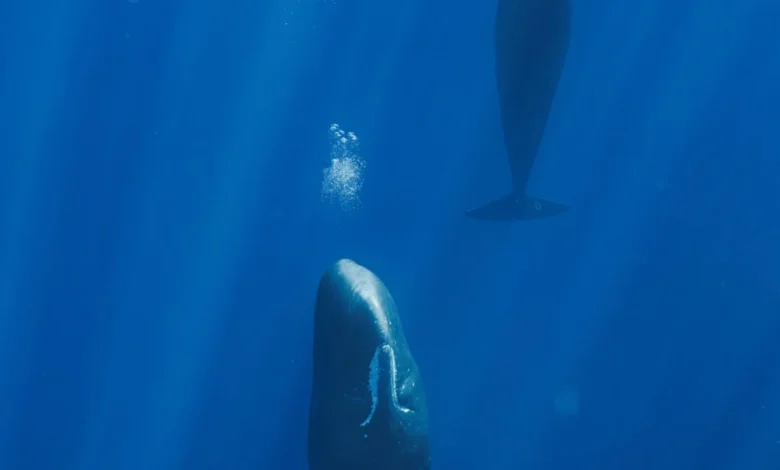
Sperm whales (Physeter macrocephalus), the ocean’s largest toothed predators, have long captivated the scientific community with their complex social structures and mysterious deep-sea lives. In recent years, a growing body of research has begun to peel back the layers of their cognitive complexity, suggesting that these marine giants possess a sophisticated "alphabet" and utilize phonetic structures, such as vowels, in a manner strikingly similar to human linguistics. However, beyond their communicative prowess, researchers are now turning their attention to a more fundamental biological process: sleep. A new study published in the Journal of Experimental Biology has shed light on a peculiar behavior observed during sperm whale rest—the release of underwater bubbles—suggesting it serves as a critical mechanism for maintaining buoyancy while the animals drift in a vertical state of slumber.
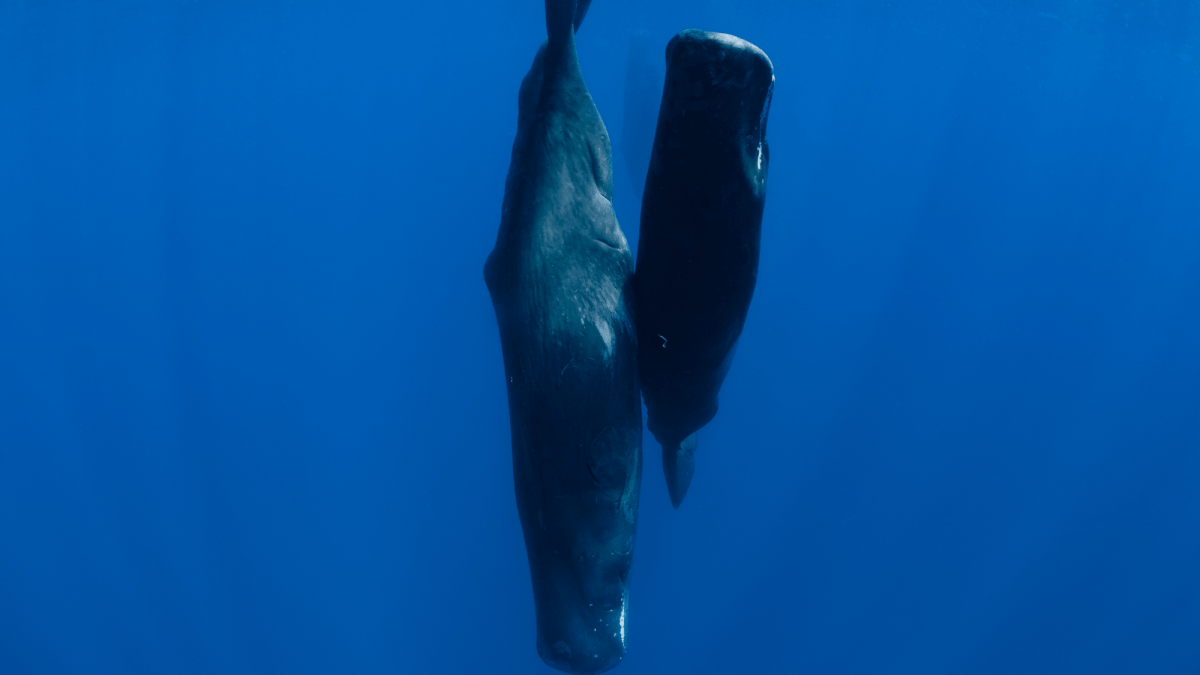
For decades, the sleeping habits of cetaceans remained a subject of speculation. Unlike terrestrial mammals, marine mammals must balance the physiological need for rest with the constant requirement to surface for oxygen. In 2008, researchers first documented sperm whales resting in a vertical position, suspended like giant monoliths in the water column. These naps typically last between 10 and 15 minutes, occurring just below the surface to avoid the turbulence of waves while remaining close enough for a quick ascent. Yet, a physical paradox remained: the sperm whale’s massive head, which can comprise up to a third of its body length, is naturally buoyant due to the presence of the spermaceti organ. This organ is filled with hundreds of gallons of waxy oil, which helps with echolocation but also creates significant upward lift. To remain submerged and stable during their short naps, researchers have discovered that sperm whales utilize a surprising tactic—they "blow bubbles" to fine-tune their weight in the water.
The Mechanics of Vertical Slumber and Buoyancy
The research, led by Noémie Freymond, a PhD student at the University of Neuchâtel, and co-authored by Patrick Miller of the University of St Andrews, sought to quantify why these whales release air during their resting periods. The study focused on a population of 42 sperm whales located near Norway’s Lofoten Islands, a region known for its deep-water canyons that serve as prime hunting grounds for the species. By utilizing sophisticated suction-cup tags—biologging devices equipped with hydrophones and pressure sensors—the team was able to record the acoustic signatures of bubble releases while simultaneously tracking the depth and orientation of the animals.
The data revealed three distinct resting postures. In some instances, the whales would sink slowly into the depths tail-first. In others, they would dive head-first, only for their buoyant heads to eventually pivot them back toward the surface. The third method involved a deep-ascent rest, where the whale would dive to depths exceeding 650 feet (200 meters) and then enter a resting state as it slowly drifted back toward the surface.
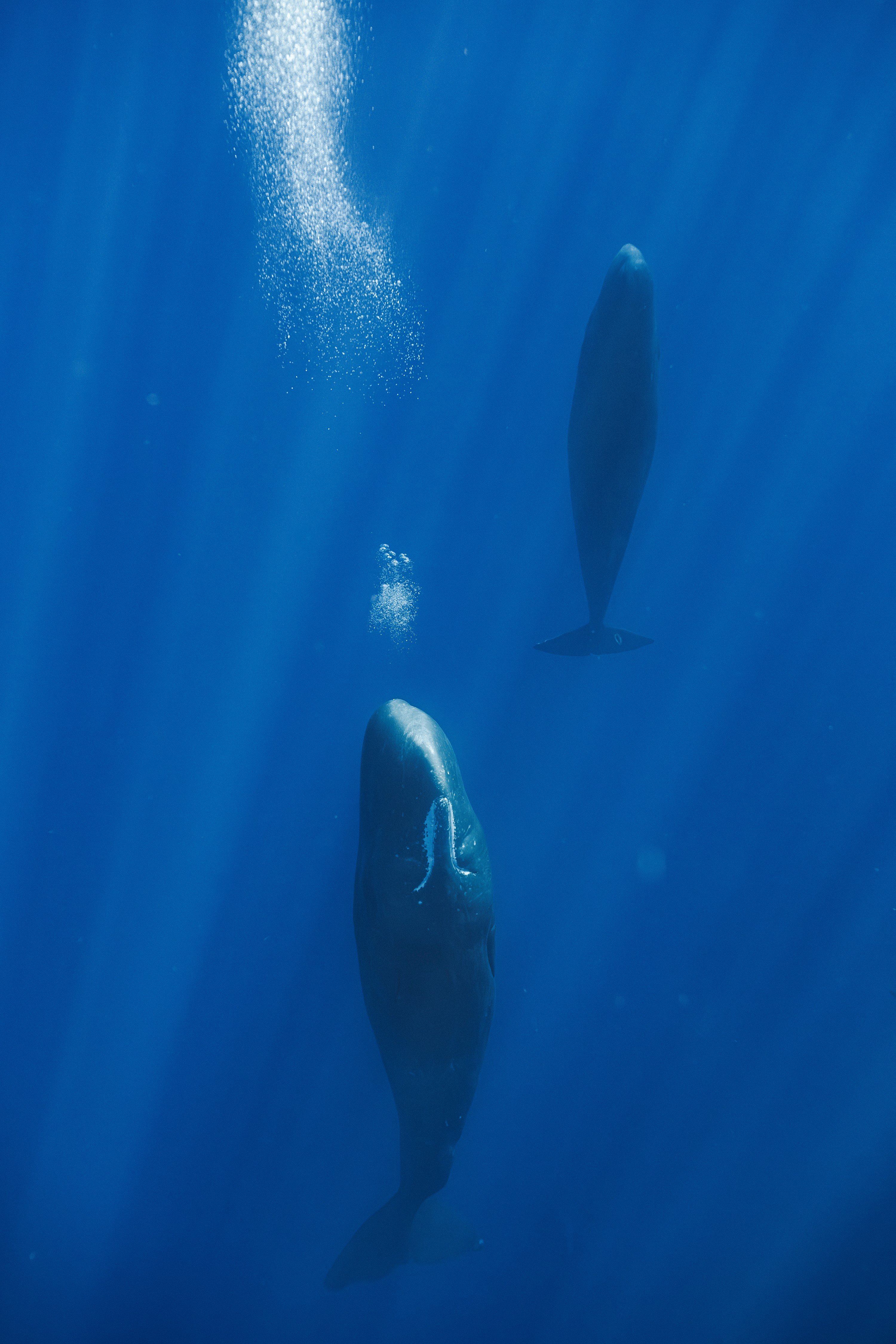
The core discovery of the study lies in the correlation between depth and the frequency of bubble release. Whales resting closer to the surface were observed releasing bubbles approximately 11 times per nap. In contrast, those resting during an ascent from greater depths released bubbles only three or four times. This discrepancy is explained by the physics of hydrostatic pressure. As a whale dives deeper, the air in its lungs and nasal passages is compressed, significantly reducing its buoyancy. Near the surface, where the pressure is lower, the air expands, making the animal more likely to float upward. By exhaling specific amounts of air—manifesting as bubbles—the whales are effectively purging "lift" from their bodies to maintain a neutral position in the water column, preventing them from bobbing to the surface prematurely.
Biological Context: The Spermaceti Organ and Deep Diving
To understand why buoyancy regulation is so critical for a sleeping sperm whale, one must look at the unique anatomy of the species. The spermaceti organ is a complex system designed for deep-sea navigation. It contains spermaceti oil, which was once highly prized by the whaling industry for its clarity and stability. Biologically, the whale can manipulate the temperature of this oil by shunting cold seawater through its nasal passages, causing the oil to solidify and become denser for diving, or increasing blood flow to melt it and increase buoyancy for surfacing.
However, this thermal regulation is a slow process, likely too slow for the rapid adjustments needed during a 10-minute nap. The release of bubbles provides a much faster, "active" method of buoyancy control. This suggests that sperm whales are not merely drifting aimlessly but are engaged in a constant, albeit subtle, physical management of their environment even while resting.
Methodology and Data Collection in the Norwegian Arctic
The logistical challenges of studying sperm whale sleep cannot be overstated. The Lofoten Islands provide a rare opportunity for researchers because the continental shelf is narrow, allowing deep-water species like sperm whales to be found relatively close to shore. The research team deployed DTAGs (digital acoustic recording tags) which are attached via four small suction cups using a long carbon-fiber pole.
"The main challenge is that a deployment must last long enough to capture resting behavior," Freymond explained. "We were lucky to have access to such a large dataset." Once the tags have recorded several hours or days of data, they are programmed to detach, float to the surface, and emit a radio signal for recovery. The researchers then analyze the "pitch" and "roll" data to identify when the whale transitions from active foraging—characterized by deep dives and echolocation clicks—to the silent, vertical stillness of rest.
The acoustic data was particularly revealing. The sound of a whale releasing a bubble is distinct from other underwater noises. By syncing these sounds with the depth sensors, the team could prove that the bubble releases were not accidental "leaks" but were strategically timed as the whale reached specific points in its resting cycle.
Comparative Sleep Patterns and the Question of Consciousness
The study raises profound questions about the nature of consciousness in cetaceans. It is well-documented that many marine mammals, such as bottlenose dolphins, engage in unihemispheric slow-wave sleep (USWS). This "half-brain" sleep allows one hemisphere of the brain to remain alert to monitor for predators and regulate breathing while the other half rests.
Whether sperm whales utilize USWS or enter a state of full, bi-hemispheric sleep remains a topic of debate. The 2008 study by Miller suggested that sperm whales might be among the few cetaceans capable of full sleep, as they appeared completely unresponsive to passing vessels during their vertical drifts until physically nudged. If they are indeed fully asleep, the act of releasing bubbles to regulate buoyancy would imply a highly evolved autonomic reflex. Conversely, if they are partially awake, it suggests a conscious level of "housekeeping" to ensure they do not drift into dangerous surface waters where they could be struck by ships or buffeted by storms.
Broader Implications for Marine Science and Conservation
Understanding the resting requirements of sperm whales is not merely a matter of biological curiosity; it has significant implications for conservation. Sperm whales are currently listed as "Vulnerable" by the International Union for Conservation of Nature (IUCN). Their recovery from the era of commercial whaling is hampered by modern threats, including ship strikes and noise pollution.
If sperm whales require specific conditions—such as quiet, stable water columns—to achieve the buoyancy balance necessary for sleep, then the increasing "clutter" of the oceans may be detrimental to their health. Anthropogenic noise from shipping, sonar, and seismic surveys can disrupt their rest cycles. A whale that cannot rest effectively may experience diminished foraging efficiency and lower reproductive success.
Furthermore, the discovery of bubble-blowing as a buoyancy tool adds another layer to our understanding of whale intelligence. It demonstrates an innate understanding of displacement and pressure—principles of physics that the whales navigate instinctively. This research aligns with other recent findings, such as the "Project CETI" (Cetacean Translation Initiative), which seeks to decode sperm whale communication. As we learn that these animals have dialects, cultural traditions, and complex physical strategies for survival, the argument for enhanced international protection of their habitats becomes increasingly compelling.
Conclusion and Future Research
The investigation into sperm whale bubbles provides a fascinating glimpse into the life of a species that spends the vast majority of its existence hidden from human eyes. While the study confirms the "how" of buoyancy regulation during sleep, the "why" of their vertical posture remains a subject for future inquiry. Some scientists suggest the vertical position may allow for better detection of predators from below, or perhaps it is simply the most energy-efficient way for a creature with such a massive, oil-filled head to balance itself.
As Noémie Freymond continues her work, now focusing on the sleep patterns of chimpanzees, the cross-species comparison of rest may yield even more insights into the evolution of sleep. For the sperm whales of the Lofoten Islands, the mystery of the bubbles has been partially burst, revealing a masterclass in biological engineering. Whether these bubbles also serve as a form of "cetacean snoring" or play a role in social signaling remains to be seen, but for now, they stand as a testament to the intricate ways in which life adapts to the demanding environment of the deep ocean.
Related posts: