RayNeo GT Smart Glasses Review: A Feature-Rich Contender Raises the Bar in the $300 AR Market

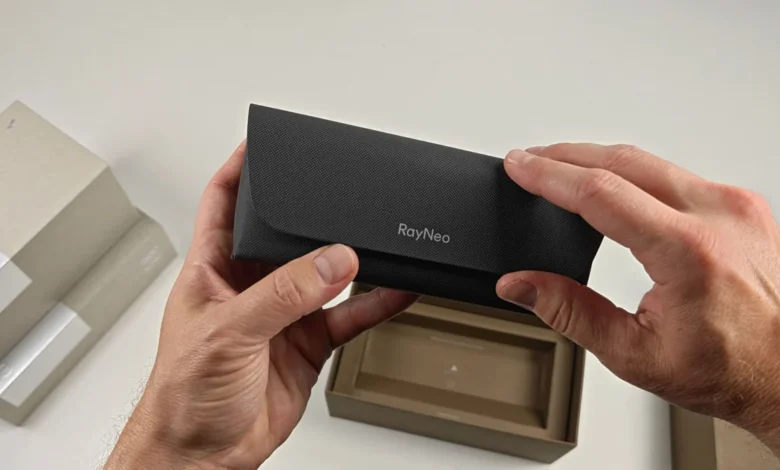
The consumer augmented reality (AR) and smart glasses landscape continues its rapid evolution as manufacturers aggressively vie for dominance in the highly lucrative sub-$300 price bracket. RayNeo, a prominent player in the wearable technology sector, has officially expanded its portfolio with the launch of the RayNeo GT smart glasses. Retailing at $299—the exact price point of its predecessor, the RayNeo Air 4 Pro—the newly introduced GT model arrives with a significantly refined specification sheet, targeted ergonomic enhancements, and native spatial tracking capabilities designed to challenge established competitors from brands like Xreal, Rokid, and Viture.
Main Facts and Technological Overview
The RayNeo GT enters a fiercely contested market segment where consumers increasingly expect premium features previously reserved for high-end, enterprise-grade hardware. Despite maintaining an accessible $299 retail price, the GT glasses manage to shed 8 grams of weight compared to prior iterations, reducing user fatigue during extended viewing sessions.
At the core of the device’s visual architecture is the Vision 4000 chipset. This silicon integration facilitates advanced standard dynamic range (SDR) to high dynamic range (HDR) conversion, elevating contrast and color vibrancy for media consumption. Furthermore, the micro-OLED displays feature an impressive 3840Hz pulse-width modulation (PWM) dimming rate. High PWM frequencies are critical in wearable displays, as they drastically minimize screen flicker, thereby reducing the likelihood of eye strain and headaches for sensitive users during prolonged use.
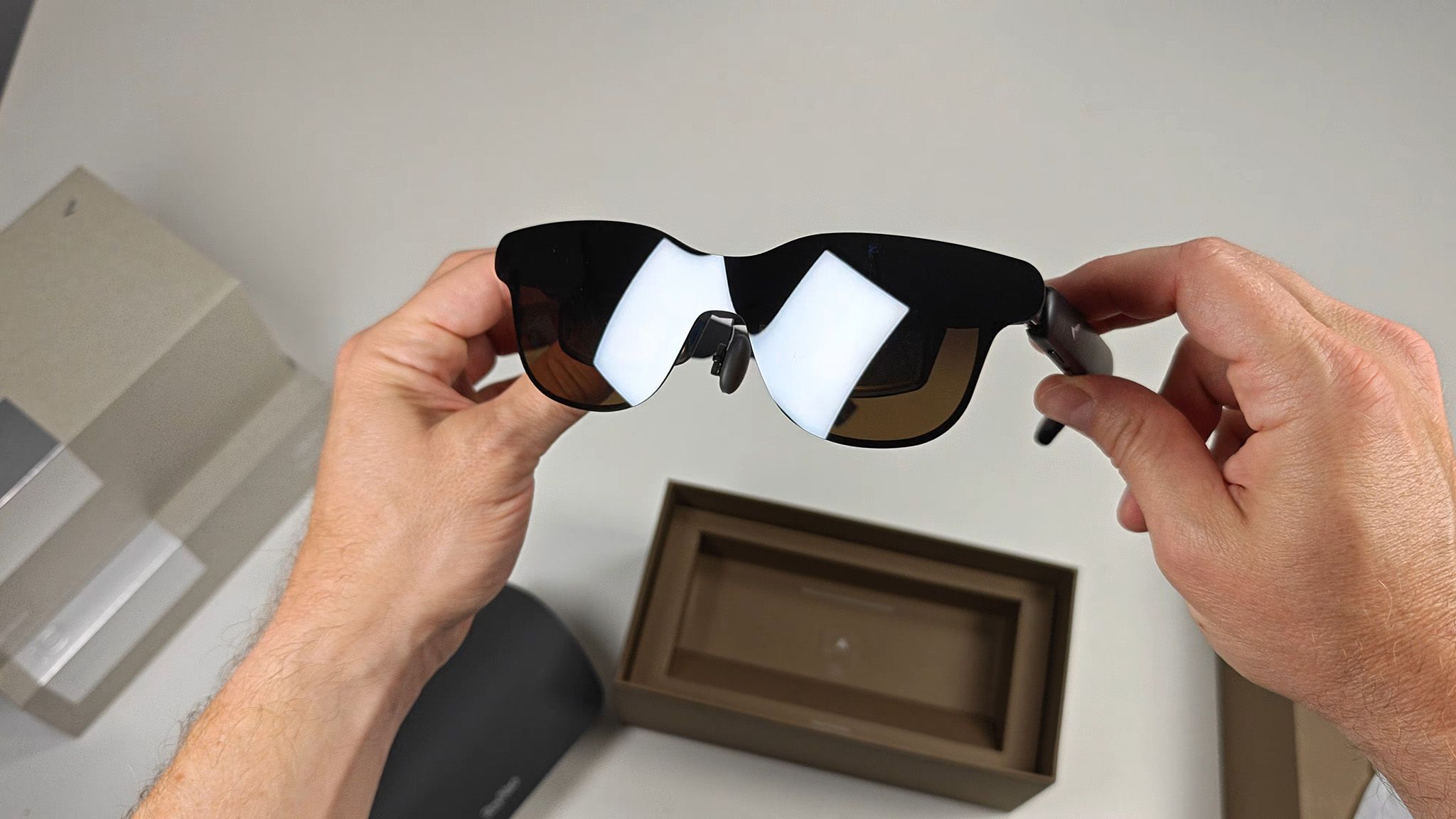
Like the majority of consumer-focused smart glasses currently on the market, the RayNeo GT offers a standard 47-degree field of view (FoV). However, the hardware sets itself apart by introducing native 3DoF (Degrees of Freedom) spatial tracking. This allows users to experience anchored, steady, or following virtual screen positioning directly through the glasses without relying entirely on external processing bricks or complex software calibrations.
Ergonomic Customization and Fit
One of the most persistent historical challenges in the consumer smart glasses category has been accommodation for diverse facial structures and interpupillary distances (IPD). Fixed-screen designs frequently resulted in eye strain, blurry edges, or double vision for users falling outside the industry average.
RayNeo has directly addressed this usability hurdle with the GT series by offering three distinct IPD size variants at launch:
- Small: Designed for users with an IPD of 63 or lower.
- Medium: Tailored for the 64 to 67 IPD range.
- Large: Engineered for users with an IPD of 68 or greater.
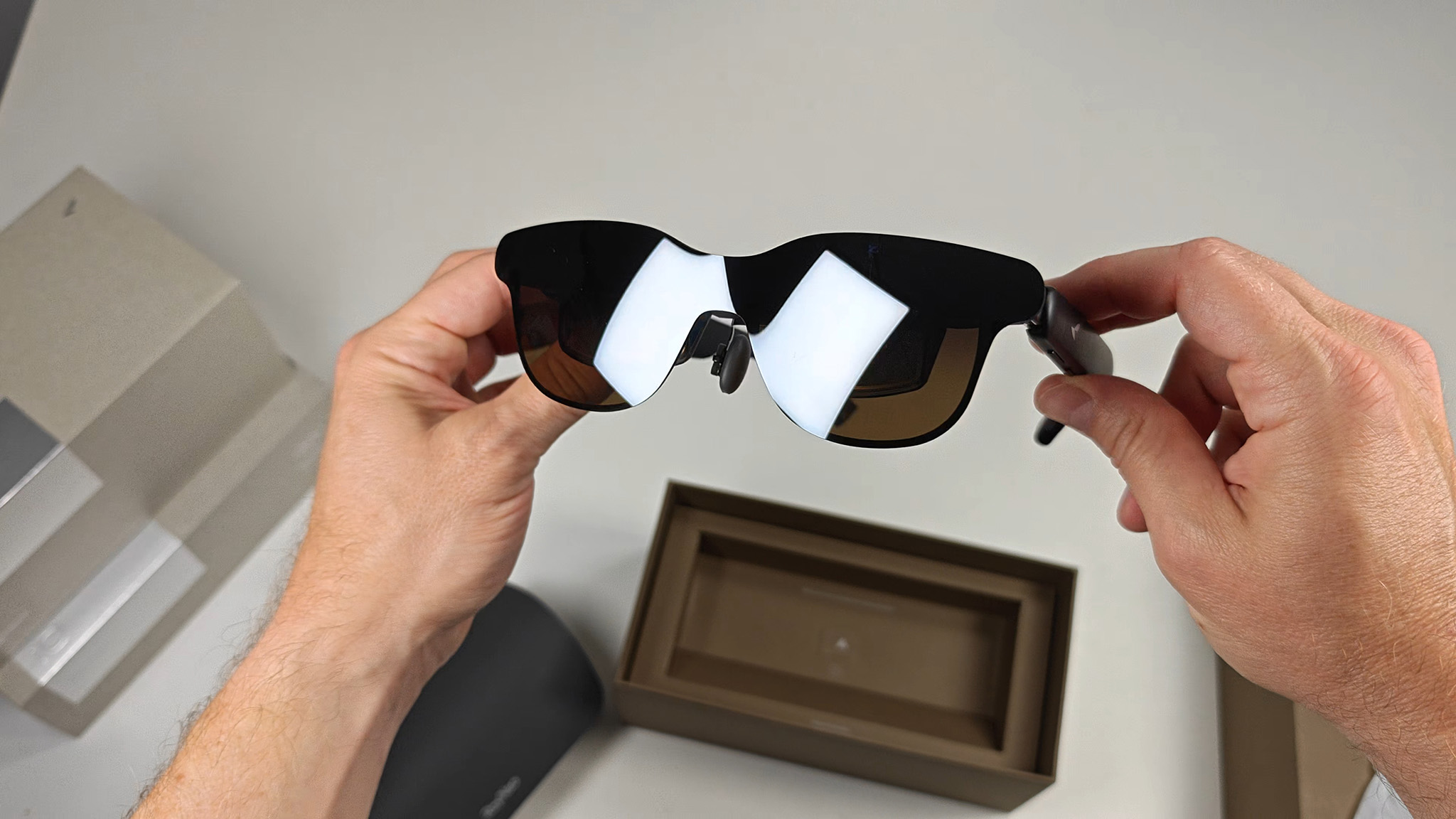
In addition to tiered IPD sizing, the glasses feature an adjustable nosepiece that allows wearers to alter the vertical positioning of the micro-OLED displays, ensuring optimal alignment with the user’s pupils. Coupled with the inclusion of supportive temple pads to distribute weight evenly across the ears and temples, the physical ergonomics represent a measurable leap forward for the product line.
Spatial Tracking Modes and Performance
The integration of native 3DoF tracking provides tangible flexibility for media viewing, productivity, and casual gaming. Users can toggle between multiple operational modes via a dedicated physical button positioned on the top right temple of the frame:
- Anchor Mode: Locks the virtual display in a fixed spatial position within the room, allowing the user to look away and return to the screen.
- Steady Mode: Smooths out minor head movements to keep the display stable in the user’s field of view.
- Follow (0DoF) Mode: Pins the display directly to the user’s field of vision, causing the screen to move synchronously with head turns.
Technical evaluations indicate that while the 3DoF and anchored modes deliver robust augmented reality utility, they rely on low-persistence flickering (black frame insertion) to maintain spatial stability. Users who are particularly sensitive to flicker often find the 0DoF Follow mode to be the most visually comfortable option for extended text reading or movie watching.
Ecosystem Integration and Audiovisual Capabilities
For media consumption, the RayNeo GT supports native 10-bit displays paired with comprehensive software decoding for 12-bit Dolby Vision content. To unlock the full potential of these display pipelines, RayNeo recommends pairing the glasses with its proprietary Pocket TV accessory.
The Pocket TV functions as a compact, portable hardware dongle running Google TV, effectively transforming the smart glasses into a self-contained, pocket-sized entertainment system. While the device excels at streaming online content seamlessly, industry analysts note certain limitations regarding offline content downloads, suggesting that pairing the glasses directly with a smartphone remains the preferred method for travelers requiring local media storage.
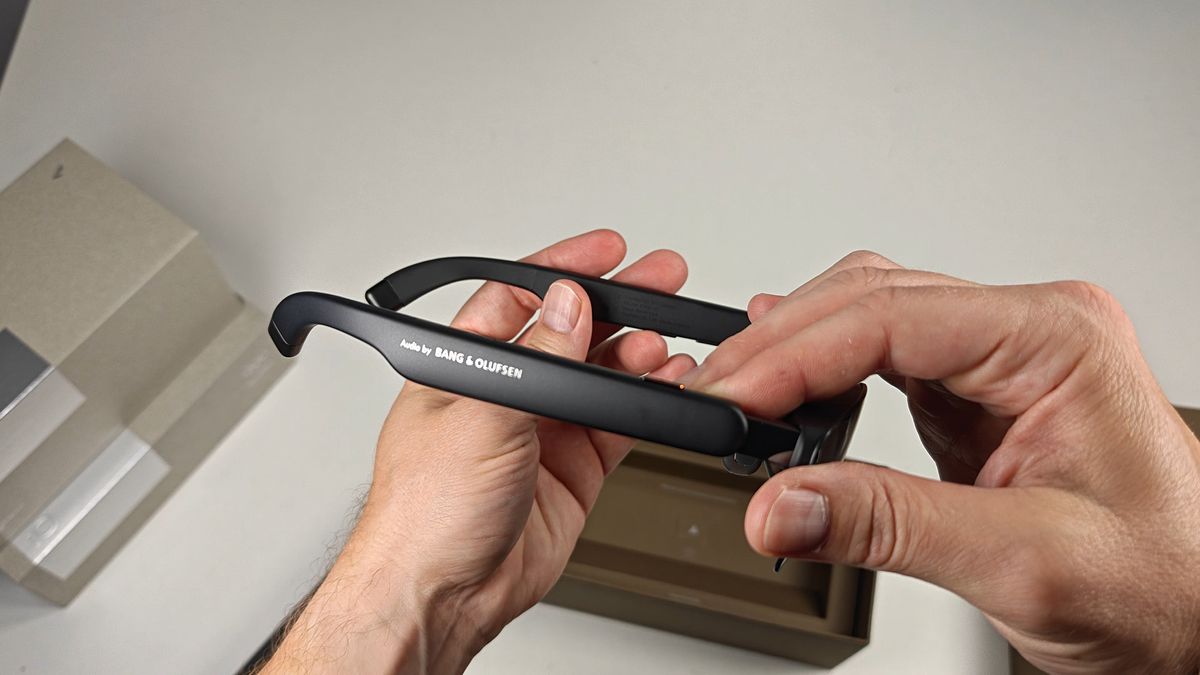
On the audio front, the RayNeo GT utilizes an open-ear, four-speaker architecture. Testing demonstrates that the built-in acoustic output delivers robust volume and commendable clarity without requiring direct-contact ear-canal placement. For users desiring a more private or directional sound profile, optional sound tubes remain available as separate aftermarket accessories.
Ambient Lighting Limitations and Market Context
Despite its extensive feature set, the RayNeo GT is not without practical constraints. Most notably, the lenses lack built-in tinting or electrochromic dimming capabilities. While the micro-OLED panels are engineered to achieve high peak brightness levels, intense ambient lighting can easily wash out the projected virtual displays. Consequently, users operating the glasses in brightly lit environments—such as outdoor spaces or sunlit offices—will likely need to utilize physical snap-on light blockers or lens covers to maintain optimal contrast.
The timing of the RayNeo GT release underscores the rapid acceleration of the consumer wearable market. Over the past twenty-four months, brands have transitioned from offering rudimentary external monitors to delivering sophisticated spatial computing peripherals at aggressive price points. Competitors such as Xreal have emphasized modular ecosystem designs—such as the Xreal XBX A01+—while brands like RayNeo are focusing heavily on native display fidelity, ergonomic tiering, and aggressive pricing strategies.
Broader Industry Implications and Future Outlook
The introduction of the RayNeo GT highlights several broader trends shaping the wearable technology sector:
- Democratization of Advanced Features: Technologies that were once exclusive to $600+ headsets—such as high-frequency PWM dimming, native 3DoF tracking, and HDR conversion—are rapidly filtering down to the $300 baseline.
- Focus on Inclusivity: By addressing physical constraints like IPD variations and weight distribution, manufacturers are acknowledging that mass-market adoption requires hardware capable of fitting a broader demographic of consumers.
- The Tethered Display Paradigm: Consumer AR glasses continue to rely primarily on tethered connections to smartphones, handheld gaming consoles, or specialized streaming boxes. True standalone spatial computing glasses with onboard processing and all-day battery life remain constrained by thermal and power efficiency limitations.
As competition intensifies, consumers stand to benefit from increasingly refined hardware, improved visual ergonomics, and enhanced compatibility across existing mobile and computing ecosystems. The RayNeo GT solidifies its position as a compelling option for media enthusiasts and mobile professionals seeking an immersive secondary display without incurring a prohibitive financial investment.