Inside the Vibrant Design Upgrades of the HomePod mini 2: A Closer Look Ahead of Global Launch

As the official global release date arrives—with eager customers in Australia and New Zealand already receiving their shipments—newly surfaced hands-on footage has offered consumers their first detailed look at Apple’s latest smart speaker iteration, the HomePod mini 2. Published by tech reviewer Craig’s Tech Talk, the early unboxing and overview video highlights a distinct design evolution that sets the second-generation compact speaker apart from its predecessor: an eye-catching, two-tone layered acoustic fabric.
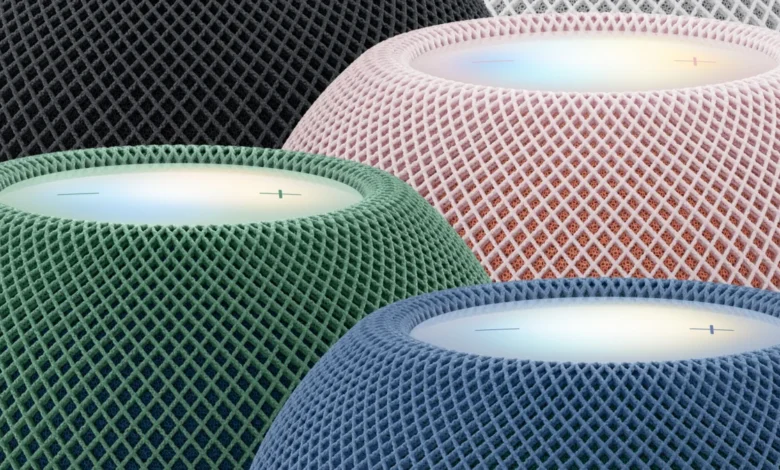
While the general form factor and silhouette of the HomePod mini 2 remain familiar, staying true to the compact, spherical aesthetic that defined the original 2020 release, the updated color implementation introduces a noticeable visual depth. According to the hands-on video, the most dramatic changes are visible within the pink, blue, and green colorways, where Apple has utilized contrasting inner and outer layers of mesh fabric to create a multi-dimensional look.
Decoding the Two-Tone Palette: Pink, Blue, and Green
The execution of the two-tone design varies significantly depending on the specific color option chosen by the buyer. For the pink HomePod mini 2, Apple has paired a soft, light pink outer mesh layer with a deeper, vibrant coral fabric underneath, giving the device a warm and dynamic appearance under varying lighting conditions.
Interestingly, the blue and green models feature an inverted relationship between their exterior and interior textiles. The blue HomePod mini 2 showcases a rich blue outer mesh that reveals a contrasting green fabric beneath its surface. Conversely, the green model reverses this combination, featuring a prominent green exterior layered over a blue inner fabric. This thoughtful interplay of colors provides a subtle color-shifting effect when viewed from different angles or in close proximity, a nuance that was largely absent from the uniform single-color mesh used on the original HomePod mini.
Meanwhile, the more conservative color options—midnight and white—also incorporate a refined dual-layer construction, though the visual contrast is notably more subdued. Rather than presenting a stark shift in hue, these neutral variants rely on subtle tonal variations to add depth, ensuring they blend seamlessly into professional and minimalist home environments while still benefiting from the updated manufacturing process.
The Evolution of Apple’s Smart Audio Lineup
The arrival of the HomePod mini 2 follows months of intense speculation and industry leaks. The device’s existence and upcoming release window were heavily signaled earlier in the fall, most notably through reports by Bloomberg’s Mark Gurman, who detailed Apple’s aggressive push into upgraded smart home hardware. Alongside the new HomePod mini, leaks pointed toward an expanded ecosystem that includes a redesigned Apple TV 4K and a dedicated smart home control hub tentatively referred to in early developer materials as "HomeView."
The original HomePod mini, introduced in November 2020 at a competitive $99 price point, proved to be a massive commercial success for Apple, effectively democratizing access to Siri-enabled home audio and Thread-based smart home integration. However, as the smart speaker market matured, consumer demand shifted toward devices that not only delivered superior acoustic performance and faster local processing for voice assistants but also offered greater aesthetic versatility to match contemporary interior design trends.
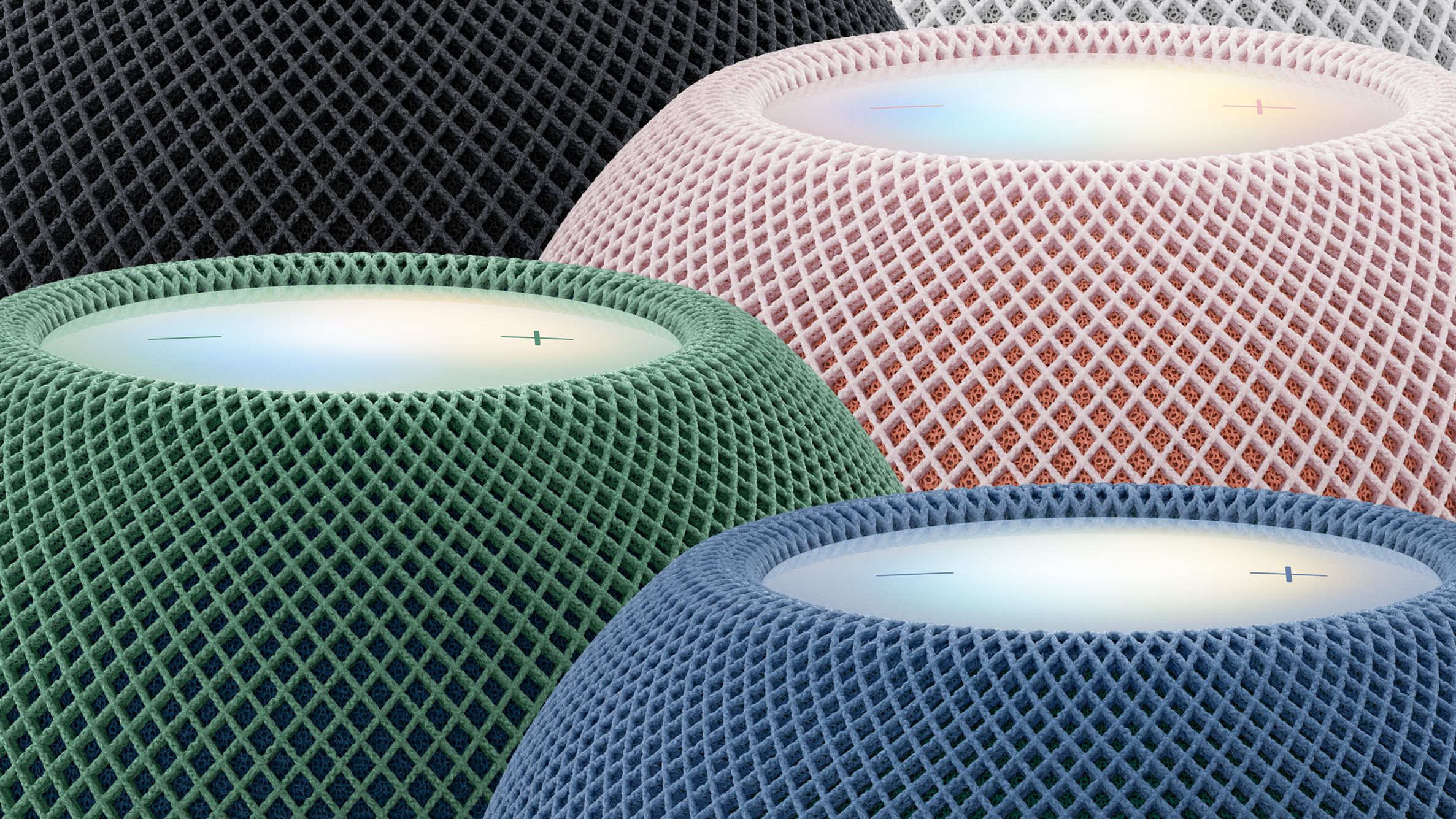
By introducing the two-tone fabric design, Apple appears to be addressing the aesthetic dimension of smart home technology, recognizing that speakers are frequently placed in prominent living spaces where home decor integration is paramount.
Chronology of the Launch: From Leaks to Shelves
The timeline leading up to the release of the HomePod mini 2 has moved at a brisk pace typical of Apple’s autumn hardware deployment strategy.
- Early October 2026: Industry reports and supply chain whispers coalesced around a mid-October product drop, with Bloomberg outlining Apple’s plans to refresh its core home entertainment and audio portfolio.
- Mid-October 2026: Anticipation mounted following widespread leaks detailing internal hardware upgrades designed to support advanced localized machine learning tasks and enhanced Siri capabilities, alongside faster chip architectures.
- Late October 2026: Apple officially confirmed retail availability, setting the stage for staggered Friday rollouts across international markets, beginning in the Asia-Pacific region before expanding to North America and Europe.
- October 29, 2026: Early creators and reviewers, including Craig’s Tech Talk, published comprehensive hands-on media, giving the public its first clear look at the nuanced physical changes, such as the two-tone fabric design.
- October 30, 2026: Official global launch day, with pre-ordered units arriving on doorsteps and retail stock becoming available in select Apple Store locations.
Technical Enhancements Beneath the Surface
Beyond the refreshed exterior textiles, industry analysts note that the HomePod mini 2 is engineered to meet the demands of an increasingly interconnected ecosystem. While maintaining the compact acoustic waveguide design that delivers surprisingly room-filling 360-degree sound from a small footprint, the second-generation device incorporates upgraded internal silicon.
This faster processing capability is widely understood to facilitate improved computational audio performance, faster response times for Siri queries, and more robust support for the Matter smart home standard and Thread networking protocols. As smart homes become more complex, reliance on local processing for privacy-focused voice recognition and device automation has become a central selling point for Apple’s hardware division. The inclusion of these hardware upgrades ensures that the smaller, more affordable speaker can keep pace with its larger sibling, the full-sized HomePod, in executing complex smart home routines.
Market Implications and Consumer Reception
The introduction of the HomePod mini 2 highlights Apple’s ongoing commitment to the smart home sector, a category that analysts have frequently identified as a crucial growth frontier for the company’s services and hardware ecosystem. By refreshing an established product with both internal performance upgrades and distinct exterior flourishes like the two-tone fabric, Apple aims to stimulate upgrade cycles among existing users while capturing new market share from competitors in the smart assistant space.
Consumer reception, as gauged by early social media commentary and YouTube reviews, has been largely positive. The addition of playful yet sophisticated color combinations—particularly the coral-backed pink and the inverted blue-and-green configurations—has resonated well with consumers looking to add a pop of color to their living spaces without sacrificing the premium build quality associated with the Apple brand.
As the first wave of devices reaches consumers in Australia, New Zealand, and subsequently across the globe, real-world testing will soon reveal whether the acoustic performance matches the visual promise of Apple’s latest hardware revision. For now, the HomePod mini 2 stands as a testament to Apple’s design philosophy: subtle, iterative refinement that elevates both form and function in everyday consumer technology.
Related posts: