NASA Unveils Flight Dynamics Research Facility Marking First New Wind Tunnel at Langley in Four Decades

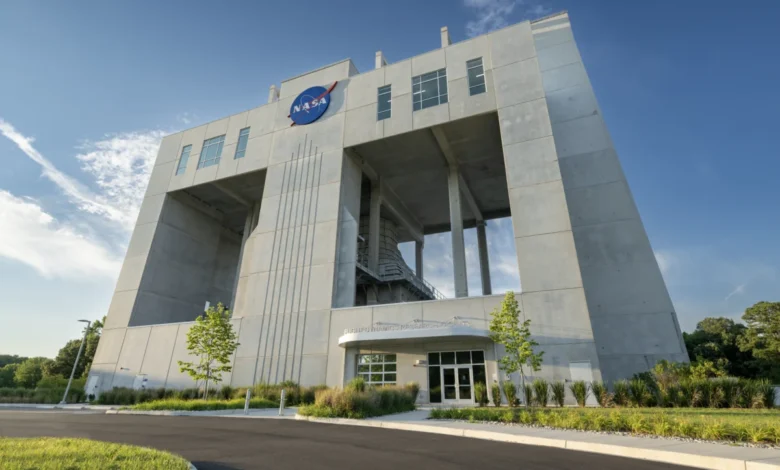
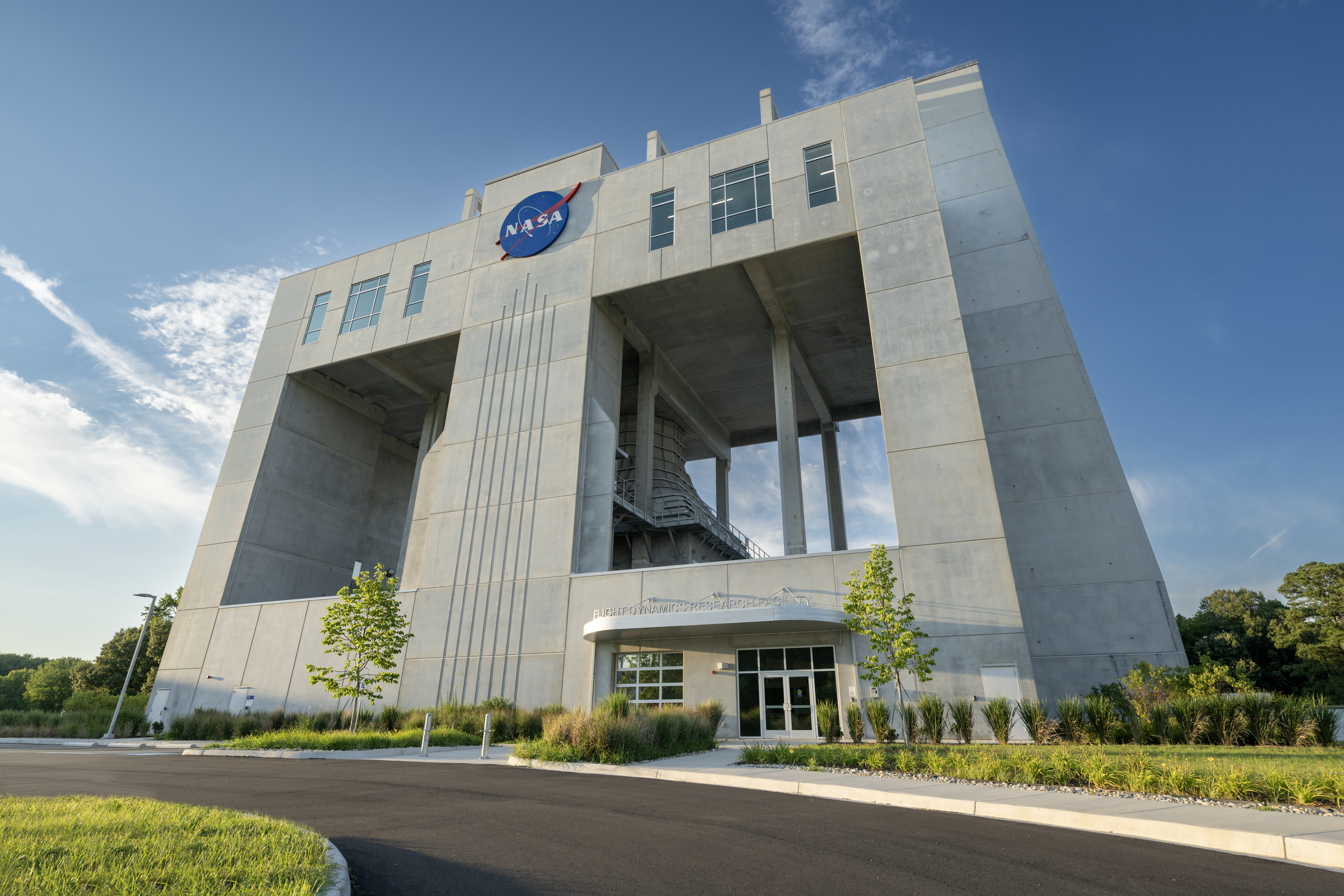
NASA Langley Research Center in Hampton, Virginia, will host a landmark ribbon-cutting ceremony and media tour on Friday, July 31, 2026, to celebrate the official opening of the Flight Dynamics Research Facility (FDRF). This state-of-the-art installation represents a pivotal moment for the agency, as it is the first new wind tunnel constructed at the historic Langley campus in more than 40 years. The facility is designed to serve as a cornerstone for the next century of aerospace innovation, providing critical data for everything from commercial aviation safety to the complex logistics of landing humans on the lunar surface.
The event marks the culmination of years of planning and construction, signaling a revitalized commitment to physical testing capabilities that complement modern digital modeling. While computational fluid dynamics (CFD) have advanced significantly, the physical testing provided by wind tunnels remains an indispensable requirement for validating the flight characteristics of new vehicle designs. The FDRF will specifically focus on the stability and control of aircraft and spacecraft, ensuring that the next generation of flight vehicles can operate safely in a variety of atmospheric conditions.
A New Era for NASA Langley Infrastructure
The Flight Dynamics Research Facility is a specialized vertical wind tunnel, a sophisticated piece of engineering that allows researchers to study the "free-flight" dynamics of scaled models. Unlike horizontal tunnels, which often fix models in place to measure lift and drag, vertical tunnels allow models to be dropped or launched into an upward-moving column of air. This enables scientists to observe how a vehicle spins, tumbles, or recovers from unstable flight attitudes—data that is vital for pilot safety and autonomous landing systems.
This new facility replaces several aging structures at Langley, some of which dated back to the World War II era. By consolidating these capabilities into a single, highly efficient building, NASA is not only increasing its research capacity but also significantly reducing its maintenance overhead and energy consumption. The FDRF is a flagship project within NASA’s broader strategy to modernize its centers, ensuring that the United States remains at the forefront of global aerospace technology.
The July 31 event will feature a formal ribbon-cutting ceremony followed by a guided tour of the facility. High-ranking NASA officials, aerospace engineers, and regional leaders are expected to attend. The media availability will provide insights into the technical specifications of the tunnel, including its advanced sensor arrays and the high-speed fan systems capable of simulating diverse flight environments.
Historical Context and the 40-Year Gap
To understand the significance of the FDRF, one must look at the history of wind tunnel research at Langley. Established in 1917 as the nation’s first civilian aeronautical laboratory, Langley has been the site of virtually every major breakthrough in flight. From the streamlining of early biplanes to the development of the "Area Rule" for supersonic flight, Langley’s tunnels have been the proving grounds for the "Right Stuff."
However, as the 20th century closed, the agency’s infrastructure began to age. The last major wind tunnel construction at Langley occurred in the early 1980s. Since then, the aerospace industry has undergone a radical transformation. The rise of drones, the development of electric vertical takeoff and landing (eVTOL) vehicles, and the push for deep-space exploration have created new demands that older facilities struggled to meet.
The 40-year gap in new tunnel construction was largely filled by maintaining and retrofitting existing structures. While effective, these legacy systems often lacked the integrated digital telemetry and rapid-reconfiguration capabilities required for modern research. The FDRF bridges this gap, offering a 21st-century platform that integrates seamlessly with digital twin technology and high-performance computing.
Supporting the Artemis Program and Lunar Exploration
One of the primary drivers behind the construction of the FDRF is NASA’s ambitious Artemis program. Unlike the Apollo missions of the 1960s and 70s, Artemis aims to establish a sustained human presence on the Moon, which requires a new fleet of landing craft, ascent vehicles, and orbital modules.
The FDRF will play a critical role in testing the Entry, Descent, and Landing (EDL) profiles for these vehicles. Landing on the Moon—or eventually Mars—presents unique aerodynamic challenges. Even in thin atmospheres or vacuum conditions, the transition from orbital speeds to a controlled touchdown involves complex physics. The vertical orientation of the FDRF is ideal for testing the parachutes, retro-rockets, and stabilization fins that will be used to bring astronauts safely to the lunar South Pole.
Furthermore, the facility will support the development of a permanent Moon Base. Transporting heavy infrastructure to the lunar surface requires massive cargo landers. These "heavy-lift" vehicles must be tested for aerodynamic stability during their descent through Earth’s atmosphere (during launch testing) and their simulated arrival on other celestial bodies. The data gathered at the FDRF will directly inform the design of the Human Landing System (HLS), ensuring that the craft remains stable even if it encounters unexpected turbulence or mechanical anomalies.
Advancing Aeronautics and Sustainable Flight
Beyond space exploration, the FDRF is set to revolutionize terrestrial aviation. NASA’s aeronautics research is currently focused on the "Sustainable Flight Demonstrator" project, which seeks to reduce the carbon footprint of the global aviation industry. New wing designs, such as the Transonic Truss-Braced Wing (TTBW), require extensive testing to ensure they do not suffer from "flutter" or other structural instabilities at high speeds.
The facility will also be a hub for Advanced Air Mobility (AAM) research. As cities prepare for the introduction of air taxis and delivery drones, the FDRF will provide the testing ground for these vehicles’ flight dynamics. Because many of these new aircraft use multi-rotor configurations and transition between vertical takeoff and horizontal flight, understanding their stability in the "transition zone" is paramount. The FDRF’s ability to simulate these movements in a controlled vertical environment will be essential for the Federal Aviation Administration (FAA) to certify these new technologies for use over populated areas.
Technical Specifications and Capability Enrichment
The FDRF is not merely a replacement for old tunnels; it is a significant technological leap forward. The facility features:
- High-Fidelity Instrumentation: The tunnel is equipped with non-intrusive laser diagnostic tools that can map airflow around a model in three dimensions without interfering with the data.
- Rapid Prototyping Integration: The facility is designed to work in tandem with Langley’s 3D-printing labs, allowing engineers to test a design, modify the digital file, print a new model, and re-test it within a matter of days.
- Variable Airflow Control: Advanced motor drives allow for precise control over air speed, enabling the simulation of everything from a gentle hover to high-velocity descents.
- Enhanced Safety Protocols: The facility includes modern capture nets and soft-landing systems for models, ensuring that expensive, sensor-laden test units can be reused multiple times.
By providing more accurate data more quickly, the FDRF reduces the overall cost of aerospace development. In the traditional design cycle, discovering a stability flaw late in the process could cost millions of dollars and years of delays. The FDRF allows these issues to be identified and corrected in the early design phase.
Strategic Implications and National Security
The opening of the FDRF also has broader implications for national security and economic competitiveness. As other nations, particularly China and members of the European Union, invest heavily in their own aerospace infrastructure, the FDRF ensures that the United States maintains its "center of excellence" status in aeronautics.
The facility will be available for use by commercial partners through Space Act Agreements. Companies like Boeing, Lockheed Martin, and emerging NewSpace startups will be able to leverage NASA’s expertise and the FDRF’s unique capabilities to sharpen their competitive edge. This public-private synergy is a cornerstone of the modern American aerospace economy, fostering innovation that eventually trickles down to commercial travel and logistics.
Event Logistics and Media Participation
NASA has issued specific guidelines for media representatives wishing to attend the July 31 ceremony. Due to the sensitive nature of the research conducted at Langley, the event is open only to United States citizens and lawful permanent residents. Accreditation must be completed by 5 p.m. EDT on Wednesday, July 29.
The tour will offer a rare look at the interior of the wind tunnel and the control rooms where engineers monitor real-time data. Speakers at the event will include project managers from the Flight Dynamics Research Facility and representatives from the NASA Aeronautics Research Mission Directorate. These experts will be available to discuss how the facility fits into the agency’s 20-year roadmap for exploration and climate-friendly aviation.
Conclusion: A Legacy Continued
As the ribbon is cut on July 31, it will represent more than just the completion of a construction project. It will represent the continuity of a legacy that began with the dawn of flight. The Flight Dynamics Research Facility stands as a testament to the idea that even in an era of digital dominance, the physical laws of motion and fluid dynamics must be tested, measured, and mastered.
With the Artemis missions on the horizon and a revolution in green aviation underway, the FDRF arrives at a critical juncture. It will be the place where the spacecraft of the 2030s are perfected and where the air taxis of the 2040s are proven safe. For the engineers at NASA Langley, the message is clear: the future of flight has a new home, and it is ready for takeoff.
Related posts: