CT scans unlock the 400-year-old mystery of the Ann Francis shipwreck brass combination lock

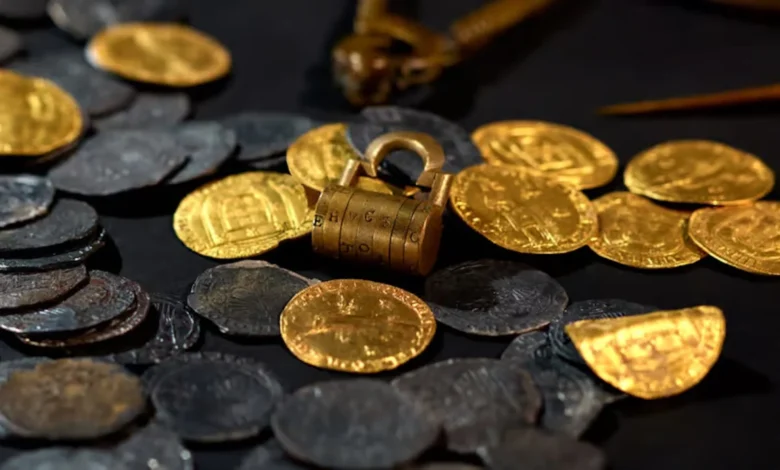
The maritime history of the 16th century has been illuminated by a breakthrough in modern forensic technology, as researchers from Cardiff University and Amgueddfa Cymru, the National Museum of Wales, successfully deciphered a combination lock recovered from the wreckage of the merchant vessel Ann Francis. The brass artifact, which has remained locked and silent for over four centuries, was opened not through physical manipulation—which risked destroying the delicate, salt-encrusted relic—but through the application of advanced micro-computed tomography (micro-CT) scanning. By generating high-resolution, three-dimensional internal maps of the lock’s mechanical tumblers, experts were able to isolate the four-letter combination: A-N-C-E.
A Maritime Tragedy of the Elizabethan Era
The story of the Ann Francis begins in the turbulent winter of 1583. On December 28, the ship was returning to Wales from a trade mission in Spain, carrying a valuable cargo of currency and high-status goods. According to historical accounts and recovered archival data, the vessel encountered a catastrophic storm in the Bristol Channel. Despite the crew’s best efforts to navigate the treacherous coast of southern Wales, the ship was driven off course, ultimately foundering in the surf.
The loss was total. Records indicate that approximately 14 crew members perished in the freezing waters. In an era where maritime disasters were frequently attributed to supernatural intervention rather than meteorological events, the sinking of the Ann Francis sparked intense local hysteria. Historical documents from the period describe the persecution of a woman named Mother Gabley, who was accused by local villagers of using witchcraft to summon the storm that destroyed the ship. The "Act Against Conjurations, Enchantments and Witchcrafts," a piece of legislation passed during the reign of Elizabeth I, provided the legal framework under which such individuals could be prosecuted. While the ultimate fate of Mother Gabley remains a historical ambiguity, the accusations reflect the desperation and fear that characterized coastal communities following such maritime tragedies.
Rediscovery and Archaeological Significance
For 415 years, the remains of the Ann Francis lay buried beneath the shifting sands of Margam Beach, obscured from history. It was not until 1998 that the site was brought to the attention of the archaeological community by Peter Hughes, a metal detectorist who identified anomalies in the seabed while surveying the coastline.
The subsequent two decades saw a painstaking, systematic excavation led by maritime archaeologists and preservationists. The site proved to be an invaluable time capsule. By 2017, the team had cataloged more than 800 gold and silver coins originating from various European mints, including Spain, Portugal, and Germany. These coins were accompanied by a suite of personal and nautical artifacts, such as compasses, cutlery, and navigational instruments.
The brass combination lock, however, stood out as the most enigmatic piece of the collection. Combination locks from the Elizabethan era are exceptionally rare, and the state of preservation of this specific specimen—despite centuries of immersion in seawater and sediment—is considered a benchmark for nautical archaeological conservation.
The Methodology of Digital Unlocking
The decision to utilize non-invasive imaging was driven by the structural fragility of the device. Conventional locksmithing techniques would have required applying torque to mechanisms that had been seized by mineral deposits and oxidation for centuries.
David Williams, a biomechanics engineer at Cardiff University, led the effort to visualize the lock’s interior. Using micro-CT technology, which is traditionally reserved for medical diagnostics or industrial non-destructive testing, the team captured thousands of X-ray projections. These were reconstructed into a digital model that allowed researchers to "see" through the brass casing.
"It is not every day that you have the opportunity to solve a mystery that has been sealed for 400 years," Williams stated. "By creating a detailed 3D image of the internal mechanism, we were able to observe exactly how the internal notches aligned with the exterior letter dials. This allowed us to identify the specific configuration required to open the device without ever applying physical pressure to the artifact."
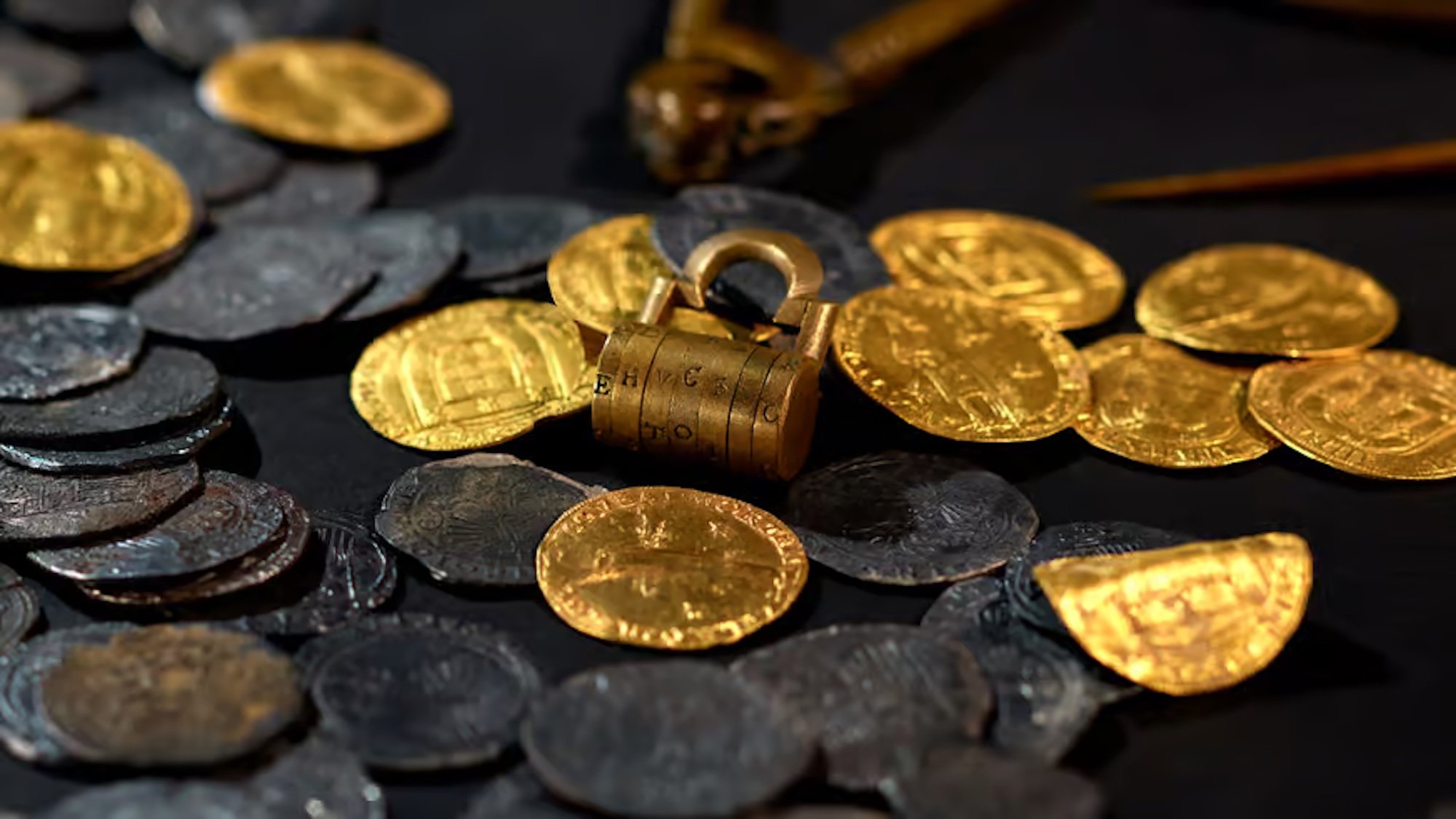
The reveal of the code "ANCE" has provided a sense of closure to the curatorial team, yet it has opened a new avenue of inquiry for historians. The code may hold specific significance—perhaps acting as a mnemonic device for the owner or a reference to a family name or location—though its exact origin remains a subject of ongoing study.
The Broader Implications for Maritime Archaeology
The successful opening of the Ann Francis lock serves as a significant case study for the application of high-tech digital forensic tools in historical research. In the past, the "black box" nature of sealed containers recovered from shipwrecks often meant that researchers had to choose between leaving an item unopened or risking damage to the object during exploration.
Alastair Willis, senior numismatics curator at Amgueddfa Cymru, emphasized the rarity of the find. "Elizabethan combination locks are known in the British record, but to find one in such excellent condition, associated with a precisely dated shipwreck, is a rare intersection of archaeology and material science," Willis remarked. "The code itself is a tantalizing mystery. Does it relate to the ship’s manifest? Is it a personal reference? These are the questions that now drive the next phase of our research."
The implications of this project extend beyond the specific lock. As scanning technology becomes more accessible and portable, the standard for "excavation" is evolving. Museums and academic institutions are increasingly moving toward a "digital-first" approach for sensitive artifacts, ensuring that cultural heritage is documented in high fidelity before any physical intervention is considered.
Contextualizing the Elizabethan Economy
The wealth recovered from the Ann Francis provides a window into the late 16th-century European trade network. The presence of coins from Germany, Spain, and Portugal suggests that the ship was a participant in the complex, interconnected mercantile economy that spanned the Atlantic.
Historians analyzing the find point out that the possession of such a lock suggests that the owner was likely a person of status or a merchant tasked with safeguarding valuable commodities. The juxtaposition of the advanced security mechanism—which would have been high-end technology for its day—with the brutal, unpredictable reality of 16th-century sea travel highlights the risks associated with the era’s global trade.
Conclusion and Future Research
As the research team at Cardiff University continues to analyze the metadata associated with the Ann Francis, the focus will shift toward the preservation of the physical lock and the integration of the findings into the broader narrative of Welsh maritime history. The lock will likely be featured in upcoming exhibitions at the National Museum of Wales, serving as a focal point for discussions on the intersection of human ingenuity, historical tragedy, and modern technology.
While the "ANCE" combination has been cracked, the human stories associated with the Ann Francis continue to unfold. Through the combination of rigorous archaeological fieldwork and the precision of 21st-century imaging, the silence of the 16th-century wreckage has finally been broken. The mystery of the ship may have started with a storm and a false accusation of witchcraft, but it ends with a triumph of scientific inquiry, ensuring that the legacy of those who perished at sea is preserved with the dignity and accuracy they deserve.
For historians, the lesson is clear: even after four centuries, the past is not truly lost; it is simply waiting for the right tools to bring it back into focus. The Ann Francis project stands as a testament to the fact that when technology meets history, even the most stubborn locks can be made to yield their secrets.
Related posts: