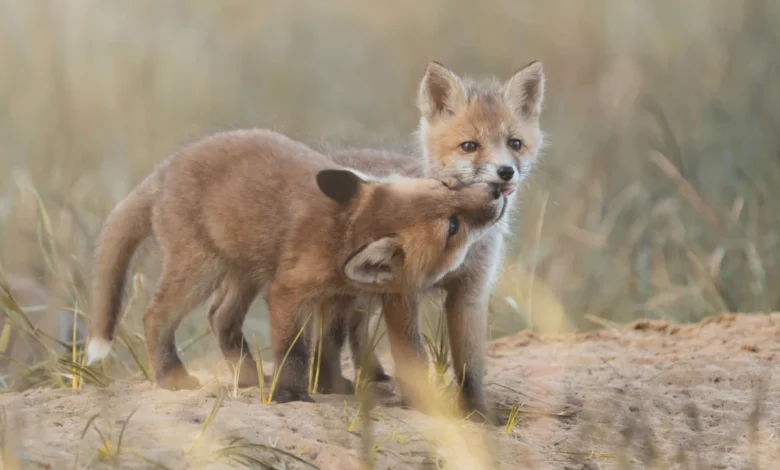
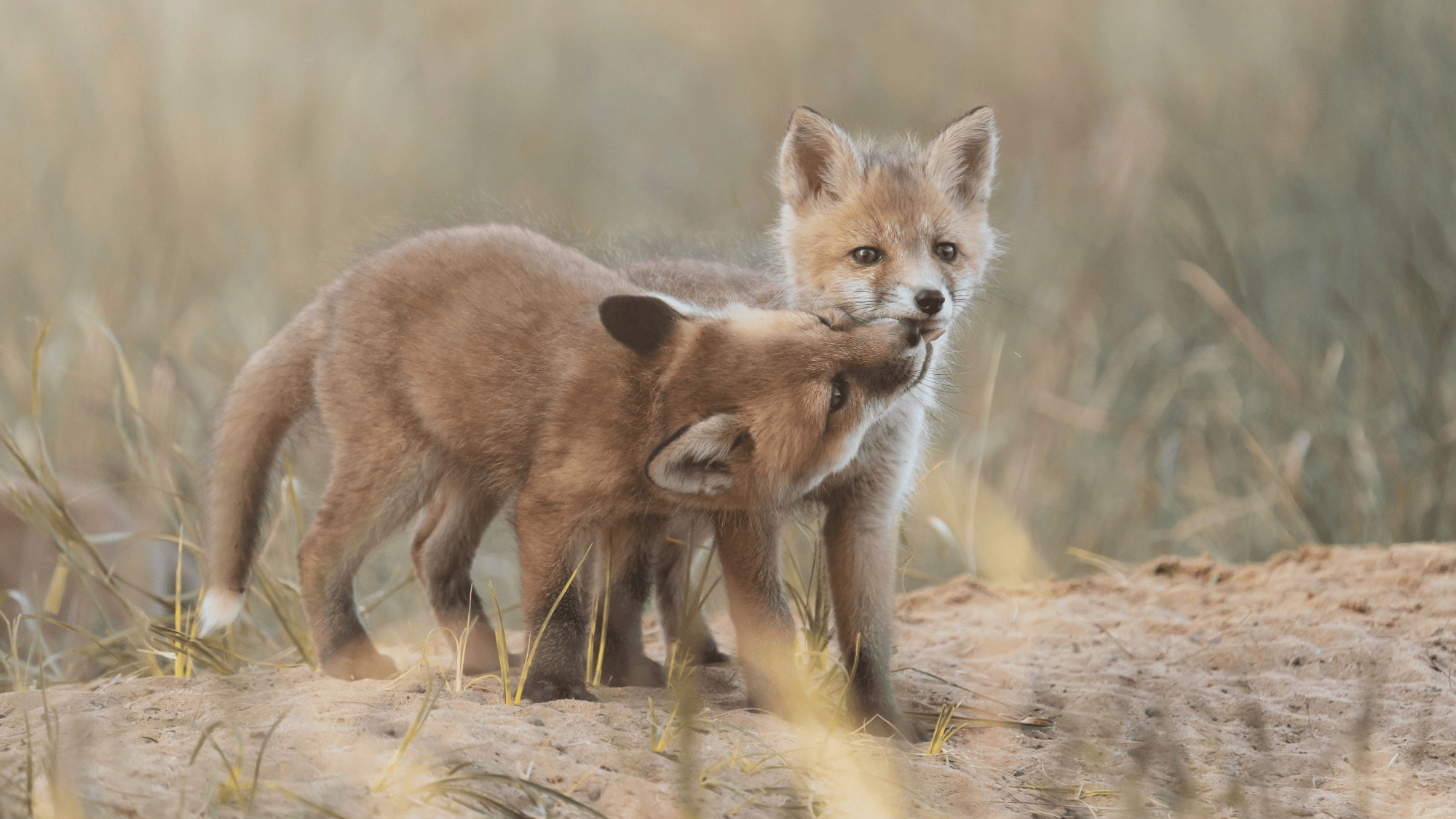
In the remote, windswept reaches of the Texas Panhandle, a novel conservation experiment is underway that pits one of the oldest forms of agricultural protection against a modern ecological crisis. At the Rita Blanca National Grasslands, researchers and cattle producers are testing whether livestock guardian dogs (LGDs)—traditionally used to protect sheep and calves from predators—can double as sentinels for the swift fox (Vulpes velox). This diminutive predator, which stands roughly the size of a common house cat, is currently fighting for its survival in the Lone Star State, where its population has dwindled to fewer than 250 individuals.
The swift fox once roamed the vast shortgrass prairies stretching from the southern reaches of Texas to the northern provinces of Alberta, Canada. Today, however, the species occupies less than 40 percent of its historic range. In Texas, the population is restricted to Dallam County, making the area a critical battleground for biodiversity. The primary driver of this decline is not habitat loss alone, but an ecological imbalance where larger predators, particularly coyotes, have thrived by exploiting changes in the landscape.
The Ecological Conflict in the Panhandle
The decline of the swift fox is deeply tied to the alteration of the prairie ecosystem. As woody vegetation and taller grasses have encroached upon the once-shortgrass prairie, coyotes have gained a tactical advantage. These larger canids utilize the cover of thicker vegetation to stalk prey and navigate the landscape, inadvertently placing the swift fox—a specialist of open, short-visibility terrain—at a severe disadvantage.
"The swift fox relies on the shortgrass prairie ecosystem once found across the Panhandle and into western Texas," explains Haley Sloan, a doctoral student at Texas A&M University who is spearheading the study. "Coyotes can take advantage of the cover provided by the taller vegetation that has grown into these areas, resulting in coyote predation being a leading cause of mortality in swift fox populations."
The swift fox is biologically ill-equipped to compete with the coyote. Weighing in at only five to seven pounds, these foxes are opportunistic feeders, surviving primarily on a diet of insects, small rodents, and native plants. They do not pose a threat to agricultural interests, making them essentially "invisible" to the livestock producers who work the land. However, their survival remains inextricably linked to the behavior of the very predators that often plague local ranchers.
A Three-Year Chronology of the Project
The current initiative, which began in earnest earlier this year, represents a multi-year effort to reconcile ranching practices with wildlife conservation. The project follows a structured timeline designed to gather precise, empirical data on predator-prey dynamics:
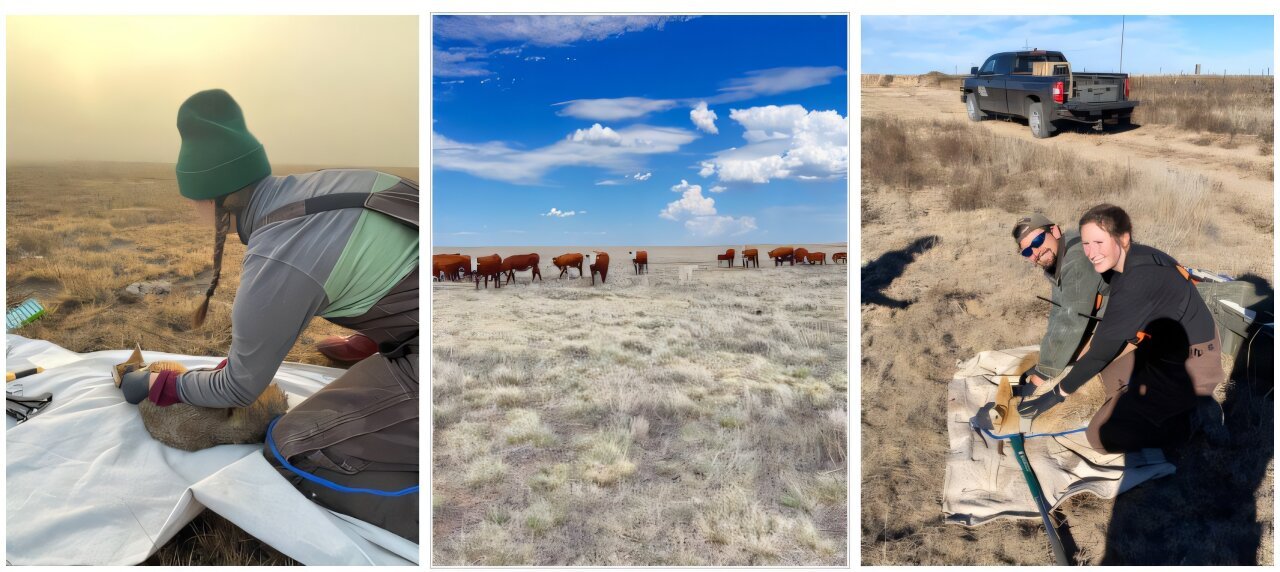
- Pre-Project Baseline (Early 2026): Researchers conducted a comprehensive census of the local predator population. Before the introduction of the guardian dogs, the team fitted both swift foxes and coyotes with high-resolution GPS tracking collars. This data was essential to establish a baseline for how coyotes utilized the landscape and where they typically hunted in relation to the fox dens.
- Implementation (Summer 2026): Livestock guardian dogs were introduced to the cattle herds on the Rita Blanca National Grasslands. These dogs, chosen for their protective instincts and territorial nature, were integrated into the grazing rotation to act as a deterrent against coyote encroachment.
- Active Monitoring (Fall 2026–2028): The study is currently in its active data-collection phase. Researchers are monitoring whether the presence of the dogs alters the spatial behavior of coyotes, effectively creating "safe zones" where the smaller foxes can hunt and raise their kits without the constant threat of predation.
Evaluating the Potential for Coexistence
The hypothesis driving the study is centered on the concept of "landscape of fear." By introducing a larger, territorial canine presence into the grazing lands, researchers hope to shift the coyotes’ movement patterns. If coyotes learn to avoid areas patrolled by the LGDs, those vacated territories could provide the necessary refuge for the swift fox population to stabilize and potentially expand.
This approach offers a dual benefit for the region. For the rancher, the presence of these dogs acts as an effective non-lethal deterrent against calf predation, particularly during the vulnerable calving season when newborns are most susceptible to coyote attacks. If the project succeeds in reducing calf losses while simultaneously protecting the swift fox, it could provide a scalable model for conservation in other parts of the Great Plains.
"The hope is that the dogs’ presence will deter coyotes, thereby reducing swift fox mortality and allowing the foxes to start using areas where the coyotes are being excluded," Sloan noted in recent field briefings.
Preliminary Outcomes and Stakeholder Perspectives
While the project is still in its infancy, early reports from the field are encouraging. The livestock producer participating in the Texas A&M study has reported no calf losses since the introduction of the dogs. For the research team, this serves as a positive indicator that the dogs are maintaining a perimeter that is sufficient to protect both the herd and the surrounding wildlife.
The implications for this research extend far beyond the borders of Dallam County. If successful, this study could reshape the relationship between the agricultural industry and wildlife management. Historically, predator control has often relied on lethal methods, which can have cascading and unpredictable effects on the broader ecosystem. By using livestock guardian dogs, researchers are exploring a strategy that relies on natural territorial behavior to restore ecological balance.
Broader Implications for Prairie Conservation
The survival of the swift fox is an indicator of the health of the shortgrass prairie. As a keystone species of the grassland, the fox plays an important role in controlling insect and rodent populations. Its disappearance would signal a significant loss of biological integrity in one of North America’s most threatened ecosystems.
The Texas A&M project is part of a wider, ongoing effort to prevent the swift fox from needing federal protection under the Endangered Species Act. By identifying practical, land-use-friendly solutions, conservationists hope to avoid the more stringent and potentially restrictive regulations that often accompany federal listing.
Furthermore, the study highlights the importance of working with, rather than against, the agricultural community. By demonstrating that conservation efforts can provide tangible benefits to producers—such as reduced livestock predation—the project creates a powerful incentive for continued stewardship of the land.
As the study continues through 2028, the team will continue to analyze the GPS data to determine if there is a statistically significant correlation between the movement of the guardian dogs and the survivability of the local fox population. While it is too early to declare victory, the project represents a sophisticated, data-driven approach to one of the most complex challenges in modern conservation: how to allow wild species to thrive in a landscape dominated by human industry.
For now, the dogs are doing their jobs, and the quiet, nocturnal world of the swift fox in the Texas Panhandle remains, for the moment, a little bit safer. The integration of technology—in the form of GPS collars—with traditional animal husbandry offers a glimpse into a future where agriculture and wild conservation might find a sustainable, shared path forward.
Related posts: