Motorola MA2 wireless Android Auto adapter disappears from Amazon shortly after long-awaited launch

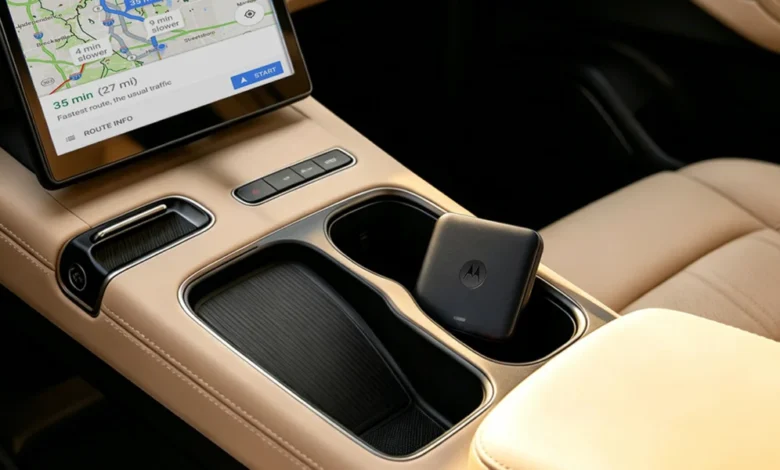
The debut of the Motorola MA2 wireless Android Auto adapter has hit an unexpected speed bump, as the highly anticipated device has vanished from Amazon’s storefront just days after its initial retail rollout. For thousands of consumers who have been waiting for a successor to the industry-standard MA1, the sudden unavailability of the product marks a frustrating interruption in a product lifecycle that has been years in the making. While the official Amazon listing remains technically active, the device has been scrubbed from search results, and interested buyers are currently greeted with a "currently unavailable" notice, signaling that the initial batch of inventory has been entirely exhausted.
A Long-Awaited Sequel
The Motorola MA2 was designed in close collaboration with Google, positioning itself as the premium successor to the MA1. The original MA1 adapter, which launched in early 2022, was a watershed moment for the Android ecosystem. At the time, the vast majority of vehicle infotainment systems required a physical USB cable connection to trigger Android Auto, a cumbersome process that hindered the convenience of the platform. The MA1 provided a plug-and-play solution, effectively retrofitting older vehicles with wireless capabilities.
Expectations for the MA2 were immense. When the device was first announced in March 2026, it was heralded as a significant upgrade, promising improved connection stability, faster handshake protocols, and a more robust hardware design. The announcement effectively reset market expectations for what a dongle-based solution could achieve, particularly as more manufacturers began integrating wireless Android Auto natively into newer vehicles. However, the gap between the initial announcement in March 2026 and the product’s actual market release in November 2026—a duration of eight months—only served to heighten consumer demand and build a backlog of prospective buyers.

Chronology of the MA2 Launch
The timeline of the MA2’s arrival is indicative of the current complexities in global consumer electronics supply chains.
- March 2026: Motorola officially announces the MA2 adapter during a major product showcase, highlighting refined internals and enhanced compatibility.
- April–October 2026: Throughout the spring and summer, prospective users track regulatory filings and occasional leaks, as the release date is pushed back multiple times due to what industry analysts suggest were global component shortages.
- November 11, 2026: The MA2 finally makes its retail debut on Amazon. Within hours, the product trends across tech forums and social media, with early adopters reporting successful orders.
- Mid-November 2026: Following a rapid sell-through of the initial stock, the Amazon listing is removed from search visibility. Customers who managed to place orders receive delivery estimates for mid-to-late December, suggesting that the initial units were likely in transit to regional fulfillment centers at the time of the sale.
Supply Chain Realities and Inventory Management
The disappearance of the MA2 from Amazon is not an unprecedented event in the consumer tech space. In fact, it is a common phenomenon when dealing with highly anticipated hardware. Logistics experts note that when a product is listed on a platform like Amazon while inventory is still in transit, the system may show a "sold out" status once the allocated units are reserved, even if the physical stock has not yet reached the warehouse.
For Motorola, the challenge lies in balancing the intense pent-up demand with the reality of production output. The semiconductor industry continues to face fluctuations in the availability of wireless connectivity chips—the very components that make devices like the MA2 possible. If Motorola overestimated the volume of units available for the initial launch, the current scarcity is a direct reflection of a bottleneck between the factory floor and the final customer.
Market Context and Consumer Impact
The market for wireless Android Auto adapters is significantly more competitive in 2026 than it was when the MA1 debuted. Numerous third-party manufacturers have flooded the market with inexpensive, generic wireless dongles. While many of these products offer similar functionality, they often suffer from connection drops, poor firmware support, and compatibility issues with specific car head units.

The Motorola MA2 occupies a "premium" segment because of its official branding and the implied quality control associated with a partnership with Google. For many users, the choice to wait for the MA2 over a generic competitor is driven by the need for reliability. When a user is driving, the last thing they want is a connection failure that disrupts navigation or music streaming. The temporary unavailability of the MA2, therefore, leaves a segment of the market in limbo, forcing them to either wait for a restock or risk purchasing a less reliable alternative.
Implications for Future Hardware Rollouts
The handling of this rollout offers a case study in modern product launches. When a company announces a product months in advance, they risk "vaporware" criticism. Conversely, by launching with limited stock, they risk alienating the most loyal customers who are ready to buy at the first sign of availability.
The strategy of listing the product before it is physically in the warehouse is designed to capture market interest and secure pre-orders. However, this creates a high-pressure environment for the logistics department. If Motorola is unable to replenish stock by the late December window currently estimated on remaining pending orders, they risk a significant dip in consumer confidence. This could be exacerbated by the holiday shopping season, where demand for car accessories typically peaks.
Industry Outlook: What Comes Next?
Industry analysts suggest that Motorola is likely prioritizing a phased rollout. By releasing in smaller batches, they can monitor the device’s performance in the field, collect data on any potential firmware bugs, and address them before a wider, more saturated market release. This is a common practice among major hardware manufacturers to mitigate the risk of mass returns or negative reviews resulting from a "day-one" hardware flaw.

Furthermore, the integration of wireless Android Auto is becoming a standard feature in most new vehicles sold in 2026. This means that the target demographic for the MA2 is slowly shrinking over time, as older vehicles are replaced by newer models that do not require an adapter. Consequently, the MA2 represents a "bridge" product—a highly necessary tool for a specific window of time.
For the average consumer currently watching the Amazon listing, the best course of action is patience. The disappearance of the product is almost certainly a logistical adjustment rather than a cancellation. Given the significant investment in the product’s development and marketing, Motorola is unlikely to abandon the project after such a successful initial launch.
Final Assessment
The Motorola MA2 remains one of the most significant peripheral launches of the year for Android users. Despite the frustration surrounding its current out-of-stock status, the device’s strong reception underscores the ongoing need for seamless wireless integration in the automotive sector. As the company works to replenish inventory, the focus will shift to whether the hardware can live up to the high expectations set by its predecessor. For now, the "disappearance" of the MA2 is simply a symptom of a product that arrived to a market hungrier than the supply chain could immediately satisfy.
Market observers and potential buyers should monitor official Motorola channels and the Amazon listing closely in the coming weeks. If history is any indicator, the return of the MA2 will be accompanied by a clearer timeline for consistent, long-term availability, provided that the current production hurdles are cleared. Until then, the MA2 remains a testament to both the high demand for modernizing older vehicle technology and the logistical hurdles inherent in global hardware distribution.