Man of Tomorrow: Everything We Know About James Gunn’s Final DCU Masterpiece Amid Studio Overhauls

The landscape of modern cinematic universes is shifting once again, bringing significant changes to the trajectory of superhero franchises on the big screen. As the corporate restructuring under Skydance’s merger with Warner Bros. and Paramount continues to ripple through Hollywood, DC Studios finds itself at a major crossroads. James Gunn’s ambitious introductory chapter for the refreshed DC Universe (DCU), officially titled "Gods and Monsters," is drawing toward a definitive conclusion. Amid leadership shakeups that have seen both Gunn and Peter Safran exit their executive posts, the upcoming sci-fi epic "Man of Tomorrow" has emerged as a bittersweet milestone. Serving as both the direct sequel to 2025’s "Superman" and the final feature film under Gunn’s initial curatorial vision, the movie carries immense weight for comic book enthusiasts and industry analysts alike.
As production progresses toward its highly anticipated theatrical window, "Man of Tomorrow" stands as a testament to the grand scale Gunn envisioned for the DCU. Scheduled to hit theaters in the United States on July 9, 2027, the project is positioned precisely two years after the box office debut of Clark Kent’s cinematic re-emergence. While the overarching strategy of the franchise has faced sudden realignment following corporate leadership changes, studio executives have guaranteed that Gunn’s final directorial venture in the universe will receive a full, uncompromised theatrical release.
Production Timeline and Corporate Context
The journey toward "Man of Tomorrow" has been defined by rapid development and high-stakes corporate maneuvering. Following the successful theatrical launch and subsequent box office stabilization of 2025’s "Superman," Warner Bros. Pictures and DC Studios swiftly greenlit a follow-up, aiming to maintain momentum for a shared narrative universe. James Gunn immediately locked himself in to write and direct the sequel, maintaining the intensely hands-on approach that characterized his work on the Marvel Cinematic Universe’s "Guardians of the Galaxy" trilogy as well as the inaugural DCU projects.
However, the broader corporate environment surrounding DC Studios experienced a dramatic upheaval in late 2026. The acquisition and restructuring led by Skydance initiated a comprehensive review of long-term intellectual property strategies. This corporate realignment resulted in the departure of James Gunn and Peter Safran from their executive oversight roles at DC Studios. Despite these executive exits, industry reports confirmed that Gunn’s completed script and directorial vision for "Man of Tomorrow" remained entirely intact. Warner Bros. opted to preserve Gunn’s final cut, ensuring the picture would fulfill its planned theatrical distribution schedule without studio-mandated reshoots altering its core narrative trajectory.
Narrative Scope and the Introduction of Brainiac
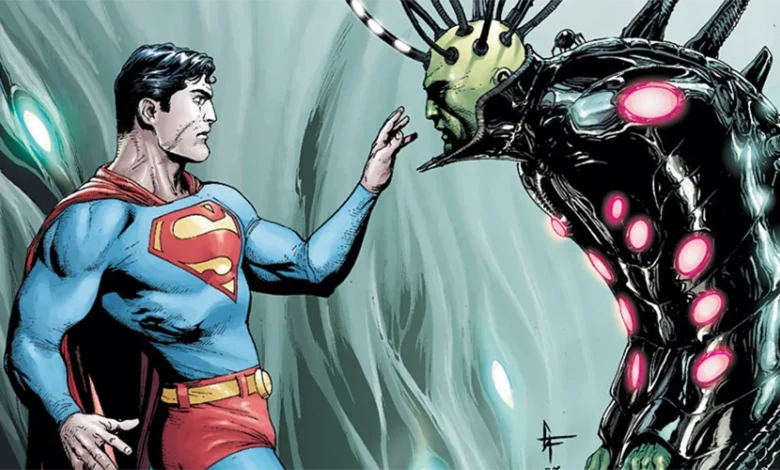
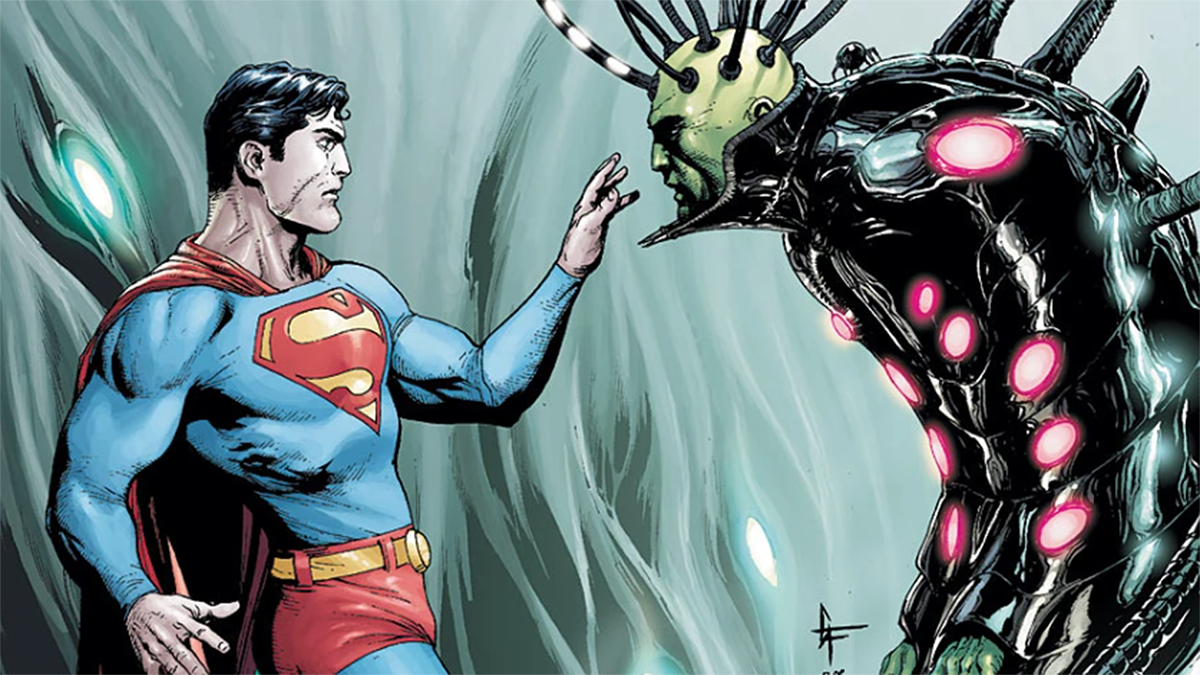
Moving away from the terrestrial and localized political conflicts of the first film, "Man of Tomorrow" broadens its horizon by introducing one of the most formidable extraterrestrial threats in DC Comics history: Brainiac. Studio confirmations have established the super-intelligent, techno-organic alien from the planet Colu as the primary antagonist of the narrative. Known for his obsessive desire to catalog and absorb all universal knowledge—often by shrinking and bottling entire cities before destroying their parent worlds—Brainiac provides a stark contrast to previous cinematic foes.
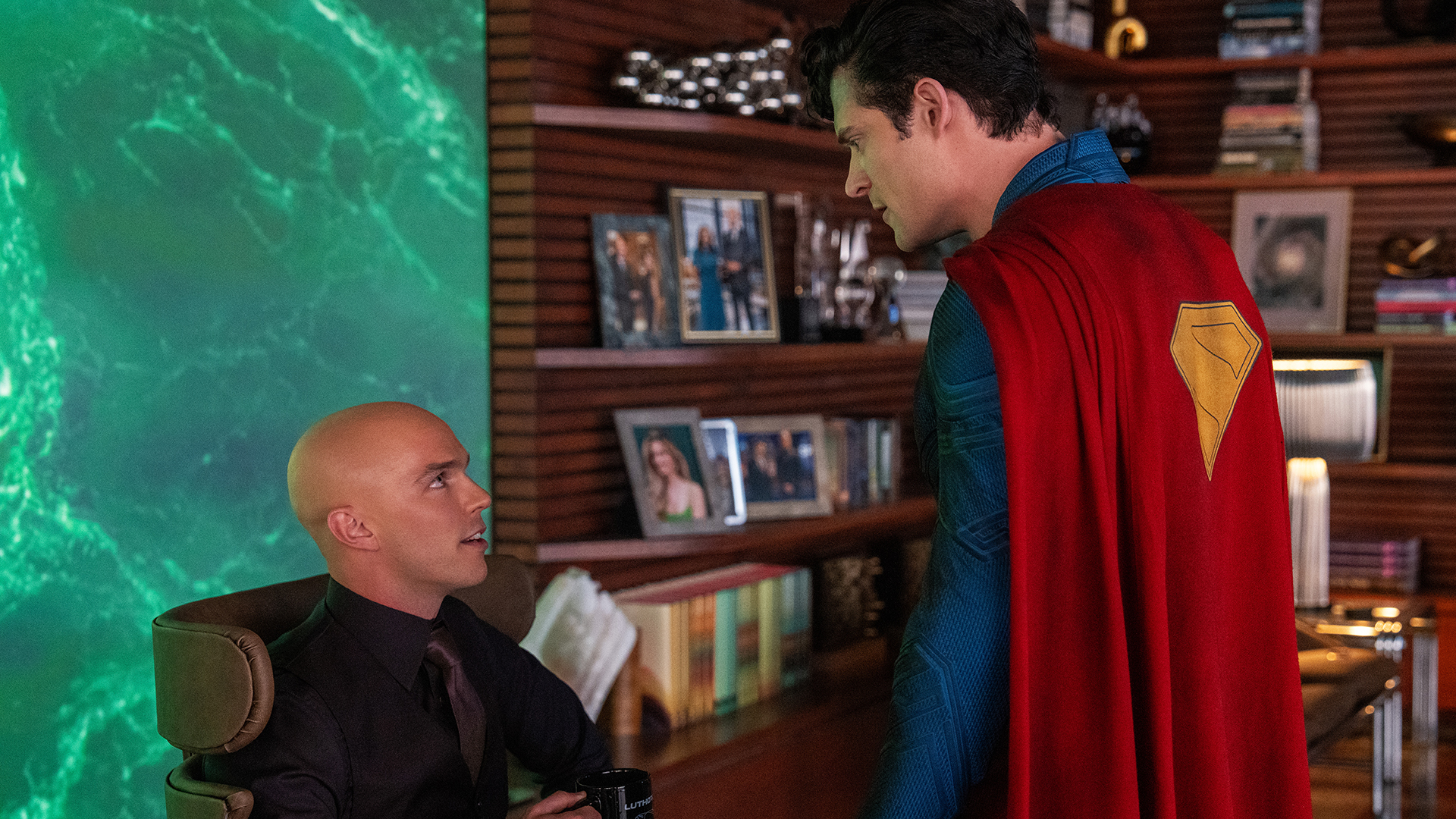
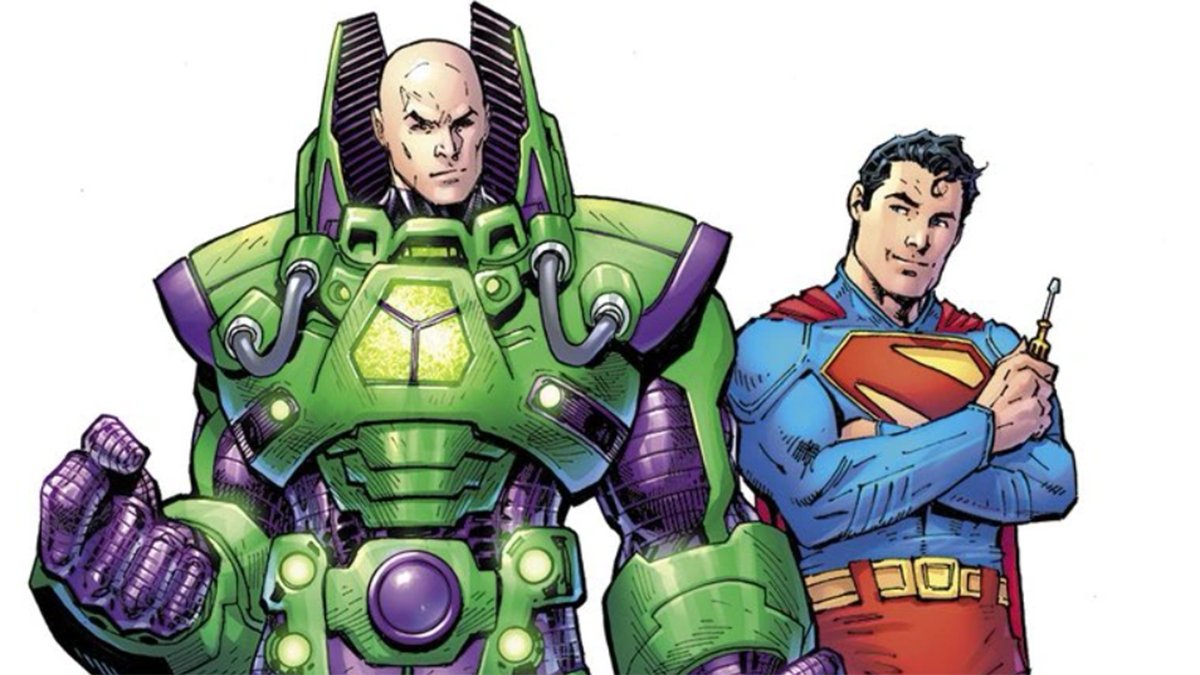
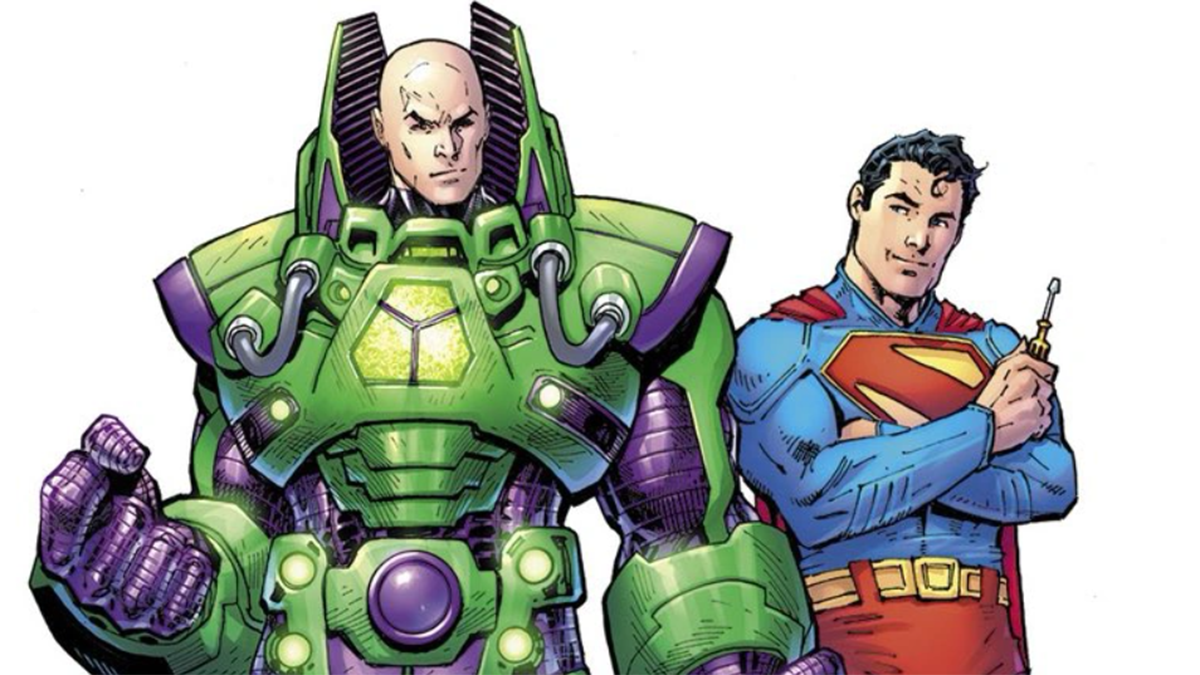
The inclusion of Brainiac naturally elevates the stakes, requiring a sprawling ensemble cast rather than a solo confrontation. Narrative details indicate that the film will utilize a complex "enemies-to-allies" dynamic, forcing Clark Kent (David Corenswet) into an uncomfortable, reluctant alliance with his archenemy, Lex Luthor (Nicholas Hoult). Given that both characters are celebrated for their towering intellects—Luthor representing Earth’s pinnacle of human genius and Brainiac embodying cosmic, machine-enhanced supremacy—their ideological clash forms a thematic core for the sequel.
To combat this cosmic menace, Superman will not stand alone. The narrative incorporates an expansive roster of heroes who have populated the broader DCU landscape. Returning characters confirmed or strongly linked to the ensemble include Mister Terrific, Guy Gardner, Hawkgirl, John Stewart, Blue Beetle, and Kara Zor-El, also known as Supergirl. This collaborative defense echoes classic Justice League formations, effectively serving as an unheralded team-up film that tests whether audiences are prepared to embrace a wider pantheon of heroes beyond the traditional marquee names of Batman and Superman.
Comprehensive Cast and Crew Lineup
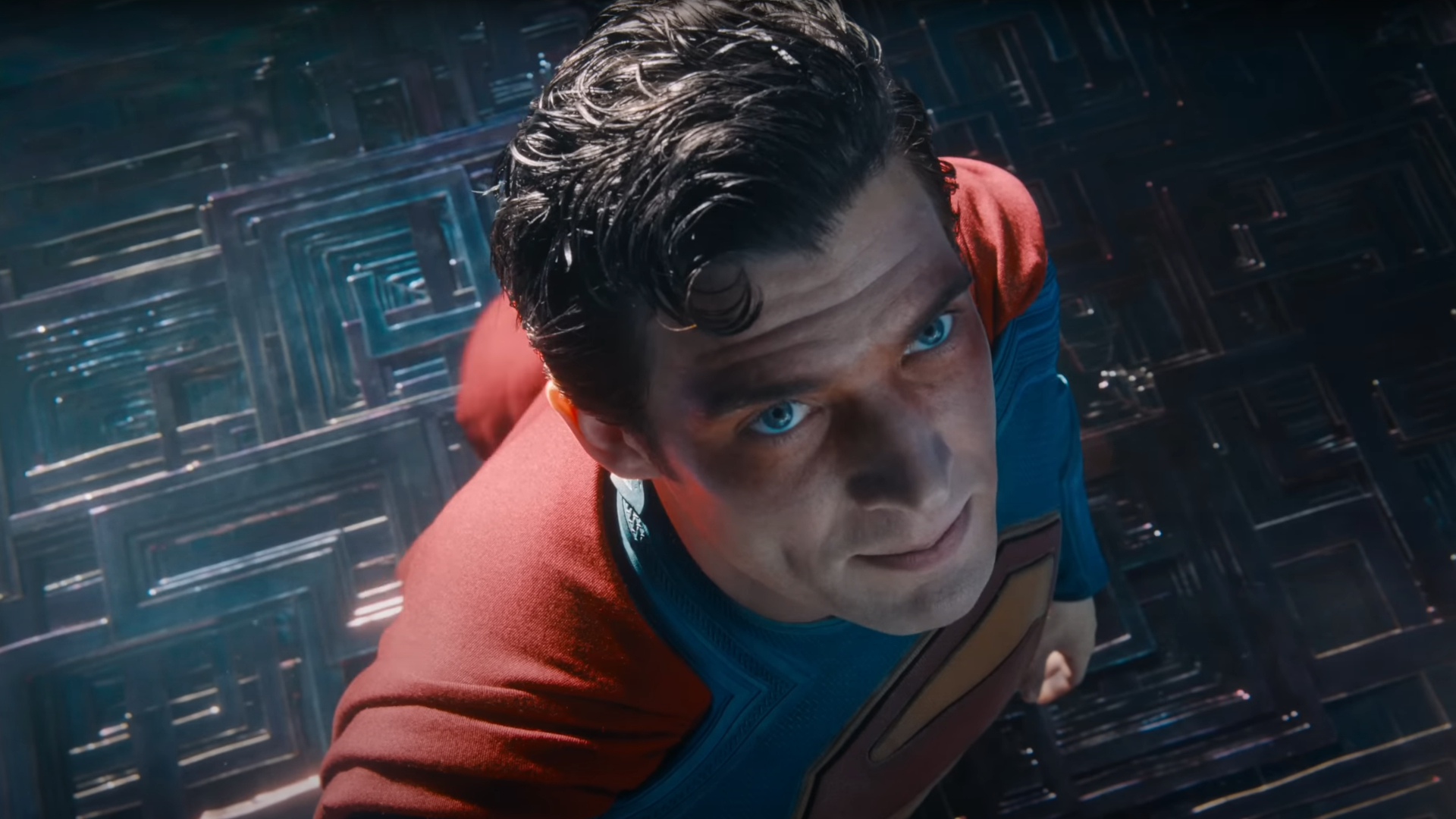
"Man of Tomorrow" benefits from a high level of continuity, retaining the core cast members who established the emotional foundation of the rebooted universe. Behind the camera, the production brings together an elite crew of technical talent well-versed in high-concept genre storytelling.
Confirmed cast members returning from the initial film and expanded universe properties include:
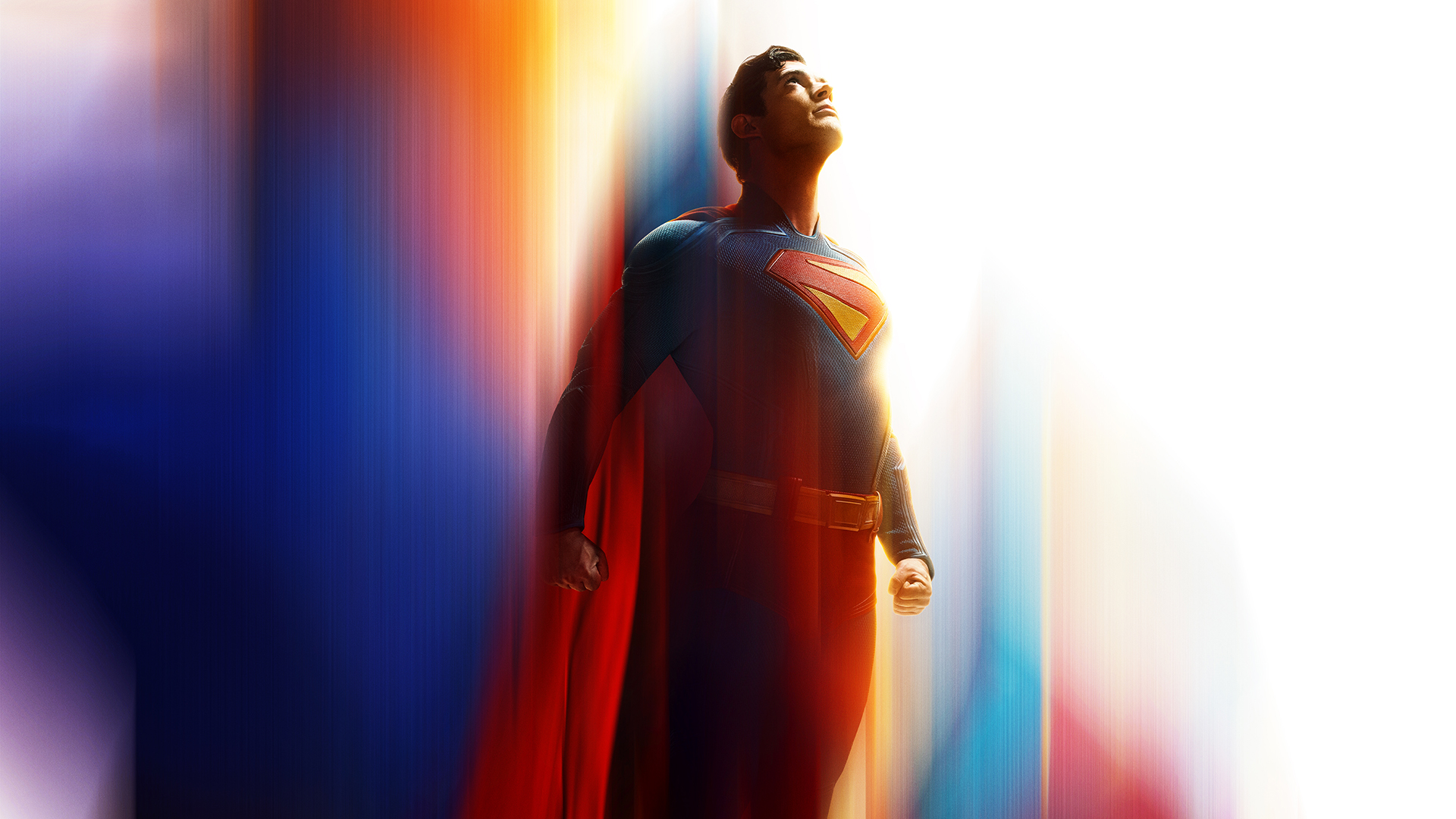
- David Corenswet as Clark Kent / Superman
- Nicholas Hoult as Lex Luthor
- Milly Alcock as Kara Zor-El / Supergirl
- Nathan Fillion as Guy Gardner / Green Lantern
- Isabela Merced as Hawkgirl
- Edi Gatheye as Mister Terrific
- Aaron Pierre as John Stewart / Green Lantern
- Xolo Maridueña as Jaime Reyes / Blue Beetle
In addition to the returning roster, the production has integrated several high-profile additions whose exact character alignments remain tightly guarded secrets. Actors Adria Arjona, Andre Royo, Matthew Lillard, and Sinqua Walls have all joined the ensemble. Speculation surrounding Adria Arjona’s specific role has dominated entertainment media, with early insider reports pointing toward the classic alien conqueror Maxima, though studio representatives have consistently deflected queries regarding broader casting secrets.
The behind-the-lens talent is equally robust. Cinematography is handled by Sam McCurdy, whose atmospheric work on "Peacemaker" and "Shogun" established a distinct visual language. Longtime Gunn collaborator Fred Raskin serves as film editor, ensuring the pacing matches the signature kinetic energy of the director’s previous blockbusters. Meanwhile, composer David Fleming returns to helm the musical score, tasked with expanding the sonic motifs introduced in the 2025 "Superman" film.
Distribution Strategy and Exhibition Windows
As the July 9, 2027 theatrical release date approaches, Warner Bros. Pictures has outlined a traditional distribution roadmap. Following its global theatrical rollout, "Man of Tomorrow" is expected to maintain an exclusive big-screen window for approximately two to three months.
Given the corporate track record under the newly merged Skydance and Warner Bros. entity, digital and streaming releases are anticipated to follow a swift turnaround. Industry analysts project that the film will land on the Max streaming platform by the early autumn of 2027. Marketing efforts, including the premiere of the film’s first official teaser trailer, are widely expected to roll out toward the end of 2026, capitalising on the holiday theatrical season to generate early consumer awareness.

Broader Implications for the DC Universe
The release of "Man of Tomorrow" marks the end of an era for the cinematic iteration of DC characters. When James Gunn and Peter Safran initially unveiled the "Gods and Monsters" slate, the objective was to construct a meticulously planned, interconnected continuity that could rival long-standing comic adaptations. The sudden change in corporate leadership means that the roadmap originally charted for chapters beyond 2027 will inevitably undergo structural revisions.
Consequently, "Man of Tomorrow" occupies a unique space in cinematic history. It operates simultaneously as a high-budget sequel, a massive cosmic crossover event, and a definitive authorial statement from a filmmaker whose imprint on modern comic book cinema has been profound. Whether the newly restructured DC Studios under Skydance chooses to preserve elements of Gunn’s world-building moving forward or pivots entirely toward a different creative direction, "Man of Tomorrow" stands as the definitive climax of the DCU’s foundational era—leaving fans with a sweeping, star-spanning epic that defines the ultimate conflict between human resilience, machine intellect, and the hope of tomorrow.