Apple expands global accessibility with major language support updates in iOS and iPadOS 27

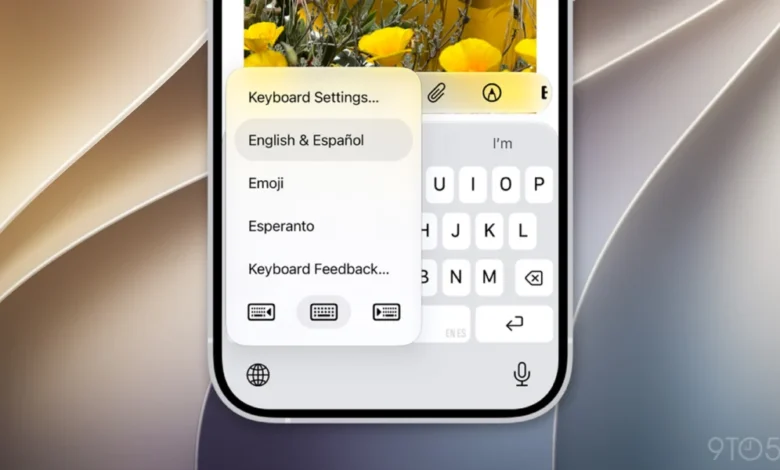
Apple has officially updated its comprehensive feature availability documentation for iOS 27 and iPadOS 27, marking a significant milestone in the company’s ongoing initiative to broaden the global reach of its ecosystem. The update introduces support for more than 30 new languages and regional linguistic variants, affecting core system functionalities including dictionary definitions, thesaurus entries, predictive typing, and the voice-activated Siri interface. This strategic expansion underscores Apple’s commitment to localization as a primary driver of user adoption in emerging markets and underscores the technical complexity involved in maintaining a consistent user experience across nearly 200 distinct software features.
The documentation, hosted on Apple’s official developer and support portal, serves as the definitive guide for users and developers alike to track which features are active in specific territories. By incorporating these new languages, Apple is effectively removing barriers to entry for millions of non-English speaking users, ensuring that advanced productivity tools like QuickType and Visual Look Up are not relegated solely to major world languages.
The Evolution of Linguistic Localization at Apple
To understand the scale of this update, one must look at the historical trajectory of Apple’s localization efforts. Since the inception of the iPhone, the company has prioritized language support as a competitive advantage. In the early iterations of iOS, support was largely limited to major global languages like English, French, German, and Japanese. Over the last two decades, this has evolved into a massive, data-driven operation involving linguistics experts, local cultural consultants, and machine learning engineers.
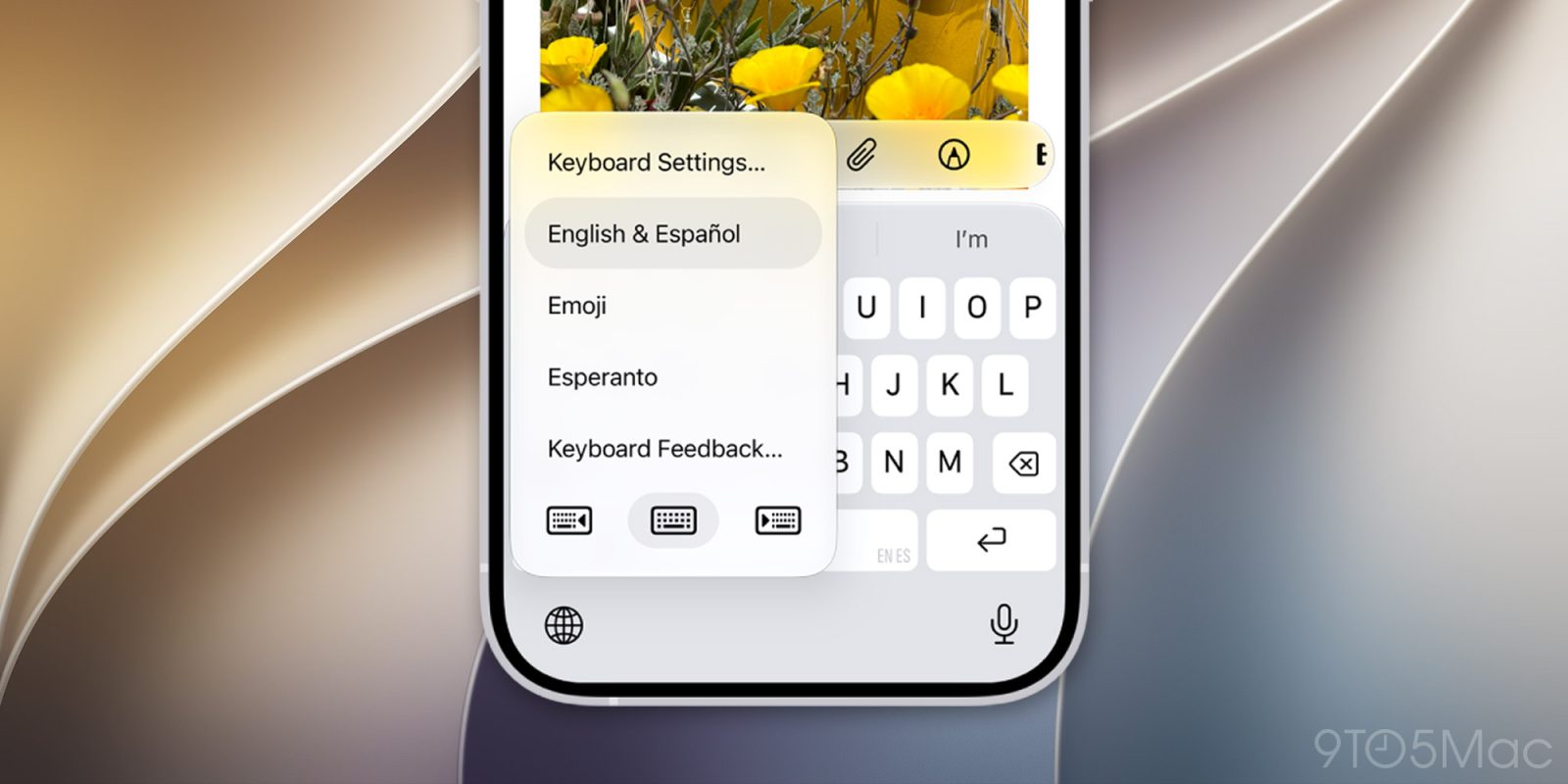
The integration of new languages in iOS 27 is not merely a translation exercise. When Apple adds a language to the QuickType keyboard, it necessitates the development of sophisticated autocorrection algorithms, predictive typing models, and the complex mechanics of multilingual input. These systems must account for unique syntax, regional dialects, and the specific ways in which users interact with their devices in different parts of the world. The addition of these 30+ variants represents a massive investment in natural language processing (NLP) capabilities, ensuring that the "smart" features of the operating system remain accurate and contextually relevant.
A Chronology of Linguistic Integration
Apple’s approach to language support has historically followed a staggered release pattern, often tied to major annual OS refreshes. The progression from iOS 1 to the current iOS 27 iteration reveals a clear trend: the rapid acceleration of feature parity across different regions.
In the early 2010s, Apple’s localization efforts were often focused on high-GDP markets. However, the release of iOS 10 through iOS 15 marked a pivot toward inclusivity, bringing support for regional dialects that were previously ignored by major tech conglomerates. iOS 27 continues this trend, focusing heavily on regional variants that allow for more precise communication. This ensures that a user in a specific province or territory can experience the same level of autocorrection accuracy as a user in Cupertino.
The announcement of this update follows months of beta testing, during which developers and early adopters provided feedback on the nuances of these new language models. By the time of the final public release, Apple had successfully refined the dictionary entries and thesaurus capabilities, ensuring that the software reflects both modern usage and formal linguistic standards.
Data-Driven Impact on Global Accessibility
The scope of the update is categorized into several key pillars of the iOS experience. By analyzing the data provided in the updated support page, we can categorize the impact as follows:
- Dictionary and Thesaurus: By expanding these resources, Apple is providing a built-in educational tool. For students and professionals working in multilingual environments, having a reliable, system-level dictionary for regional dialects is invaluable for maintaining formal writing standards.
- QuickType and Predictive Typing: These features rely heavily on machine learning. The expansion of QuickType to include more languages suggests that Apple has collected sufficient linguistic data to train its models to a level of accuracy that meets its "Pro" standards.
- Siri Activation: Perhaps the most technically demanding aspect of the update is the wake-word support. Siri must be able to recognize specific phonetic patterns across varying accents. Adding support for new languages in "Activate with Siri" requires not only language recognition but also server-side processing optimizations to handle the diversity of global speech patterns.
- Visual Look Up: This feature, which identifies objects, text, and landmarks within photos, relies on a vast database of image recognition models. By adding support for more languages, Apple is enabling the OCR (Optical Character Recognition) capabilities to translate and interpret text in these newly supported languages more effectively.
Official Perspectives and Strategic Implications
While Apple rarely comments on the specific labor-intensive processes behind its localization team, the implications of this update are clear. Industry analysts suggest that Apple’s focus on localization is a direct response to the saturation of Western markets. As growth in the United States and Europe plateaus, the company is looking toward regions in South Asia, Africa, and Latin America to drive future iPhone and iPad sales.

"Localization is the most effective way to lower the cost of switching for a new user," says a lead analyst in mobile technology. "When a user feels that their device ‘speaks’ their language—not just literally, but culturally—their loyalty to the platform increases significantly. By integrating these languages into core features like Siri and the dictionary, Apple is signaling that it intends to be the primary computing platform for these regions."
From a technical standpoint, this update also highlights the maturity of Apple’s "on-device intelligence" strategy. By shifting more of the linguistic processing power to the A-series and M-series chips within the devices, Apple is able to provide faster, more private language support that does not rely solely on cloud connectivity. This is a crucial selling point in regions where internet infrastructure may be inconsistent.
Broader Impact on the Global Ecosystem
The ripple effects of this update will be felt throughout the third-party developer ecosystem. Apple’s internal localization tools are often mirrored by the APIs provided to developers. When Apple adds native support for a language, it becomes significantly easier for app developers to localize their own applications using standard iOS frameworks. This creates a virtuous cycle where the entire App Store becomes more accessible to global users, not just the core system apps.
Furthermore, the inclusion of these languages in the thesaurus and dictionary features helps to preserve linguistic diversity. By validating these languages within a global operating system, Apple provides a digital home for dialects that might otherwise be marginalized in the tech space. This is a significant cultural contribution, one that carries weight beyond mere utility.
Looking Ahead: The Future of Multilingual Computing
As iOS 27 continues to evolve, we can expect Apple to push further into the realm of real-time translation and cross-language communication. The current update lays the groundwork for more advanced features, such as seamless, real-time voice translation during FaceTime calls or instantaneous document translation within the Files app.

The technical hurdles for such features are immense, requiring low-latency processing and incredibly high accuracy. However, by establishing a robust foundation of language support today, Apple is positioning itself to lead in the next wave of human-computer interaction. The ability to interact with one’s device in a native tongue is no longer a luxury; it is a fundamental expectation of the modern digital citizen.
In conclusion, the update to the iOS and iPadOS 27 feature availability page is more than a simple clerical correction. It is a strategic expansion that reflects the global nature of modern computing. By investing in over 30 new languages and variants, Apple has demonstrated a clear intent to remain the most inclusive and accessible platform in the world. For the average user, these changes may manifest as a subtle improvement in autocorrect or a smoother Siri experience, but for the global community, they represent a significant step toward a more connected, linguistically diverse digital future. As Apple continues to iterate on its operating systems, the focus on localization will undoubtedly remain a key pillar of its growth strategy, ensuring that the iPhone and iPad remain relevant in every corner of the globe.