Escape the Subscription Trap: How Lifetime Cloud Storage is Reshaping Digital Ownership

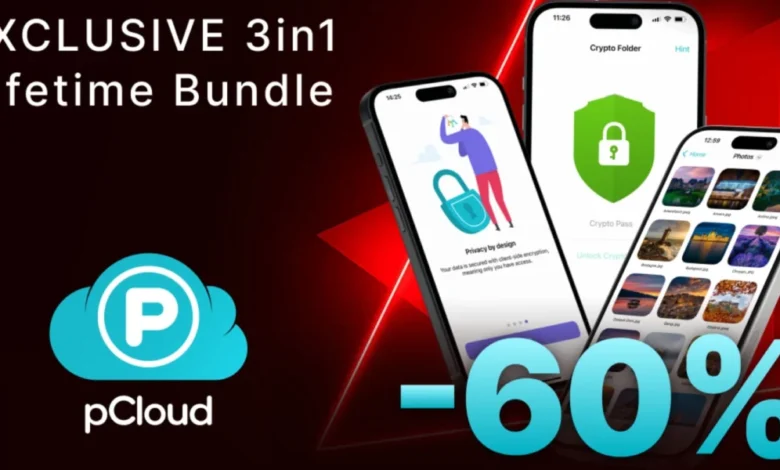
The digital era has ushered in a paradigm shift regarding consumer behavior, moving from the historical model of one-time software purchases to a persistent subscription-based economy. This trend, which began with streaming services and productivity software, has expanded into virtually every corner of the consumer technology market. As individual monthly costs for cloud storage, password managers, and collaborative tools accumulate, consumers are increasingly seeking alternatives to the recurring billing cycle. Among these, the "lifetime" storage model offered by providers such as pCloud has gained significant traction, particularly as annual Black Friday promotions bring these long-term investments to the forefront of the consumer conversation.
The Evolution of the Subscription Economy
In the early 2010s, cloud storage was introduced as a premium convenience, with industry standards like Apple’s iCloud offering a modest 5 GB of storage at no cost. While this allocation was sufficient for the basic device backups of the era, the rapid inflation of photo resolution, video quality, and file sizes has rendered that initial allotment largely obsolete. For the average user today, the 5 GB limit is typically exhausted within days of device activation, necessitating an immediate transition to a paid tier.
The cumulative financial burden of this model is significant. A standard 2 TB cloud storage plan currently costs approximately $120 per year. Over a five-year period, a consumer spends $600 to maintain access to their own data. This recurring expense has drawn criticism from consumer advocacy groups who argue that the "renting" of digital storage effectively holds personal data hostage, as cancellation of the subscription often results in the immediate loss or restricted access to files. The industry-wide reliance on these models has become so pervasive that even hardware manufacturers, such as BMW, have attempted to monetize vehicle features—like heated seats—through subscription services, though such moves often face severe public backlash.

A Chronology of Digital Storage Independence
The concept of lifetime storage is not a new invention, yet it has evolved from a niche offering to a mainstream alternative. pCloud, a Swiss-based provider, has been at the forefront of this model for nine years. Founded under the jurisdiction of Swiss privacy laws—which are among the most stringent in the world regarding data protection—the company has navigated a decade of rapid expansion.
Key milestones in this timeline include:
- 2015: Initial launch of lifetime storage plans, targeting users disillusioned by the volatility of rising monthly fees.
- 2019: Expansion of features to include client-side, zero-knowledge encryption, addressing growing concerns over data sovereignty and surveillance.
- 2022: Introduction of the integrated ecosystem, including password management and document collaboration tools, transitioning from a simple storage locker to a full-service digital workspace.
- 2024: Reaching the 24-million-user milestone, confirming that the lifetime model is a viable long-term business strategy for sustainable cloud operations.
Comparative Analysis: Subscription vs. Lifetime Investment
Financial analysts often compare the lifetime model to a capital expenditure, whereas standard cloud storage is an operational expense. When calculating the total cost of ownership (TCO) for data storage, the lifetime model offers a clear mathematical advantage.
For instance, if a user opts for a lifetime 3 TB plan during a promotional period, the upfront cost is typically recouped within 36 to 48 months compared to standard monthly pricing. Beyond that break-even point, the storage essentially becomes "free" for the remainder of the service’s lifespan. Furthermore, this model mitigates the impact of "subscription creep," where incremental price hikes from major providers increase the user’s annual expenditure without a corresponding increase in service value.

Technical Integration and Ecosystem Functionality
The utility of a cloud storage provider is predicated on its ease of integration into existing workflows. Modern providers have moved beyond browser-based uploads, implementing native desktop applications that mount cloud storage directly into the local file system. For macOS users, this means that large datasets—such as high-resolution photo libraries or raw video projects—appear as if they are stored locally on the machine’s SSD, without consuming the limited physical capacity of the device.
Security remains a primary concern for high-volume data users. The current industry standard for professional-grade storage is the implementation of zero-knowledge encryption. This architecture ensures that files are encrypted locally on the user’s device before transmission, meaning the service provider does not possess the decryption keys. Consequently, even in the event of a server-side breach or a legal request for data, the contents of the user’s secure folders remain inaccessible to third parties.
The Impact of Integrated Toolsets
The competitive landscape has forced storage providers to diversify their offerings. Current platforms now incorporate:
- Automated Backup Solutions: Replacing manual file management with background synchronization that protects data against hardware failure, theft, or natural disaster.
- Cross-Platform Synchronization: Supporting the modern multi-device household, where users might operate a Windows workstation, an iPad, and an Android smartphone simultaneously.
- Collaborative Document Editing: Moving beyond simple file storage to provide browser-based editors for word processing and spreadsheets, allowing for real-time collaboration that challenges the hegemony of Google Docs and Microsoft 365.
- Advanced Media Management: Implementing AI-driven object recognition and tagging, which allows users to search for specific content—such as "mountain" or "receipt"—without manual organization.
Broader Implications for Data Sovereignty
The transition toward lifetime storage represents more than just a financial decision; it reflects a broader desire for data autonomy. As users become more cognizant of the "vendor lock-in" phenomenon, where the difficulty of migrating terabytes of data prevents them from leaving a service, the appeal of a one-time purchase model increases.

Furthermore, the choice of jurisdiction plays a critical role in user trust. By operating under Swiss law, providers like pCloud offer a level of legal protection that is distinct from providers based in jurisdictions with more expansive data access laws. For businesses and individuals handling sensitive documentation—such as tax returns, legal contracts, and medical records—the combination of zero-knowledge encryption and a stable legal environment provides a foundation for long-term data security.
Strategic Considerations for Consumers
As the industry approaches the end of the calendar year, the seasonal influx of "Black Friday" and "Cyber Monday" promotions provides a window for consumers to audit their recurring expenses. Experts suggest that before committing to a lifetime plan, users should evaluate three key metrics:
- Current Data Volume: Assessing not just current usage, but the projected growth of personal data over the next five to ten years.
- Platform Versatility: Ensuring the service provides native support for all operating systems used within the household, including legacy hardware.
- Exit Strategy: Reviewing the terms of service to understand how easily data can be exported or migrated should the user decide to transition to a different provider in the future.
While the lifetime storage model requires a higher initial investment compared to a monthly bill, the shift away from recurring cycles offers both financial predictability and a degree of digital independence. As the digital landscape continues to grow in complexity, the ability to secure a permanent, encrypted, and accessible home for one’s digital life is becoming an increasingly valued asset. For many, the decision to stop the cycle of monthly payments is not merely a cost-saving measure, but a strategic step toward reclaiming control over their personal information in an increasingly subscription-dominated world.