Meta Equips Muse AI Agents with Advanced Voice and Expressive Avatar Capabilities in Latest Push for Conversational Engagement

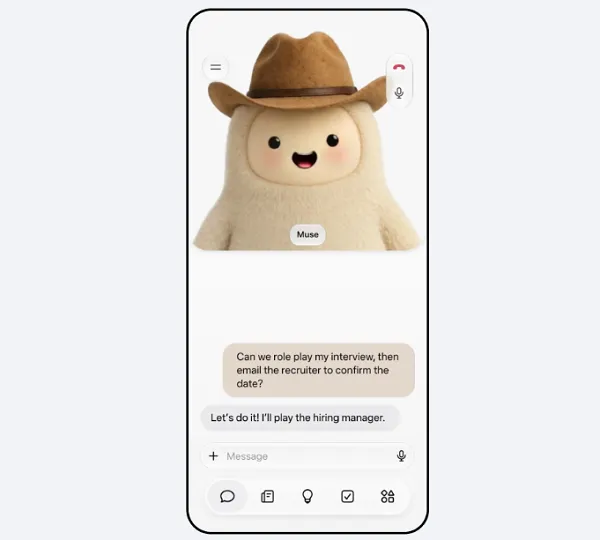
Meta is expanding the functionality of its Muse artificial intelligence agents by introducing advanced speaking capabilities and expressive avatars, marking the company’s latest attempt to make AI interactions more intuitive, natural, and engaging. The newly rolled-out features allow users to select distinct voices for their personal AI-powered assistants, initiate audio-based queries, and interact with visual avatars that simulate human-like expressions and gestures during conversations.
This strategic update aims to lower the barrier to entry for complex tasks by allowing users to converse fluidly rather than relying entirely on precise text prompts. While Meta positions this feature as a productivity and brainstorming powerhouse—highlighting use cases such as job interview preparation, presentation rehearsals, and pitch refinement—the move also reintroduces a polarizing element: custom and stylized voices. This particular aspect of the launch brings to light Meta’s persistent fascination with quirky AI personas, a strategy that has historically encountered consumer resistance and regulatory hurdles.
Transforming How Users Think Out Loud
The core philosophy driving Meta’s latest update is the concept of verbal ideation. According to company communications, brainstorming or organizing thoughts via text often requires a level of precision that can stifle creativity. By integrating voice capabilities into the Muse ecosystem, Meta is attempting to replicate the organic flow of human conversation.
“Sometimes it’s easier to think out loud,” Meta explained in a recent product briefing. “With voice, you can talk through an idea with your Muse and let it take shape without worrying about the exact prompt.”
This capability is designed to transition Muse from a standard transactional chatbot into a dynamic conversational partner. Meta anticipates that professionals and students alike will leverage the voice features to simulate real-world scenarios. For instance, individuals preparing for high-stakes professional engagements can run through mock Q&A sessions, deliver practice presentations, and receive immediate, spoken feedback. By hearing a response and answering in real-time, the interaction mirrors the pressure and cadence of a human conversation, potentially yielding better preparation outcomes than reading static text responses on a screen.
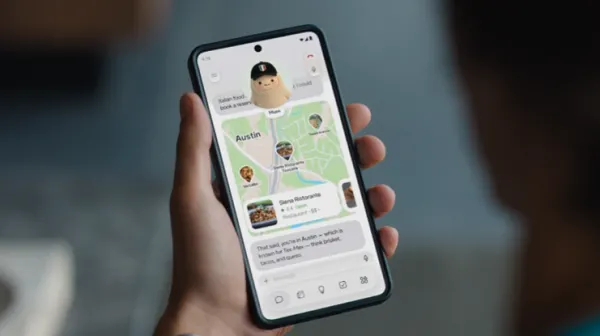
Complementing the audio engine are expressive avatars designed to increase emotional resonance and presence. Unlike traditional voice assistants that rely entirely on static icons or blank screens, Muse avatars feature subtle facial expressions and hand gestures that adapt to the tone of the conversation. Furthermore, these digital avatars are programmed to react while the user is speaking, providing visual cues—such as nodding or tilting the head—to signal active listening. Meta has also built flexibility into the interface, allowing users to tailor how present the avatar is during an interaction. Users can choose between a voice-only experience, a picture-in-picture avatar alongside their workspace, or a full-screen mode for immersive face-to-face discussions.
The Return of Novelty Voices
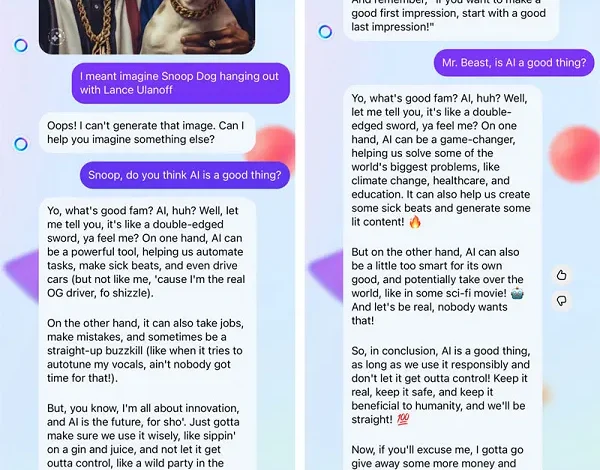
Alongside practical productivity tools, Meta is introducing custom voice options that let users assign specific accents or dramatic personas to their Muse agents, such as a distinct New York accent or a pirate-themed persona. This functionality, however, places the tech giant on familiar yet treacherous ground. Meta’s persistent drive to infuse AI agents with playful, stylized, or celebrity-inspired personalities has a checkered past characterized by underwhelming user adoption and subsequent product terminations.
The push toward celebrity and character-driven AI is not a new experiment for the company. To fully understand the context of the current Muse update, it is necessary to examine Meta’s chronological rollout of personality-driven AI over the past several years:
- September 2023: Meta officially introduces celebrity-styled AI chatbots on Messenger and Instagram at its annual Connect conference. Characters powered by text-based models are assigned personas influenced by cultural icons and celebrities—including Snoop Dogg, Tom Brady, Paris Hilton, and Charli D’Amelio—allowing users to chat with AI representations of famous figures.
- Mid-2024: Following a steep decline in user engagement and widespread consumer apathy, Meta quietly retires the celebrity-styled text chatbots. The feature fails to secure a dedicated user base, proving that novelty alone is insufficient to sustain long-term platform retention.
- August 2024: Refusing to abandon the concept, Meta pivots to an audio-first approach. The company launches a limited audio version of celebrity chatbots, investing millions of dollars to secure the voice likenesses of prominent actors and public figures, such as Judi Dench, Keegan-Michael Key, and Awkwafina.
- April 2025: Investigative reporting by The Wall Street Journal reveals severe vulnerabilities and policy violations within the celebrity-voiced AI ecosystem. Certain users discover workarounds to generate unauthorized, explicit, and sexually suggestive content voiced by the licensed celebrity likenesses.
- Mid-2025: Facing mounting reputational risks, legal scrutiny, and public relations challenges stemming from the explicit content generation scandal, Meta pulls the plug on the expanded celebrity voice rollout, shelving the feature before it reaches a wider global audience.
Despite these notable missteps, Meta’s inclusion of regional accents and playful character voices in the Muse update demonstrates an ongoing corporate belief that users desire whimsical, highly customizable AI companions. Industry analysts note that while novelty features can drive initial curiosity and media attention, they frequently fail to translate into sustained utility, raising questions about whether consumers will embrace pirate personas or if the feature will ultimately face the same fate as its predecessors.
Technical Implications and Market Context
The integration of advanced speech synthesis and real-time visual avatars requires significant computational infrastructure. Generative AI models capable of processing low-latency audio, mapping emotional cues to facial expressions, and rendering dynamic video avatars demand immense processing power at the edge and in the cloud. By pushing deeper into multimodal AI—systems that seamlessly process text, audio, and visual data simultaneously—Meta is attempting to close the gap with competitors like OpenAI, Google, and Apple, all of which have heavily invested in conversational, voice-first AI assistants.
However, the competitive landscape has evolved significantly. While Apple has focused its intelligence initiatives on deep operating system integration and privacy-centric utility, and OpenAI has refined its Advanced Voice Mode to sound indistinguishable from humans with complex emotional inflection, Meta is leaning heavily into its social ecosystem and avatar infrastructure. The success of Muse will likely hinge on whether everyday consumers find tangible value in vocalizing their workflows, or if the feature is viewed as an unnecessary layer of complexity for tasks that are often handled more efficiently via text.
Furthermore, the introduction of customizable and stylized voices introduces ongoing moderation challenges. Although the previous celebrity voice disaster stemmed from licensed likenesses and user-generated exploits, allowing deep customizability in voice generation always carries inherent risks. Ensuring that users cannot weaponize custom audio engines to impersonate real individuals or generate policy-violating content remains a paramount concern for trust and safety teams across the technology sector.
Broader Economic and Societal Impact
As voice-activated artificial intelligence becomes the default interface for consumer technology, the way humans interact with machines is undergoing a fundamental shift. For years, typing queries into a search bar or chat interface was the standard method of communication with digital systems. The transition to conversational, spoken AI alters cognitive workflows, encouraging users to externalize their internal monologues and solve problems collaboratively with algorithms.
For the workplace, tools like Meta’s Muse represent a double-edged sword. On one hand, accessible AI simulation tools democratize professional coaching, offering low-cost or free interview preparation and public speaking rehearsal to anyone with a smartphone. This can level the playing field for job seekers who might not otherwise have access to professional career counseling or mock interview resources. On the other hand, increasing reliance on synthetic conversational partners may further isolate users, deepening societal trends toward digital-first interaction and altering how humans build communication skills.
From a commercial perspective, Meta’s ongoing experimentation underscores the trial-and-error nature of the current generative AI boom. Companies are aggressively shipping features to test market appetite, rapidly iterating based on user engagement metrics, and discarding or pivoting concepts that fail to resonate. Whether the new voice and avatar features of Muse will successfully cement Meta as a leader in personal AI companions—or join the graveyard of defunct celebrity bots—remains to be seen.
For now, the technology is live, placing users in a position where they can walk down public streets or sit in quiet offices, holding deeply personal, spoken dialogues with an AI assistant manifested as an expressive, custom-voiced avatar on their mobile screens.
Related posts: