Google Nest Hello doorbell owners face widespread live video stream failures as support remains silent.

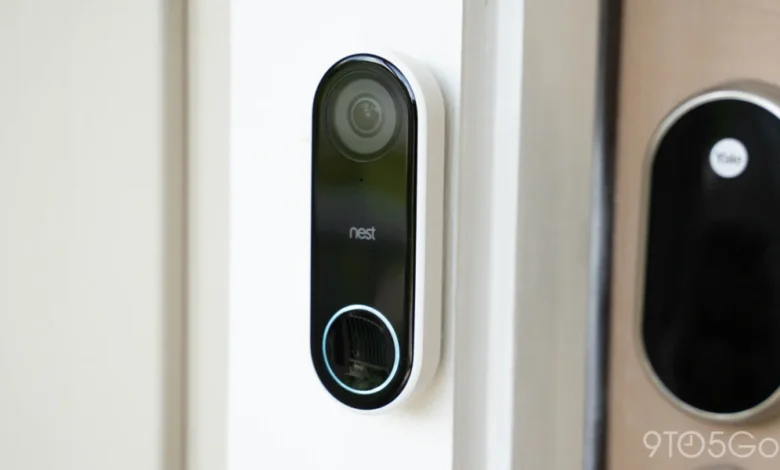
The Google Nest ecosystem, long considered a cornerstone of the modern smart home, is currently experiencing a significant service degradation that has left a substantial number of users without access to live video feeds. The issue primarily affects the original Nest Doorbell, colloquially known as the "Nest Hello," and has been reported with increasing frequency across Google’s official support forums and community platforms like Reddit. Despite the growing volume of user complaints, Google has yet to issue a formal acknowledgement or a projected timeline for a software resolution, leaving many homeowners with diminished security functionality.
Chronology of the Disruption
The current technical failure appears to have reached a critical mass in the final days of October 2026, following a series of firmware updates deployed by Google to its legacy smart home hardware. While sporadic reports of connectivity issues had surfaced throughout the month, the situation shifted from isolated incidents to a widespread outage shortly after these updates were pushed to the devices.
Chronologically, the timeline of the disruption is as follows:
- Late October 2026: Google initiates a firmware rollout for legacy Nest cameras and doorbells.
- Early November 2026: Users begin reporting that the "Live View" feature within the Google Home application fails to load, presenting either a black screen, a spinning loading icon, or an error message indicating the camera is offline.
- Mid-November 2026: The volume of reports intensifies, with dozens of unique support threads emerging on the Google Nest Help community. Users note that while event notifications—such as motion alerts or button presses—still trigger alerts and deliver snapshots to Nest Hub displays, the real-time, continuous video stream remains inaccessible.
- Present Day: The issue persists across various platforms, including iOS and Android versions of the Google Home app, with no official "known issue" status posted by Google’s engineering team.
Technical Scope and Affected Hardware
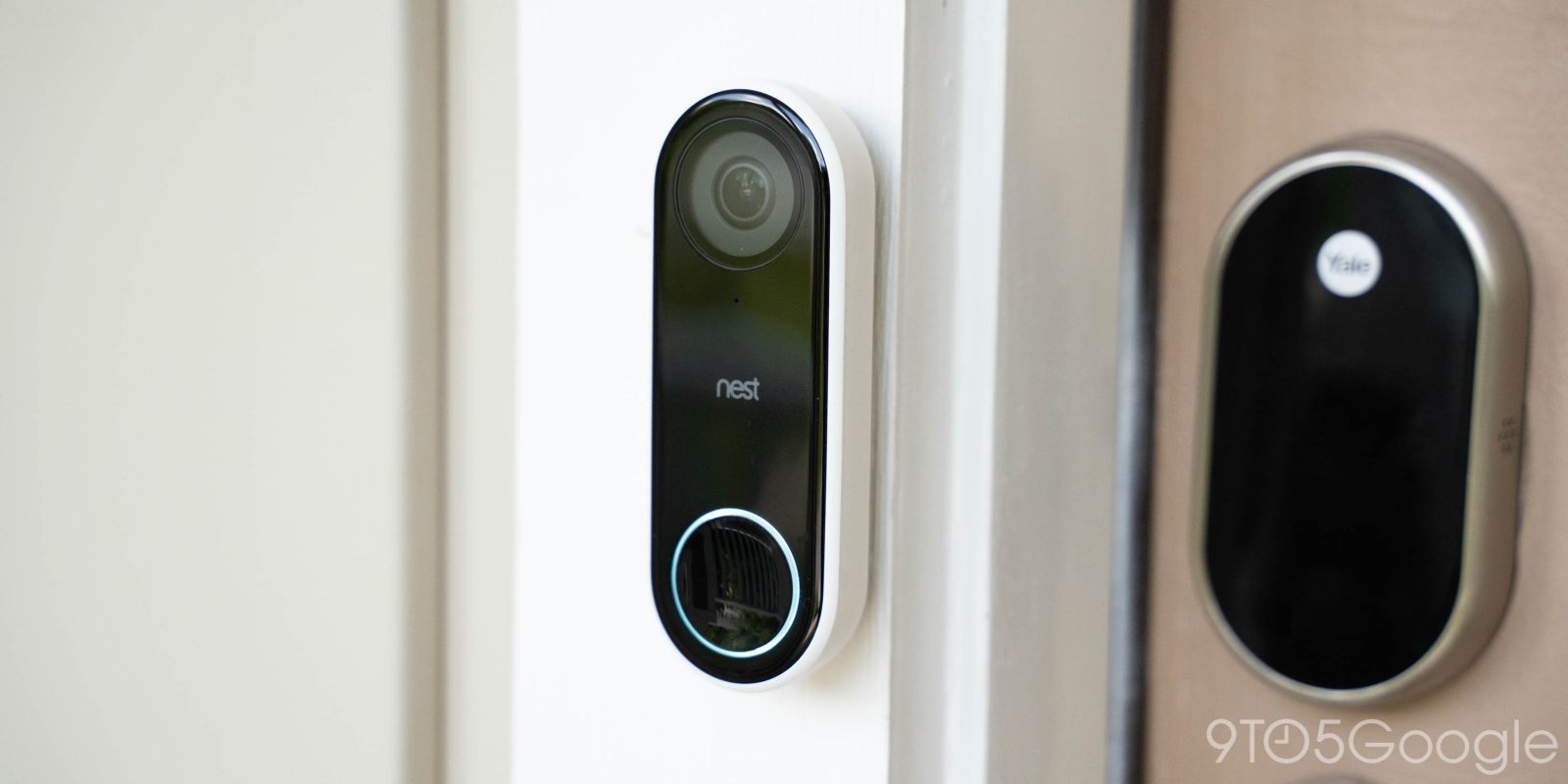
The core of the problem is centered on the first-generation Nest Doorbell (wired), which set the industry standard for video doorbells upon its release. While the Nest Hello remains a functional piece of hardware, it is increasingly being integrated into the newer Google Home software architecture as part of Google’s long-term strategy to unify its legacy Nest app ecosystem with the broader Google Home interface.
Reports suggest that the disruption is not entirely limited to the original Nest Doorbell. A subset of users with first-generation Nest Cam indoor and outdoor units has reported similar symptoms. However, the concentration of complaints regarding the Nest Hello suggests that the failure may be specific to the communication handshake between the legacy doorbell’s firmware and the current version of the Google Home cloud-streaming protocol.
One of the most persistent theories among the technical community—and one frequently debated on forums—is that the issue stems from Google’s migration to WebRTC (Web Real-Time Communication) for video streaming. WebRTC is designed to lower latency and improve stream stability; however, implementing this protocol across older hardware requires perfect synchronization between device firmware and backend server protocols. If the October update introduced a discrepancy in how these legacy devices negotiate the WebRTC handshake, it would explain why notifications still work (as they rely on different push-notification protocols) while the bandwidth-heavy video stream fails.
Implications for Smart Home Security
The inability to view a live feed is not merely a feature loss; for many, it represents a significant security concern. The Nest Hello was marketed primarily as a security device, with the "always-on" or "on-demand" live stream being its primary value proposition. Homeowners rely on this feature to screen visitors, monitor packages, and verify the safety of their property.
When a device of this nature fails, the ripple effect is twofold: it erodes consumer trust in the brand and creates an immediate security gap. The fact that notifications remain active is a double-edged sword; it alerts the user to an event but provides no way to visually verify the cause, forcing homeowners to rely on static snapshots or, in many cases, to physically investigate the situation themselves.
Furthermore, this incident highlights the precarious nature of "cloud-dependent" hardware. In the modern Internet of Things (IoT) landscape, the functionality of hardware is inextricably linked to the software backend. When a company changes its backend infrastructure—as Google is currently doing to consolidate its legacy Nest products—there is an inherent risk that older hardware may be left behind or accidentally rendered incompatible.
Official Response and Support Status
As of this writing, Google’s official channels have maintained a policy of generic troubleshooting. Standard responses provided by support staff in public threads include:
- Power-cycling the Nest Doorbell at the circuit breaker.
- Removing and re-adding the device within the Google Home application.
- Clearing the application cache and ensuring the latest version of the Google Home app is installed.
- Checking for network interference or Wi-Fi signal strength.
Users have widely reported that these steps are ineffective, suggesting that the fault lies within the server-side update or the device’s current firmware version. The absence of a formal "Known Issue" acknowledgement from Google is standard corporate protocol during the early stages of a diagnostic investigation, but it has contributed to a sense of frustration among long-term customers who feel that their legacy hardware is being deprioritized in favor of newer models.

Analysis of the Technical Debt
This incident underscores the challenge of managing "technical debt" in consumer electronics. The Nest Hello, while high-quality, is now several years old. Maintaining compatibility for legacy devices within a modernized, cloud-heavy ecosystem requires constant vigilance.
Industry analysts point out that while software updates are necessary for security patches and feature parity, they carry the risk of "bricking" older devices if the testing phase does not account for the limitations of older chipsets. If the WebRTC transition is indeed the root cause, it is likely that Google engineers are working on a secondary "hotfix" or a compatibility layer that can interpret the older doorbell’s signal without requiring a full hardware overhaul.
Future Outlook for Nest Users
For affected users, the path forward remains uncertain. While many are calling for a rollback of the October firmware, such actions are rarely simple in a cloud-integrated environment where the app and the server-side API must remain in sync.
As Google continues its broader transition toward the "Matter" smart home standard and the full deprecation of the legacy Nest app, incidents of this nature may serve as a preview of the complexities involved in maintaining a unified smart home. The company’s response in the coming days—whether through an automated patch or an official statement—will likely determine how much confidence the consumer base retains in the longevity of Google’s legacy smart home investments.
For now, users are advised to continue monitoring official Google Nest support forums for updates. The prevalence of the issue, documented across multiple platforms and user configurations, makes it highly probable that a fix is currently under development, even if the timeline remains internal. Until then, homeowners are effectively operating with a "blind" doorbell, illustrating the inherent risks of relying on remote-access hardware in an evolving digital infrastructure.