The Return of the Glowing Apple Logo on New MacBook Pro Models Sparks Nostalgia and Debate


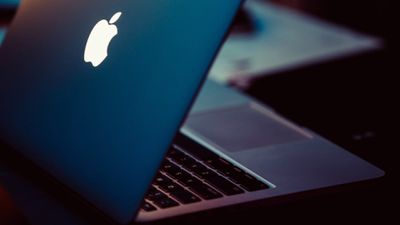
The iconic glowing Apple logo, a defining design characteristic of Mac laptops throughout the 2000s and early 2010s, has officially made a triumphant return. With the introduction of the new 14-inch and 16-inch MacBook Pro models equipped with advanced PROLED XDR displays, Apple has reintroduced the backlit emblem that once illuminated lecture halls, coffee shops, and professional workspaces across the globe. This design revival bridges a decade-long gap since Apple systematically phased out the feature in favor of sleek, polished metal insignias. However, while many users welcome the wave of nostalgia, Apple has also quietly provided a method to deactivate the glow for those who prefer a more subdued aesthetic in professional or low-light environments.
Main Facts and the Mechanics of the New Backlit Logo
The newly restored glowing Apple logo operates dynamically in tandem with the laptop’s state. When the MacBook Pro is awake, the emblem lights up, automatically adjusting its luminance based on the screen’s current brightness settings and the ambient lighting conditions of the surrounding room. This intelligent power and light management ensures the logo is neither glaringly bright in a dark room nor washed out under harsh office lighting.
Despite the enthusiasm surrounding its return, Apple has chosen not to include a dedicated toggle switch within the macOS System Settings application. Users who find the illuminated logo distracting must instead utilize the macOS Terminal application to disable it. By entering a specific command line string, the illumination turns off instantly without requiring a system reboot.

For users wishing to turn the glowing logo off on compatible PROLED XDR MacBook Pro models, the process involves opening the Terminal app and executing a specific command. Conversely, if a user decides to re-enable the glowing feature later, it can be accomplished by entering a complementary command within Terminal, or by performing a complete reinstallation of the macOS operating system. Notably, this preference persists across multiple user accounts on the same machine, transfers seamlessly through macOS Recovery mode, and even migrates to new hardware during a standard system migration assistant transfer.
Historical Chronology: The Rise, Fall, and Evolution of the Backlit Apple
To understand the significance of this design reversal, it is necessary to examine the rich history of the backlit Apple logo. The feature made its debut in 1999 on the third-generation PowerBook G3. For the next sixteen years, the glowing fruit remained a staple of Apple’s portable computing lineup, becoming an omnipresent cultural touchstone featured heavily in television shows, films, and public spaces.
During this extensive run, only one major structural adjustment was made to the logo. In the early years of the PowerBook and MacBook lines, the logo was oriented so that it appeared right-side up to someone standing or sitting across from the user—meaning that when the laptop lid was closed, the logo was upside down to the person opening it.
Former Apple employee Joe Moreno shed light on the reasoning behind this initial design choice in retrospective accounts of his time at the company. According to Moreno, Apple’s design team, heavily influenced by Steve Jobs, observed that users frequently attempted to open their laptops from the wrong end. Jobs, famously obsessive about the user experience, prioritized the immediate usability for the person operating the machine over the visual orientation for onlookers.

However, Apple eventually reversed this philosophy. The orientation was flipped so that the logo appeared right-side up to external observers when the laptop was open and in use. Moreno later reflected on the irony of the initial decision, noting that attempting to open a laptop from the wrong end was a minor, self-correcting annoyance that lasted mere seconds, whereas an upside-down logo broadcasting to the public was a persistent aesthetic flaw.
The era of the glowing logo came to a definitive close in 2015. Apple began replacing the backlit cutout with a polished, reflective metal logo, starting with the ultra-thin 12-inch MacBook. This design choice mirrored the aesthetic of the iPad and helped achieve thinner chassis profiles. By 2016, the redesigned MacBook Pro lineup fully embraced the unlit metal look, relegating the glowing logo to tech history for the subsequent decade.
Industry Context and the Broader Product Ecosystem
The revival of the glowing logo arrives alongside a major hardware refresh for Apple’s professional laptop tier. The launch of the 14-inch and 16-inch MacBook Pro models featuring touch-enabled PROLED XDR displays represents a significant leap forward in display technology and mobile computing performance. These high-end machines, starting at $2,899 for the 14-inch variant and $3,399 for the 16-inch configuration, position Apple at the bleeding edge of portable workstation capability.
The inclusion of the glowing logo on these specific models indicates that Apple views the feature as a premium differentiator for its top-tier pro hardware, separating standard consumer devices from bleeding-edge professional equipment. Industry analysts note that while minimalist design trends have dominated the tech sector over the last ten years, a strong counter-current of consumer nostalgia has created a lucrative market for legacy design elements executed with modern engineering precision.
Implications and User Reception
The quiet inclusion of a Terminal command to disable the logo highlights Apple’s awareness of diverse user preferences. While content creators, students, and casual users often embrace the nostalgic flair of the glowing emblem, enterprise environments, corporate boardrooms, and professional videographers working in dark editing suites often require distraction-free hardware. By engineering the logo to respect ambient lighting conditions while offering a backend override, Apple satisfies both aesthetic camps.
Ultimately, the return of the glowing Apple logo is more than just a superficial cosmetic update. It serves as a bridge connecting Apple’s storied design heritage with its modern technological ambitions. As these new PROLED XDR MacBook Pro models land in the hands of consumers and professionals worldwide, the familiar, pulsing light on the lid will once again serve as one of the most recognizable symbols in modern consumer technology.