Baseus PicoGo Pro 100W USB-C Charger Brings Advanced Real-Time Power Monitoring to the Portable Charging Market

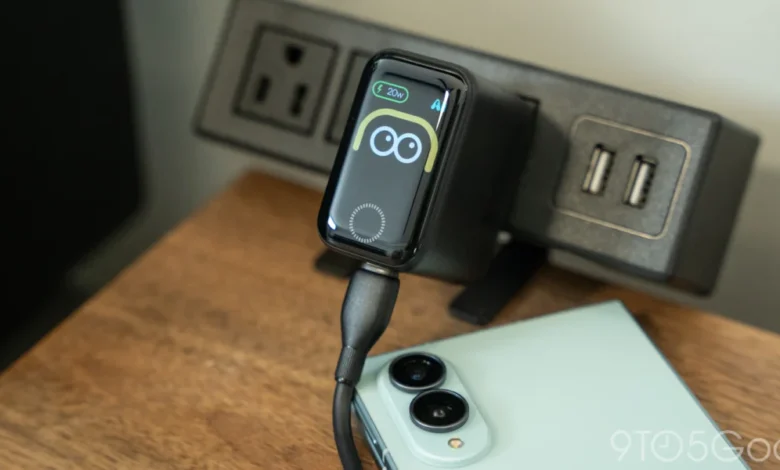
The landscape of consumer electronics accessories has undergone a significant transformation over the past decade, moving from bulky, proprietary power bricks to highly efficient, standardized Gallium Nitride (GaN) solutions. The latest entry into this competitive space is the Baseus PicoGo Pro (AH22), a 100W, three-port USB-C charger that integrates real-time digital telemetry—a feature once reserved for premium, enterprise-grade hardware. As consumer reliance on mobile devices, tablets, and ultrabooks continues to rise, the demand for compact, high-output, and transparent charging solutions has reached an all-time high, particularly during peak retail periods such as Black Friday.

The Baseus PicoGo Pro enters the market at a pivotal moment in the evolution of power delivery technology. Measuring approximately two inches in height and just over an inch in width, the device leverages advanced GaN architecture to minimize thermal output while maximizing power density. This design philosophy directly addresses the primary pain points of mobile professionals: the need for high-wattage charging in a form factor that does not clutter limited travel bags or crowded power strips.
Technical Evolution and the Rise of GaN
The shift toward Gallium Nitride (GaN) as the primary semiconductor material in consumer chargers has been the most significant technological leap in the industry since the introduction of USB-C Power Delivery (PD). Unlike traditional silicon-based chargers, GaN components can operate at higher voltages and temperatures, allowing manufacturers to reduce the size of transformers and capacitors without sacrificing output.

The Baseus PicoGo Pro utilizes a refined iteration of this technology, incorporating proprietary algorithms that monitor power distribution across its three ports. This is essential for modern users who frequently charge multiple devices with varying requirements simultaneously. A laptop may require a consistent 65W or higher, while a smartphone or wearable device may only safely accept 15W to 25W. The PicoGo Pro’s integrated circuitry dynamically allocates power, ensuring that the primary device receives priority while secondary devices are charged at an optimized rate to preserve battery health.
The Integration of Real-Time Telemetry
Perhaps the most notable feature of the PicoGo Pro is the inclusion of an integrated digital display. While manufacturers like Anker have previously popularized the use of displays on high-wattage charging bricks, Baseus has differentiated its implementation by focusing on user-interface interaction.

The display provides real-time data regarding the charging status of each connected device. Users can toggle through specific port statistics using an onboard button, viewing the precise wattage being delivered. This transparency serves a dual purpose: it offers peace of mind regarding the safety and efficiency of the charging process, and it provides technical feedback that can help users diagnose cable or device-specific charging issues.
Baseus has also introduced a degree of software-level interaction, allowing users to select between "Turbo" and "Gentle" charging modes. The Turbo mode prioritizes maximum throughput, essential for rapid charging when time is limited. Conversely, the Gentle mode throttles the output to approximately 15W, a feature specifically designed for overnight charging or for devices with sensitive lithium-ion batteries that benefit from slower, cooler energy replenishment.

Chronology and Market Context
The launch of the PicoGo Pro follows a broader industry trend toward "smart" charging accessories that began in earnest in early 2026. Earlier in the year, several manufacturers introduced 45W and 65W single-port chargers equipped with basic OLED screens. However, these early iterations were often limited by operating system compatibility, with many features exclusive to specific smartphone brands.
The Baseus PicoGo Pro marks a shift toward broader compatibility. While the device identifies connected hardware, its telemetry features remain functional across a wide spectrum of Android, iOS, and Windows devices. This universal compatibility is crucial for the current market, where households often maintain a mix of hardware ecosystems. The introduction of this product during the 2026 Black Friday season is a strategic move, positioning the unit as an affordable, high-value alternative to the more expensive, enterprise-focused power bricks currently occupying the $80 to $100 price bracket.

Economic Impact and Retail Strategy
The pricing strategy for the PicoGo Pro reflects the aggressive nature of the current peripheral market. With an MSRP of $59.99, the unit is positioned in the mid-range of the 100W charger category. However, the launch-day promotion bringing the price down to approximately $39.70 signifies a commitment to market penetration during the most competitive shopping period of the year.
From a macroeconomic perspective, the decreasing cost of high-output GaN chargers is a result of mature supply chains and increased economies of scale. As the components required for 100W PD charging become commodity items, manufacturers are increasingly using "added-value" features—such as digital displays and granular power control—to differentiate their offerings. For the consumer, this has resulted in a significant increase in the quality of accessories available at the $40 price point compared to just two years prior.

Implications for Battery Health and Safety
The implications of smarter charging hardware extend beyond mere convenience. Modern lithium-ion batteries are sensitive to heat and voltage fluctuations, both of which can lead to accelerated degradation over time. By providing users with visibility into their charging rates, the Baseus PicoGo Pro empowers consumers to make informed decisions about their device maintenance.
For instance, the ability to monitor the charging rate of a modern smartphone—which may support peak charging speeds of 45W or higher—allows users to observe how the charge rate tapers off as the battery reaches 80% capacity. This phenomenon, known as constant-voltage charging, is essential for longevity. By offering manual control over these parameters, Baseus is catering to a growing demographic of "power users" who prioritize long-term device health over absolute charging speed.

Future Industry Outlook
The industry is expected to continue its trajectory toward higher efficiency and greater transparency. Future iterations of products like the PicoGo Pro will likely see the integration of wireless communication, potentially allowing users to monitor charging statistics via smartphone applications. Furthermore, as the USB Power Delivery 3.1 standard continues to see wider adoption, chargers will likely support even higher wattages—exceeding 140W or 240W—in similar, compact footprints.
The Baseus PicoGo Pro serves as a microcosm of this trend: it is a device that balances the raw power requirements of modern computing with the consumer’s desire for data and control. As the line between "dumb" power bricks and "smart" energy management tools continues to blur, the value proposition for the consumer remains high. For the average user, the choice is no longer just about whether a charger works, but about how it interacts with their hardware, how much heat it generates, and how it protects their devices over the long term.

In summary, the Baseus PicoGo Pro represents a mature implementation of existing GaN technology, elevated by thoughtful UI design and aggressive pricing. As it hits the market during the 2026 holiday season, it serves as a reliable indicator of the current state of consumer electronics: smaller, more efficient, and increasingly informative. Whether for the frequent traveler needing to minimize weight or the home-office user looking for a single point of failure-free power delivery, the device underscores the industry’s pivot toward high-performance, intelligent utility.