The Apple iPhone Duo Stylus Integration Marks a Turning Point in the Evolution of Foldable Productivity

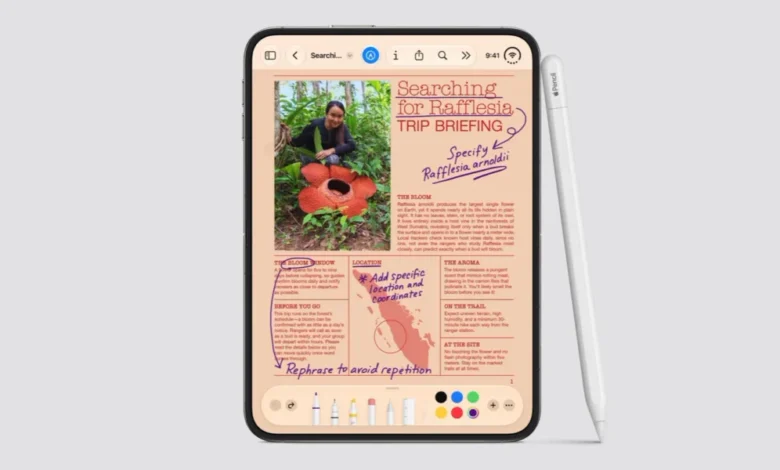
The recent launch of the Apple iPhone Duo has reignited a critical industry debate regarding the intersection of ultra-slim hardware design and user-centric productivity tools. While the device itself has been noted for its refined aesthetics rather than a fundamental disruption of the foldable market, its approach to stylus integration represents a calculated engineering pivot. By enabling compatibility with the existing USB-C Apple Pencil, Apple has signaled that productivity remains a core pillar of the foldable experience, even as the company navigated significant manufacturing hurdles to reach this point. This development stands in stark contrast to the current strategy employed by Samsung, which has prioritized chassis reduction over the inclusion of digitizer layers for stylus input.
A Chronology of Stylus Integration in Foldable Devices
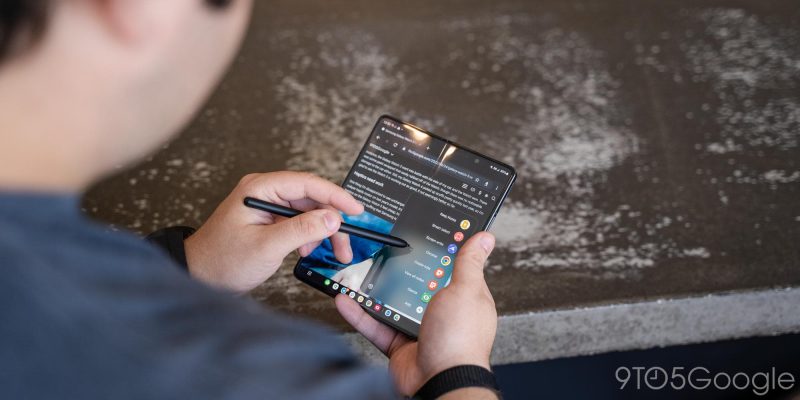
The trajectory of stylus support in foldable smartphones has been far from linear. In 2022, Samsung positioned the Galaxy Z Fold 3 as a trailblazer in the mobile productivity space. By introducing specialized S Pen support—utilizing a digitizer layer designed specifically to handle the pressure of the foldable’s flexible internal screen—Samsung successfully courted power users who mourned the sunset of the Galaxy Note series. This iteration of the S Pen was notable for its passive design; it required no internal battery, relying instead on electromagnetic resonance (EMR) technology.
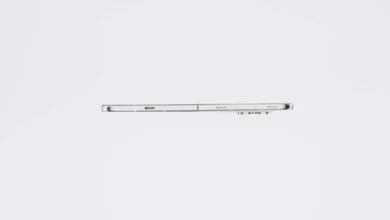
However, the industry trend toward "thinner and lighter" hardware soon collided with the physical realities of digitizer integration. As Samsung progressed toward the Galaxy Z Fold 7, engineers faced a choice between maintaining stylus compatibility and achieving industry-leading dimensions. In a move that polarized its loyal user base, the company ultimately removed the digitizer layer, citing the need for a reduced device profile. The subsequent iterations, the Galaxy Z Fold 8 and Z Fold 8 Ultra, doubled down on this design philosophy, leaving users without a native input method for precision tasks.
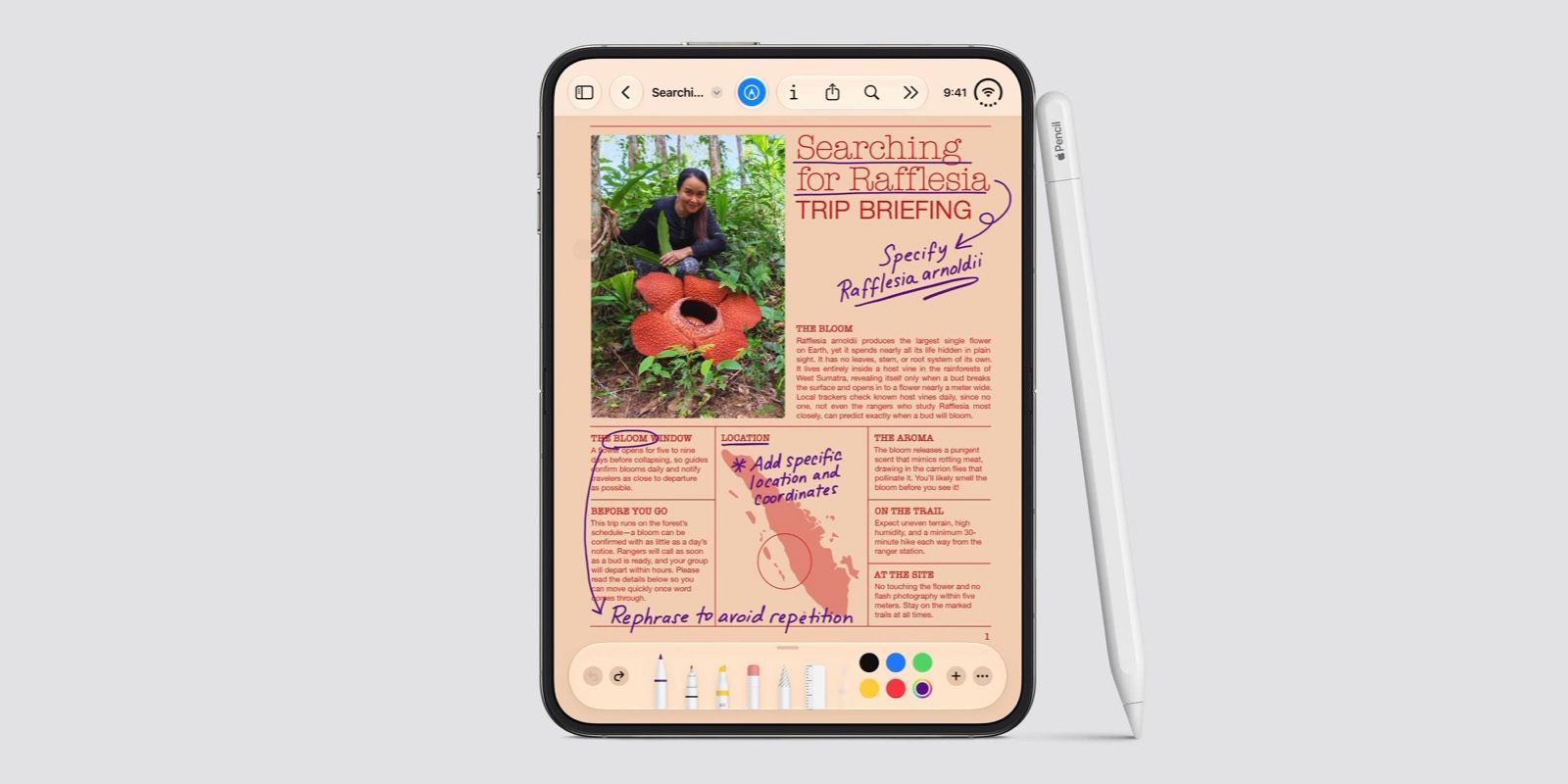
The timeline shifted in September 2026, when Apple entered the foldable segment. According to reports from Bloomberg, Apple’s initial roadmap for the iPhone Duo included a dedicated, miniaturized Apple Pencil designed to attach magnetically to the device’s hinge. This specialized peripheral was intended to provide a seamless, integrated experience similar to the iPad Pro line. However, technical complications during the pre-production phase—likely related to the structural integrity of the hinge mechanism and the electromagnetic interference between the stylus and the phone’s internal components—forced a last-minute pivot. Instead of delaying the launch, Apple opted to enable support for the existing USB-C Apple Pencil via a software update, which is currently scheduled for deployment late in the fourth quarter of 2026.
The Engineering Conflict: Thickness vs. Functionality
The technical challenges inherent in foldable stylus support are rooted in the physics of screen architecture. A traditional active stylus requires a digitizer layer located beneath the flexible OLED panel. This layer is responsible for sensing the pen’s position, pressure, and tilt. In a foldable device, this layer must be exceptionally durable to withstand thousands of folding cycles without cracking or losing conductivity.
Adding this layer, however, complicates the "stack-up"—the internal layering of materials that dictates the device’s thickness. Samsung’s recent focus on the Fold 8 series has been on optimizing the hinge and display structure to eliminate the "crease" and reduce the overall millimeter count. By removing the digitizer, Samsung effectively saved roughly 0.3mm to 0.5mm of internal space, which significantly impacts the device’s weight and the feel of the hinge assembly.
Apple’s implementation suggests a different philosophy: that software-level compensation can bridge the gap where hardware integration proves too costly or complex. By utilizing the existing USB-C Apple Pencil, Apple is essentially offloading the need for a proprietary, device-specific stylus, instead leveraging its existing ecosystem of accessories. Analysts suggest that this "ecosystem-first" approach allows Apple to test the appetite for stylus-based productivity on a foldable form factor without committing to the manufacturing risks of a dedicated, miniaturized accessory.
Market Implications and Competitive Responses
The current landscape leaves Samsung in a precarious position. While the Galaxy Z Fold series remains the market leader in terms of global sales and brand recognition, the absence of stylus support has created a vacuum that competitors are eager to fill. Several Chinese manufacturers, including Honor and Vivo, have already integrated digitizer technology into their flagship foldables, touting them as superior tools for creative professionals and enterprise users.
Industry observers suggest that the inclusion of stylus support in the iPhone Duo—even if it arrives as a post-launch software update—will likely force Samsung’s hand. Internal sources suggest that the R&D teams at Samsung are currently evaluating new materials for the Galaxy Z Fold 9, specifically focusing on ultra-thin, flexible digitizer films that do not compromise the device’s structural integrity or thickness.
Furthermore, the "software-not-hardware" path taken by Apple serves as a cautionary tale for the industry. It demonstrates that even a company with the supply chain dominance of Apple can encounter "technical problems" that derail hardware-specific peripherals. This underscores the volatility of the foldable market, where the maturation of the display technology itself is still an ongoing process.
Broader Impact on Enterprise and Productivity
For the enterprise sector, the return of the stylus to high-end mobile devices is not merely a feature, but a requirement. In industries such as architecture, engineering, and healthcare, the ability to annotate documents, sign digital contracts, and sketch layouts on a portable, foldable screen is a primary driver for hardware adoption.
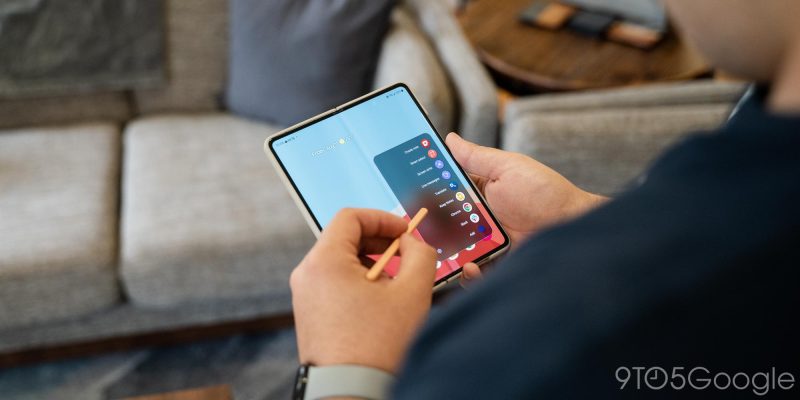
The move by Apple, combined with the pressure from Android rivals, indicates a shift in the foldable narrative. The industry is moving away from the "novelty" phase of folding screens and toward a "utility" phase. The central question for the next eighteen months is no longer just "can it fold," but "how effectively can it function as a workspace?"
Samsung’s response to this shift will be a defining factor for the Galaxy Z Fold 9. If the company continues to favor thinness over stylus support, it risks alienating the core user base that built the Fold brand into what it is today. Conversely, if Samsung manages to reintegrate the digitizer without sacrificing its gains in chassis reduction, it will reassert its dominance as the innovator in the foldable space.
Conclusion
The Apple iPhone Duo’s foray into stylus support is a strategic milestone that highlights the difficult balance between form and function. While the current solution is an interim measure, it acknowledges a fundamental truth of the modern mobile market: users who purchase high-end, large-screen devices expect them to serve as more than just media consumption tools.
As the calendar turns toward 2027, the focus will undoubtedly shift to how hardware manufacturers resolve the conflict between ultra-slim profiles and input precision. Whether through new materials, software-driven digitizer emulation, or a return to thicker, more feature-rich chassis designs, the race to define the "ultimate" foldable experience is far from over. For now, the industry has a new benchmark, and the burden of proof rests on those who have chosen to leave the stylus on the cutting room floor. The evolution of the foldable, once defined by its screen, is now being defined by how we interact with it.