IPhone Duo: A Comprehensive Deep Dive into Apple’s First Foldable Smartphone

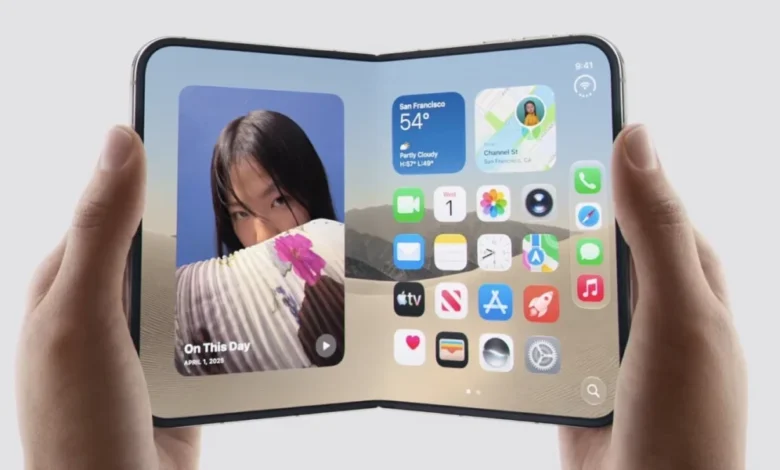
The unveiling of the iPhone Duo represents the most significant architectural departure for Apple since the debut of the original iPhone in 2007. As the company’s first entry into the foldable device market, the iPhone Duo aims to redefine the intersection of mobile portability and tablet-grade productivity. While the headline features—a dual-display foldable chassis, advanced camera arrays, and enhanced battery efficiency—have captured the public imagination, a closer inspection of the technical specifications and operational nuances reveals a device that is as polarizing as it is innovative.
The Chronology of Development and Announcement
For years, rumors surrounding a "foldable iPhone" have permeated the tech industry, driven by competitive pressure from rivals like Samsung and Google, both of whom have iterated through multiple generations of foldable hardware. Apple’s approach has been characteristically deliberate. While the industry moved toward flexible OLED panels as early as 2019, Apple reportedly spent the better part of five years refining the hinge mechanics and display durability before committing to a commercial launch.
The announcement on September 9, 2026, served as the formal curtain-raiser. Following the keynote, Apple confirmed that the iPhone Duo would follow a staggered release schedule compared to the standard iPhone 18 series. While the iPhone 18 Pro is set to arrive in consumers’ hands later this week, the iPhone Duo remains in a pre-order window until October 16, with the first units slated for delivery on October 23. This timeline suggests that Apple is allowing extra time for manufacturing ramp-up, a common strategy when dealing with complex, new-form-factor production lines.

Technical Specifications and Design Nuances
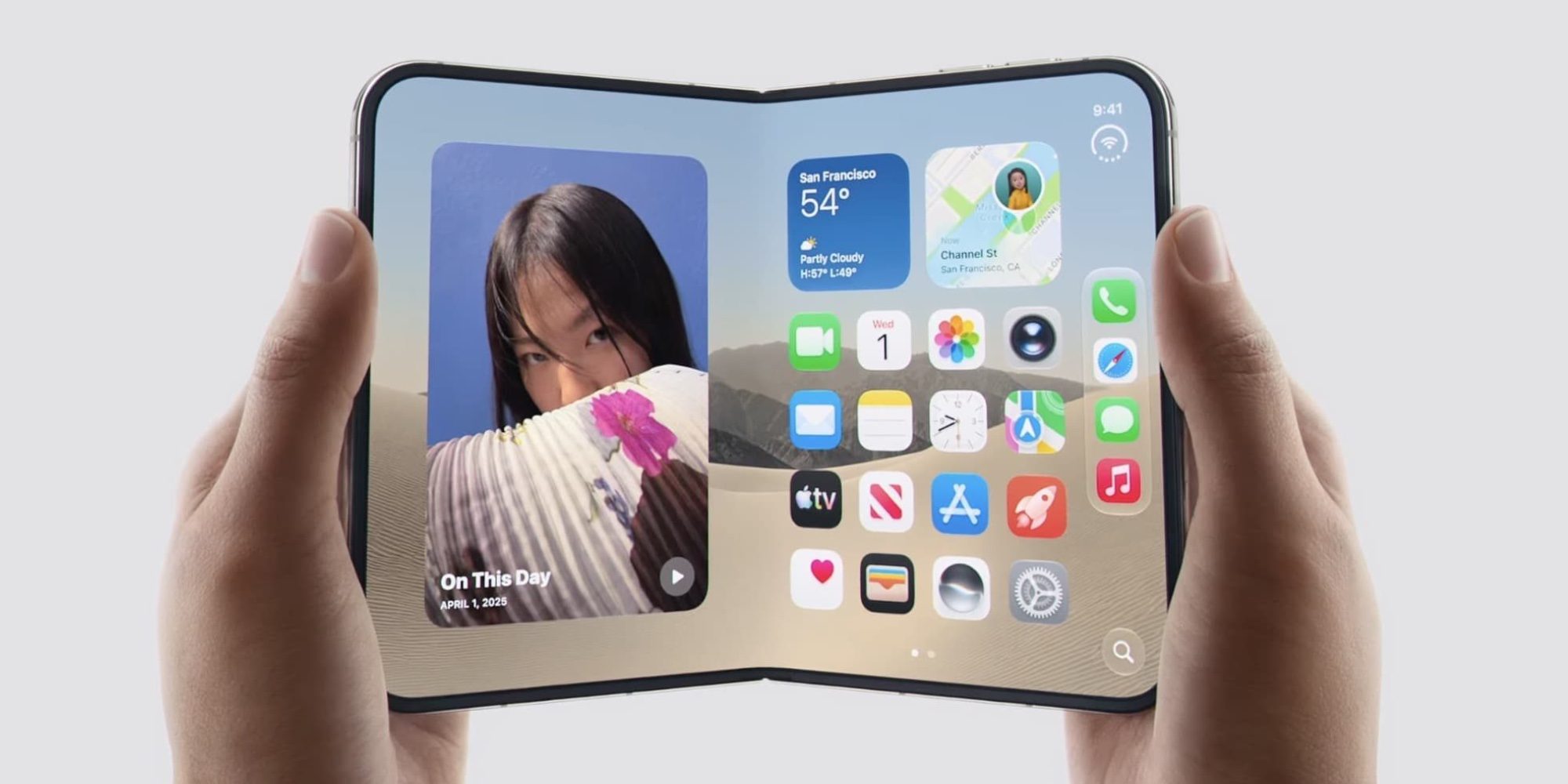
The iPhone Duo is defined by a dichotomy between its internal and external user experiences. Unlike conventional smartphones, the Duo is built around two distinct display environments.
One of the most notable, yet understated, hardware choices is the application of nano-texture glass. Apple has exclusively applied this finish to the internal, folding display. This design choice is likely intended to reduce glare and improve tactile friction—making it feel more like a writing surface—when using the device in its unfolded, tablet-like state. Curiously, the outer "cover" display retains the standard high-gloss glass found on traditional iPhones, prioritizing durability and scratch resistance for the screen that will see the most frequent handling.
Control schemes have also undergone a shift. The device includes the modern Camera Control button, emphasizing Apple’s focus on mobile photography and videography. However, in a surprising omission, the Action button—a fixture on the iPhone 15 Pro and 16 series—is absent. This suggests that the internal space constraints of a folding chassis necessitated a trade-off in physical inputs. Whether this reflects a change in user preference or a limitation of the current hinge-integrated frame remains a point of debate among hardware analysts.
Ecosystem Integration and Software Architecture
The iPhone Duo will ship with iOS 27.1 out of the box. Given the late October release date, this version of the operating system is clearly optimized for the unique multitasking requirements of a foldable device. The software must bridge the gap between a standard phone interface and a wide-screen tablet experience, utilizing "Continuity" features that allow apps to seamlessly transition as the device unfolds.
Furthermore, Apple has confirmed support for the Apple Pencil, though with notable limitations. Currently, only the USB-C version of the Apple Pencil is supported. The omission of the Apple Pencil Pro, which features advanced haptic feedback and barrel-roll gestures, indicates that the current digitizer layer in the iPhone Duo’s display may not yet be compatible with the Pro model’s internal sensors. This support is slated to arrive later in the year, likely via a firmware update to iOS 27.1.
Global Connectivity and eSIM Exclusivity
In a move that continues Apple’s push toward a port-less and card-less future, the iPhone Duo is strictly an eSIM-only device globally. This policy extends to markets like China, where physical SIM cards have remained the standard for consumer preference and carrier infrastructure. By mandating eSIM, Apple is effectively forcing a change in market behavior, which may present logistical challenges for users who frequently travel or switch between regional carriers that have been slower to adopt digital SIM provisioning.
Market Implications and Competitive Positioning
The entry of the iPhone Duo into the market is not merely a product launch; it is a tactical shift in Apple’s hardware strategy. By positioning the Duo as a premium, high-utility device, Apple is attempting to capture the segment of power users who have historically migrated to Android foldables to satisfy their need for "on-the-go" screen real estate.
The success of the iPhone Duo will likely hinge on two factors: the long-term structural integrity of the folding mechanism and the developers’ willingness to optimize apps for the new aspect ratios. Apple’s ecosystem of developers has historically been highly responsive, but the transition from a fixed screen to a variable one requires a fundamental shift in interface design.

From a financial perspective, the iPhone Duo represents a high-margin opportunity. By segmenting the device from the iPhone 18 Pro series, Apple can maintain a higher price point while catering to a specialized demographic. Analysts from major financial firms have noted that if the iPhone Duo gains significant traction, it could influence the average selling price (ASP) of the entire iPhone lineup for the 2027 fiscal year.
Official Stance and Consumer Feedback
While Apple has not provided a breakdown of expected sales, the company’s marketing materials emphasize the device’s "versatility" and "unparalleled screen area." The response from the tech community has been one of cautious optimism. Early reviews of the prototype units have praised the hinge tension, which allows the device to stay propped at various angles—a feature dubbed "Duo Standby Mode."
However, the lack of an Action button and the restricted Apple Pencil compatibility are points that prospective buyers are scrutinizing closely. In forums and social media discussions, users have expressed a mix of excitement for the foldable form factor and frustration over the lack of parity with the Pro-tier traditional iPhones.
Looking Ahead
The launch of the iPhone Duo marks the beginning of a new chapter for the iPhone. As the technology matures, it is expected that the features currently missing—such as advanced stylus support and potentially a more uniform display finish—will be integrated into future iterations.

For now, the iPhone Duo stands as a testament to Apple’s commitment to cautious, deliberate innovation. It is not a replacement for the standard iPhone but an expansion of what the platform can be. Whether the market is ready to embrace a foldable device from Cupertino at this price point remains to be seen, but as of October 2026, the trajectory of the smartphone market has undeniably shifted. The iPhone Duo is not just a phone that folds; it is a signal that the era of the static smartphone screen is, at long last, evolving into something more dynamic.