Spud-nik on the Moon: Oregon State University Researchers Successfully Grow Potatoes in Simulated Lunar Soil to Advance Space Exploration

As space agencies worldwide look toward establishing a permanent human presence beyond Earth, one of the most persistent logistical challenges has been how to feed astronauts during long-duration missions. While modern rocketry has made significant strides in reducing transit times and improving payload capacities, transporting thousands of pounds of fresh produce from Earth to a lunar outpost remains economically and physically impractical. Addressing this critical bottleneck, researchers at the College of Agricultural Sciences at Oregon State University (OSU) have achieved a major scientific breakthrough: successfully cultivating potatoes in simulated lunar soil.
Published in the journal Microgravity on November 20, the study demonstrates that the humble potato—a staple crop renowned for its high caloric density, ease of growth, and nutritional profile—can complete its entire life cycle in lunar regolith when properly amended. This development marks a vital stepping stone toward sustainable, in-situ resource utilization (ISRU) for future lunar inhabitants, potentially transforming science fiction concepts of space farming into operational reality.
The Logistics of Sustaining Life on the Moon
The ambition to return humans to the moon, epitomized by NASA’s Artemis program, is no longer limited to short exploration visits akin to the Apollo missions of the late 20th century. Instead, space agencies envision a sustained ecosystem where astronauts live and work in lunar habitats for months at a time. Designing a permanent moon base requires addressing basic physiological necessities: oxygen, water, and reliable sources of nutrition.
While advanced recycling systems can handle water and air, food logistics present an ongoing challenge. According to NASA estimates, supplying a single astronaut with food for a year requires hundreds of pounds of payload weight. Scaling this up for a diverse crew residing on the lunar surface indefinitely makes resupply missions from Earth economically burdensome and vulnerable to supply chain disruptions.
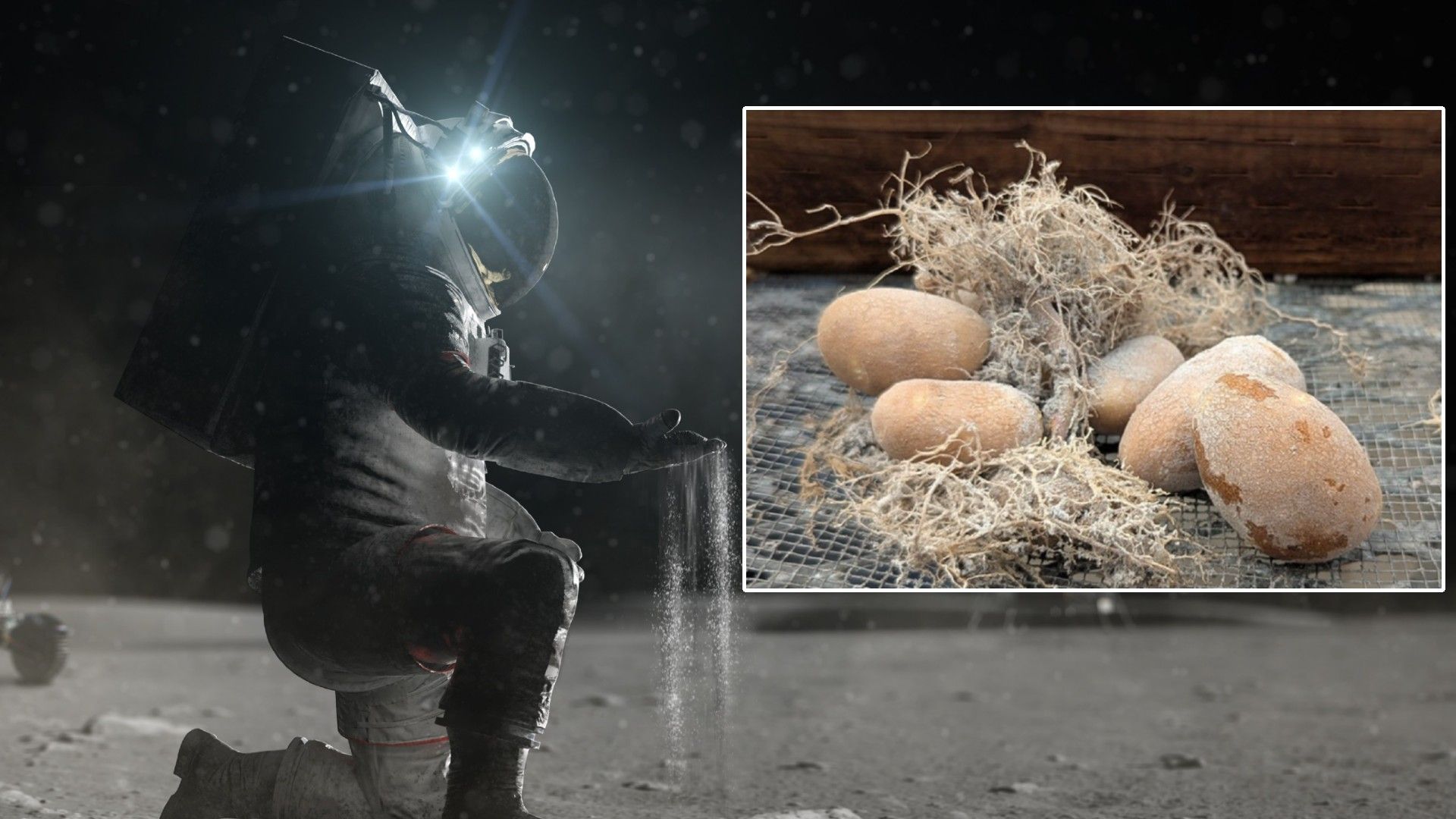
To overcome this, agricultural scientists have turned their attention to the moon’s surface itself. However, actual lunar regolith—the fine, pulverized rock and dust blanketing the lunar highlands and maria—presents a hostile environment for biological life. Devoid of organic material, packed with sharp, unweathered mineral fragments, and containing chemical compounds that can be toxic to plant physiology, raw moon dust cannot support agriculture on its own.
Replicating the Lunar Surface in an Oregon Laboratory
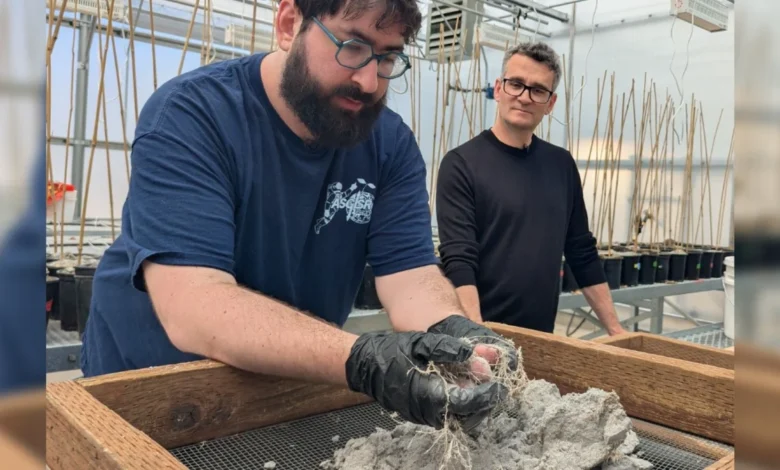
To test whether agricultural yields could be coaxed from such an unpromising medium, the OSU research team, led by associate professor Aymeric Goyer and postdoctoral researcher David Handy, engineered a controlled experimental framework. Rather than relying on precious, highly regulated samples of actual lunar soil brought back by Apollo astronauts, the team utilized simulated lunar regolith.
This simulant was designed to replicate the unique mineralogical and physical characteristics of various lunar regions, including both the dark, basaltic volcanic plains known as lunar maria and the brighter, anorthosite-rich lunar highlands. Across multiple trials, the scientists planted potato tubers in five distinct types of simulated regolith.
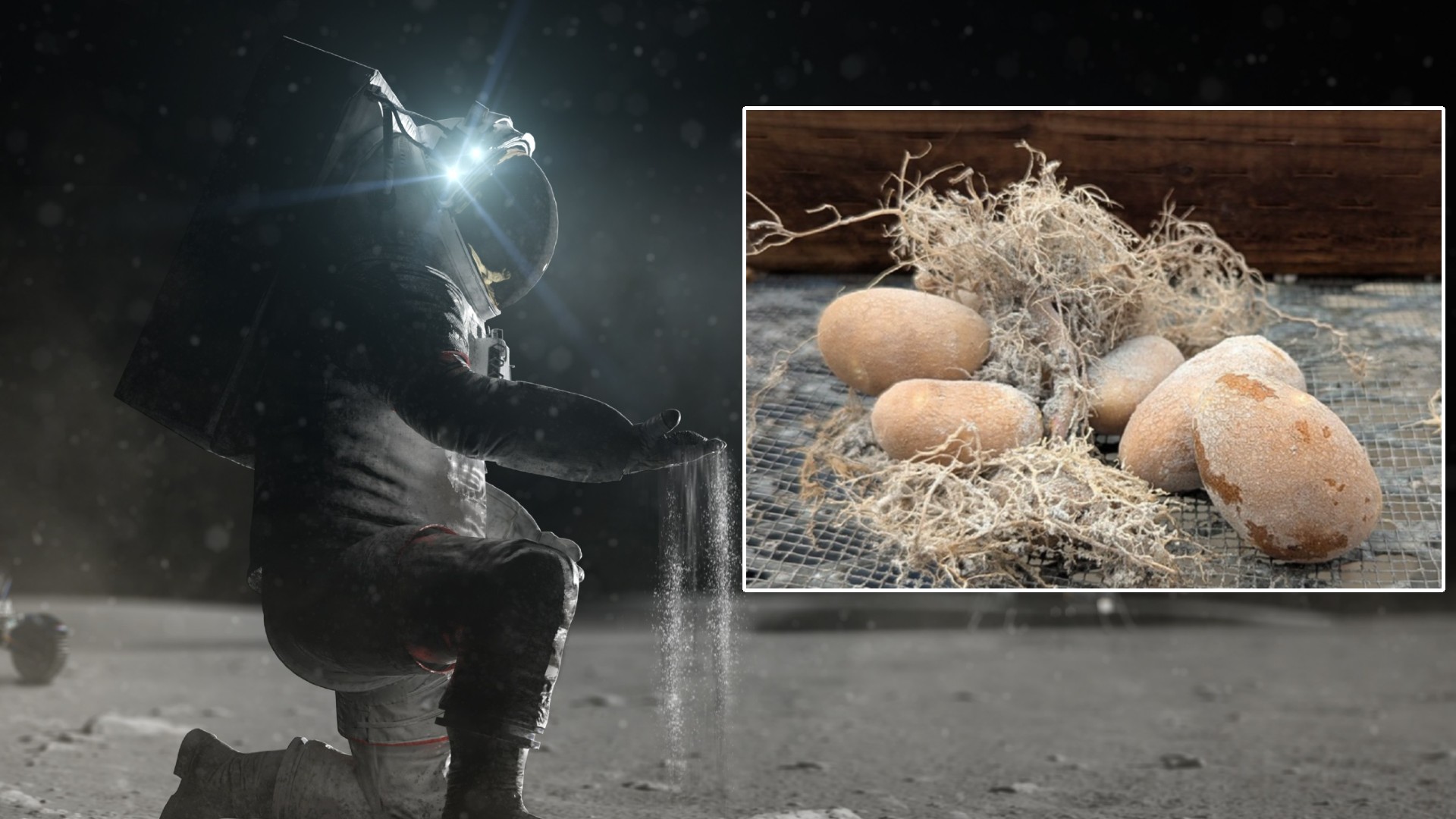
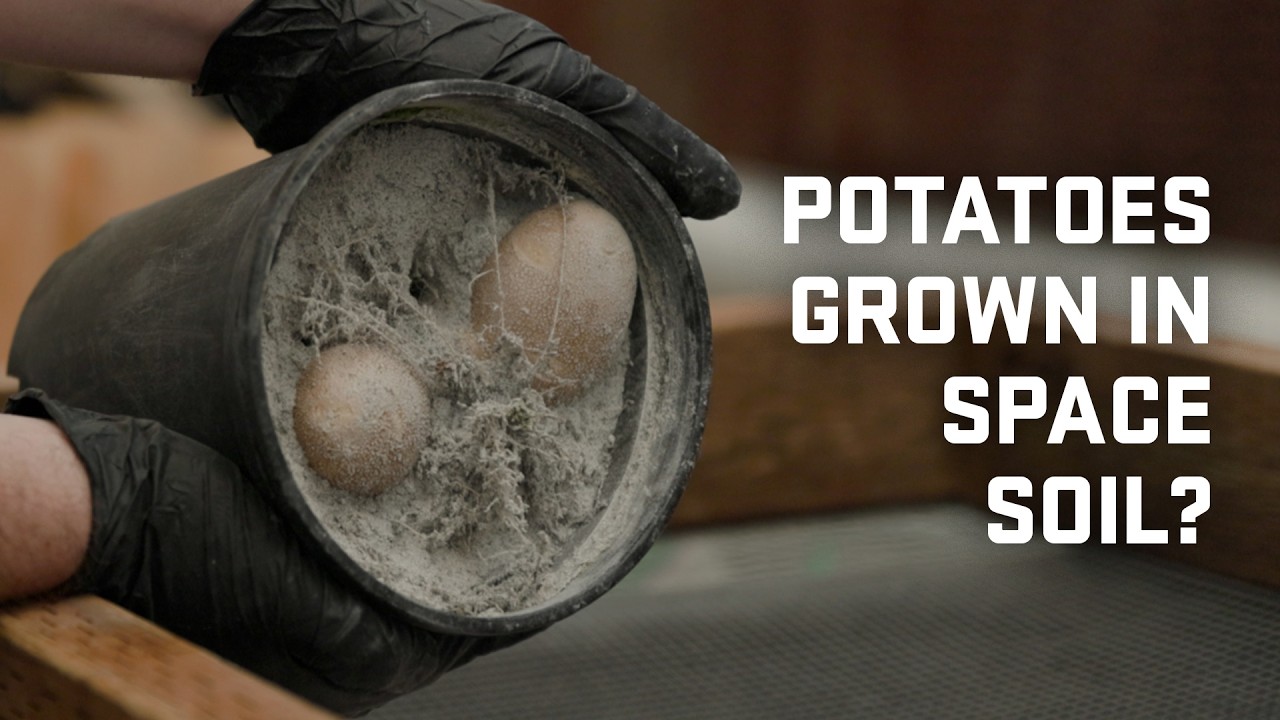
The breakthrough came through the introduction of vermicompost—an organic, nutrient-rich soil amendment produced by earthworms. By systematically testing varying concentrations of vermicompost mixed into the simulated regolith, the researchers discovered a viable formula. When the fake lunar dust was blended with approximately 30 percent vermicompost, the growth performance, overall health, and final yield of the potatoes closely matched those of control crops grown in standard, terrestrial potting soil.
"We found that potatoes can complete their entire life cycle in simulated lunar soil when supplemented with organic matter," Goyer stated in a release detailing the findings. "That’s an important step toward developing reliable food production systems that could support long-term human exploration of the moon."
Neutralizing Toxicity and Unlocking Agricultural Potential
A primary hurdle in utilizing extraterrestrial regolith for farming is toxicity. Unlike terrestrial soils, which have been weathered by wind, water, and millennia of biological activity, lunar dust consists of jagged micro-particles created by continuous micrometeoroid impacts. Furthermore, it contains reactive chemical species and heavy metal concentrations that can stunt root growth, disrupt cellular processes, and poison flora.
Handy explained that the addition of organic compost plays a dual role in mitigating these obstacles. Beyond supplying essential macronutrients such as nitrogen, phosphorus, and potassium, the organic matter acts as a buffer. "We believe the compost helps balance some of the toxicity we see in lunar regolith by reducing plant exposure to harmful compounds," Handy noted. The organic molecules bind to reactive elements within the regolith, neutralizing their adverse effects while improving the soil’s overall water-retention capacity and aeration—critical physical properties that raw regolith severely lacks.
This methodology aligns with broader aerospace strategies prioritizing in-situ resource utilization. Rather than attempting to ship entire farming systems or massive quantities of terrestrial topsoil to the moon, future missions could rely on a "hybrid" approach. Astronauts would transport a lightweight, highly concentrated biological starter kit—such as nutrient-dense compost or specialized microbial inoculants—and blend it with locally harvested lunar regolith to drastically multiply their usable growing medium.
Broader Implications for Space Exploration and Beyond
The successful cultivation of potatoes in lunar simulant carries significant implications for the future architecture of space exploration. Beyond the moon, technologies developed to farm in hostile extraterrestrial environments will likely play a foundational role in crewed missions to Mars. Martian regolith presents similar challenges regarding chemical toxicity, perchlorates, and a lack of organic nutrients.
Furthermore, agricultural research conducted under simulated low-gravity and harsh soil conditions often yields unexpected benefits for terrestrial farming. Techniques optimized for resource-scarce space environments—such as closed-loop water recycling, precision nutrient delivery, and cultivating crops in degraded or arid soils—can be adapted to combat food security challenges on Earth, particularly in regions afflicted by drought, soil erosion, and climate degradation.
Financial backing for the OSU project was provided by NASA, reflecting the space agency’s growing emphasis on sustainable life-support technologies. As engineering teams continue to design the habitats, rovers, and power grids required for a long-term lunar presence, biological life-support systems are steadily moving from theoretical concepts to tangible engineering requirements.
While significant work remains—including testing crop viability under actual microgravity conditions and verifying the long-term safety of consuming vegetables grown in chemically modified regolith—the research from Oregon State University demonstrates that the prospect of harvesting a fresh crop on the moon is inching closer to reality.