Xiaomi 18 Pro to Feature Hardware-Level Smart Privacy Display to Rival Samsung

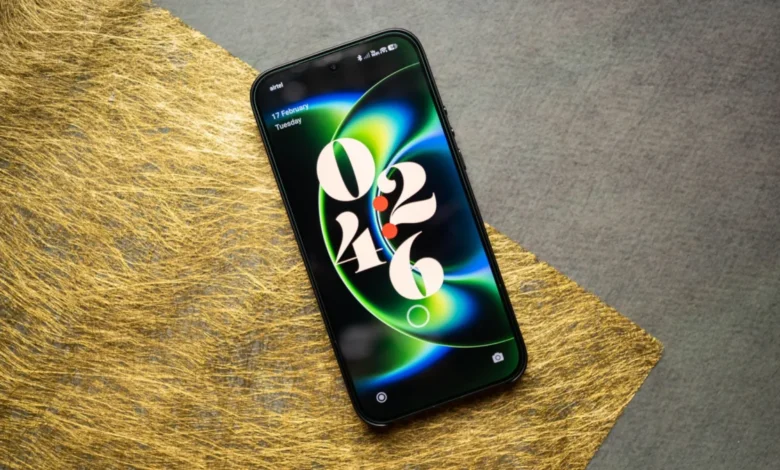
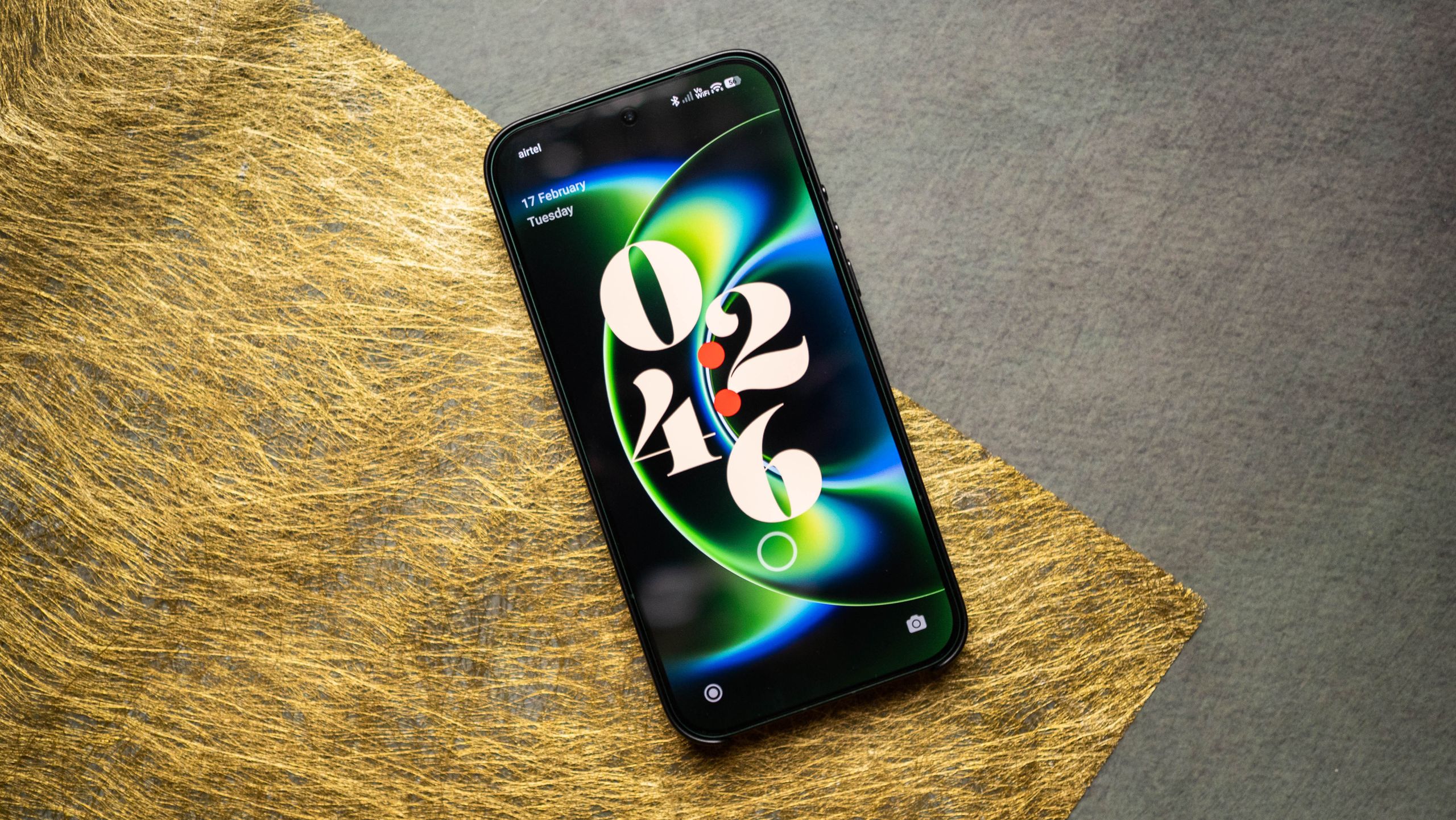
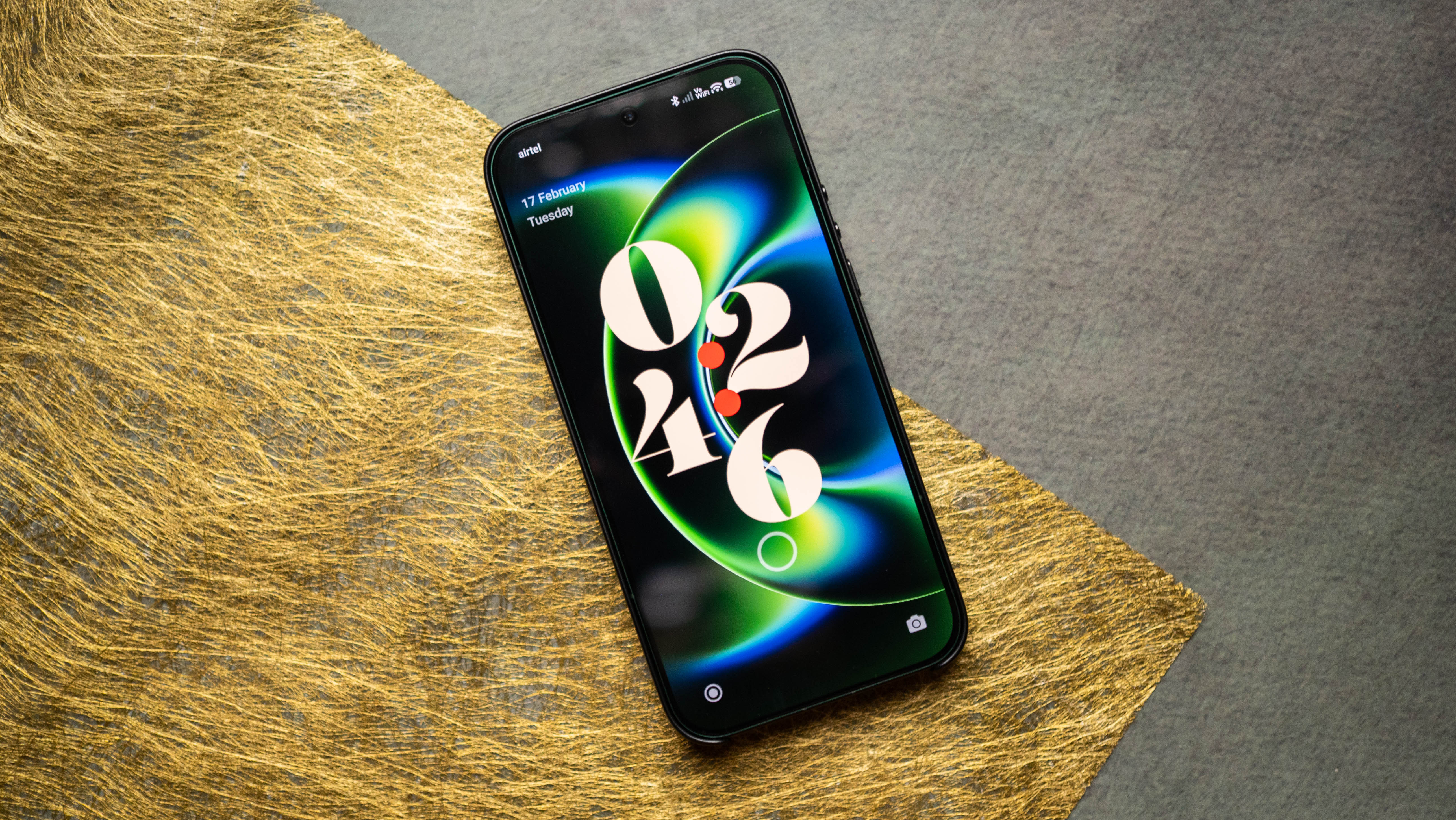
The global smartphone landscape is continuously evolving, with manufacturers increasingly focusing on privacy, user security, and hardware innovation. Xiaomi has officially confirmed that its upcoming flagship lineup, spearheaded by the Xiaomi 18 Pro, will incorporate a cutting-edge smart privacy display built directly into the hardware. This strategic move positions Xiaomi as a direct competitor to Samsung in the realm of advanced built-in optical security features, following the footsteps of Samsung’s Galaxy S26 Ultra.
With the official launch event just days away, anticipation has reached an all-time high. The inclusion of this sophisticated privacy technology signals a major shift in how modern smartphones handle visual hacking and public data exposure, moving away from temporary software filters and cumbersome third-party screen protectors toward integrated display-level engineering.
Understanding the Technology: How Hardware-Level Privacy Works
For years, smartphone users concerned about "shoulder surfing"—where unauthorized individuals peek at sensitive information such as banking details, private messages, or corporate documents in public spaces—have relied on aftermarket physical privacy filters. While these plastic or tempered glass protectors do darken the screen from side angles, they frequently degrade overall display brightness, reduce touch sensitivity, and interfere with under-display fingerprint scanners.
Samsung introduced a paradigm shift with the Galaxy S26 Ultra by integrating privacy control directly into the display hardware. Xiaomi is now adopting and refining this approach for the Xiaomi 18 Pro. According to teasers published by the company on the Chinese social media platform Weibo, Xiaomi’s smart privacy screen relies on specialized matrix engineering within the OLED panel itself.
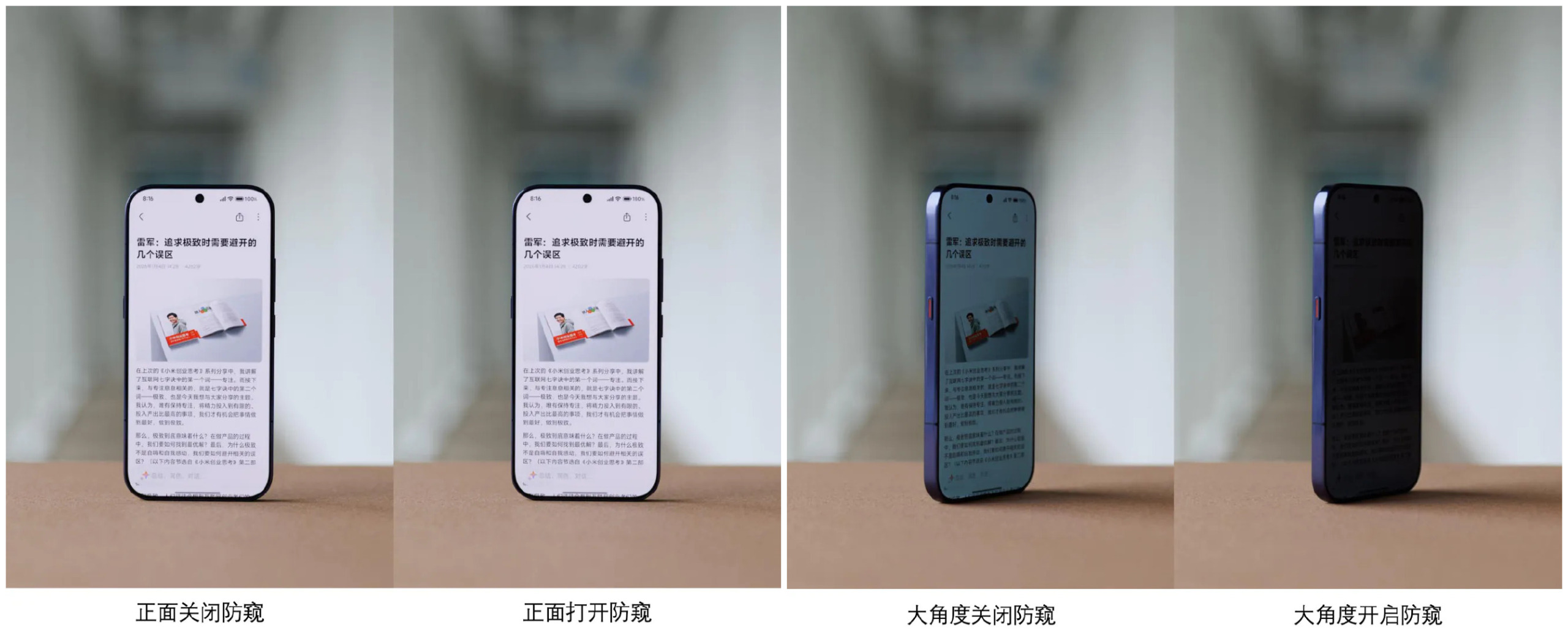
When the privacy mode is activated, light distribution is tightly controlled. An individual positioned directly in front of the device experiences zero degradation in clarity, color accuracy, or brightness. However, for anyone attempting to view the screen from an oblique angle—specifically beyond a 60-degree viewing angle—the side brightness plunges dramatically to roughly 1%. To lateral observers, the display appears almost completely black, rendering text, images, and video entirely illegible.
Overcoming Industry Limitations: The Brightness Advantage
While the concept of an integrated privacy display is a major leap forward, early implementations have faced technical hurdles. Industry analysts noted that Samsung’s initial rollout on the Galaxy S26 Ultra occasionally introduced a minor trade-off: enabling the privacy filter could subtly diminish the perceived brightness even for the primary user looking straight at the panel.
Xiaomi claims to have resolved this specific user-experience friction point. In technical briefings released via marketing channels, the manufacturer emphasized that its proprietary engineering ensures normal front-on viewing remains entirely uncompromised. Users can toggle the privacy feature on without suffering a penalty in daily outdoor readability or peak brightness performance. This technical refinement could give Xiaomi a distinct competitive edge among productivity-focused consumers who frequently handle sensitive information in high-traffic environments such as airplanes, trains, and coffee shops.
Intelligent Software Integration
Hardware capability alone is rarely enough in the modern smartphone ecosystem; seamless software integration is vital for user adoption. Xiaomi has confirmed that the smart privacy display on the Xiaomi 18 Pro will feature deep system-level automation.
Rather than requiring users to manually toggle the feature on and off throughout the day, the operating system will coordinate with the display dynamically. For instance, the privacy mode can be programmed to automatically shield sensitive lock screen notifications the moment an unrecognized face is detected nearby, or when public transit environments trigger specific location-based security profiles. Furthermore, the feature is engineered to function fluidly with multi-tasking workflows, including floating windows and split-screen applications, ensuring that confidential corporate emails or messaging apps remain hidden even when multitasking in public view.
The Evolution of Xiaomi’s Flagship Strategy
The announcement of the smart privacy display follows a series of calculated leaks and official disclosures regarding the Xiaomi 18 series. Earlier, the company confirmed that the flagship lineup would feature a secondary "magical" rear display, continuing Xiaomi’s tradition of pushing eccentric yet functional industrial design boundaries.
By combining experimental aesthetic choices on the back with highly practical enterprise-grade security features on the front, Xiaomi is attempting to capture both tech enthusiasts and business professionals. The strategy reflects a broader industry trend where manufacturers are looking for unique hardware differentiators in a saturated market where incremental processor upgrades and camera megapixel races no longer guarantee consumer excitement.
Broader Industry Implications and Future Outlook
The normalization of hardware-level privacy displays across tier-one manufacturers like Samsung and Xiaomi marks a foundational shift in mobile engineering standards. As remote work and mobile-first corporate environments continue to expand, data leakage via visual observation has become a pressing cybersecurity vulnerability.
Traditional software solutions, such as blurring screens during app switching in the recent apps menu, only protect data during active multitasking. They do nothing to secure active typing, reading, or viewing sessions. By shifting the defense mechanism to the physical properties of the OLED subpixels, manufacturers are establishing a new baseline for consumer privacy.
If Xiaomi’s implementation of the 60-degree cutoff and 1% side-brightness reduction performs as advertised in real-world reviews, it could pressure competing brands—such as Apple, Google, and OnePlus—to accelerate development on their own proprietary privacy display technologies for upcoming product generations.
Launch Timeline and What Lies Ahead
Consumers and industry analysts will not have to wait long to evaluate the technology firsthand. The official launch event for the Xiaomi 18 series is scheduled to take place in just a few days. Alongside final pricing, global availability details, and comprehensive camera specifications, independent testing will soon verify whether Xiaomi’s claims regarding uncompromised front-on brightness and lateral blackout performance hold true.
As the smartphone market prepares for this next-generation release, the Xiaomi 18 Pro is shaping up to be one of the most talked-about devices of the year, bridging the gap between high-end multimedia consumption and rigorous personal data protection.