The Great Android Tablet Expansion: Are Consumers Really Asking for Oversized Screens

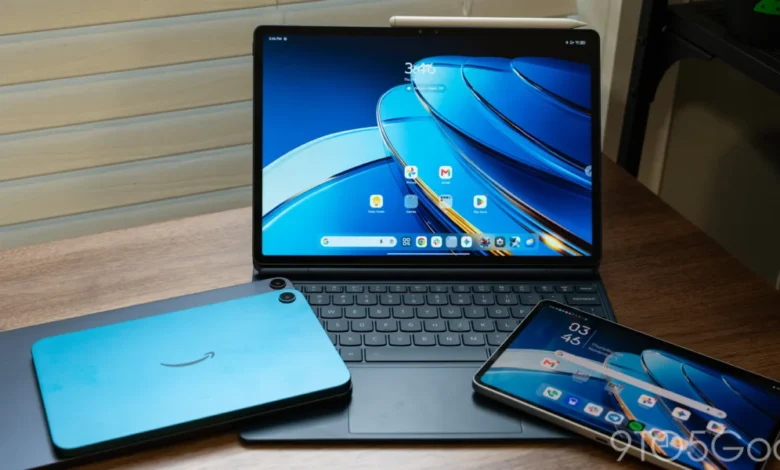
The Android tablet market is currently undergoing a structural transformation characterized by a distinct shift toward larger display sizes. While the historical trajectory of mobile computing once favored portability and handheld convenience, recent hardware releases from industry leaders such as Lenovo, Amazon, and RedMagic suggest that manufacturers are pivoting toward a "more is more" philosophy. This trend raises fundamental questions regarding user preference, hardware utility, and the long-term viability of the gargantuan slate form factor in an increasingly fragmented market.
The Evolution of the Tablet Form Factor
The history of the Android tablet has been marked by periodic identity crises. In the early 2010s, the market was dominated by 7-inch to 8-inch devices, pioneered by the original Google Nexus 7. These devices were positioned as media consumption tools designed to bridge the gap between smartphones and laptops. However, as smartphone screens grew larger—a trend often referred to as "phablet" proliferation—the utility of smaller tablets began to wane.
By the mid-2010s, manufacturers struggled to find a niche for tablets. Many OEMs retreated from the space entirely, leaving the market to be dominated by Apple’s iPad. It was not until the post-2020 era, driven by the shift toward remote work and digital education, that Android tablets saw a resurgence. This revival, however, came with a caveat: the new generation of tablets is significantly larger than their predecessors. Today, it is common to see flagship Android tablets pushing beyond 12 or 14 inches, effectively blurring the lines between tablets and traditional clamshell laptops.
Chronology of the Shift Toward "Ultra-Large" Displays
The timeline of this transition highlights a clear strategic pivot by major players in the ecosystem:
- 2019-2020: The pandemic-induced demand for home-office equipment created a surge in tablet sales. Users required devices that could handle multi-window multitasking and video conferencing, which served as a catalyst for larger displays.
- 2021-2022: Samsung solidified its position as a market leader in premium Android tablets with the Tab S8 Ultra, which featured a massive 14.6-inch screen. This release effectively normalized the "ultra-large" tablet category.
- 2023-2024: Other manufacturers, including Lenovo and Xiaomi, followed suit, expanding their portfolios to include "Pro" and "Max" variants that prioritized high-resolution, large-format OLED panels.
- Late 2025-2026: The market has reached a point where the standard flagship tablet is rarely under 11 inches. Even niche manufacturers like RedMagic have entered the space with gaming-focused tablets that prioritize large, high-refresh-rate displays to mimic a desktop gaming experience.
Market Data and Consumer Preferences
Industry data indicates a complex relationship between screen size and purchase intent. According to market intelligence reports, while the volume of shipments has increased for tablets overall, there is a distinct divergence in user demographics.

Prosumers and creative professionals represent the primary segment driving the demand for 13-inch and larger tablets. These users often leverage tablet-to-keyboard accessories to replace a secondary laptop. Conversely, data suggests that casual users—those who use tablets for reading, web browsing, or video streaming—still express high satisfaction with the 8-inch form factor. Despite this, supply-side data shows that OEMs are disproportionately allocating R&D resources to large-format devices. This creates a supply-demand mismatch where the average consumer is forced to purchase a device larger than their actual use case requires, simply because the premium specifications are gated behind the larger screen sizes.
Technological Drivers of the Size Increase
The move toward larger tablets is not merely an aesthetic choice; it is necessitated by technological requirements. High-density, high-refresh-rate OLED panels require substantial battery capacity, which in turn requires a larger chassis. Furthermore, as Android’s multitasking capabilities have improved—particularly with the refinements in Android 14 and 15—the operating system has become more efficient at utilizing "real estate."
Manufacturers argue that the "gargantuan" size is essential for:
- Productivity Workflows: Enabling side-by-side app operation without the visual clutter associated with smaller screens.
- Thermal Management: Larger devices provide better heat dissipation for modern, high-performance chipsets, which are increasingly being marketed for gaming and professional video editing.
- Media Immersion: Providing a near-cinematic experience for content consumption, which remains the primary use case for the majority of tablet owners.
Official Responses and Strategic Positioning
Representatives from leading hardware manufacturers have often framed the push toward larger tablets as an evolution of the "mobile office."
Lenovo, in recent communications regarding its premium tablet line, noted that the integration of stylus support and sophisticated keyboard docks turns these devices into "flexible workstations." By providing a 14-inch canvas, they argue, the device becomes a legitimate alternative to a lightweight laptop, which appeals to corporate buyers and students who prioritize mobility without sacrificing the ability to perform complex tasks.
RedMagic, meanwhile, has taken a different approach, positioning its large-screen tablets as portable gaming consoles. By integrating active cooling systems and high-end processors into a large frame, they are tapping into the mobile gaming market, where screen size directly correlates to a competitive advantage in tactical games.

Implications and Future Outlook
The industry’s obsession with larger tablets carries significant implications for the future of the ecosystem. First, the cost of entry for a high-quality Android tablet is rising. Larger screens, more complex battery management, and premium cooling solutions naturally lead to higher MSRPs, potentially alienating budget-conscious consumers who once relied on affordable, portable slates.
Second, there is the question of ergonomic sustainability. A 14-inch tablet, while portable, is difficult to use in a handheld fashion for extended periods. This limits the "tablet" experience to stationary use, effectively tethering the user to a desk or a stand. If the market continues to ignore the 8-inch segment, it risks creating a "missing middle" where users are forced to choose between a smartphone that is too small for professional work and a tablet that is too large for casual handheld interaction.
However, some analysts point to the potential for foldable technology to reconcile these two needs. As foldable devices become more affordable and durable, they may eventually replace the need for both small and medium-sized tablets. If a phone can unfold into an 8-inch or 10-inch display, the need for a dedicated 10-inch tablet may disappear, leaving the large 14-inch tablets as specialized tools for specific workflows.
Conclusion: The Consumer’s Dilemma
Ultimately, the current landscape of the Android tablet market reflects a strategic bet by manufacturers that consumers value power and screen real estate over pure portability. While the industry has successfully "upsized" the tablet, it remains to be seen whether this trend will capture the wider market or if it will reach a point of diminishing returns. As consumers, the decision to invest in a gargantuan tablet must be weighed against the reality of daily usage patterns. For now, the industry is moving forward at full speed, betting that if they build the largest, most capable screens possible, users will find a way to make them fit into their digital lives.