Vivo Reportedly Developing a Compact Wide Foldable Phone Targeted for a 2027 Launch


The global foldable smartphone market is bracing for a potential shift in form factors as supply chain whispers and industry tipsters point toward a new wave of competition. According to recent intelligence shared by well-known industry insider Digital Chat Station on the microblogging platform Weibo, Chinese smartphone manufacturer Vivo is actively continuing the development of a "wide fold" device. Unlike the prevailing industry trend of pushing internal display sizes toward expansive dimensions, Vivo’s upcoming conceptual device is rumored to adopt a more compact footprint, targeting a screen size smaller than 6.5 inches.
This strategic divergence stands in stark contrast to competitor roadmaps and the historical trajectory of book-style foldables. While manufacturers across the sector race to maximize screen real estate to mimic small tablets, Vivo’s purported timeline points to a 2027 release window for this unique hardware configuration. As foldable adoption matures globally, the introduction of a more pocket-friendly wide foldable could redefine ergonomics in a product category often criticized for bulkiness.
The Evolving Landscape of Wide Foldables
The concept of the "wide fold" gained significant traction as manufacturers sought to address ergonomic complaints associated with early-generation foldable devices. Traditional foldables often featured tall, narrow cover screens that made typing and standard daily usage feel cramped, resembling a standard candy-bar phone squeezed into an awkward aspect ratio. To counteract this, brands began adopting wider cover displays that mirror conventional smartphones, providing a more natural user experience when closed.
Industry heavyweights have heavily invested in this wider format. For instance, Samsung’s Galaxy Z Fold series—including iterations like the Galaxy Z Fold 8—has continued to gain popularity by maintaining expansive internal displays measuring approximately 7.6 inches. Similar dimensions have been adopted or rumored across various competing ecosystems, including hypothetical devices from Apple frequently discussed in industry circles.
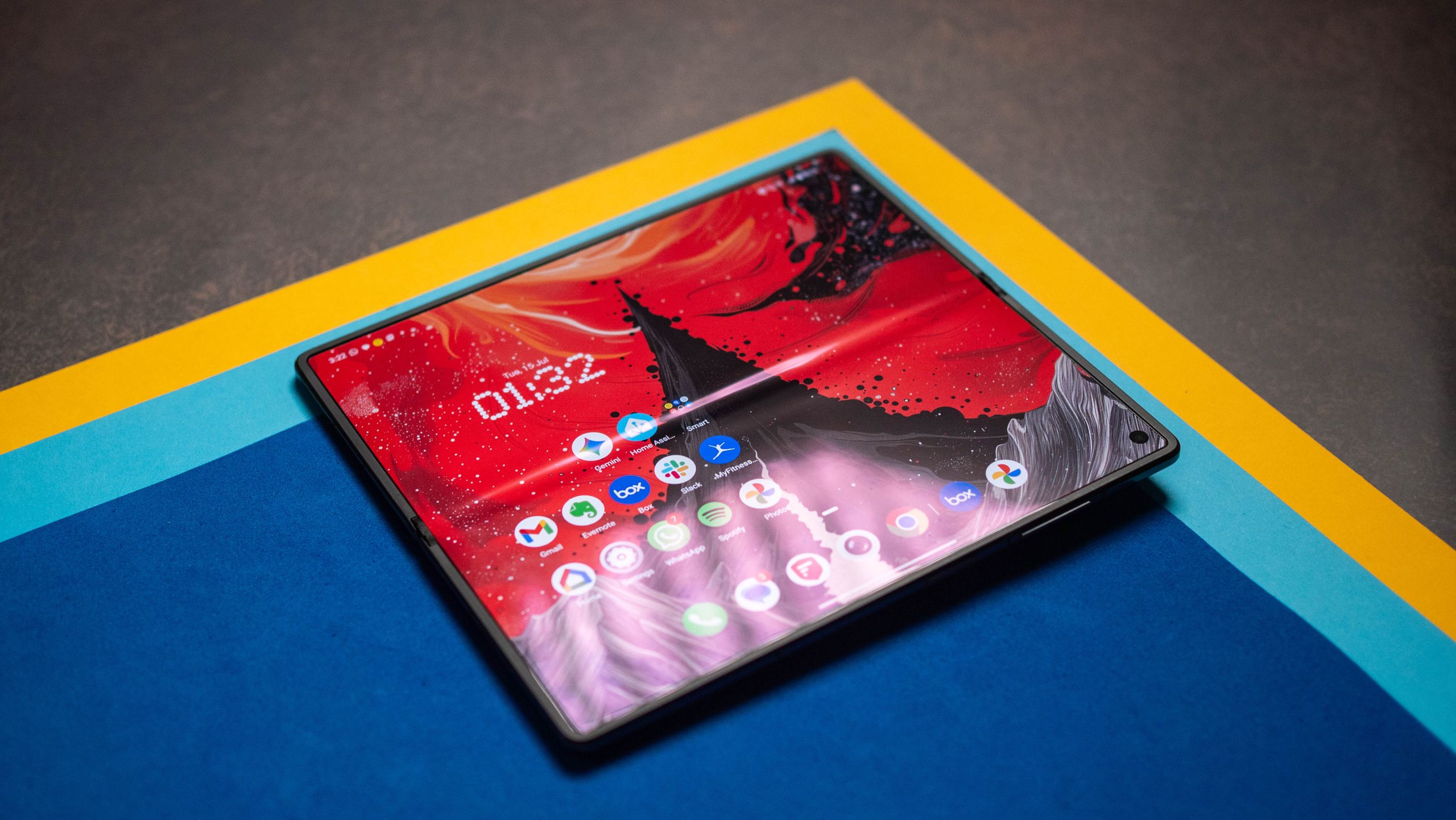
Amidst this rush toward larger canvases, Vivo’s reported pivot toward a sub-6.5-inch inner screen represents a calculated risk. By prioritizing compactness, Vivo may be targeting a demographic of consumers who appreciate the multitasking versatility of a foldable device but find current market offerings too heavy, wide, or cumbersome for one-handed operation.
Industry Competitors and Technical Expectations
While Vivo’s timeline points toward a 2027 market entry, other major original equipment manufacturers (OEMs) are plotting their own wide foldable strategies with distinct specifications. Industry leaks regarding rival brands present a contrasting picture focused on maximum screen acreage and powerhouse battery performance.
Reports surrounding Honor’s alleged wide foldable competitor indicate that the brand is leaning heavily into traditional sizing paradigms. Industry leaks suggest Honor’s device may feature a 7.6-inch internal display paired with a 5.5-inch cover screen, complemented by a massive battery capacity projected to reach or exceed 7,000mAh. Similarly, OPPO has been linked in supply chain rumors to a wide foldable concept boasting a 7.6-inch main display and a 5.5-inch outer screen, reportedly anchored by Qualcomm’s cutting-edge Snapdragon silicon. OPPO’s timeline suggests a potential commercial debut as early as the first quarter of 2027, placing it on a parallel track with Vivo’s anticipated release window.
Despite trailing behind competitors in terms of sheer display dimensions, Vivo’s hardware approach appears to rely heavily on internal component optimization and miniaturization engineering. According to insider communications from Digital Chat Station, the fundamental hardware architecture and core component selection for Vivo’s project have already been largely finalized. This advanced state of development suggests that while the launch is still years away, the structural blueprint of the device has passed initial prototyping phases.
Consumer Reception and Market Implications
Reaction within tech enthusiast communities—particularly on platforms where supply chain leaks frequently surface—has been largely pragmatic. Rather than dismissing the idea of a smaller foldable outright, analysts and consumers alike have expressed a willingness to evaluate the device based on its execution, build quality, and internal specifications.
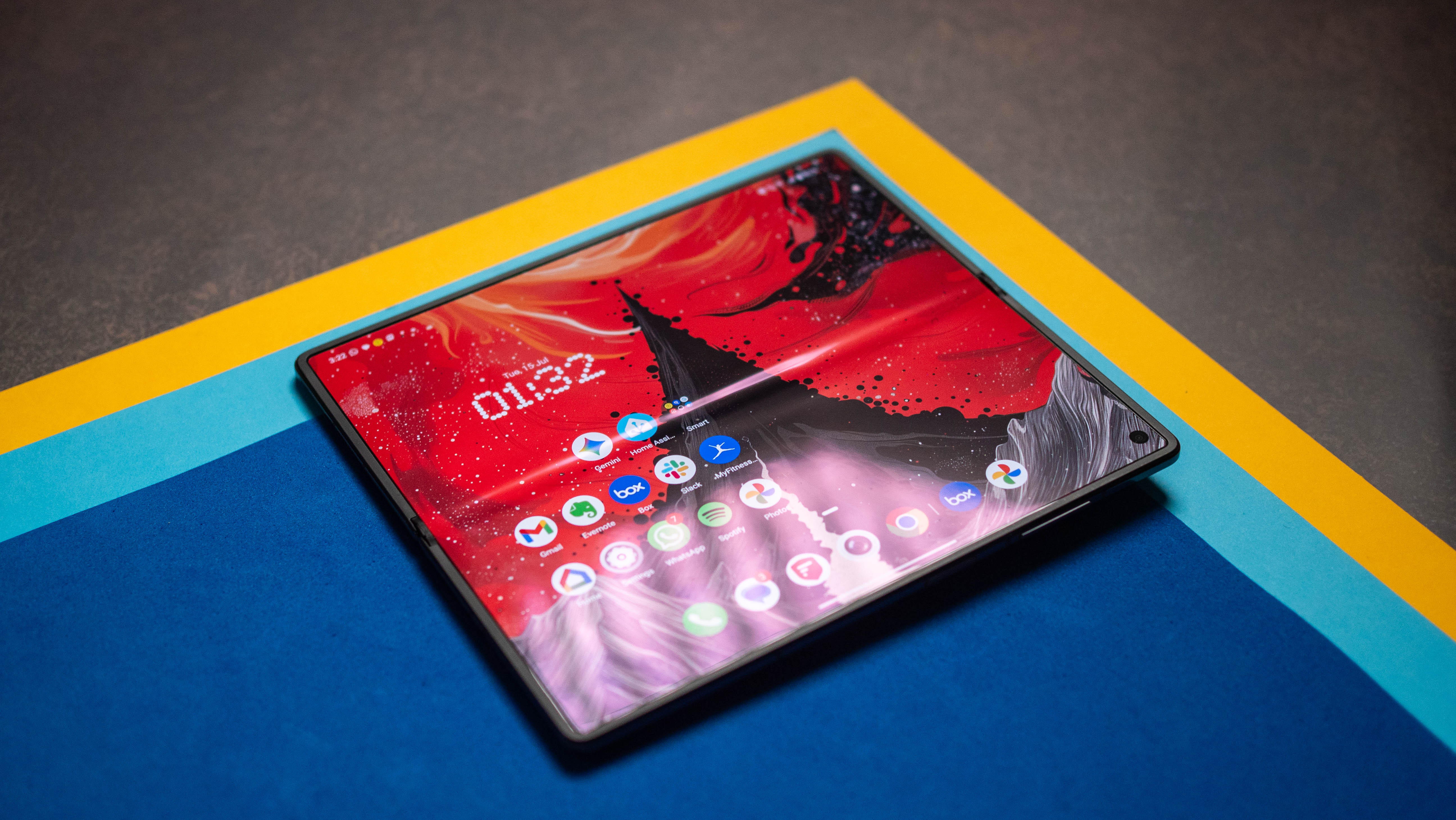
The primary concern for any compact foldable centers on battery life and thermal management. Shrinking the overall chassis leaves less physical volume for battery cells, a challenge that engineers must overcome through advanced silicon-carbon anode technologies or improved energy-efficiency processors. If Vivo can successfully deliver flagship-tier specifications, robust battery longevity, and a durable hinge mechanism within a sub-6.5-inch folding framework, the device could carve out a distinct and highly profitable niche.
Furthermore, the 2027 release target highlights the methodical, long-term planning required in the foldable sector. Developing specialized ultra-thin glass, proprietary hinge mechanisms, and customized user interface software optimized for unconventional aspect ratios demands years of research and development. By staking out a unique ergonomic proposition—small-form-factor wide folding—Vivo is attempting to differentiate itself in an increasingly crowded market dominated by iterative size increases.
Broader Outlook for the Foldable Ecosystem
As the foldable smartphone market transitions from an experimental novelty into a mature product category, differentiation becomes vital for sustained growth. The divergence in product strategy between Vivo and its competitors illustrates a healthy industry experimenting with different form-factor philosophies.
While brands like Honor and OPPO prioritize expansive viewing areas and massive power reserves, Vivo’s exploration of a compact wide format addresses a persistent user demand for pocketability without sacrificing the utility of a folding display. Whether this sub-6.5-inch vision successfully resonates with the broader consumer base upon its expected arrival in 2027 will depend heavily on pricing, regional availability, and how effectively the software ecosystem adapts to a more compact folding canvas. For now, the supply chain signals indicate that Vivo is charting its own course, setting the stage for a compelling battle of form factors in the years ahead.