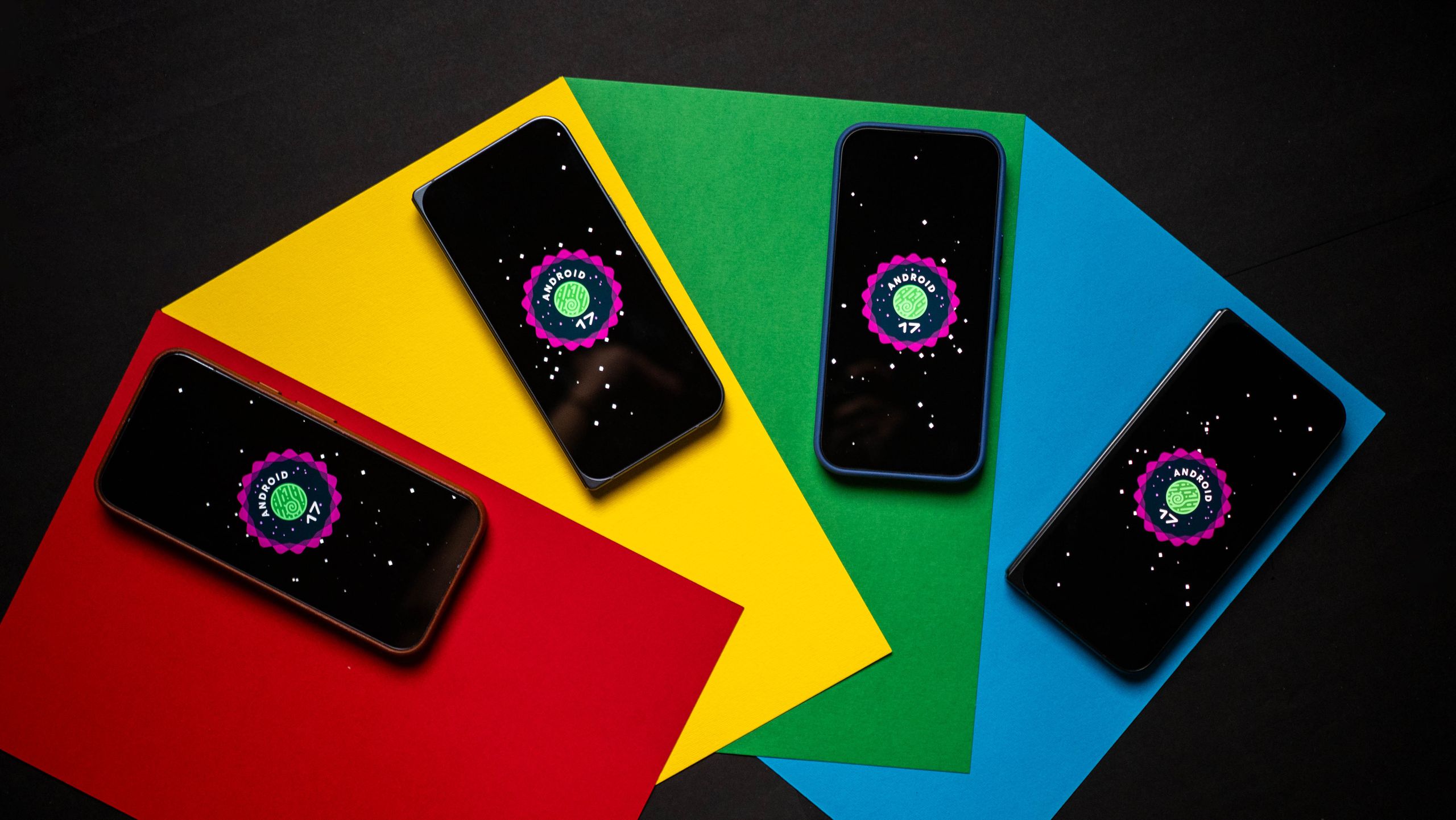
Google Releases Android 17 QPR2 Beta 5 for Pixel Devices Ahead of Official Public Rollout


Google has officially pushed out the fifth and latest beta release for the upcoming Android 17 Quarterly Platform Release (QPR2) to enrolled testers worldwide. Aimed at refining system stability and squashing persistent software bugs, this pre-release build targets a wide array of supported Google Pixel hardware. As the software development cycle nears its completion, engineers at Google are heavily prioritizing quality-of-life adjustments, performance optimization, and critical bug remediation to ensure a seamless public transition.
Device Compatibility and Specific Build Numbers
Testers participating in the Android Beta Program will notice specific build numbers depending on their exact hardware configuration. Google has detailed that users operating older or specialized form-factor devices—specifically the Pixel 6a, Pixel 7, Pixel 7 Pro, Pixel 7a, the original Pixel Fold, and the Pixel Tablet—will be prompted to download build version vCP41.260828.005.A6.
Meanwhile, owners of all other eligible, newer Pixel models will receive build version vCP41.260828.004.A8. This segmentation ensures that device-specific drivers and architecture-level patches are accurately distributed without introducing hardware-level regressions. Users can check for the update manually by navigating to Settings, selecting System, and tapping on System Update.
Key Bug Fixes and Performance Improvements in Beta 5
Beta 5 is fundamentally a stabilization update designed to resolve several high-profile issues reported by developers and consumer testers through the official Android Issue Tracker and community forums like Reddit.
One of the most critical patches included in this release addresses a systemic instability problem that previously plagued users during media-heavy multitasking. Specifically, the patch notes confirm a fix for unexpected device reboots that occurred when users continuously scrolled through user interfaces within media-centric applications. This bug had caused frustration among content consumers and social media heavy users alike, making the fix a welcome addition.
Another notable adjustment resolves a frustrating quirk tied to hardware volume controls. During previous iterations of QPR2, users noticed that pressing the physical side volume buttons while casting media to external displays or smart speakers failed to surface the corresponding volume slider user interface on the phone screen. Beta 5 restores this visual feedback loop, ensuring users retain immediate visual confirmation of audio adjustments during casting sessions.
Furthermore, Google has tackled a stubborn camera and display bug involving High Dynamic Range (HDR) processing. Multiple bug reports indicated that enhanced HDR modes were remaining persistently enabled in the background even after users toggled the feature off within the device’s system settings. The new patch ensures that user preferences are accurately respected, preventing unwanted battery drain and unexpected image processing alterations.
The Chronology of the Android 17 QPR2 Development Cycle
The release of Beta 5 represents the final phase of a rigorous software validation timeline that began earlier this year. Android 17 QPR2 entered the crucial "Platform Stability" milestone in late August. During this phase, Google locked in all application programming interfaces (APIs) and internal SDKs, signaling to third-party developers that the underlying architecture of the operating system is finalized.
Throughout the testing lifecycle, Google has systematically addressed complex underlying software hurdles. In August, developers rolled out patches targeting intermittent Bluetooth abnormalities, including a perplexing glitch that erroneously routed active call audio through the phone’s primary external loudspeaker rather than connected wireless headsets or hearing aids. Additional historic patches during this quarter targeted broken system navigation gestures and intermittent graphical user interface freezing across foldable and tablet displays.
Background Context: The Strategic Importance of Quarterly Platform Releases
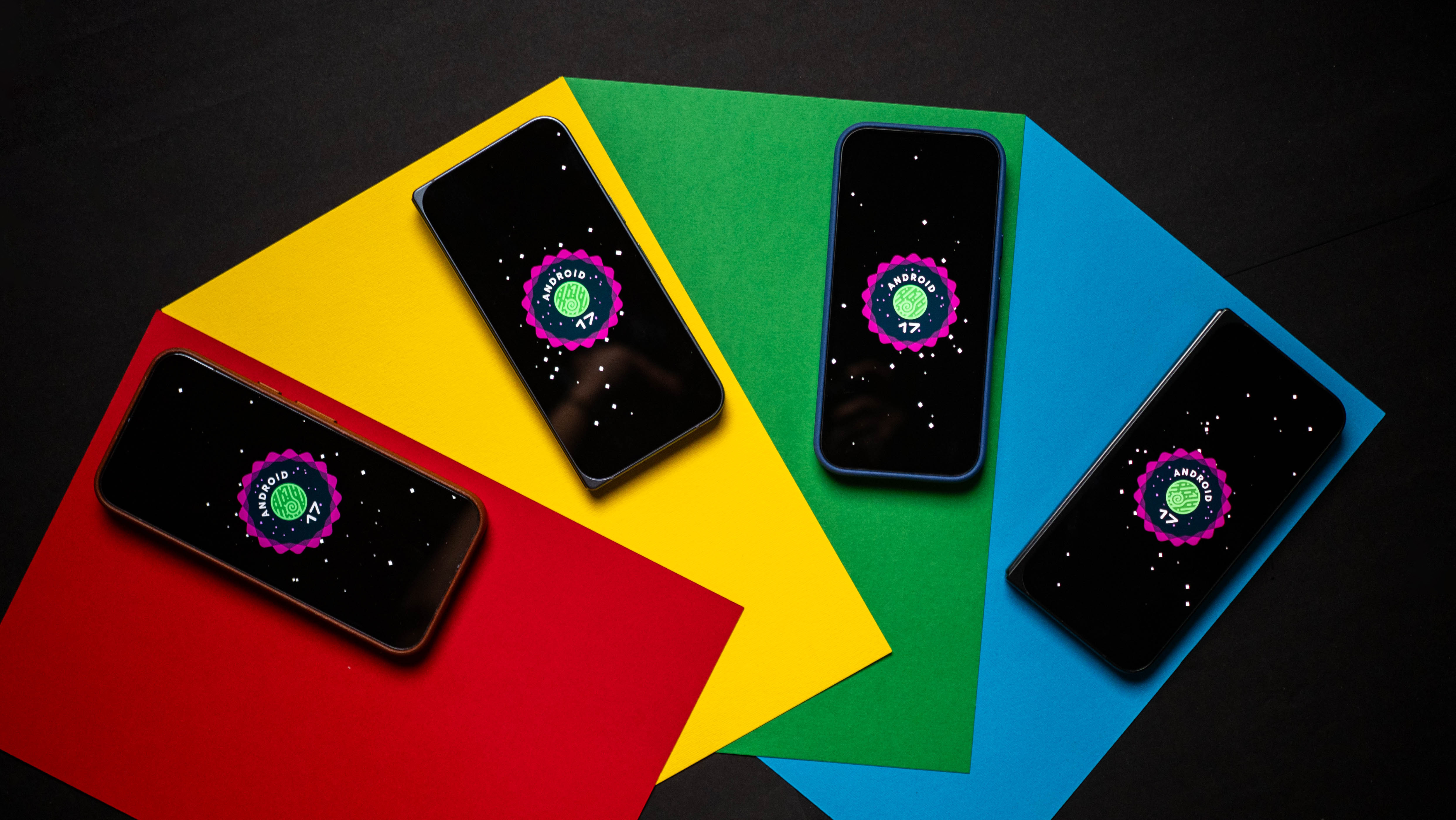
Google’s Quarterly Platform Release (QPR) model has become a cornerstone of the Android ecosystem’s lifecycle management. Introduced to deliver meaningful feature drops and architectural enhancements outside of major annual OS versions, QPRs allow Google to iterate rapidly on user feedback.
For the Pixel product line, these quarterly updates serve a dual purpose: they act as a testing ground for innovations that will eventually roll out to the broader Android Open Source Project (AOSP) ecosystem, and they provide immediate hardware optimization for Google’s proprietary Tensor processors. As consumer expectations for mobile longevity and AI integration continue to climb, maintaining a predictable, stable release cadence is vital for enterprise adoption and consumer retention.
Implications for the Android Ecosystem and the Road Ahead
As Android 17 QPR2 moves through its final validation checks, the completion of Beta 5 signals that the public release is imminent. For everyday consumers who choose not to enroll in the public beta program, these developments indicate that the forthcoming stable update will arrive with significantly refined thermal management, fewer memory leaks, and enhanced peripheral connectivity.
While developer attention is already beginning to pivot toward horizon technologies—such as upcoming generative AI frameworks and next-generation mobile hardware standards—the successful polish of Android 17 QPR2 underscores Google’s ongoing commitment to refining software reliability. As the final build notes are processed and telemetry data from Beta 5 flows back to Google’s engineering teams, the stage is set for a smooth, stable public rollout across all supported Pixel devices in the near future.