Apple bypasses strict international battery shipping limits for the iPhone 18 Pro Max using a temporary software lock

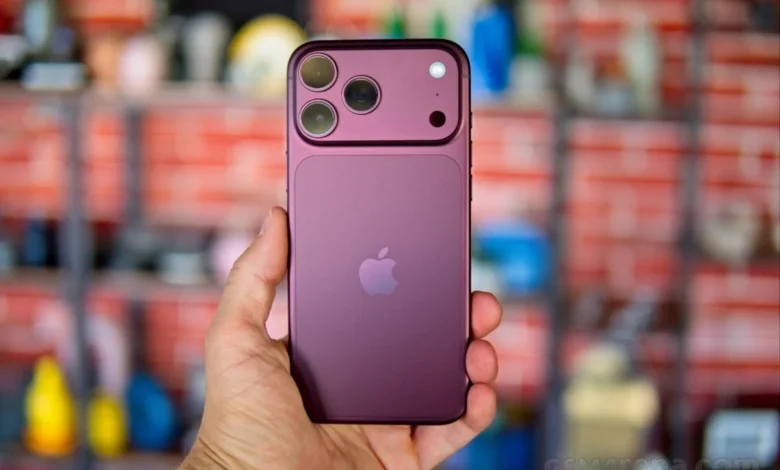
The rapid evolution of smartphone engineering has introduced a persistent logistical challenge for consumer electronics manufacturers worldwide. In recent years, advancements in battery chemistry—specifically the adoption of silicon-carbon matrices—have allowed manufacturers to pack significantly higher energy densities into the same physical footprints. Consumers have welcomed this shift, as it promises extended screen-on times and improved overall device longevity without requiring bulkier, heavier chassis designs. However, these technological breakthroughs have collided directly with legacy international transport regulations governing lithium-ion and lithium-metal energy storage cells.
At the center of this regulatory friction is a long-standing threshold: international shipping frameworks treat single-cell batteries exceeding 20 watt-hours (Wh) with rigorous safety restrictions, classifying them under hazardous materials protocols. Historically, this limitation forced original equipment manufacturers into a difficult compromise. Companies either had to split their high-capacity power solutions into multiple smaller cells—adding internal complexity, manufacturing costs, and structural dead space—or scale back battery capacities specifically for key export markets like the United States and Europe. Apple, confronting this exact dilemma with the development of the iPhone 18 Pro Max, has engineered a remarkably novel workaround that relies entirely on an invisible, temporary software constraint rather than physical hardware redesigns.
Unpacking the Software Workload Solution
According to official support documentation released by Apple for the iPhone 18 Pro Max, the company has implemented a built-in software limitation designed to suppress the battery’s usable charge capability so that it remains strictly under the 20Wh limit during transit. When the device is boxed, transported through global supply chains, and imported into regional distribution hubs, its operational battery ceiling is artificially restricted.
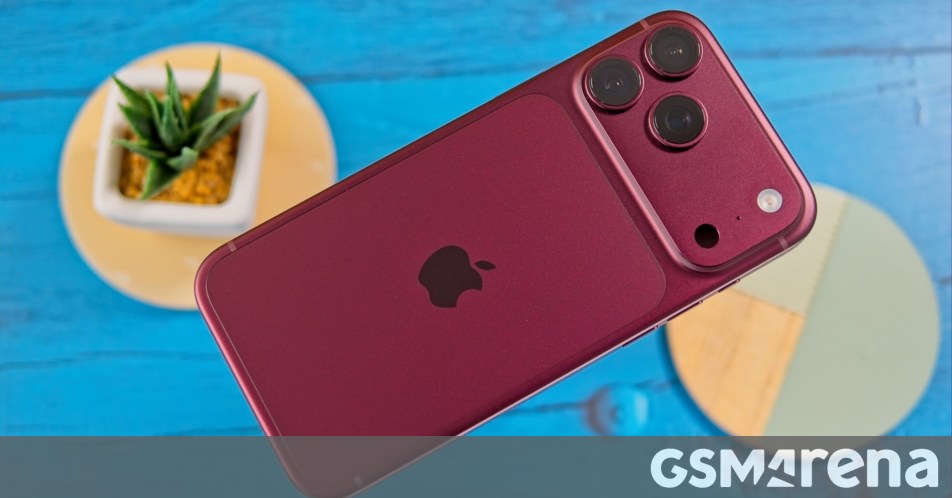
This compliance mechanism is completely transparent to the end user until the initial unboxing and setup phase. Upon powering on the iPhone 18 Pro Max for the very first time, the device undergoes an automated initialization sequence that permanently removes the software charging limit. Once this initial boot cycle completes, users gain access to the battery’s full, unrestricted capacity.
For the eSIM-only variant distributed in the United States, this unlocks a rated capacity of 5,567mAh, translating to approximately 21.75Wh of energy. Meanwhile, the European market iteration—which accommodates a physical SIM card slot alongside eSIM capabilities—features a slightly modified internal layout resulting in a rated capacity of 5,391mAh, or 21.06Wh. Although these figures diverge slightly due to internal space constraints, both regional configurations comfortably surpass the traditional 20Wh regulatory boundary that previously complicated global logistics.
Industry experts emphasize a critical technical distinction regarding these figures: these are strictly rated capacities, which represent the official regulatory baseline under standardized testing conditions. They cannot be directly equated to the typical capacities commonly advertised by competing Android manufacturers in promotional materials, which generally reflect average performance metrics across broader production batches.
The Chronology of Regulatory Friction and Adaptation
The clash between modern battery technology and global shipping laws is not a sudden development, but rather the culmination of years of escalating friction between engineering progress and safety compliance.

June 2025 marked an early turning point when United States transport regulators officially adopted a more flexible stance, explicitly permitting compliance methods that temporarily limit single-cell energy states during freight transit. Despite the US policy update, major international transport regulatory bodies—including the multilateral Agreement concerning the International Carriage of Dangerous Goods by Road (ADR), the International Air Transport Association (IATA), and the International Civil Aviation Organization (ICAO)—have been slower to formalize parallel allowances.
Nevertheless, the commercial availability of the iPhone 18 Pro Max across the European Union strongly indicates tacit regulatory acceptance, or at least a cooperative interim understanding between Apple and European customs and transport authorities.
To address the broader industry-wide dilemma, the United Nations Sub-Committee of Experts on the Transport of Dangerous Goods formally convened in 2026 to evaluate a specialized proposal concerning single-cell energy architectures. The proposal highlighted a glaring regulatory inconsistency: the legacy 20Wh threshold had become increasingly obsolete because identical chemical cells are routinely permitted inside multi-cell battery packs exceeding 20Wh, while functionally identical single-cell configurations face disproportionate legal hurdles.
Although international working groups have targeted 2029 for a comprehensive overhaul of global battery transport policies, Apple chose not to wait for sluggish bureaucratic timelines. By deploying a software-enforced transit mode, the company successfully bridged the gap between immediate market demands and lagging international safety codes.
User Control and Cross-Border Mobility Considerations
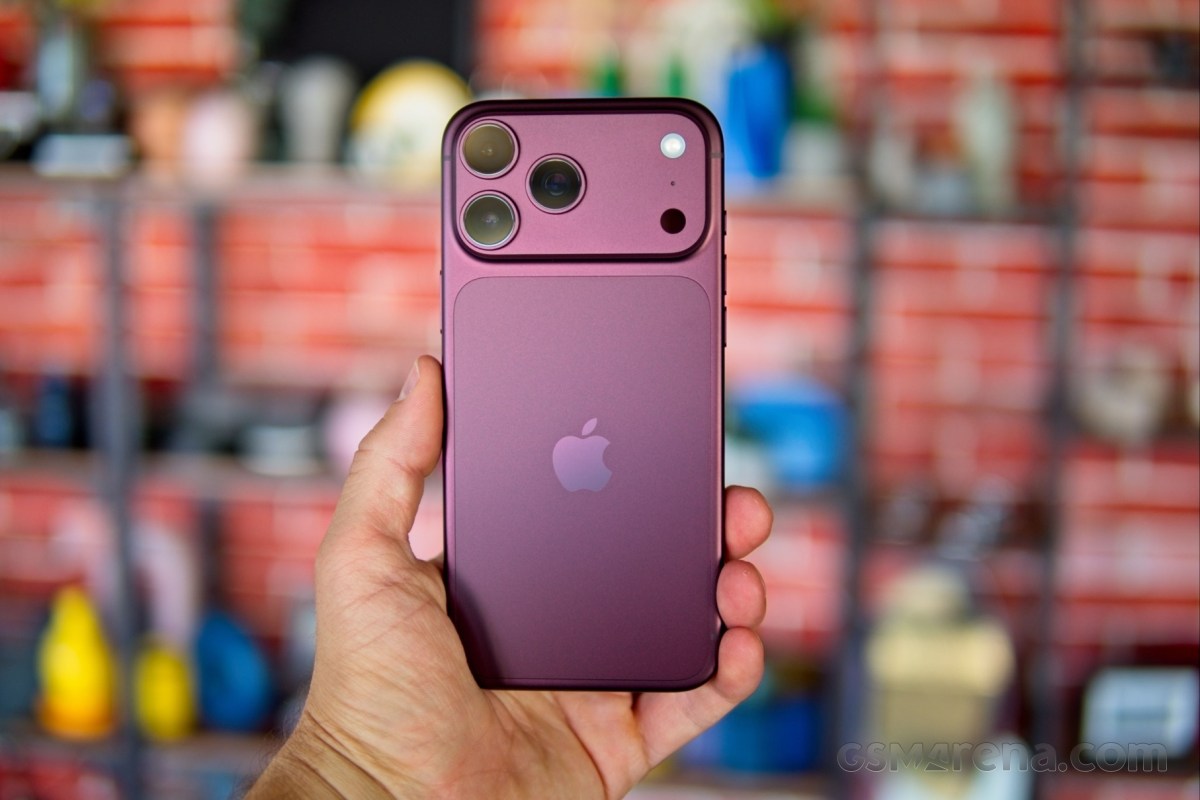
Apple’s innovative approach also accounts for scenarios where consumers or enterprise fleets need to ship devices internationally after initial activation. Recognizing that secondary transport could re-expose devices to regulatory scrutiny if batteries appear fully charged, Apple has built a manual toggle directly into the operating system architecture.
Users can manually enable or disable the transit limitation feature through the device settings menu. If an individual plans to ship their iPhone 18 Pro Max overseas via commercial air freight or standard international mail carriers, they can reactivate the software restriction to ensure compliance with hazardous materials transport protocols. Once the device arrives safely at its destination and is unpacked by the recipient, the feature can be disabled once more, restoring the full battery potential without requiring specialized hazardous goods declarations.
Broader Market Implications and Future Industry Standards
The introduction of Apple’s software-gated battery logistics is widely expected to establish a powerful precedent across the consumer electronics sector. For years, consumers in different global regions have scrutinized discrepancies in hardware specifications—frequently lamenting that regional variants differed in battery longevity due to local regulatory compliance costs and manufacturing complexities.
By demonstrating that software-managed energy thresholds can satisfy transit safety regulators, Apple has paved a smoother path for competing smartphone manufacturers. Industry analysts project that brands specializing in high-density silicon-carbon cells will likely adopt similar firmware-based compliance measures. This shift could effectively eliminate the need to manufacture divergent regional variants solely to navigate antiquated 20Wh shipping laws, streamlining global supply chains and reducing production overhead.

As regulatory bodies continue their methodical review of dangerous goods transport rules ahead of the projected 2029 policy updates, Apple’s pragmatic engineering solution serves as a masterclass in regulatory navigation. By utilizing software to solve a physical and legal bottleneck, the company has not only secured a seamless global rollout for the iPhone 18 Pro Max but has also offered the wider technology sector a viable blueprint for harmonizing cutting-edge hardware design with rigid international safety frameworks.