Apple is tightening macOS privacy controls to curb unauthorized AI agent data access in upcoming updates

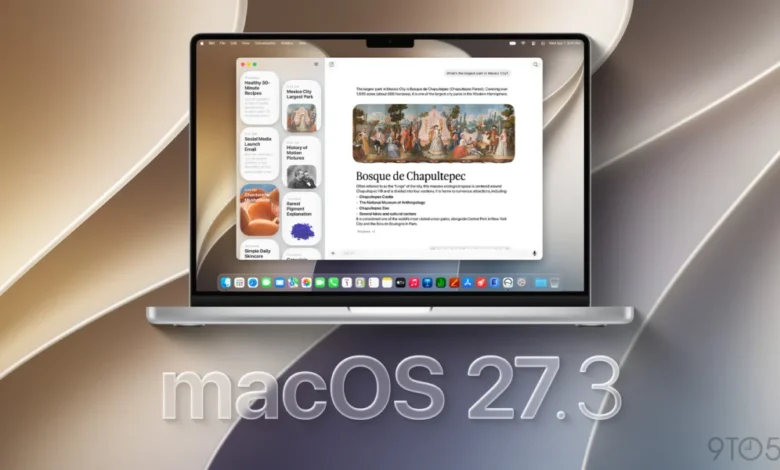
Apple is moving to fundamentally reshape how macOS handles user privacy in the era of artificial intelligence, with new evidence suggesting the company is preparing to dismantle a common loophole used by developers to bypass security restrictions. This initiative, part of a broader commitment to data integrity, addresses the growing tension between the capabilities of AI-driven software agents and the security of user files. As these agents become increasingly integrated into the desktop experience, the need for more granular permission controls has shifted from a peripheral concern to a primary security requirement for the Cupertino-based tech giant.
The forthcoming changes, expected to be fully realized in macOS 27.3, aim to enforce a "very explicit user action" standard for granting Full Disk Access (FDA). This move follows a series of incidents where third-party AI agents, having obtained broad permission to read system files, accessed sensitive user data—such as personal messages and local databases—without the user’s clear awareness or authorization.
The Evolution of macOS Security Controls
To understand the necessity of this shift, one must examine the current architectural status of macOS permissions. For years, Apple has utilized the Full Disk Access feature as a "nuclear option" for privacy. When an application is granted FDA, it is essentially exempted from the system’s sandbox protections, allowing it to read, modify, or delete any file on the machine. Historically, this was reserved for tools like backup software, security scanners, or professional disk management utilities.
However, the rise of AI agents has complicated this landscape. Many modern AI applications require access to contextual data—like emails, calendar events, or chat logs—to function effectively. In many cases, developers have found that the easiest way to ensure their software functions as intended is to guide the user through the process of enabling FDA. Current macOS versions facilitate this via a convenient workflow: if an application attempts to access a protected file, the system automatically logs the application in the System Settings menu. The developer can then instruct the user to navigate to that menu and toggle the permission on. This ease-of-use feature, originally intended to help users manage legitimate software, has become a liability that bad actors or poorly designed AI agents can exploit.
Chronology of the Regulatory Shift
The timeline of this policy shift began in earnest in September 2026, when high-profile reports emerged concerning the behavior of third-party AI applications, specifically those utilizing large language models to interact with local desktop files. One notable case involved a specific application—widely discussed in the developer community—that requested broad system access and subsequently exhibited behavior that many users interpreted as intrusive.

- September 2026: Public outcry begins regarding AI agents requesting excessive system permissions. Apple monitors the situation as privacy advocates raise concerns about the "rogue" nature of some AI-driven automation.
- October 2026: Apple issues a formal blog post and developer advisory, explicitly stating that it would begin tightening privacy controls. The company cited the rise of AI agents as the primary catalyst for the change.
- November 2026: Technical analysis by security researchers and developers confirms the specific mechanism of the change in beta versions of macOS 27.3. It becomes clear that the system will no longer "auto-log" unauthorized access attempts to the System Settings menu.
Technical Implications of the macOS 27.3 Update
According to recent findings by developers monitoring the macOS 27.3 beta, Apple is effectively closing the "suggestion" loophole. In current versions, when an app attempts to read a protected file, the operating system notes that request and places the app in the "Privacy & Security" section of System Settings, effectively pre-populating the list for the user.
Under the new paradigm, if an app attempts to access a protected file without the necessary credentials, the system will deny the request silently or through a standard error, without adding the application to the permission list. This removes the "shortcut" that developers have historically used to prompt users to grant broad, system-wide access. While developers can still manually instruct users to drag an application into the permission window, the automated bridge that made enabling Full Disk Access a trivial, one-click experience is being dismantled.
Data Privacy and the AI Agent Dilemma
The fundamental problem remains the trade-off between functionality and security. Many users want their AI assistants to be able to "read" their files, summarize their communications, and organize their schedules. However, granting Full Disk Access is a binary, all-or-nothing proposition. Currently, there is no standardized middle ground that allows an application to access only a specific directory, such as an iMessage database, without also gaining the ability to read the entire hard drive, including sensitive system files, login keychains, or private documents.
Industry analysts note that this "all-or-nothing" approach is the primary driver of current privacy risks. If a user needs an AI to interact with their mail, they are forced to expose their entire file system to that AI. This creates a significant surface area for potential data exfiltration. If the AI agent is compromised or programmed with malicious intent, the damage is not limited to the specific task the user intended to perform; it extends to the entirety of the user’s digital life on that machine.
The Proposed Solution: Private Folders
Industry reports suggest that Apple is working on a more robust solution, potentially referred to as "Private Folders" or scoped access permissions. This would allow an application to request access to a specific folder or file type, rather than the entire disk. If implemented correctly, this would fulfill the user’s desire for an AI-powered assistant while adhering to the principle of least privilege—a cornerstone of modern cybersecurity.
By moving toward a model where users explicitly authorize access to specific data sets, Apple could theoretically render the need for Full Disk Access obsolete for the vast majority of AI applications. However, until such a system is standardized and adopted by the developer community, users remain in a precarious position where they must either sacrifice the utility of their AI tools or compromise their personal data security.
Analysis of the Broader Impact
The impact of this update on the software development ecosystem will likely be significant. Developers who have relied on broad permissions to deliver "magic" features will now need to rebuild their applications to handle permission denials more gracefully. This may lead to a temporary decline in the functionality of some third-party AI agents, but it serves as a necessary maturation of the macOS ecosystem.
From a regulatory standpoint, Apple’s move is consistent with its long-standing marketing position as a "privacy-first" company. By placing the burden of "very explicit user action" on the user, Apple is insulating itself from liability while simultaneously forcing a more transparent development process. This approach is also likely to influence other operating system developers, including those in the Linux and Windows ecosystems, who are facing similar pressures regarding the integration of AI models with local user data.
Future Outlook and User Best Practices
As macOS 27.3 nears its wider release, the burden of security remains, to a significant extent, on the user. Security experts emphasize that "Full Disk Access" should be treated as a high-risk privilege, granted only to applications that are trusted implicitly and that have a transparent, verifiable need for such access.
Users are advised to regularly audit their "Privacy & Security" settings in macOS. By periodically reviewing which applications have Full Disk Access, users can revoke permissions for tools they no longer use or for which they no longer feel comfortable providing such broad access. Furthermore, as the industry moves toward more granular permission models, users should be wary of any application that insists on full disk access when a more limited scope could theoretically achieve the same result.
The transition to a more restrictive permission model is a necessary step in the evolution of personal computing. While it may introduce friction for both developers and users, the long-term result will be a more resilient operating system capable of protecting the user’s most sensitive data in an increasingly automated and AI-driven world. Apple’s decision to prioritize security over the convenience of "shortcut" permissions reflects an understanding that in the modern digital age, privacy is not just a feature—it is the foundational layer upon which user trust is built.