Android 17 QPR2 Beta 6.1 brings long-awaited HiLight message notification support to Pixel 11 Pro series devices

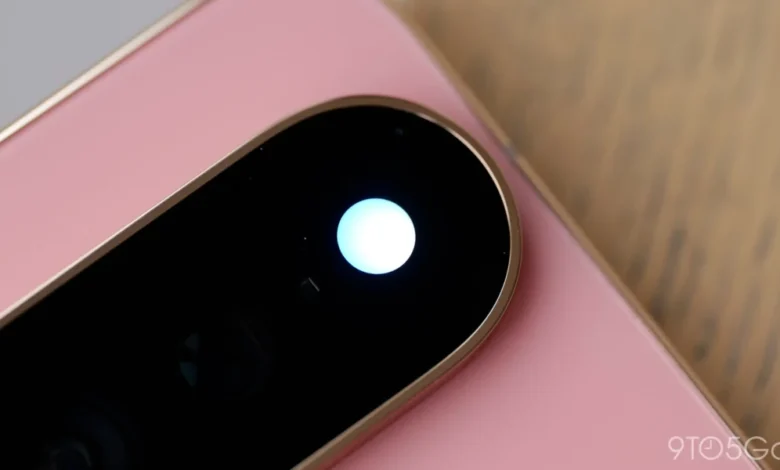
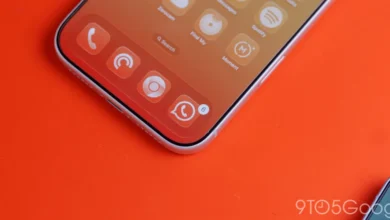
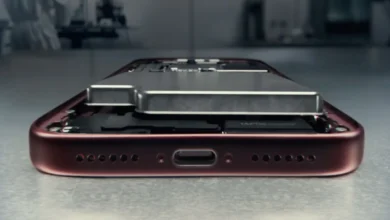
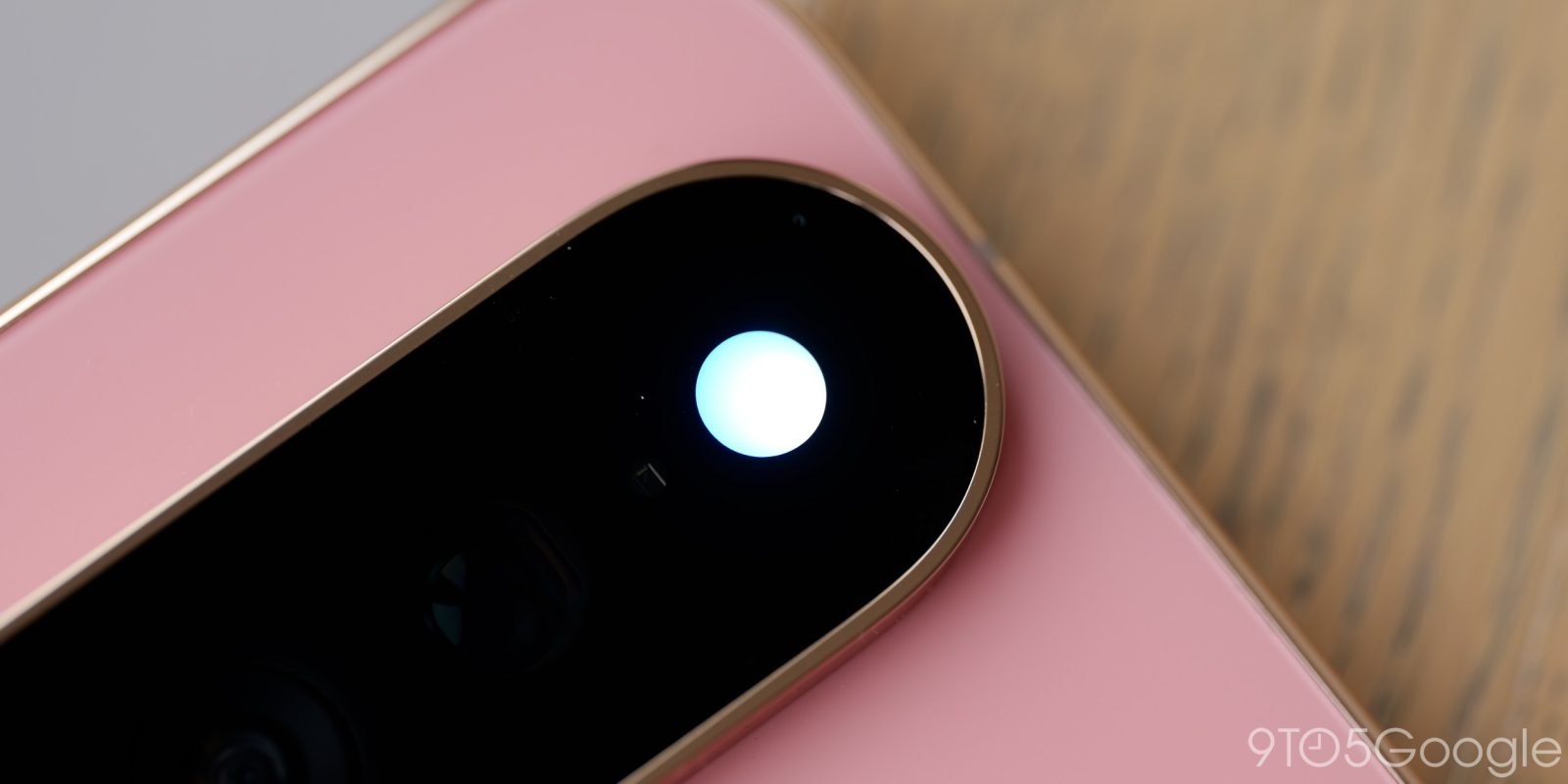
The latest software deployment for Google’s flagship hardware ecosystem, Android 17 QPR2 Beta 6.1, has introduced a significant functional enhancement to the HiLight interface on the Pixel 11 Pro, Pixel 11 Pro XL, and Pixel 11 Pro Fold. Following a period of user feedback requesting greater utility for the device’s signature lighting notification system, Google has officially integrated support for message-based alerts, bridging a gap that many power users had identified since the hardware’s initial market launch.
This update, which arrives alongside the September 2026 security patch, represents a strategic move by Google to refine the bespoke features of the Pixel 11 Pro series. By expanding HiLight beyond its initial scope—which was largely limited to voice calls and interaction with the Gemini AI assistant—the company is positioning the hardware as a more comprehensive notification hub for professional and personal communication.
Implementation and User Configuration
The mechanism for enabling this new functionality is integrated directly into the system settings. Users running the Beta 6.1 build can navigate to Settings > System > HiLight to locate the newly added toggle labeled "Messages from favorites: Glows when your favorite contacts send you messages." This menu resides directly beneath the existing controls for "Speaking with Gemini" and "Calls."
The granularity of the feature extends to the Google Contacts application. Within the contact profile page, a dedicated HiLight bottom sheet allows users to establish specific notification protocols on a per-contact basis. By toggling individual switches for phone calls and text-based messages, users gain the ability to customize their hardware feedback. This ensures that the HiLight system—which blinks twice upon the receipt of a designated message—remains a signal for high-priority communications rather than a source of distraction.
Current testing confirms that this functionality is fully operational within the Google Messages ecosystem. Furthermore, given the existing architecture that allows HiLight to register incoming calls from third-party applications, it is expected that support for platforms such as WhatsApp will be seamless, as the underlying notification hooks are already established within the QPR2 framework.
Chronology of the Pixel 11 Pro Software Lifecycle
The release of Beta 6.1 follows a somewhat turbulent trajectory for the Android 17 QPR (Quarterly Platform Release) program. Initial iterations of the QPR2 beta were notably absent of support for the Pixel 11 series, leading to concerns among early adopters who had invested in the latest hardware.
The timeline of these updates is as follows:
- August 2026: Initial public discussions regarding the limitations of the HiLight system on the Pixel 11 Pro series begin to circulate in developer forums.
- Early September 2026: The first wave of QPR2 beta releases debuts, but excludes the Pixel 11 lineup, prompting a brief period of software-hardware misalignment.
- Late September 2026: Google releases Android 17 QPR2 Beta 6.1, which specifically addresses the Pixel 11 series integration and introduces the long-requested message notification support.
- December 2026 (Projected): Official stable release of Android 17 QPR2 is scheduled for public rollout, bringing these features to the wider user base currently operating on stable, non-beta software.
This specific update is notable for its cross-compatibility. Users currently on the stable channel—even those who have not yet migrated to the QPR1 branch—are eligible to install the Beta 6.1 build. This is a departure from traditional update protocols, suggesting that Google is prioritizing the refinement of the HiLight feature to ensure it is fully optimized before the broader December deployment.
Contextualizing HiLight in the Pixel Ecosystem
HiLight, introduced with the Pixel 11 Pro series, was marketed as an aesthetic and functional evolution of the classic notification LED. However, the reliance on visual cues requires a delicate balance between utility and battery efficiency. By restricting the "glow" functionality to "favorite contacts," Google is effectively using the feature as a filter for digital noise.
The delay in bringing message support to HiLight has been a point of contention for some analysts who argue that such features should be foundational for a device marketed as a premium, AI-centric communication tool. In the context of modern smartphone design, where screen real estate and battery life are premium commodities, the shift toward ambient, non-intrusive notification systems like HiLight is a growing trend. Manufacturers are increasingly moving away from the "always-on" approach toward intelligent, contextual alerts that only activate when specific, pre-determined criteria are met.
Broader Implications and Strategic Analysis
From a technical standpoint, the expansion of HiLight support demonstrates Google’s commitment to iterating on hardware via software updates. By leveraging the QPR cycle, Google can respond to consumer feedback without waiting for the next major Android version cycle. This agility is vital in the high-end smartphone market, where software experience is as critical to consumer retention as hardware specifications.
The integration of message notifications into the HiLight system also highlights the ongoing refinement of the "Gemini-first" interface on the Pixel 11 series. By placing the HiLight settings in close proximity to Gemini voice controls, Google is framing the hardware as an extension of its AI strategy. The system is no longer just a light; it is a hardware-based signal for the AI-curated communication stream.
For the enterprise sector, the ability to prioritize contacts via HiLight could prove to be an understated productivity tool. In environments where visual, silent alerts are preferred over audible notifications, the ability to visually distinguish between a message from a "favorite" contact (such as a project lead or family member) and a generic notification allows for better time management and digital well-being.

Technical Challenges and Considerations
While the update is a welcome addition, it introduces new variables for system resource management. Continuous monitoring of incoming messages for specific contact metadata—to determine if the HiLight should activate—requires precise background process management. Google’s implementation, which relies on the existing notification listener service, appears to be designed to minimize impact on the device’s battery life.
Early reports from beta testers suggest that the "blink twice" notification pattern is distinct enough to be recognizable without being overly intrusive. This indicates that the design team has conducted significant ergonomic research to determine the optimal frequency and duration of the light pulse to capture user attention without causing eye fatigue or unnecessary visual pollution in low-light environments.
Future Outlook for Android 17
The upcoming December stable release of Android 17 QPR2 will likely serve as the definitive benchmark for the Pixel 11 Pro’s software performance. As Google continues to refine the synergy between the Tensor chipset and the Android OS, features like HiLight will likely receive further updates, potentially including broader third-party application support or customizable color patterns for different categories of notifications.
For now, the inclusion of message support in Beta 6.1 serves as a bridge, addressing a primary functional deficit while signaling the company’s intent to continue evolving the Pixel 11 Pro’s unique hardware features. The community reaction has been largely positive, with developers and enthusiasts viewing the update as a sign that Google is listening to the specific, practical needs of its user base.
As the industry observes these developments, the focus will remain on whether this "always-available" light notification paradigm can scale to other devices or if it will remain a premium differentiator for the Pro series. Given the current trajectory of Google’s hardware development, it is highly probable that similar contextual notification systems will become a standard requirement for future flagship Android devices, provided they can maintain the balance of utility, power efficiency, and user-defined privacy that the current HiLight implementation aims to achieve.