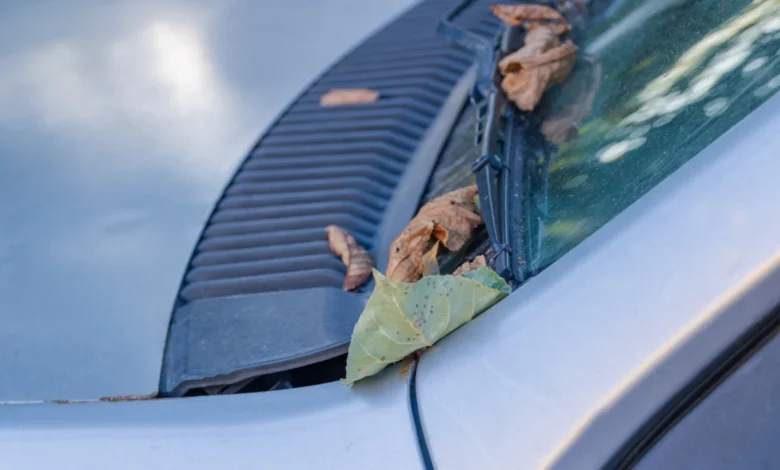
Modern automotive engineering is a complex interplay of high-performance propulsion systems, sophisticated electronics, and intricate aerodynamic design. Yet, amidst the rush toward electrification and autonomous driving, many fundamental exterior components remain largely unchanged, often blending into the background of the vehicle’s profile. One such component is the cowl panel—the molded plastic or metal structure spanning the base of the windshield where it meets the hood. While often overlooked by the average driver, this component serves a critical structural, environmental, and mechanical function that is essential to the longevity and safety of a motor vehicle.
Anatomy of the Cowl Panel
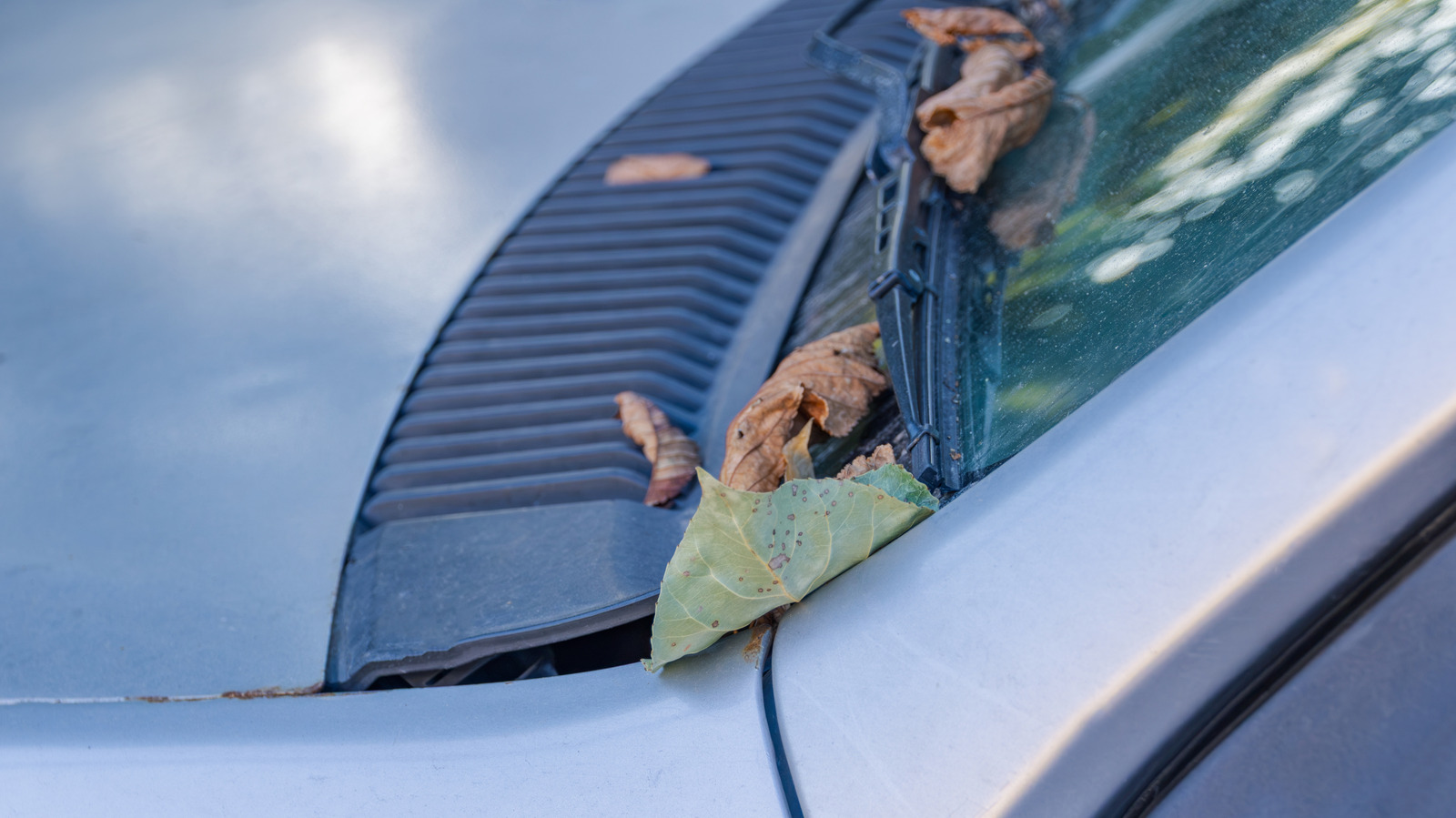
The cowl panel serves as the primary interface between the vehicle’s engine bay, the windshield, and the passenger cabin’s ventilation system. Visually, it is recognized by the series of vents or grilles designed to facilitate airflow while managing debris. Unlike a hood scoop, which is engineered to feed cold air directly into an intake system for combustion performance, the cowl vent is a passive management system. Its primary mission is the controlled diversion of rainwater, environmental pollutants, and organic debris.
From an engineering standpoint, the cowl area is a high-pressure zone. As a vehicle moves at speed, air is forced up the windshield; the geometry of the cowl panel is designed to manage this airflow to prevent excessive pressure buildup while simultaneously allowing the HVAC system to draw "fresh" air from the exterior. Without this specific vent architecture, the air intake for the cabin would be susceptible to water ingestion and the accumulation of hazardous particulates.
Historical Context and Evolution
The evolution of the cowl panel mirrors the broader development of the unibody chassis. In the early to mid-20th century, when body-on-frame construction was the industry standard, the cowl was a rigid, structural piece of steel integrated directly into the vehicle’s firewall. As manufacturers shifted toward unibody designs in the latter half of the 20th century to improve fuel efficiency and crash safety, the cowl became a critical structural node. It acts as a bridge between the A-pillars and the dashboard structure, providing necessary lateral rigidity.
By the 1990s and early 2000s, manufacturers began favoring high-impact, UV-resistant plastics for the exterior trim portion of the cowl. This shift allowed for easier assembly line integration and reduced manufacturing costs, but it introduced new challenges regarding thermal expansion and degradation. Over time, these materials are exposed to extreme temperature cycles, fluctuating from freezing winter temperatures to the intense heat radiating from the engine bay, which can eventually lead to brittleness and cracking.
Mechanical and Environmental Functions
The cowl panel performs three distinct roles that directly impact vehicle health:
- Fluid Management: When a vehicle is subjected to rainfall, thousands of gallons of water can run down the windshield annually. The cowl acts as a primary drainage system, utilizing internal channels to direct water away from the engine bay’s sensitive electrical components and toward designated drainage ports.
- HVAC Air Intake: The cabin’s climate control system relies on the cowl to provide an intake point. The mesh design of the vents acts as a coarse filter to prevent leaves, twigs, and road debris from clogging the HVAC blower motor or accumulating in the heater core, which could lead to mold growth and restricted airflow.
- Structural Bracing: Underneath the plastic trim lies a steel structure that ties the vehicle’s front section together. By maintaining the integrity of the seal at the base of the windshield, the cowl helps prevent water ingress into this structural steel, effectively mitigating the risk of long-term corrosion at the firewall and door mounting points.
The Consequences of Failure
The failure of a cowl panel is rarely catastrophic in the immediate sense, but the long-term implications for vehicle maintenance are significant. If the seal between the cowl and the windshield fails, or if the plastic panel itself cracks, the vehicle loses its primary defense against moisture.
Industry reports from automotive service centers indicate that a common symptom of a compromised cowl is a "whistling" sound at highway speeds. This noise is often caused by turbulent air being trapped or redirected incorrectly by a loose or warped panel. More concerning are the invisible effects: water ingress into the cabin. When water bypasses the designed drainage channels, it often finds its way into the HVAC air intake, leading to a musty odor, fogging of the windows due to excessive humidity, or, in extreme cases, damage to the electrical control modules often housed behind the dashboard or near the firewall.
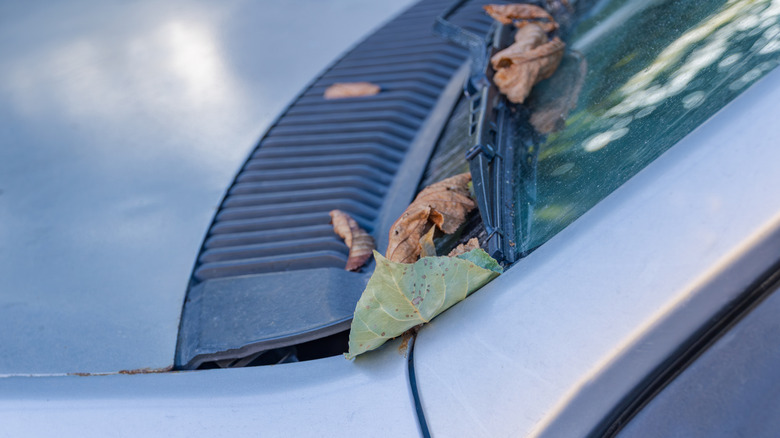
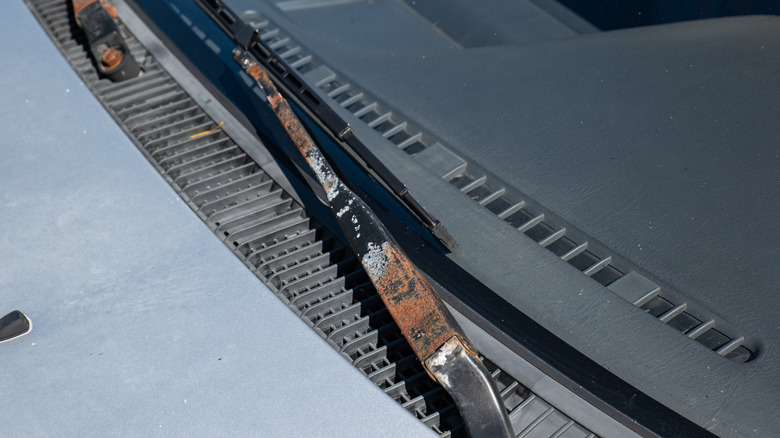
Furthermore, debris accumulation is a leading cause of premature component failure. When leaves and organic matter block the drainage tubes beneath the cowl, water pools in the area. This standing water can cause the wiper linkage to corrode, leading to seized wiper motors. In colder climates, this standing water can freeze, expanding and causing physical damage to the plastic cowl and the windshield seal.
Maintenance and Best Practices
Automotive engineers and maintenance experts advise that the cowl panel should be treated as a routine inspection point. Drivers who frequently park under trees are at higher risk of debris accumulation and should prioritize clearing the cowl vents during regular car washes.
To maintain the longevity of the cowl:
- Inspection: During routine oil changes or windshield wiper replacements, the cowl should be checked for cracks, warping, or loose fasteners.
- Cleaning: Using a soft brush or a low-pressure air hose can help clear debris from the vents. Avoid using high-pressure power washers directly on the cowl, as the force can drive water and dirt into the HVAC intake or damage the weather stripping.
- Replacement: If a cowl panel is visibly cracked, it should be replaced. The process typically involves removing the wiper arms and the mounting clips. While not technically complex, it requires attention to detail to ensure that the new weather stripping creates a watertight seal against the glass.
Broader Implications for Vehicle Longevity
The design of the cowl is a testament to the "hidden" engineering that keeps modern vehicles functional. While it may not possess the technological allure of an infotainment system or an advanced driver-assistance suite, its role in protecting the vehicle’s "throat" and structural integrity is paramount.
As vehicles become increasingly computerized, the importance of protecting the firewall area—where the main wiring harnesses for the engine and cabin pass through—cannot be overstated. A failure in the cowl system that allows water to reach these electrical junctions can lead to intermittent electrical gremlins that are notoriously difficult and expensive to diagnose. Therefore, the cowl panel represents a critical, if humble, guardian of the vehicle’s complex electrical architecture.
In conclusion, the vents at the base of a windshield are far from mere decorative elements. They are the frontline of a vehicle’s environmental defense system, balancing the need for aerodynamic airflow with the necessity of keeping the interior dry and the mechanical components shielded from the elements. Ignoring this component is a common mistake that can lead to a cascade of maintenance issues, proving that even the most primitive-looking parts of a car remain essential to its overall performance and longevity.