The Next Generation iPad Mini and the Case for Evolved Multitasking Software

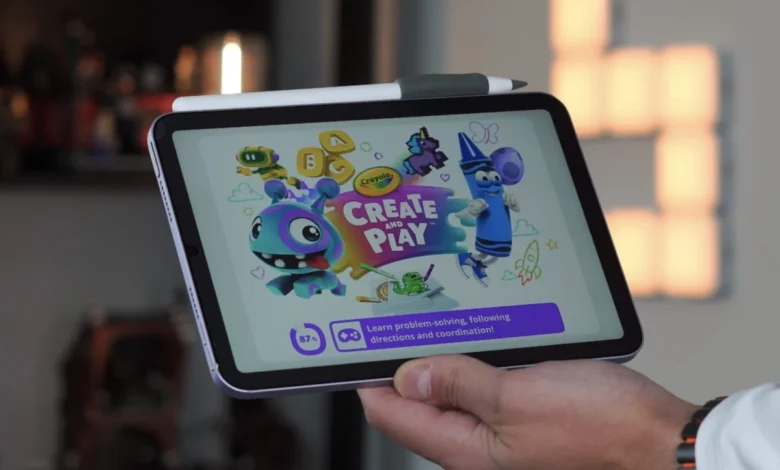
Anticipation for the latest iteration of the iPad mini has reached a fever pitch as industry analysts and supply chain observers expect an imminent release. Following a series of disclosures from prominent leakers, including Aaron Perris, it is becoming clear that the upcoming hardware refresh will be substantial, moving beyond iterative processor bumps to incorporate significant architectural and display enhancements. While the hardware specifications suggest a device capable of high-performance computing, the primary discourse has shifted toward whether Apple’s iPadOS can sufficiently leverage this power for a device of this form factor.
Hardware Evolution: A New Standard for the iPad Mini
The forthcoming iPad mini is projected to be a major departure from its predecessor. Central to these hardware upgrades is the integration of the A20 Pro chip, a silicon advancement that promises to bridge the performance gap between the compact tablet and Apple’s flagship mobile devices. This leap in processing capability is intended to handle more intensive creative workflows, high-fidelity gaming, and complex multitasking—tasks that were previously constrained by the thermal and processing limitations of older A-series chips.
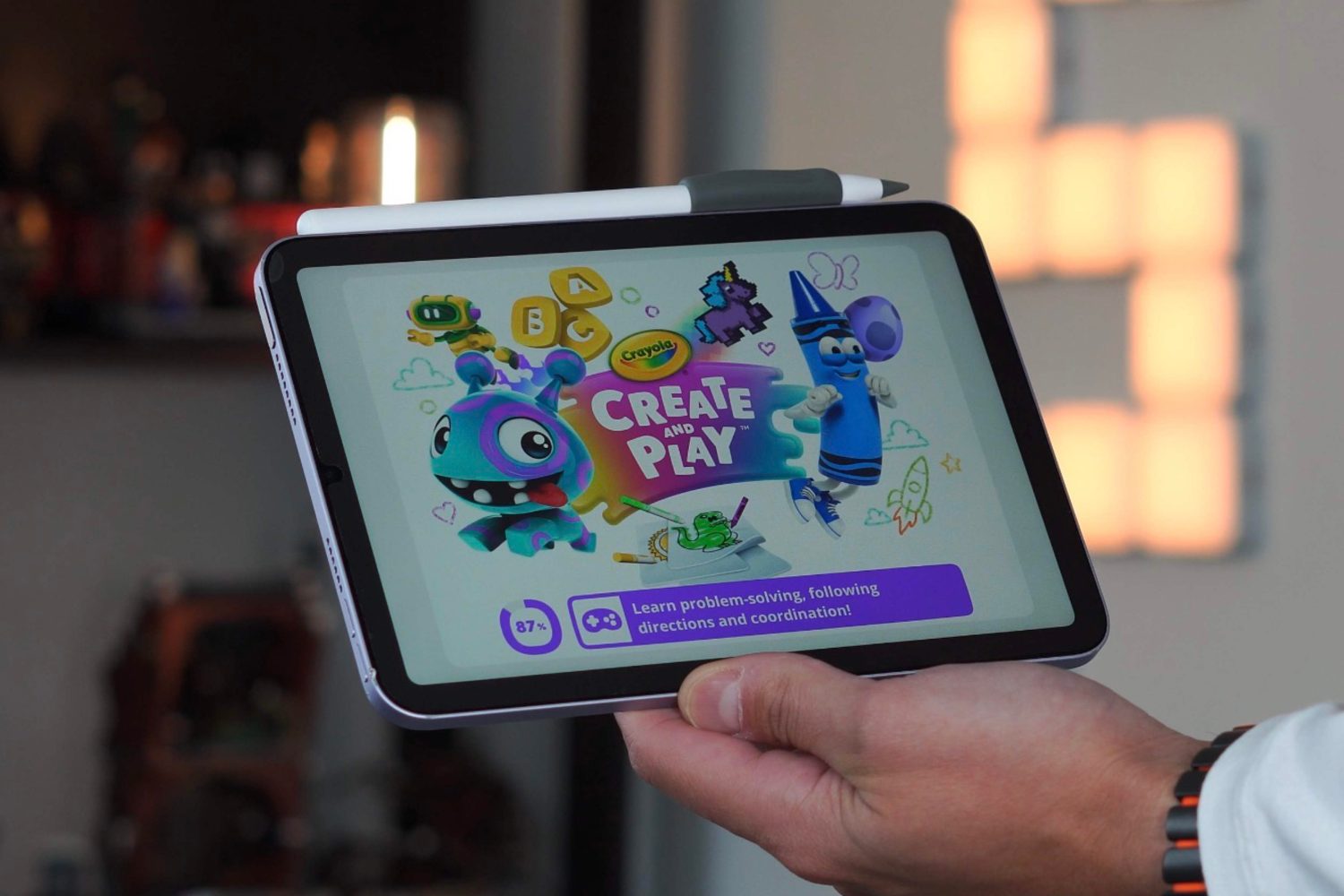
Beyond the internal silicon, the device is expected to adopt an OLED display panel, a move that aligns with Apple’s broader shift toward self-emissive display technology. OLED technology offers superior contrast ratios, deeper blacks, and improved power efficiency, which is critical for a device often used for media consumption in varying lighting conditions. Complementing these visual improvements, reports suggest a refined design featuring significantly thinner bezels. By maximizing the screen-to-body ratio, Apple aims to offer a more immersive viewing experience without increasing the overall physical footprint of the device, maintaining the "mini" portability that has defined the product line since its inception. Furthermore, the inclusion of a water-resistant design marks a durability milestone, addressing a long-standing request from users who utilize the device in diverse environments, from kitchens to outdoor settings.
The Multitasking Conundrum: Lessons from the iPhone Duo
While the hardware upgrades are objectively impressive, they highlight a persistent tension between hardware power and software utility. The current implementation of iPadOS multitasking—often characterized by complex slide-over gestures, floating windows, and split-view configurations—is designed primarily for the expansive screens of the iPad Pro or iPad Air. When translated to the 8.3-inch display of the iPad mini, these features often feel crowded and unintuitive.
The introduction of the iPhone Duo, with its mastered approach to split-screen functionality, provides a compelling point of comparison. The iPhone Duo demonstrates that even on smaller screens, software can provide a seamless, non-intrusive multitasking experience. By prioritizing a simplified, elegant interface, the iPhone Duo allows users to interact with multiple applications without the cognitive load associated with the current iPadOS multitasking suite. Observers have noted that the iPhone Duo’s ability to manage split-screen tasks alongside picture-in-picture (PiP) video playback creates a more fluid user journey. For the iPad mini, which shares a similar aspect ratio and usage philosophy, adopting a similar software paradigm could revolutionize the device’s utility, particularly in portrait mode.

Chronology of iPad Mini Development
The trajectory of the iPad mini reflects Apple’s evolving strategy for the tablet category. Originally positioned as a secondary, highly portable device for casual content consumption, the product has gradually been repositioned as a powerhouse for mobile professionals and enthusiasts.
- 2021: Apple releases the 6th generation iPad mini, featuring a radical redesign, USB-C connectivity, and the A15 Bionic chip. This model established the current aesthetic language of the device.
- 2023-2024: Industry speculation intensifies regarding the successor, with supply chain reports highlighting persistent demand for a display upgrade and improved internals.
- Late 2025 (Projected): Expected launch window for the 7th generation iPad mini, incorporating the A20 Pro chip and OLED display.
- 2026: Market analysis begins to focus on software parity, specifically comparing the iPad mini’s limitations against the newly introduced multitasking capabilities seen in the iPhone Duo.
Comparative Analysis: Screen Real Estate and Workflow Efficiency
The primary technical hurdle for the iPad mini has always been its screen dimensions. Traditional desktop-class windowing—which allows for multiple overlapping windows—is generally ineffective on a screen under 9 inches. Users rarely require the complexity of full Stage Manager functionality on a device intended for rapid, mobile tasks.
Data regarding user behavior suggests that the majority of iPad mini users engage with the device in portrait orientation. In this orientation, the current iPadOS interface struggles to display a secondary app alongside a primary task without compromising readability. The integration of a "split-screen with picture-in-picture" feature, modeled after the iPhone Duo, would allow for a more vertical, natural flow. For instance, a user could read a long-form article or document while maintaining a dedicated, fixed-width window for video conferencing or media playback. This approach would mitigate the need for constant window resizing and manual alignment, effectively streamlining the user experience.

Broader Implications for the iPad Ecosystem
The shift toward more specialized multitasking for the iPad mini has significant implications for Apple’s product segmentation. If Apple provides a more efficient, streamlined software experience for the mini, it reinforces the device’s status as a distinct, professional-grade tool rather than a "junior" tablet.
From an economic perspective, the successful marriage of the A20 Pro’s raw power with a more optimized operating system could increase the total addressable market for the iPad mini. Enterprise clients, who often prefer the portability of the mini for data collection and field work, would benefit from software that supports dual-app workflows without the complexity of a full-sized desktop environment.
Furthermore, this pivot signals a broader trend in software design: the move away from a "one size fits all" operating system. As Apple’s hardware line grows more diverse, the necessity for localized software optimizations becomes paramount. The "iPhone Duo experience" serves as a prototype for how Apple might eventually decouple certain UI elements from the standard iPadOS experience, tailoring them to the specific dimensions and use cases of each device.

Future Outlook and User Expectations
As the release of the next-generation iPad mini approaches, the technical specifications are already positioned to set a new benchmark for small-format tablets. However, the true success of the device will likely depend on whether Apple chooses to evolve its software to match the caliber of its hardware.
The integration of the A20 Pro chip is a clear signal that Apple intends for the device to handle high-performance tasks. Whether this power remains underutilized due to software bottlenecks or is unleashed through a refined, intuitive multitasking interface will determine the product’s legacy. By observing the successes of the iPhone Duo, Apple has a roadmap for creating a more cohesive, efficient, and user-centric experience on the iPad mini. For a device that serves as the bridge between the pocketable iPhone and the desktop-capable iPad Pro, this software evolution is not merely an enhancement—it is an essential step in the product’s maturation. As the industry awaits the final product, the focus remains on whether the forthcoming iPad mini will be defined solely by its internal components, or by a renewed commitment to software elegance that matches its portable, high-performance form.