Warhorse Studios Confirms Serious Cyberattack as Developers Scramble to Assess Security Breach


Warhorse Studios, the acclaimed Czech video game development company best known for its historically immersive medieval role-playing games, has officially confirmed that it was the target of a severe cyberattack. The breach, which has prompted immediate intervention from specialized cybersecurity firms, threatens the internal infrastructure of a studio currently engaged in multiple high-profile projects, including the continued expansion of the Kingdom Come franchise and adaptations of J.R.R. Tolkien’s legendary literary universe.
The incident underscores a growing vulnerability within the global interactive entertainment sector, where intellectual property, proprietary source code, and employee data increasingly make game developers lucrative targets for cybercriminals. As the studio works alongside digital forensics experts to contain the fallout, the broader gaming industry watches closely to understand the full scope of the intrusion and the potential risks it poses to ongoing developments.
Initial Discovery and Public Confirmation
The breach became public knowledge when Warhorse Studios issued a concise yet alarming statement via social media channels at 11:00 AM GMT. Addressed directly to the studio’s player base and community, the initial broadcast acknowledged the reality of the digital intrusion without sugarcoating the severity of the situation.
"To our players and friends," the studio’s official statement read. "We’re sorry to share that Warhorse Studios has been hit by a cyberattack. We’re working with cybersecurity specialists to secure our systems and understand the full extent of what happened. Thank you for standing with us."
Following the initial announcement, the studio entered a period of internal assessment, keeping public updates limited as forensic investigators combed through server logs, network access points, and endpoints. Industry observers and media outlets immediately sought further clarification regarding whether sensitive data—such as unreleased game builds, employee personal identifiable information (PII), or proprietary engine code—had been exfiltrated during the attack.
Leadership Response and Immediate Remediation
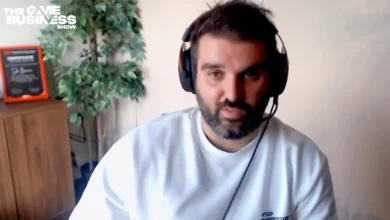
Martin Frývaldský, Chief Executive Officer of Warhorse Studios, provided further details regarding the incident through a statement given to Czech media outlets. Frývaldský did not downplay the gravity of the event, classifying it as a major operational crisis that demanded the immediate diversion of the company’s technical and financial resources.
"This is a serious incident for Warhorse Studios and for everyone affected," Frývaldský stated. "Our immediate priority is to secure our systems, determine the full extent of the breach, and take all necessary steps to protect our employees, partners, and our community. We are devoting all necessary resources and capabilities to resolving this situation."
According to internal accounts, the studio’s management immediately activated incident response protocols upon discovering unauthorized network access. This response typically includes isolating compromised systems from the wider corporate network, revoking compromised access credentials, and engaging external incident response retainers to trace the origin and methodology of the threat actors. While standard protocol in high-profile corporate hacks often involves notifying relevant data protection authorities and law enforcement agencies, specific details regarding potential ransom demands or the identity of the perpetrators have not been publicly disclosed by studio representatives.
Current Projects and Potential Vulnerabilities
The timing of the cyberattack is particularly sensitive given the robust pipeline of media projects currently underway at Warhorse Studios. Established in 2011 by industry veterans including Daniel Vávra and Martin Klíma, the Prague-based developer achieved global renown through the release of Kingdom Come: Deliverance in 2018, a realistic, open-world medieval RPG that sold millions of copies worldwide and was praised for its historically grounded narrative and combat mechanics.
At the time of the cyberattack, Warhorse Studios was actively engaged in several major initiatives. Most notably, the studio has been linked to the development of a prestigious open-world role-playing game set within Middle-earth, leveraging J.R.R. Tolkien’s monumental fantasy fiction. This project represents a massive leap in scope and profile for the studio, making any associated design documents, writing assets, or technical frameworks highly coveted targets for industrial espionage or unauthorized leaks.

In addition to the Middle-earth project, the developer has been laying the groundwork for future installments in its flagship franchise, widely anticipated by the community as Kingdom Come: Deliverance 3, alongside collaborative efforts on a live-action or cinematic adaptation of the Kingdom Come universe. The presence of unannounced game assets, script drafts, and early conceptual material across internal servers creates significant exposure in the event of a data exfiltration campaign.
Broader Industry Context: The Threat to Game Developers
The cyberattack on Warhorse Studios is not an isolated incident but rather part of a troubling macroeconomic and technological trend affecting the video game industry at large. Over the past half-decade, major game development studios—ranging from massive multinational conglomerates like Capcom, Electronic Arts, and Insomniac Games to mid-sized European developers like CD Projekt Red and Crytek—have increasingly fallen victim to sophisticated ransomware gangs and persistent threat actors.
The motivation behind these attacks typically falls into one of two categories: financial extortion through ransomware encryption and data theft, or ideological/prestige-driven leaks of source code and unreleased media. In late 2023, Insomniac Games suffered a catastrophic data breach orchestrated by the Rhysida ransomware group, resulting in the public leak of terabytes of confidential data, including playable builds of upcoming titles, employee passport information, and projected development budgets. Similarly, CD Projekt Red experienced a disruptive source code theft following the launch of Cyberpunk 2077, which forced the company to temporarily halt development pipelines while rebuilding server infrastructure.
For mid-sized European studios like Warhorse—which employs hundreds of developers and maintains extensive relationships with international publishing partners such as Plaion—managing cybersecurity posture presents a formidable challenge. The rapid shift toward hybrid and remote work models following the global health events of the early 2020s has further expanded the attack surface, creating complex virtual private network (VPN) environments and endpoint vulnerabilities that sophisticated threat actors actively exploit.
Implications for Development Timelines and Community Trust
As Warhorse Studios navigates the aftermath of the breach, the immediate implications center on operational continuity and project timelines. While cybersecurity remediation efforts are designed to ensure that malicious actors no longer maintain access to corporate infrastructure, the process of forensic auditing and system rebuilding inevitably causes friction in day-to-day development workflows. Developers may face restricted access to core tools, delayed compilation pipelines, and heightened security protocols that slow down production cycles.

Furthermore, the psychological impact on the workforce should not be underestimated. Data breaches frequently compromise employee privacy, leading to anxiety regarding the potential misuse of personal data. Management’s swift commitment to protecting its staff, as articulated by CEO Martin Frývaldský, serves as a critical measure to maintain internal morale during a turbulent period.
For the global community of players and fans, the primary concern revolves around the security of personal data and whether upcoming release schedules will experience delays. To date, there is no evidence to suggest that player accounts, purchasing databases, or community forums managed by third-party storefronts have been compromised, as Warhorse Studios primarily focuses its multiplayer and storefront operations through established platforms like Steam, GOG, and console networks rather than proprietary standalone launchers.
Outlook and Future Updates
Warhorse Studios remains under intense scrutiny as it continues its internal investigation. Because complex cyber forensics can take weeks—or even months—to fully map out, definitive answers regarding the exact vector of the attack, the identity of the group responsible, and the totality of the data accessed may not be immediately forthcoming.
Industry analysts note that transparent communication, while difficult in the initial stages of a crisis, remains the gold standard for mitigating long-term reputational damage. As the studio collaborates with international cybersecurity experts and local authorities, further updates are expected to clarify whether proprietary assets or personal data were permanently compromised. For now, the global gaming community continues to offer its support to the Czech studio as it works to safeguard its institutional heritage and its ambitious future projects.
Related posts: