A Strategic Pivot in Retail Philosophy
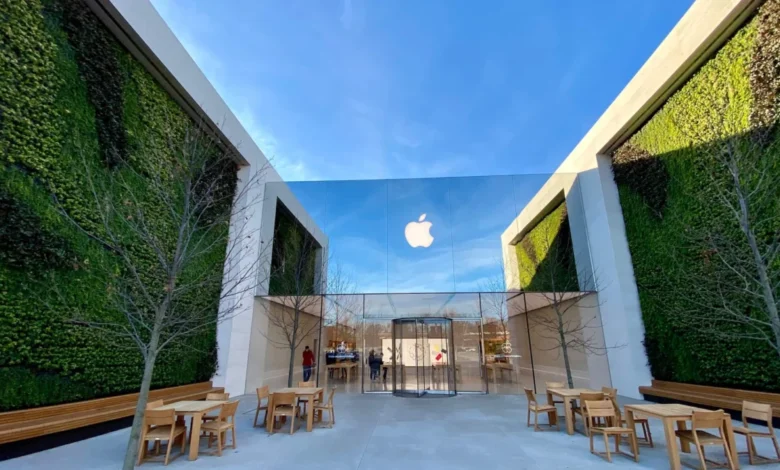
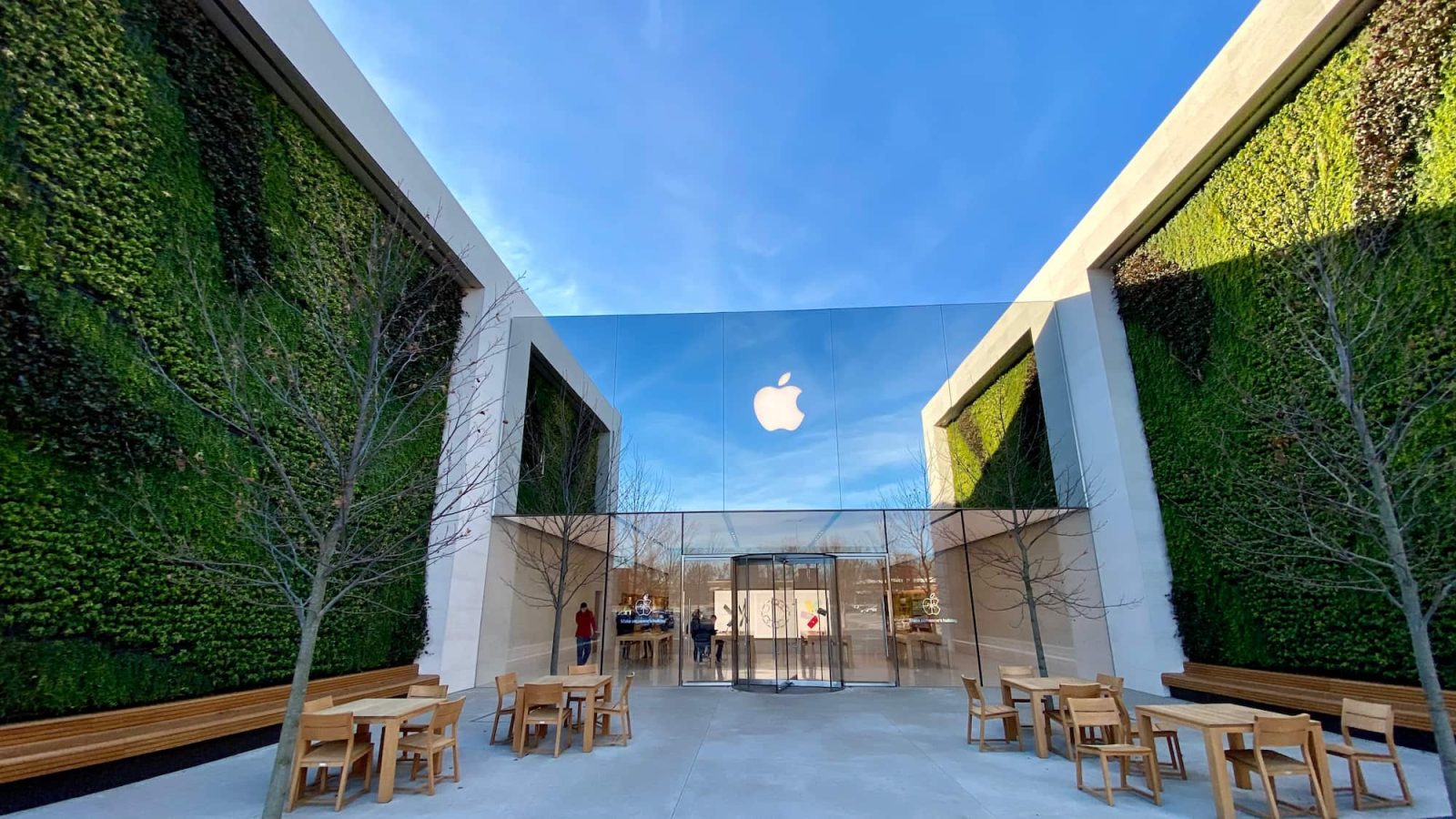
For years, Apple’s retail strategy focused on creating community-centric spaces. The "Town Square" initiative introduced large, open environments designed to encourage customers to linger, learn, and engage with Today at Apple creative workshops. These stores often featured massive video walls and flexible seating areas intended to function as public squares. However, the upcoming changes suggest that Apple is recalibrating its retail approach to address the modern needs of its customer base: high-efficiency service, rapid order fulfillment, and streamlined technical support.
The transition back to a more functional layout reflects the evolving nature of the company’s business. As online sales grow and the complexity of hardware repairs increases, the need for high-throughput service centers has become paramount. By moving away from the sprawling, open-plan aesthetic, Apple is effectively prioritizing the "transactional" efficiency that the brand was originally known for during the early 2000s.
Chronology: From Genius Bar to Genius Grove and Back
To understand the significance of this move, one must look at the historical progression of the Apple Store layout:
- 2001–2015: The Genius Bar Era. The original Apple Store blueprint featured a prominent, long counter at the back of the store. This "Genius Bar" became a hallmark of the Apple experience, providing a centralized location for hardware support and software troubleshooting.
- 2016–2023: The Genius Grove and Town Square Era. Beginning in 2016, under the leadership of Angela Ahrendts, Apple shifted toward the "Genius Grove" concept. This design replaced the physical bar with trees, flexible seating, and less formal service areas. The goal was to remove the barrier between the "genius" and the customer, fostering a more collaborative, casual atmosphere.
- 2024–Present: The Shift to Efficiency. Reports now indicate that Apple is pivoting again, reinstating the physical barrier of the Genius Bar. This transition is not merely a nostalgic return but a tactical decision to better manage customer flow and store inventory.
The Three Pillars of the Upcoming Revamp
The proposed changes are centered on three distinct architectural modifications to the "Avenue" sections—the side-wall displays that traditionally showcased accessories.
1. Dedicated Online Pickup Bays
Currently, many stores manage online orders through ad-hoc tables or designated areas that can become congested during product launches. The new design calls for 10-foot "bays" constructed from wood. These sections will feature secure, integrated storage drawers and a dedicated counter for employees to manage the handoff process. By formalizing this area, Apple expects to reduce the time customers spend waiting for their pre-ordered devices.
2. Specialized Today at Apple Zones
The Today at Apple workshops, which have been a cornerstone of the company’s marketing, are also seeing a change in placement. Instead of utilizing large, open seating areas in the center of the store, these functions will move to dedicated side bays. These zones will be equipped with high-definition displays and secure storage for hardware used during classes, allowing the center of the store to remain clear for product demonstrations.
3. The Reinstatement of the Genius Bar
Perhaps the most notable change is the elimination of the massive video walls in favor of a modernized Genius Bar. The new bars will feature an all-wood aesthetic, consistent with Apple’s current design language. Crucially, they will be built with two distinct counter heights to ensure accessibility for all customers. This move suggests that Apple recognizes the value of a dedicated, physical support desk in managing the increasing volume of post-purchase service requests.

Supporting Data and Operational Efficiency
Apple’s retail footprint remains a core driver of its brand loyalty and financial success. According to company disclosures and industry analysis, Apple operates over 500 stores in 25 countries. While the company does not disclose specific revenue per store, retail remains a critical channel for services growth, which generated over $24 billion in revenue in the most recent fiscal quarter.
The shift toward dedicated pickup and support zones is a response to the growing "omnichannel" consumer. Data indicates that a significant percentage of Apple Store visitors now arrive with a pre-determined purpose—either to pick up an order placed online or to seek technical assistance for a device. By formalizing these areas, Apple can increase the "throughput" of its stores, allowing staff to assist more customers per hour without increasing the physical square footage of the retail space.
Official Perspective and Market Implications
While Apple has not provided an official public statement regarding the granular details of these specific design changes, the company has historically framed its retail updates as part of a broader strategy to "evolve the customer experience." Industry analysts interpret these changes as a sign that Apple is prioritizing productivity.
"The ‘Town Square’ era was about brand-building and community," says an industry retail analyst. "The current era is about the realities of a mature product lifecycle. When you have billions of active devices in the wild, your retail stores have to function more like clinics and logistics hubs than showrooms."

The removal of the giant video walls is particularly telling. These walls were high-maintenance assets that required significant floor space and content management. By replacing them with functional support desks, Apple is trading theatrical marketing for operational utility.
Broader Impact on the Retail Landscape
The implications of this move go beyond Apple itself. Throughout the 2010s, many retailers—from tech companies to luxury fashion brands—attempted to emulate the "Apple Store experience," prioritizing open spaces and high-concept displays. If the world’s most successful retailer is now retreating from those concepts in favor of traditional, service-oriented design, it may trigger a broader trend across the tech retail sector.
For the consumer, the transition means that the Apple Store experience is likely to become more structured. While this may reduce the "leisure" aspect of visiting a store, it promises a more predictable and efficient outcome for those needing support or product collection. For store employees, the move away from the fluid "Genius Grove" model may provide a clearer definition of roles and responsibilities, potentially reducing the stress associated with managing high-traffic, unstructured zones.
As Apple begins the roll-out of these design changes, the tech world will be watching closely to see how effectively the company can balance its reputation for premium aesthetics with the growing demand for rapid, high-volume retail service. The return of the Genius Bar acts as a symbol of this re-balancing: a nod to the past that serves as a foundation for the future of Apple’s retail operations.