Google’s Gemini AI Faces Lock Screen Bypass Vulnerability, Raising Concerns Over Device Security and Prompting Urgent Patch Development

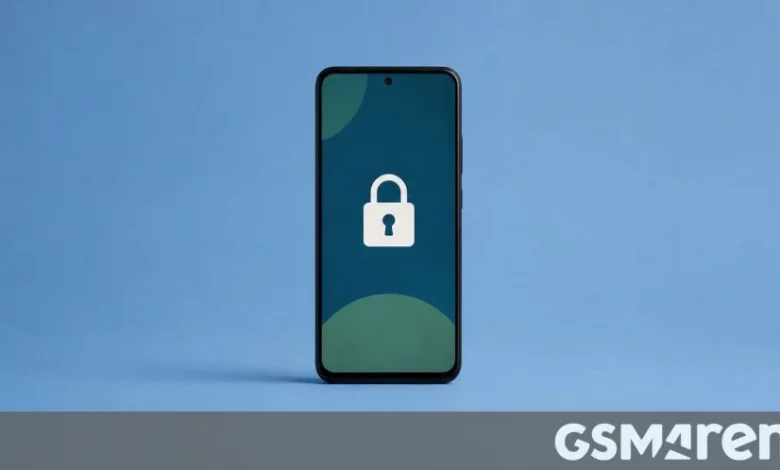
The intricate world of software development frequently encounters unforeseen challenges, particularly when dealing with highly complex systems that integrate advanced functionalities and privileged access. A recent discovery has brought to light an authentication bypass vulnerability affecting Google’s Gemini AI assistant, specifically its interaction with the Android lock screen. This flaw permits unauthorized access to certain device functionalities, including sending SMS messages and interacting with applications like WhatsApp, even when specific permissions have been explicitly revoked by the user. The vulnerability underscores the continuous battle between robust security design and the emergence of unexpected "edge cases" that can be exploited, especially in software granted elevated system privileges, such as the ability for Gemini to operate directly from a locked device.
Understanding the Mechanics: How the Bypass Works
The core of this vulnerability lies in a peculiar sequence of user interactions that circumvents the standard PIN authentication mechanism on a locked Android device. As demonstrated in a widely circulated video, the exploit begins when a user, or an unauthorized individual with physical access to the device, attempts to invoke Gemini from the lock screen. If Gemini has been previously restricted from accessing certain applications, like Messages, and a command is issued to send a message, the system correctly prompts for the device’s PIN. This initial step confirms the security protocols are, at first glance, functioning as intended.
However, the "magic" – or rather, the critical flaw – manifests when the user simultaneously presses the "Add attachment" button and the "Continue" button during this PIN-prompting phase. For reasons yet to be fully detailed by Google, this simultaneous input bypasses the required PIN authentication. Once this bypass is successfully executed, the unauthorized individual gains more than just the ability to send SMS messages. The demonstration vividly illustrates how the attacker was able to re-enable access to WhatsApp, an application whose permissions had also been explicitly turned off in Gemini’s settings. This suggests the bypass grants a broader level of access, potentially compromising multiple application permissions configured for Gemini, effectively undermining user-defined privacy controls. The ease with which such a critical security measure can be bypassed by a seemingly innocuous combination of button presses highlights a significant logical flaw in the user interface or underlying event handling within the operating system or Gemini’s integration layer.
The Technical Landscape: Authentication Bypass Vulnerabilities
In cybersecurity parlance, this type of flaw is categorized as an authentication bypass vulnerability or a lock screen bypass. These vulnerabilities are particularly insidious because they directly undermine the primary barrier protecting a user’s digital life on their device. A lock screen is designed to prevent unauthorized physical access, serving as the first line of defense against data theft, privacy breaches, and misuse of personal information. When this barrier is compromised, the integrity of the entire device’s security model is called into question.
Authentication bypasses can manifest in various forms, from flaws in cryptographic protocols to logical errors in user interface flows or timing-related race conditions. Historically, both Android and iOS have faced their share of lock screen bypass vulnerabilities. For instance, older versions of iOS (e.g., iOS 6) had specific sequences involving emergency calls and physical button presses that could lead to photo gallery access. Similarly, early Android versions (e.g., Android 4.x) saw bypasses involving emergency dialers or specific input patterns that could expose contacts or other data. These past incidents underscore that even with rigorous testing, the sheer complexity of modern operating systems, coupled with countless hardware configurations and user interaction patterns, makes it challenging to anticipate and prevent every potential exploit. The current Gemini vulnerability fits into this historical pattern, demonstrating that even advanced AI integrations are not immune to fundamental security pitfalls.
Gemini’s Role and Privileges
Google’s Gemini represents the company’s ambitious foray into advanced artificial intelligence, designed to be a multimodal AI assistant capable of understanding and generating various forms of content, including text, code, audio, image, and video. Its deep integration into the Android operating system, especially its ability to be invoked from the lock screen, is a testament to Google’s vision of a seamlessly integrated AI experience. However, this deep integration and the associated "special privileges" are precisely what make such vulnerabilities particularly concerning.
For an AI assistant to function effectively across the operating system, it requires a broad range of permissions, often including access to messaging applications, contacts, location services, and more. When Gemini is enabled to operate from the lock screen, it essentially gains a conduit to interact with these sensitive system functions even when the device is otherwise secured. The Android security model is built on a granular permissions system, where users explicitly grant or deny access to applications for specific functionalities. The expectation is that even if an application has been granted certain permissions, its access from a locked device would be contingent on proper authentication. The discovered bypass directly violates this expectation, allowing Gemini to operate outside its intended security parameters and potentially re-enable access to applications like WhatsApp, overriding user-configured privacy settings. This highlights the critical need for a robust privilege separation and authentication framework, especially for AI agents that are designed for pervasive system interaction.
A Chronology of Discovery and Response
The timeline surrounding this particular vulnerability offers crucial insights into the lifecycle of security flaws in major software platforms. According to reports, this vulnerability has been known and reported since May, specifically affecting devices running Android 16. The mention of "Android 16" is significant, as it indicates a version of the operating system that is either currently in advanced beta testing or slated for future release. This suggests that security researchers or internal teams at Google were proactive in identifying this flaw before or during the pre-release phase of the next major Android iteration.
Upon discovery, the vulnerability was reported to Google, adhering to the principles of responsible disclosure. Responsible disclosure is a cybersecurity practice where a researcher privately reports a vulnerability to the affected vendor, allowing them time to develop and deploy a patch before the flaw is made public. This minimizes the window of opportunity for malicious actors to exploit the vulnerability. Google has reportedly acknowledged the issue, confirming that it is aware of the vulnerability and, critically, that a fix is already "on the way." This rapid acknowledgment and commitment to a solution are standard practices for major software vendors when critical security flaws are identified. The public disclosure, often accompanied by a demonstration video, typically occurs after the vendor has been given sufficient time to prepare a patch, serving to inform users and encourage prompt updates.
Google’s Acknowledgment and Resolution Efforts
Google’s prompt acknowledgment of the Gemini lock screen bypass vulnerability and its assurance that a fix is imminent is a testament to its established security protocols and commitment to user safety. While specific details about the nature of the fix or its exact rollout schedule have not been publicly disclosed, the company’s statement suggests that internal teams are actively working on a patch. Typically, such fixes involve identifying the precise logical error or race condition that allows the bypass, implementing a corrective code change, thoroughly testing it across various device configurations, and then pushing it out through system updates.
For a vulnerability affecting a core OS component and a high-profile AI assistant like Gemini, the patch is likely to be delivered as part of a monthly Android security update or, if deemed critical enough, an out-of-band hotfix. These updates are crucial for maintaining the security posture of Android devices globally. Google’s Android security bulletin provides detailed information on patched vulnerabilities each month, and this Gemini bypass will undoubtedly feature prominently in an upcoming release. The company’s transparency in acknowledging the issue, even before the patch is widely deployed, helps build trust with users and the security community.
Broader Implications for Android Security
The impact of this Gemini lock screen bypass extends beyond just Pixel devices, although conclusive information on the full spectrum of affected Android "flavors" is still pending. The term "Android flavors" refers to the various customized versions of the Android operating system deployed by different manufacturers (e.g., Samsung’s One UI, OnePlus’s OxygenOS, Xiaomi’s MIUI). Given that Gemini is a Google service deeply integrated into the core Android framework, it is highly probable that the vulnerability could affect a wide range of devices running Android 16, regardless of the manufacturer, if they support Gemini’s lock screen functionality.
The fragmentation of the Android ecosystem poses a unique challenge for vulnerability management. While Google develops and rolls out the core Android patches, device manufacturers are responsible for integrating these patches into their customized versions of Android and distributing them to end-users. This process can introduce delays, meaning that some devices might receive the fix later than others. This staggered rollout can leave a significant portion of the Android user base vulnerable for an extended period, highlighting a persistent challenge in securing the diverse Android landscape. For users, it underscores the importance of regularly updating their devices as soon as security patches become available.
The Human Element: Security Research and Disclosure
The discovery of this Gemini vulnerability, like countless others, emphasizes the indispensable role of security researchers, often referred to as white-hat hackers. These individuals or teams tirelessly probe software for weaknesses, not with malicious intent, but to identify and report flaws before they can be exploited by cybercriminals. Their work is a critical component of the cybersecurity ecosystem, acting as an early warning system for software vendors and ultimately enhancing the safety of digital products for millions of users.
The practice of responsible disclosure is fundamental to this process. By reporting vulnerabilities privately to vendors, researchers provide them with the necessary time to develop and deploy fixes without immediately exposing users to potential harm. This collaborative approach between the security community and software developers is crucial for maintaining the integrity and trustworthiness of digital platforms. The fascination derived from observing how these "edge cases" are discovered, often through serendipitous stumbling upon unusual interaction patterns, speaks to the ingenuity of human curiosity and problem-solving, whether applied for constructive or destructive purposes.
User Impact and Mitigation Strategies
For the average Android user, the immediate implications of this vulnerability are significant, particularly concerning privacy and potential misuse of their device. An attacker with physical access could, through this bypass, send unauthorized SMS messages, potentially impersonating the user, or access and manipulate conversations within WhatsApp, compromising personal communications. The ability to re-enable app access through Gemini overrides user-defined privacy settings, which is a direct affront to individual control over personal data.
While Google works on deploying the fix, users should remain vigilant. The most crucial action users can take is to ensure their devices are updated as soon as the patch becomes available. Until then, users might consider temporarily disabling Gemini’s access from the lock screen if such an option exists, or at least carefully reviewing Gemini’s permissions for sensitive applications. Additionally, users should always ensure their devices are physically secure and avoid leaving them unattended or accessible to untrusted individuals. The ongoing nature of such vulnerabilities reinforces the need for strong device passcodes and other authentication methods like fingerprint or facial recognition, which, while not directly compromised by this specific flaw, add layers of defense.
The Future of AI Integration and Security
This Gemini lock screen bypass serves as a potent reminder of the evolving security landscape, particularly with the rapid integration of artificial intelligence into core operating systems. As AI assistants become more powerful, more pervasive, and gain deeper access to system functionalities and user data, the attack surface for potential vulnerabilities will inevitably expand. The challenges of securing AI-driven features are multifaceted. They involve not only traditional software security concerns but also novel considerations related to AI model integrity, data privacy within AI processing, and the complex interactions between AI agents and the underlying OS.
Developers must increasingly adopt a "security by design" approach, embedding security considerations from the very inception of AI features, rather than retrofitting them later. This includes rigorous threat modeling, extensive testing for edge cases and unexpected interactions, and continuous monitoring for newly discovered vulnerabilities. The promise of AI to enhance user experience is immense, but it must be balanced with an unwavering commitment to robust security and user privacy.
Conclusion: Vigilance in an Evolving Digital World
The discovery and impending fix for the Gemini lock screen bypass vulnerability encapsulate a perpetual cycle in the digital world: the continuous interplay between innovation, security challenges, and resolution. While such incidents are an inherent part of developing and deploying complex software, especially with advanced technologies like AI, they serve as critical learning opportunities for developers and a call for vigilance for users. Google’s swift response to this reported flaw in Android 16, even before its widespread release, demonstrates a commitment to addressing security concerns proactively. As AI continues to intertwine with our daily digital lives, the collaborative efforts of security researchers, diligent developers, and informed users will remain paramount in safeguarding our privacy and data in an ever-evolving technological landscape. Users are strongly advised to keep their devices updated, as timely patching remains the most effective defense against known vulnerabilities.