Dynabook Introduces the V83/PA Convertible Laptop Combining Ultra-Lightweight Portability with Enterprise-Grade AI Performance

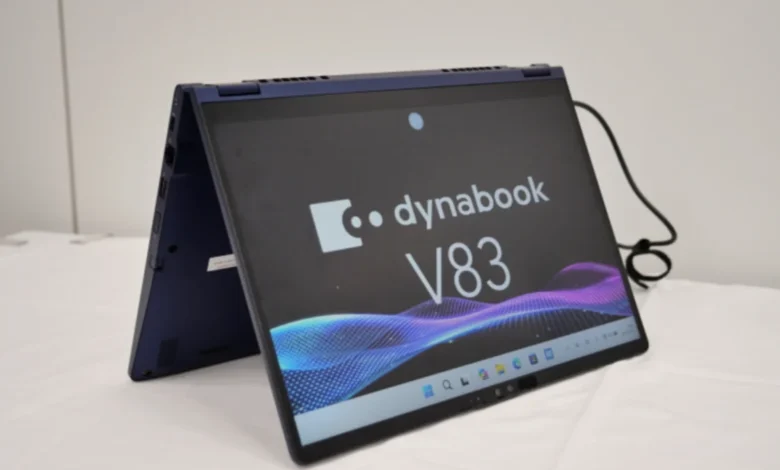
Dynabook, the storied computing brand formerly known as Toshiba Client Solutions, has officially unveiled its latest flagship convertible device, the V83/PA. Engineered for the modern professional who demands extreme portability without sacrificing functional versatility, the V83/PA enters a crowded market of ultralight business laptops with a distinct value proposition: a sub-one-kilogram chassis that integrates a self-charging stylus directly into its frame.
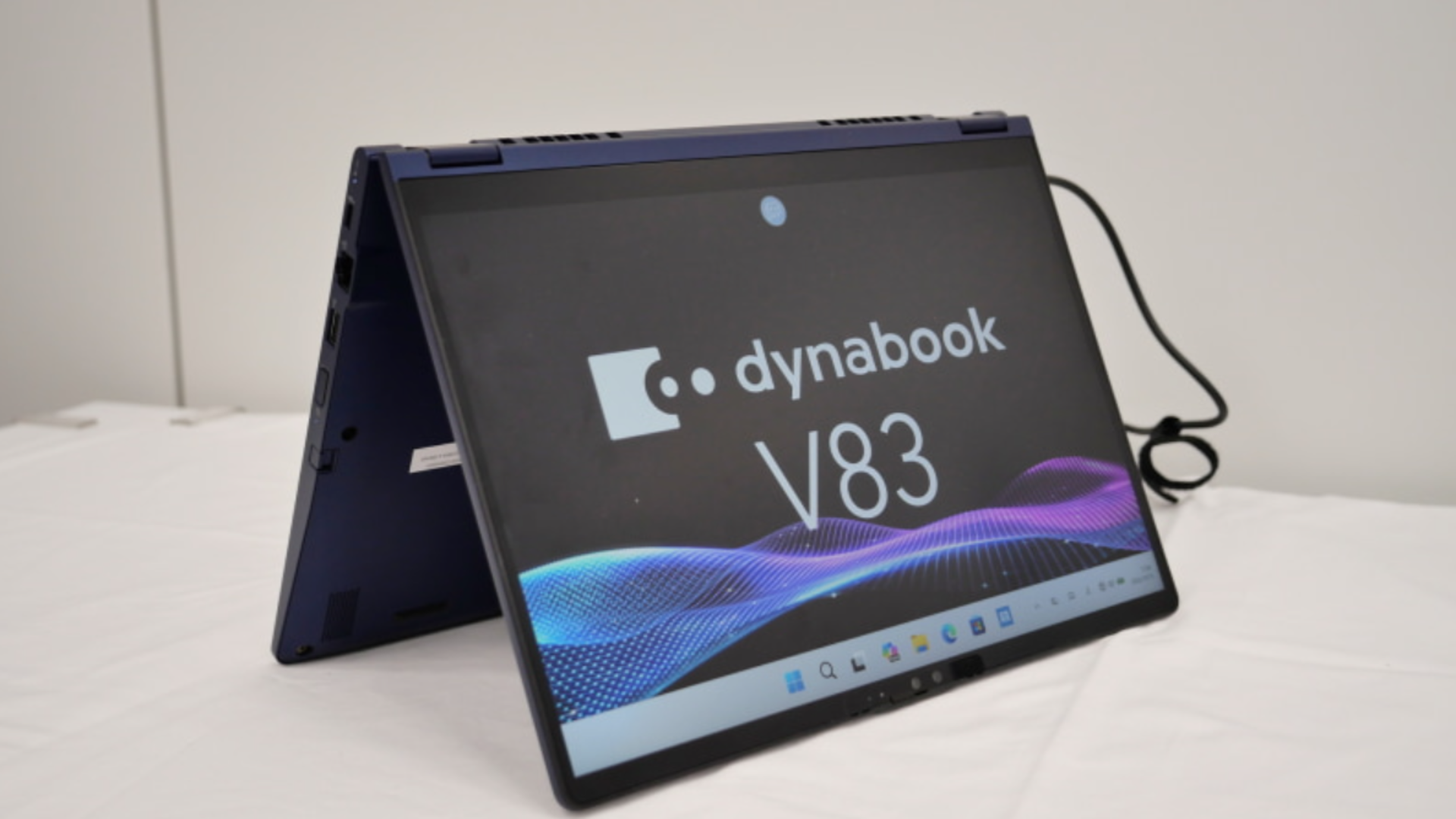
At a baseline weight of just 989 grams, the device is positioned to challenge the current industry standards for thin-and-light convertible computing. While the device maintains the aesthetic language of its predecessors—characterized by its signature Dark Tech Blue finish and rounded rear edges—it incorporates a sophisticated hardware suite designed to cater to high-stakes enterprise environments.
Design Philosophy and Hardware Specifications
The V83/PA is built around a 13.3-inch LCD touchscreen featuring a 1920 x 1200 resolution. The choice of a 16:10 aspect ratio reflects a broader industry trend aimed at providing more vertical screen real estate, which is increasingly favored for document editing, web browsing, and multitasking workflows. The convertible hinge mechanism allows the device to transition seamlessly from a traditional clamshell laptop configuration to a tablet mode, supported by the aforementioned internal stylus compartment. This design choice addresses a common pain point for mobile professionals: the loss or depletion of digital pens, as the stylus is automatically recharged while stored inside the chassis.
Measuring 298.8 x 212 x 18.8mm, the device manages to pack a significant array of I/O ports. Unlike many ultra-thin competitors that force users into a "dongle-heavy" lifestyle, the V83/PA includes two Thunderbolt 4 ports—positioned on opposite sides to offer flexibility in cable management—alongside two USB 3.2 Gen 1 ports, a full-sized HDMI output, a Gigabit Ethernet port, and a 3.5mm audio jack. This commitment to physical connectivity ensures that the laptop remains compatible with legacy enterprise peripherals without requiring external adapters.
Computational Power and AI Integration
Under the hood, Dynabook has opted for Intel’s latest Core Ultra processors. Available configurations include the Core Ultra 7 365, Ultra 7 355, Ultra 5 335, and Ultra 5 325 chips. These processors are designed to balance power efficiency with the computational overhead required for modern AI-driven applications. Memory options range from 16GB to 32GB of RAM, paired with SSD storage options of 512GB or 1TB, running on Windows 11 Pro.
A standout feature of the V83/PA is its proprietary AI-driven software suite. This tool allows users to circle content on the display with their finger or the integrated stylus to trigger instant translation or summarization. Crucially, Dynabook has emphasized that this processing occurs locally on the device rather than via cloud-based servers. This architectural choice is a strategic move to appeal to corporate and government sectors where data privacy and compliance with security regulations are paramount. By keeping data within the local hardware environment, Dynabook mitigates risks associated with data leakage during the transmission process.
Furthermore, the machine integrates Windows Studio Effects and AI-based noise cancellation for video conferencing. These features are increasingly essential in the era of hybrid work, where professional appearance and audio clarity during virtual meetings are critical business metrics.
Battery Life and Durability Standards
Despite its featherweight profile, the V83/PA claims impressive battery performance. While independent benchmarks have yet to verify these figures, the manufacturer estimates approximately 28.5 hours of idle time and 16 hours of video playback. These numbers, if reflective of real-world productivity tasks, would position the V83/PA among the longest-lasting devices in its class.
The chassis is designed with durability in mind, featuring spill protection capable of guarding internal components against approximately 30cc of liquid. However, the company advises that in the event of a spill, users must perform a full system shutdown to ensure the integrity of the motherboard and electrical contacts. This, combined with the device’s adherence to Secured-Core PC standards, NIST SP800-171 compliance, and proprietary BIOS-level security management, underscores its primary market focus: the enterprise and government professional.
Market Context and Price Analysis
The entry-level configuration of the V83/PA is priced at ¥1,057,320, which converts to approximately $6,740 USD at current exchange rates. This high price point places the device in the premium tier, far exceeding the cost of many consumer-grade ultrabooks that offer similar or even superior raw performance specifications.
Industry analysts suggest that the premium pricing is justified not merely by the internal components, but by the engineering costs associated with the device’s extreme weight reduction and the internal stylus integration. The "Dynabook" brand, having evolved from its Toshiba origins, continues to focus on a legacy of durability and specialized business features. However, the company faces stiff competition. With major manufacturers like Lenovo, Dell, and HP producing thin-and-light convertibles that utilize similar Intel Core Ultra architectures for significantly lower costs, the V83/PA occupies a niche segment of the market.
For potential buyers, the primary trade-off is clear: the user is paying a premium for the specific combination of the 989g weight, the integrated charging pen, and the local AI processing capabilities. While these features are highly desirable for specific professional roles—such as traveling executives or field engineers who rely on handwriting input—they may not provide sufficient value for the general corporate user base.
Chronology of Development and Availability
The release of the V83/PA follows a series of updates to the Dynabook mobile lineup throughout the last eighteen months, mirroring the broader industry push toward "AI PCs." The development cycle for this specific model appears to have been fast-tracked to align with the release of the latest Intel Core Ultra architecture, which emphasizes Neural Processing Units (NPUs) to handle AI tasks locally.
Following the initial announcement in Japan via PC Watch, the device is expected to roll out to select enterprise channels. Dynabook has traditionally utilized a B2B-focused distribution model, often working directly with corporate IT departments to procure bulk orders rather than relying on retail outlets. This strategy minimizes the impact of high sticker prices on the average consumer, as large organizations often negotiate discounted procurement rates based on volume.
Implications for the Future of Ultralight Computing
The introduction of the V83/PA signals a maturing of the "AI PC" concept. The industry has shifted from theoretical discussions of what AI can do for productivity to tangible, localized software implementations. By integrating these tools at the hardware level, Dynabook is setting a precedent for how manufacturers might differentiate their products in a commoditized market.
The move toward local processing is particularly significant. As regulatory bodies around the world tighten data privacy laws—such as the GDPR in Europe and various state-level privacy acts in the United States—the ability to perform complex computational tasks without sending data to the cloud becomes a competitive advantage. If the V83/PA’s local AI tools prove effective and reliable, it is highly likely that other manufacturers will attempt to replicate this closed-loop architecture.
Ultimately, the V83/PA represents a bold, if expensive, vision for the future of the professional laptop. By combining a nearly sub-kilogram weight with rigorous security standards and integrated AI, Dynabook is attempting to solve the specific dilemmas faced by mobile professionals. Whether the market is willing to absorb the high cost of this innovation will be the true test of the device’s viability in the coming fiscal year. As the technology landscape continues to lean into AI-augmented workflows, devices that prioritize privacy and physical utility may find a dedicated, albeit selective, audience among high-end enterprise users.