Apple Previews Radically Overhauled Health App in iOS 27.2 Beta Featuring New Insights and Longevity Tabs

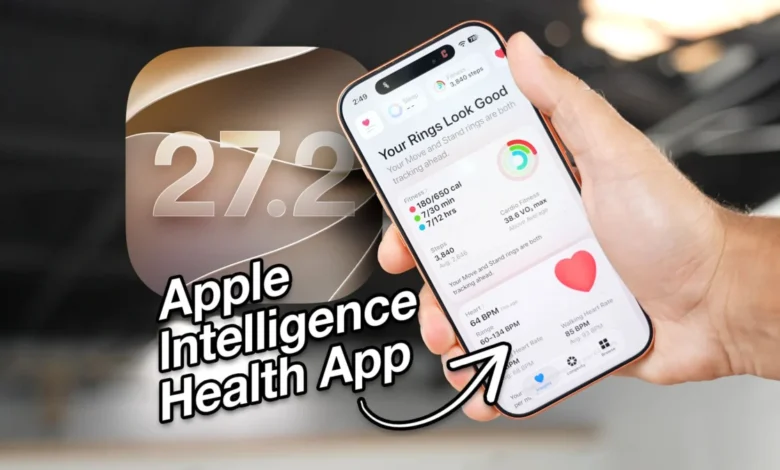
Apple has officially begun testing a comprehensive, ground-up redesign of its flagship Health application, rolling out the highly anticipated interface to developers and public testers via the iOS 27.2 beta. Initially previewed during Apple’s major September iPhone hardware event, the overhauled platform represents the most significant architectural and functional evolution of the company’s health ecosystem since its inception. While the beta cycle allows early adopters to explore the refreshed layout, Apple has confirmed that the complete software experience will not deploy with the initial point-release of iOS 27.2. Instead, the revamped Health application is scheduled for a wider public rollout later in the year, ensuring additional refinement and the integration of advanced personalization features.
The strategic update introduces a modernized user interface designed to transform how individuals interact with their daily wellness metrics and long-term biological data. At the core of this redesign are two primary navigational additions: the Insights tab and the Longevity tab. These additions move the application away from a purely observational dashboard toward a proactive, analytics-driven health companion. By leveraging deeper computational processing on-device and expanding integrations with external medical frameworks, Apple aims to bridge the gap between casual fitness tracking and clinical-grade preventive health management.
Anatomy of the Insights Tab: Real-Time Metrics and Readiness Scoring
The newly structured Insights tab serves as the central hub for immediate, day-to-day physiological monitoring. Designed to synthesize a high volume of incoming data streams, the tab aggregates a user’s most recent health indicators—ranging from classic Activity Rings and heart rate variability to comprehensive sleep scores and critical vitals. Rather than forcing users to dig through disparate menus to check individual parameters, the Insights tab presents a consolidated view of current physical status.
For users equipped with the latest hardware—specifically the Apple Watch Series 12 and the Apple Watch Ultra 4—the Insights tab unlocks an advanced analytical feature known as the readiness score. This metric is dynamically calculated by synthesizing a user’s recent activity load, baseline vitals, and sleep architecture. The resulting score is engineered to provide actionable guidance, helping users determine whether their bodies are primed for high-intensity training or if a designated recovery day is medically advisable to prevent overtraining syndrome and physical burnout.
Although the current beta version focuses primarily on data aggregation and score calculation, Apple has confirmed that future iterations of the Insights tab will introduce sophisticated, AI-driven personalized guidance. This forthcoming capability is expected to analyze trends within the user’s data to offer bespoke recommendations regarding sleep hygiene, cardiovascular pacing, and activity adjustments, aligning with Apple’s broader push into proactive artificial intelligence across its device ecosystem.
The Longevity Tab: Quantifying Long-Term Health and Biological Age
Complementing the real-time focus of the Insights tab, the Longevity tab introduces a long-range perspective on personal wellness. This feature evaluates historical health data collected over months and years to calculate a comprehensive Health Age metric. By analyzing longitudinal trends in activity levels, maximum oxygen uptake (VO2 max), sleep duration, and other foundational health indicators, the system provides users with a quantified estimate of their biological conditioning relative to chronological age.
To ensure high accuracy without requiring immediate clinical intervention, the Longevity tab incorporates guided fitness assessments that users can execute directly on their iPhones. These interactive tests evaluate critical functional parameters, including flexibility, balance, and VO2 max, utilizing the iPhone’s advanced sensors and motion coprocessors to measure physical competency.
In a significant move toward deeper medical integration, Apple is also facilitating the incorporation of clinical laboratory data into the Longevity scoring algorithm. The company plans to introduce an affordable $119 laboratory panel in collaboration with Quest Diagnostics. This comprehensive blood and metabolic panel will feed directly into the Health app to refine the user’s Health Age calculation. For individuals who prefer alternative diagnostic pathways or who have recent medical records on hand, the application also supports the direct upload and parsing of recent third-party lab results. Industry analysts note that while these advanced capabilities require an Apple Watch or an interoperable biometric tracking device to unlock their full potential, the inclusion of standardized lab metrics elevates the platform from a lifestyle pedometer into a serious preventative healthcare tool.
Background Context and the iOS 27 Ecosystem Rollout
The unveiling of the iOS 27.2 health beta arrives against the backdrop of Apple’s broader software deployment schedule for the autumn season. Just days prior to the beta’s release, Apple deployed iOS 27 to the global consumer base. That major operating system update, rolled out following the iPhone 18 Pro and iPhone Duo launch event, introduced a myriad of foundational system upgrades, including advanced Siri artificial intelligence capabilities, refinements to cross-device continuity, and the innovative iPhone Handoff feature enabling seamless single-number switching between dual iPhones.
Apple’s deliberate decision to decouple the Health app overhaul from the initial iOS 27 release underscores the complexity and regulatory sensitivity of health-related software. By introducing the redesign via the iOS 27.2 developer and public beta programs, Apple engineering teams can stress-test the complex data pipelines required for the Longevity tab, the Quest Diagnostics integration, and hardware-dependent readiness algorithms. This measured deployment timeline ensures stability and gives regulatory and clinical partners adequate time to align with the platform’s new diagnostic features.
Chronology of Development and Future Expectations
The trajectory of Apple’s health software strategy has steadily evolved from simple step-counting to comprehensive physiological monitoring. The journey toward the iOS 27.2 health architecture began taking shape internally following the introduction of advanced sensor suites in the Apple Watch Series 10 and 11, culminating in the hardware synergies seen today in the Apple Watch Series 12 and Ultra 4.
- June 2026: Apple outlines the foundational goals for iOS 27 ecosystem updates during the Worldwide Developers Conference (WWDC), briefly highlighting expanded health data integration.
- September 14, 2026: Apple officially releases iOS 27 to the public, bringing widespread artificial intelligence and system refinements to millions of active iPhones.
- September 16, 2026: Apple deploys the iOS 27.2 developer and public beta, offering the first hands-on preview of the completely redesigned Health app featuring the Insights and Longevity tabs.
- Late 2026 (Projected): Official public release of iOS 27.2, introducing the finalized health interface, readiness scoring, and lab integration capabilities to all compatible devices.
Industry Implications and Market Analysis
From a market perspective, the introduction of the overhauled Health app signals Apple’s deepening commitment to the digital health sector, positioning the iPhone and Apple Watch as indispensable nodes in personal preventative care. By partnering with established medical diagnostics leaders like Quest Diagnostics and standardizing complex metrics like VO2 max and Health Age into accessible consumer scores, Apple is effectively narrowing the divide between consumer electronics and clinical medicine.
Healthcare analysts point out that while the monetization of hardware remains Apple’s primary revenue driver, ecosystems built around sticky, health-centric software drastically improve user retention and brand loyalty. Furthermore, as healthcare systems worldwide pivot toward preventative medicine and remote patient monitoring, platforms capable of aggregating longitudinal wellness data and standardized laboratory results are expected to play a crucial role in patient self-advocacy.
As the iOS 27.2 beta testing period continues over the coming weeks, developers and early adopters will closely monitor the stability of the new tabs, the accuracy of the readiness algorithms, and the integration pathways for clinical lab work. While everyday users will need to exercise patience ahead of the official release later this year, the forthcoming transformation of the Apple Health application clearly demonstrates the company’s long-term vision for personal health management in the digital age.