The launch of macOS 27, codenamed Golden Gate, marks a significant evolution for Apple’s desktop operating system, with the Photos application serving as a primary beneficiary of the update. Rather than pursuing a radical aesthetic overhaul, Apple has opted for a granular, feature-rich enhancement strategy. The update introduces powerful generative AI tools, expanded administrative controls for photographers, and a long-awaited bridge for non-Apple users to interact with iCloud Shared Albums. These updates, which rely heavily on the latest iteration of Apple Intelligence, represent a shift toward making the Mac an increasingly professional-grade hub for media management and creative editing.
The Evolution of Apple Intelligence in Image Processing
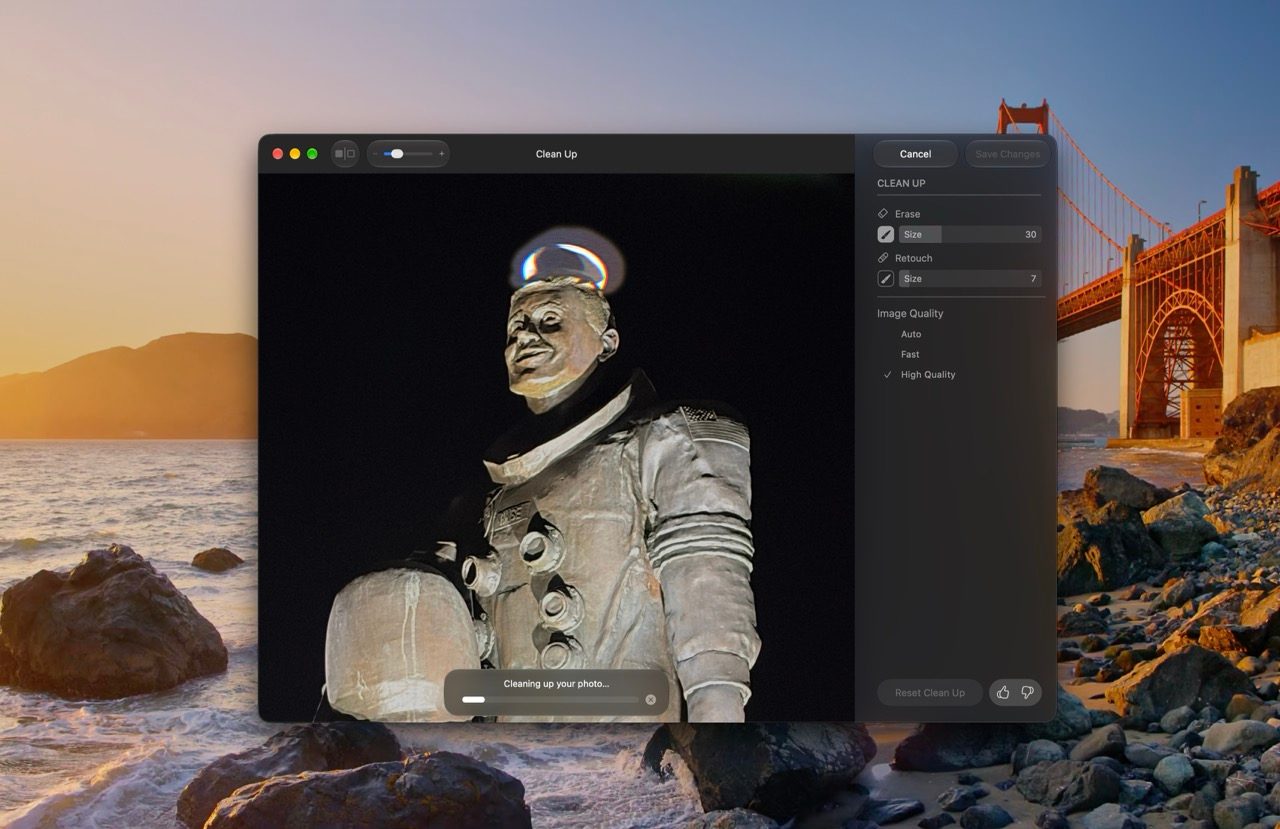
At the core of the macOS 27 Photos experience is the new Tools pane, which centralizes the suite of AI-driven capabilities. Apple has fundamentally upgraded the "Clean Up" feature, which debuted in earlier versions to address minor distractions in photos. By utilizing advanced on-device neural processing, the tool now handles complex geometric structures and larger objects with significantly higher fidelity. The inclusion of dual-tier processing—a "Fast Mode" for quick, low-latency blemish removal and a "High-Quality Mode" for intricate scene reconstruction—demonstrates Apple’s commitment to balancing system performance with output quality.
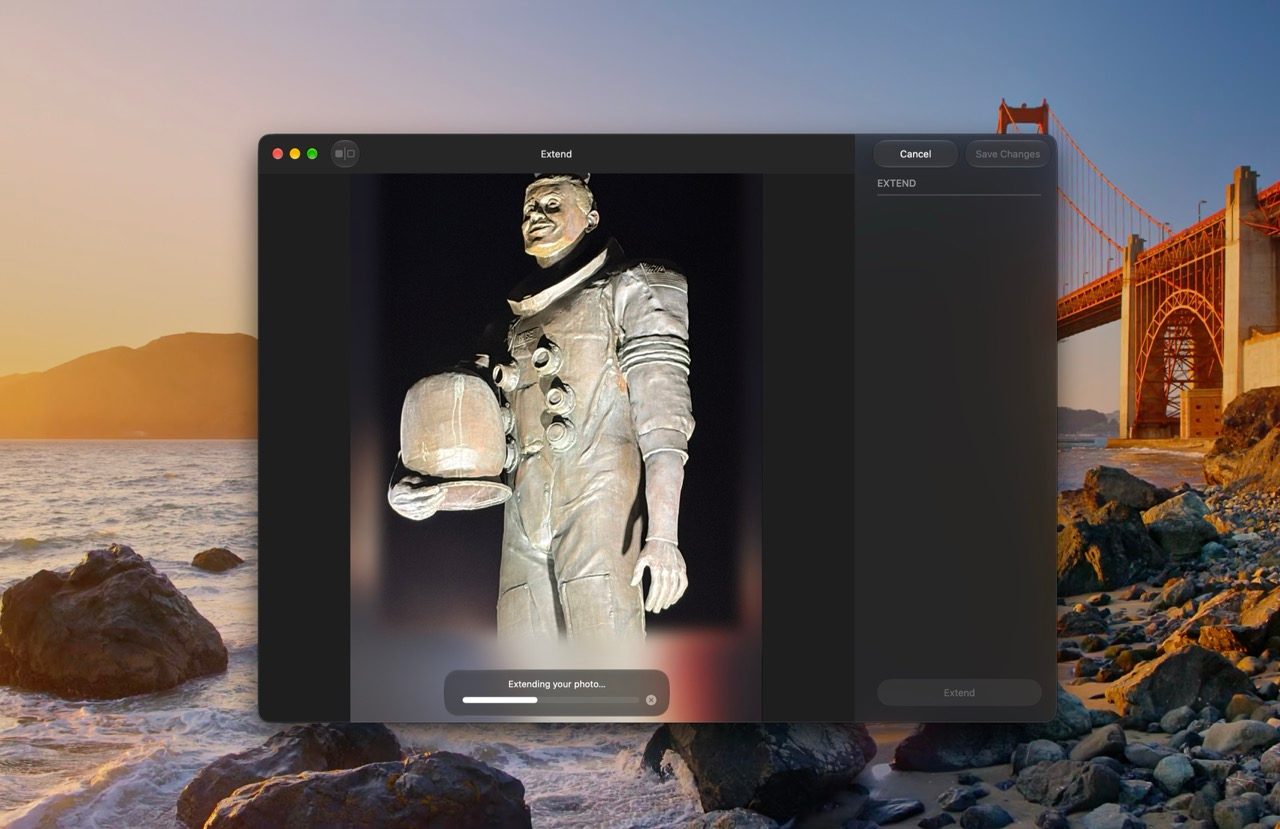
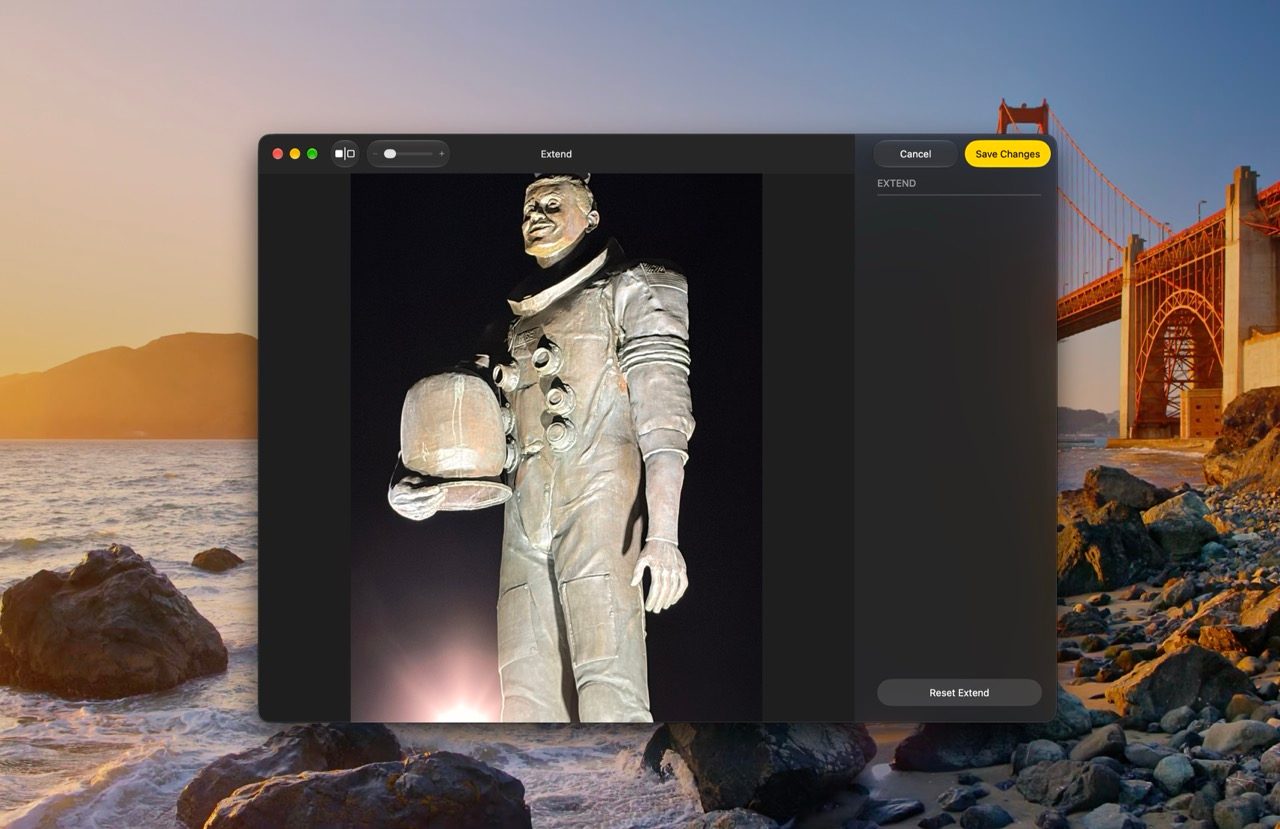
The addition of the "Extend" tool represents a foray into generative content creation. By leveraging generative models to extrapolate data beyond the original frame, users can now adjust aspect ratios or correct framing errors that were previously irreversible. This functionality is integrated directly into the Crop tool, streamlining the workflow for photographers who frequently shift between portrait and landscape formats.
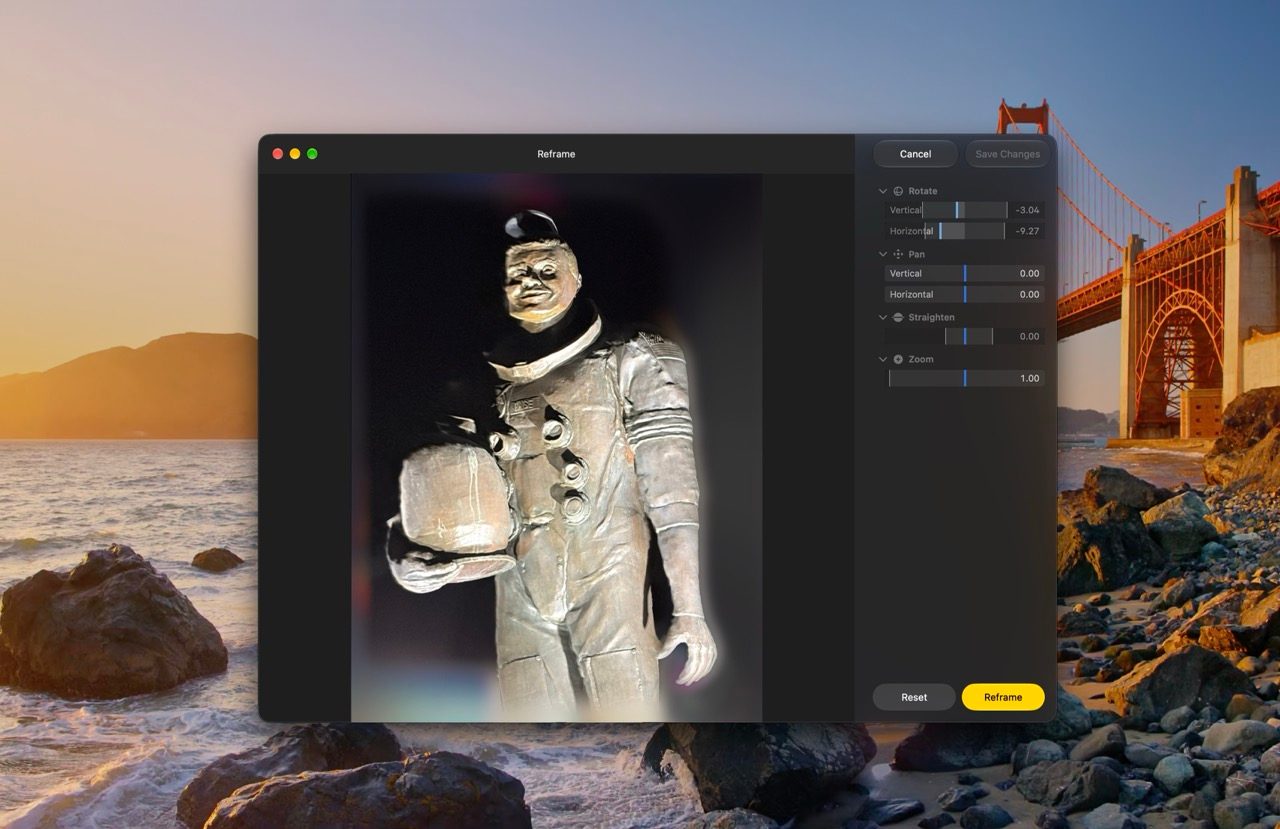
Perhaps the most sophisticated addition is "Spatial Reframing." By constructing a three-dimensional depth map of a photograph on-device, the system allows users to manipulate the virtual perspective. This technology goes beyond simple cropping; it creates a dynamic, rotatable view of a scene. When this manipulation results in empty pixel data, generative models automatically fill the gaps, maintaining the visual integrity of the background. This capability is expected to be particularly popular among users utilizing modern iPhones with spatial capture capabilities, effectively bridging the gap between standard 2D photography and immersive media.
Bridging Ecosystem Divides: iCloud Shared Albums
For years, the restrictive nature of iCloud Shared Albums has been a point of friction for families and professional teams operating across multiple platforms. With macOS 27, Apple has dismantled these barriers. Shared Albums now support full-resolution media uploads, moving away from the compressed formats that previously limited the utility of the service for professional photographers.
Most importantly, the service is now fully accessible to users on Android and Windows. By navigating to iCloud.com, non-Apple users can join, view, and contribute to shared collections. This interoperability reflects a broader strategic pivot by Apple, acknowledging that even the most loyal users operate in heterogeneous technical environments. Additional administrative features, such as the ability to batch-save entire albums to a personal library and the introduction of a 30-day "temporary" album expiration setting, offer users greater control over their storage footprint and digital clutter.
Administrative Tools and Professional Workflow Enhancements
Beyond AI-driven editing, macOS 27 addresses the demands of power users through organizational upgrades. The return of user-defined slideshow controls provides a level of creative agency that had been absent in previous iterations. Users can now curate transitions, manage slide duration, and sync custom music tracks, with the final product exportable as a standalone video file. This removes the need to re-generate presentations, effectively turning the Photos app into a light-duty video production tool.
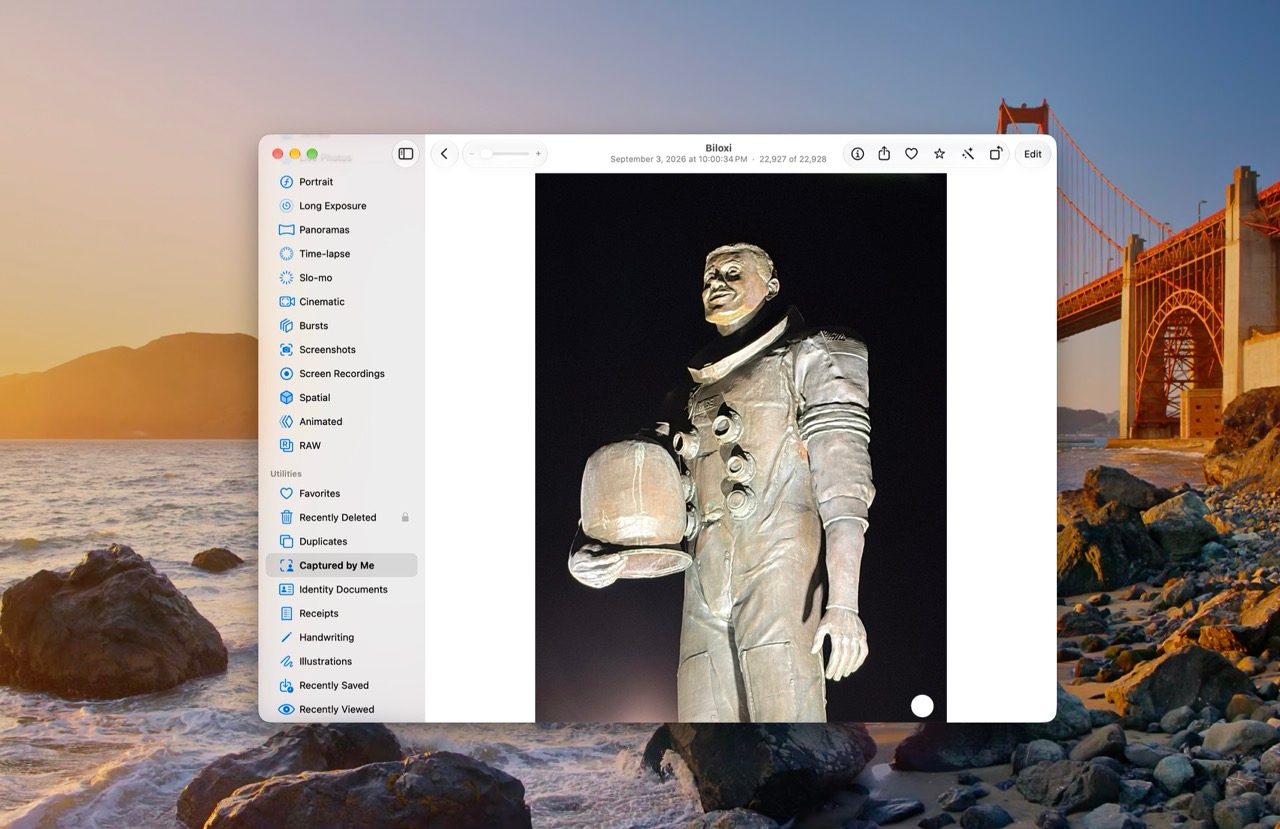
A new organizational collection, "Captured by Me," automatically segregates original content from synced media or social media downloads. This feature uses metadata analysis to filter out non-original files, providing a cleaner view of a user’s personal photographic history. Furthermore, the introduction of a five-star rating system—a feature long requested by the professional photography community—allows for sophisticated library filtering. While this feature is disabled by default to maintain a clean interface for casual users, its inclusion signals that Apple is paying closer attention to the requirements of serious hobbyists and professionals who utilize the Mac as their primary digital darkroom.
Under-the-Hood Improvements: Performance and Search
While the new tools are the most visible aspects of macOS 27, the underlying architecture has undergone significant refinement. Apple has overhauled the search foundation that powers Spotlight, Mail, and Photos. The new indexing system operates with higher efficiency, updating content tags in real-time throughout the day. This reduces the latency often associated with searching large libraries, particularly for users with tens of thousands of images.
Additionally, the introduction of prioritized iCloud syncing is a practical response to the demands of modern high-resolution photography. Users can now flag specific imports for high-priority uploading, ensuring that the most important files are synchronized across devices before background maintenance tasks are processed. This optimization is particularly beneficial for professionals who need to move media from a camera to a cloud-synced environment as quickly as possible.
Industry Context and Strategic Implications
The updates in macOS 27 Golden Gate arrive at a time when the digital asset management (DAM) market is increasingly dominated by AI-integrated platforms like Adobe Lightroom and Google Photos. Apple’s approach differs by emphasizing privacy-first, on-device processing. By keeping the generative models local, Apple avoids the data privacy concerns associated with cloud-based AI generation, a selling point that remains central to the company’s brand identity.
Industry analysts suggest that this release is part of a larger trend of "feature consolidation." Rather than creating new, standalone apps, Apple is focusing on expanding the capabilities of its native ecosystem to reduce the necessity for third-party subscription software. By providing professional-grade editing, organization, and sharing tools within the native Photos app, Apple is effectively increasing the "stickiness" of the macOS platform.
A Timeline of Recent Photo Ecosystem Updates
- macOS 25: Introduction of deeper integration between the Photos app and the Files system, allowing for better management of external drive libraries.
- macOS 26: The debut of basic Apple Intelligence features, primarily focused on object identification and search improvements.
- macOS 27 (Golden Gate): A major pivot toward generative AI editing (Extend/Spatial Reframing) and cross-platform accessibility (iCloud.com integration).
Future Outlook and User Impact
The impact of macOS 27 will be most acutely felt by users who maintain extensive, multi-year photo archives. The combination of better search indexing, star-rating organizational tools, and the "Captured by Me" filter provides a long-awaited solution to the problem of "digital hoarding," where users find it increasingly difficult to locate high-quality, original content within a sea of memes, screenshots, and duplicates.

As Apple continues to refine its software, the boundary between the Mac and the iPhone continues to blur. With the ability to edit photos with generative AI on the desktop using tools that mirror mobile-first capabilities, the workflow is becoming more fluid. For the average user, the update is a welcome refinement that makes the Photos app more capable, more collaborative, and more organized. For the power user, it provides the necessary infrastructure to manage high-volume creative work without requiring a reliance on third-party software suites.
Ultimately, macOS 27 Golden Gate is a testament to the maturity of the Mac ecosystem. It is no longer about adding flashy, headline-grabbing features that change the fundamental nature of the OS, but rather about addressing the friction points of modern digital life. By focusing on search, organization, and interoperability, Apple has ensured that the Photos app remains the central, reliable repository for the memories of its global user base. The shift toward generative AI, while powerful, is implemented with the characteristic restraint that prioritizes user privacy and system stability, ensuring that even with the addition of complex new technologies, the Mac remains a platform that is both intuitive and exceptionally powerful.