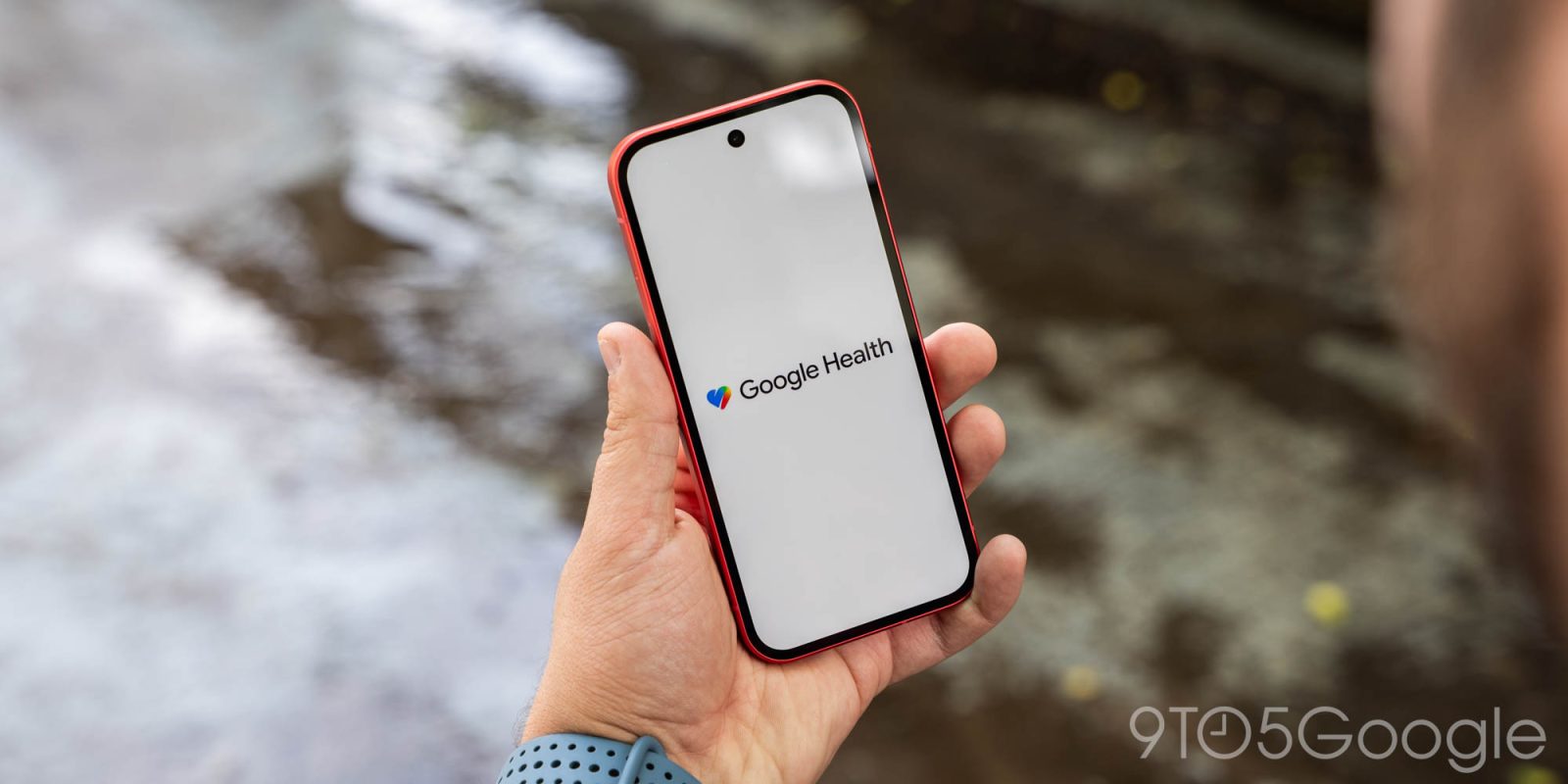
The update is currently in the process of deployment across the Google Play Store for Android users, while it has already achieved full availability on the Apple App Store for iOS devices. Despite the absence of sweeping UI changes or new feature sets, this version serves as a necessary maintenance bridge, ensuring that the platform remains performant as it continues to integrate deeply with the broader Fitbit hardware ecosystem.
A Period of Refinement After Major Overhaul
To understand the context of version 5.08, one must look back at the May 2026 redesign, which acted as a watershed moment for Google’s health strategy. The platform, which serves as the primary interface for users to track biometrics, exercise metrics, and sleep data, had previously been criticized for a fragmented user experience. The May update sought to unify the disparate threads of the Google Health experience, streamlining navigation and prioritizing the "Health Coach" functionality that remains a cornerstone of the company’s wellness initiatives.
The 5.08 release functions primarily as a refinement phase. In the world of enterprise-grade health applications, the period following a major UI/UX overhaul is critical. It is a time for developers to address technical debt, optimize API calls between the app and wearable hardware, and respond to the influx of user feedback generated by the preceding redesign. By focusing on stability, Google aims to minimize churn—a common challenge for health-focused applications where consistent data logging is paramount to user retention.
Technical Specifications and Account Enhancements
Version 5.08 introduces a pair of targeted account-related updates designed to improve the security and synchronization of user data. While the official change log is sparse, the implications for the user account architecture are significant. As health data becomes increasingly central to Google’s broader AI and proactive health monitoring goals, the handshake between the app and the user’s Google account must be robust.
These account-level adjustments likely focus on credential management and permission streamlining. As the company pushes toward more sophisticated, cross-device health monitoring—where data from smartwatches, smart rings, and third-party medical devices are synthesized into a single dashboard—the integrity of the account login process is the first line of defense for sensitive biometric information.
Furthermore, the "general stability improvements and bug fixes" mentioned in the update documentation are more than just standard boilerplate. For a high-frequency application that relies on background sync processes to pull data from sensors, even minor latency issues can lead to "missing data" frustrations. By optimizing these background tasks, Google is attempting to ensure that the user’s daily dashboard reflects the most accurate, real-time health picture possible.
The Roadmap and Future Trajectory
Google’s published roadmap, which was shared extensively following the May revamp, has been largely executed according to plan. The company has methodically addressed the major friction points identified by the user community, including synchronization delays with older Fitbit hardware and the initial lack of parity between the Android and iOS versions.
However, the roadmap also identifies the "Health Coach" feature as the remaining frontier for development. The Health Coach is an AI-driven component that provides personalized recommendations based on the user’s activity levels, sleep patterns, and historical health data. Unlike simple step-counting or heart-rate monitoring, the Health Coach relies on complex machine learning models that require constant training and calibration.
The focus on the Health Coach in upcoming releases suggests that Google is shifting from a passive data-collection platform to an active health advisory tool. By refining the stability of the application in 5.08, the engineering team is creating the necessary "runway" to deploy more advanced AI-driven features in subsequent versions without the risk of system instability.
Industry Context and the Digital Health Landscape
The evolution of the Google Health application occurs within a highly competitive landscape. Companies such as Apple, Garmin, and Oura are all aggressively iterating on their respective health platforms. For Google, the challenge is twofold: it must maintain a hardware-agnostic software experience that satisfies long-time Fitbit users while simultaneously making the platform indispensable for Google Pixel and Android users.
Industry data suggests that user engagement with health apps is highly sensitive to UI friction. A 2025 study on digital wellness adoption found that users are 40% more likely to abandon a health platform if the application experiences syncing errors during the first week of use. Consequently, Google’s current strategy of "stability-first" updates is a calculated move to solidify the user base acquired during the May redesign.
The reliance on these updates to maintain customer loyalty is significant. As the application grows in complexity, the "technical debt" of supporting a wide range of legacy Android devices versus the more uniform iOS ecosystem remains a hurdle. By prioritizing stability in version 5.08, Google is essentially ensuring that the platform’s reliability keeps pace with its growing feature set.
Implications for Data Security and Privacy
As Google continues to integrate its health-tracking capabilities with its AI research, the importance of data privacy cannot be overstated. The account updates included in 5.08 are, by necessity, focused on data isolation and user consent management. In an era where health data is increasingly targeted for its value in medical research and insurance modeling, users are rightfully skeptical of how their metrics are utilized.

The architectural changes in 5.08 likely include enhanced encryption protocols for data in transit between the device and the cloud. This aligns with broader industry trends where companies are moving away from centralized data storage models in favor of on-device processing where possible. By securing the account interface, Google is attempting to build the necessary trust to allow for more granular health monitoring in the future.
Looking Ahead to Version 5.09 and Beyond
While version 5.08 represents a minor increment in the application’s version history, it serves as a critical indicator of the company’s internal focus. The engineering teams are clearly transitioning from the "crisis mode" that often follows a massive redesign to a more controlled, iterative release cycle.
Looking forward, the industry expects the next several updates to prioritize the following areas:
- AI Integration: Enhanced, conversational responses from the Health Coach.
- Device Interoperability: Better support for third-party smart scales, blood pressure cuffs, and continuous glucose monitors (CGMs).
- Data Visualization: More sophisticated long-term trend analysis, allowing users to compare their health markers over months or years rather than just days or weeks.
The "General stability improvements and bug fixes" cited in this release should be viewed as the foundation upon which these future features will be built. For the average user, the update may seem invisible, but it is this invisible work—the closing of bugs, the optimization of memory usage, and the strengthening of account security—that makes the platform a viable competitor in the crowded digital health space.
Conclusion
The rollout of Google Health 5.08 serves as a reminder that the development of a world-class health platform is an iterative process. By systematically addressing the roadmap established after the May 2026 redesign, Google is demonstrating a disciplined approach to software lifecycle management. While the current update is modest, its importance lies in its role as a stabilizer. As the application prepares for more complex AI-driven health interventions, the reliability of the platform’s foundation becomes the primary determinant of its long-term success.
Users are encouraged to update their applications through the respective app stores to ensure they are benefiting from these latest optimizations. As the digital health sector continues to evolve, the ability of companies to balance innovation with core stability will define the winners in this space. For now, Google remains on track, methodically refining its tools and preparing the groundwork for the next generation of personalized health technology. The path forward remains clear: fix the foundation, refine the user experience, and eventually, deploy the advanced AI insights that will distinguish the platform from its rivals. The 5.08 update is a small, necessary step in that ongoing journey.