Meta Introduces Free Facebook Verified Badge, Aiming to Combat Inauthenticity and Bolster User Trust

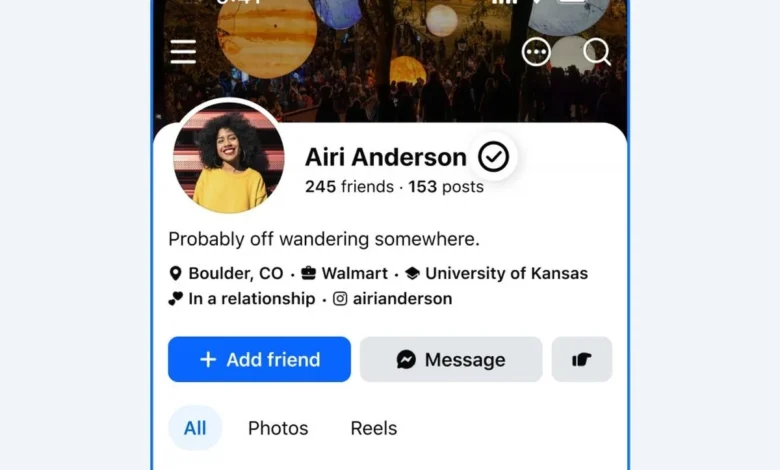
Today, Meta is launching Facebook Verified, a new initiative designed to enhance transparency and authenticity across its flagship social media platform. This free badge signifies that a real person is behind a given Facebook account, aiming to provide users with greater confidence in their online interactions. The verification process hinges on a selfie-based system, requiring users to record a brief video of themselves. This video is then cross-referenced against their existing profile pictures to confirm a match, a procedure estimated to take only a few minutes. This move represents a significant, yet nuanced, step in Meta’s ongoing efforts to curb the proliferation of fake accounts, scams, and misleading information that has plagued social media platforms for years.
Initially, the Facebook Verified badge will be visible in key areas of the platform where direct interaction and trust are paramount, including Facebook Marketplace, Dating, Groups, and directly on user profiles. Meta has indicated plans to extend its visibility to Feed posts in the future, expanding its reach across the user experience. Crucially, Meta has clarified that the presence of this badge does not imply an endorsement of the user or a guarantee of their trustworthiness. Instead, its sole purpose is to affirm the foundational premise of a genuine human presence behind the digital identity, distinguishing it from automated bots or fraudulent profiles.
A Deeper Dive into the Verification Process and Technology
The technical underpinning of Facebook Verified leverages advanced artificial intelligence and facial recognition technologies. When a user initiates the verification process, they are prompted to record a short selfie video. This video captures various angles and movements of the user’s face, providing a robust dataset for comparison. Meta’s algorithms then analyze this biometric data, comparing it against the user’s existing profile pictures stored within their Facebook account. The objective is to identify consistent biometric markers and confirm that the individual presenting for verification is indeed the person depicted in their profile imagery. This method is designed to be quick and efficient, with Meta suggesting the entire process should conclude within "a few minutes," minimizing friction for users seeking to verify their identity.
The emphasis on a selfie video over a static image is a critical design choice, intended to enhance security and prevent sophisticated spoofing attempts. A live video feed makes it considerably more difficult for bad actors to use static photos, deepfakes, or masks to bypass the system, as the AI can detect liveness cues and three-dimensional facial structures. While the exact technical specifications of Meta’s facial recognition algorithms are proprietary, the industry standard for such systems involves analyzing unique facial landmarks, textures, and movements to establish identity with a high degree of confidence.
Strategic Deployment and Eligibility Criteria
The rollout of Facebook Verified is being conducted in phases, beginning with unnamed "select markets" before a broader global expansion. This phased approach allows Meta to gather data, refine the system, and address any unforeseen technical or user experience challenges in a controlled environment before scaling up. Such a strategy is common for large-scale feature deployments on platforms with billions of users, enabling developers to iterate and optimize performance based on real-world usage.
Eligibility for the Facebook Verified badge is contingent upon several key criteria. Users must be at least 18 years of age, ensuring compliance with general platform age restrictions and legal considerations regarding biometric data collection from minors. Furthermore, prospective verified users must be in "good standing" with Facebook’s Community Standards. This specifically targets individuals who have not violated policies related to fraud, scams, deceptive practices, or those who exhibit "no evidence of inauthentic behavior." This prerequisite is vital for maintaining the integrity of the badge, ensuring it is not awarded to individuals with a history of misusing the platform. Notably, the feature is not available for Pages or ProMode accounts, indicating its specific focus on individual user authenticity rather than commercial or public figure identities, which are often covered by other verification mechanisms like the paid Meta Verified subscription.
Addressing the Authenticity Crisis: The Rationale Behind the Badge
The introduction of Facebook Verified comes at a critical juncture for Meta and the broader social media landscape, which has been grappling with an escalating crisis of authenticity. Over the past decade, platforms like Facebook have faced persistent challenges from an influx of fake accounts, bots, and sophisticated scam operations. These inauthentic entities contribute to a range of problems, from the spread of misinformation and disinformation to financial fraud, catfishing, and identity theft. The sheer scale of Meta’s platforms, with billions of users worldwide, makes comprehensive moderation and identity verification a monumental task.
Meta’s previous efforts to combat these issues have included significant investments in AI-driven content moderation, human review teams, and various account security features. However, the sophistication of bad actors continues to evolve. Fake profiles are often used to manipulate public discourse, artificially inflate engagement metrics, launch phishing attacks, or perpetuate elaborate financial scams. This erosion of trust not only harms individual users but also damages the platform’s reputation and diminishes the value of genuine social connections. The free Facebook Verified badge is a direct response to this ongoing struggle, aiming to provide a simple, accessible tool for users to demonstrate their genuine presence and, in turn, foster a more trustworthy environment.
The Landscape of Online Impersonation and Fraud
The problem of online impersonation and fraud is not merely anecdotal; it is a pervasive and costly issue. According to the Federal Trade Commission (FTC), social media platforms have become a primary vector for scams, with reported losses skyrocketing in recent years. In 2023, the FTC reported that consumers lost over $10 billion to fraud, with social media being the most frequently reported contact method for scammers. Impersonation scams alone accounted for a significant portion of these losses, with criminals often mimicking legitimate businesses, government agencies, or even personal acquaintances to trick victims.
A 2022 report by the Identity Theft Resource Center (ITRC) highlighted that social media account takeovers and new account fraud using stolen identities remain significant threats. These incidents not only cause financial harm but also lead to emotional distress and a pervasive sense of insecurity online. Users often find it difficult to discern genuine profiles from sophisticated fakes, particularly when engaging in activities like online dating or purchasing goods through platforms like Marketplace. This ambiguity undermines user confidence and can deter engagement in features that rely heavily on trust. By offering a visible indicator of a real person, Facebook Verified seeks to mitigate some of this uncertainty, empowering users to make more informed decisions about who they interact with.
Meta’s Broader Efforts in Identity Verification and Chronology
The launch of Facebook Verified is part of a broader, evolving strategy by Meta regarding identity and authenticity. In 2023, Meta introduced Meta Verified, a paid subscription service for creators and businesses on Instagram and Facebook. Meta Verified offers a verified badge, increased visibility, proactive impersonation protection, and direct access to customer support. It requires a government ID for verification and is priced at $11.99/month on the web or $14.99/month via iOS and Android.
It is crucial to distinguish between Facebook Verified and Meta Verified. While both provide a "verified" badge, their purposes and requirements differ significantly. Meta Verified is a premium service primarily aimed at public figures, creators, and businesses seeking enhanced presence and protection, akin to Twitter’s (now X’s) paid verification model. Facebook Verified, conversely, is a free, basic authentication layer for all eligible individual Facebook users, focused solely on confirming human presence rather than public prominence or commercial legitimacy. This distinction underscores Meta’s multi-pronged approach: a free, accessible tool for general user authenticity, and a paid service for those requiring advanced features and brand protection.
Historically, Meta has experimented with various identity verification methods, including requiring ID for certain account appeals or for political advertisers. However, a universal, free, selfie-based verification for general users represents a more pervasive effort to establish a baseline of authenticity across the platform. This move also aligns with an industry-wide trend where social media companies are increasingly grappling with how to effectively manage identity in an era of AI-generated content and sophisticated digital deception.
Official Stance and Key Distinctions
Meta’s official communication regarding Facebook Verified explicitly clarifies its limitations. The company has repeatedly stated that the badge "doesn’t mean that Facebook ‘endorses the user or guarantees their trustworthiness’." This is a critical nuance that manages user expectations and shields Meta from potential liability. The badge is a technical affirmation of human presence, not a character reference or a seal of approval for a user’s behavior. A verified person can still potentially violate community standards, spread misinformation, or engage in undesirable conduct, albeit with a confirmed human identity.
This distinction is vital for maintaining the badge’s integrity and preventing it from being misinterpreted as a blanket endorsement. It places the onus on users to continue exercising discretion and judgment in their interactions, while simultaneously providing a foundational layer of identity assurance. The focus is squarely on combating inauthentic behavior and impersonation, rather than vouching for the moral character or reliability of every verified individual.
Potential Implications for User Experience and Platform Integrity
The introduction of Facebook Verified holds several potential implications for user experience and the overall integrity of the platform.
- Enhanced Trust and Safety: For users engaging in sensitive activities like online dating or transactions on Marketplace, the badge could significantly increase trust. Knowing that a real person is on the other end can reduce anxieties about catfishing, scamming, or dealing with fraudulent sellers/buyers.
- Reduced Impersonation: The selfie verification process makes it harder for malicious actors to create convincing fake profiles or impersonate legitimate users, potentially reducing the incidence of identity theft and targeted scams.
- Improved Content Moderation: While not directly a content moderation tool, a higher baseline of verified human accounts could indirectly aid in moderation efforts. If a verified account repeatedly violates community standards, the platform has a confirmed human identity to attribute actions to, potentially leading to more effective enforcement actions.
- Community Dynamics: In Facebook Groups, the badge could foster more genuine discussions and reduce the impact of spam or disruptive behavior from inauthentic profiles. Members might feel more comfortable engaging in sensitive topics knowing they are interacting with real individuals.
- Advertiser Confidence: For businesses advertising on Facebook, a platform with a higher percentage of verified human users means more authentic engagement data and potentially higher return on investment, as ad impressions are less likely to be served to bots or inactive fake accounts.
However, the effectiveness of the badge will depend on its adoption rate and Meta’s ability to maintain the security of the verification process against increasingly sophisticated evasion techniques.
Navigating Privacy and Data Security Concerns
The implementation of a selfie-based verification process inevitably raises questions regarding user privacy and the handling of biometric data. Facial recognition data is considered highly sensitive personal information, and its collection, storage, and processing are subject to stringent regulations in many jurisdictions, such as the General Data Protection Regulation (GDPR) in Europe and various state-level privacy laws in the United States.
Meta must clearly communicate its policies regarding the collection, storage, and use of this biometric data. Users will need assurances about:
- Data Retention: How long will the selfie videos and derived biometric templates be stored?
- Data Security: What measures are in place to protect this sensitive data from breaches or unauthorized access?
- Data Usage: How will the data be used beyond initial verification? Will it be used for other purposes, such as improving facial recognition technology or for advertising?
- User Consent: How will explicit and informed consent be obtained from users for the processing of their biometric data?
Meta’s reputation regarding data privacy has faced scrutiny in the past, making transparent communication and robust security protocols paramount for the successful and ethical rollout of Facebook Verified. Building user trust in the verification process itself will be as important as the trust the badge aims to instill on the platform.
Challenges and Future Outlook
Despite its potential benefits, Facebook Verified will face several challenges. The ongoing cat-and-mouse game with bad actors means that new methods to circumvent verification systems are constantly being developed. Sophisticated deepfakes, for instance, could potentially evolve to pass liveness checks, although current technology makes this difficult for real-time, interactive verification. Furthermore, ensuring accessibility for users in diverse regions, with varying internet speeds and device capabilities, will be crucial for a truly global rollout. Not all users may have high-quality cameras or consistent lighting conditions conducive to a clear selfie video.
The success of Facebook Verified will ultimately be measured by its adoption rate, its impact on the prevalence of inauthentic accounts, and user perception of safety and trust on the platform. While it represents a proactive step by Meta to address core issues of authenticity, it is unlikely to be a silver bullet. Instead, it is one component of a multifaceted strategy that must continuously adapt to the evolving landscape of online deception. This free, accessible badge, distinct from its paid counterpart, underscores Meta’s commitment to creating a more transparent and trustworthy environment for its vast user base, laying a new foundation for genuine human connection in the digital realm.
Conclusion: A Step Towards a More Authentic Digital Space?
In an era increasingly defined by digital identities and interactions, the ability to ascertain genuine human presence is foundational to fostering healthy online communities. Facebook Verified, with its straightforward selfie-based process, offers a scalable and accessible mechanism for individual users to affirm their authenticity. While Meta carefully delineates the badge’s scope—confirming a real person, not endorsing their character—its potential to curb rampant impersonation and enhance user confidence in critical platform areas like Marketplace and Dating is significant. The initiative signals Meta’s continued investment in the integrity of its core platform, acknowledging the pervasive demand from users for a more transparent and trustworthy online experience. As the phased rollout progresses globally, its impact will be closely watched, offering insights into the ongoing battle for authenticity in the world’s largest social network.