Ancient Grass Remnants and Archaeological Discoveries Unveil 25,000 Years of Ritual History at Cloggs Cave

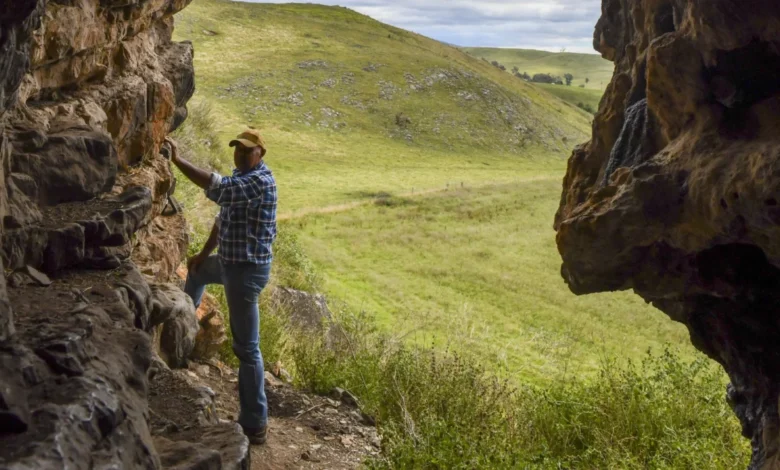
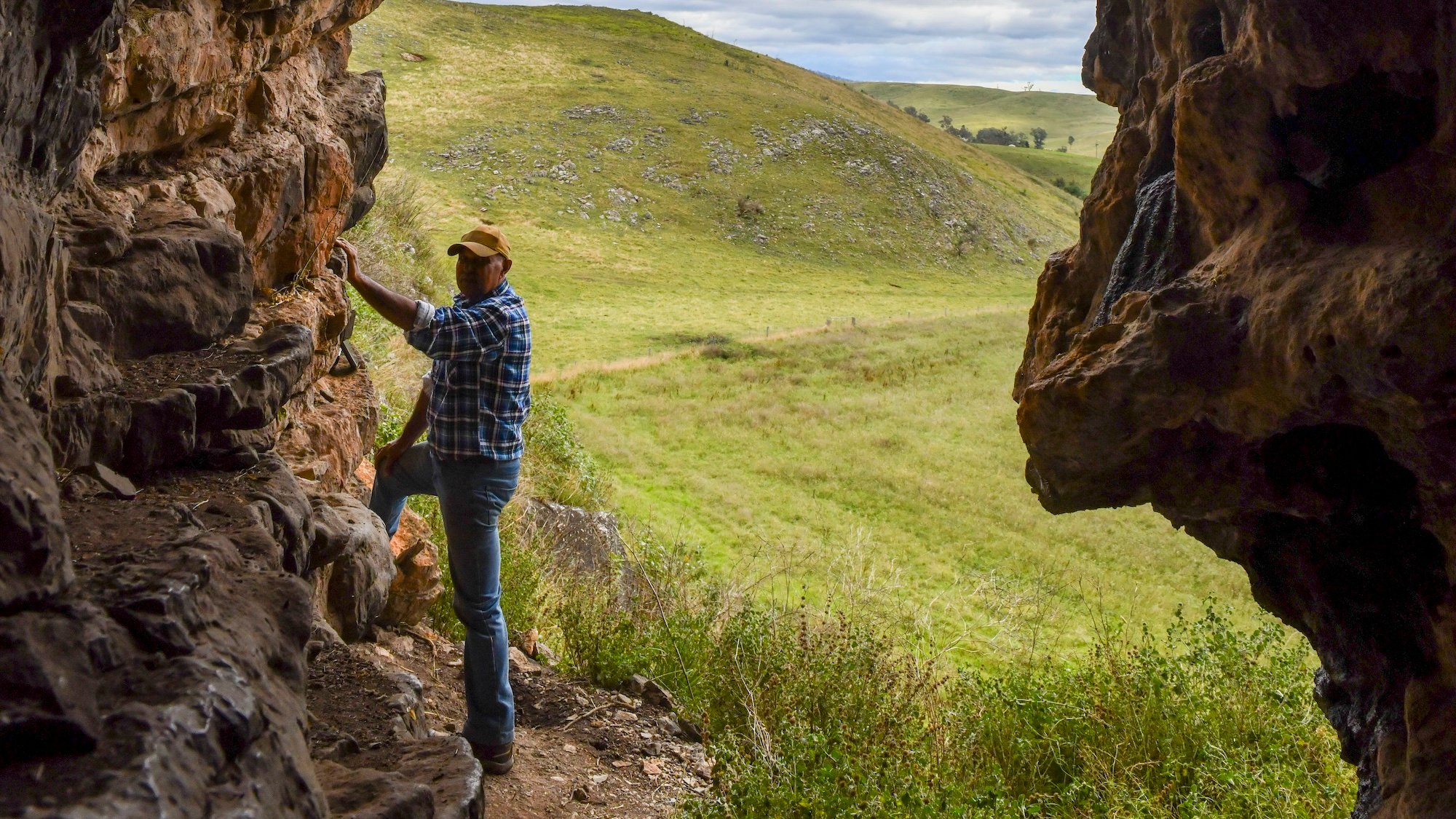
The entrance to the limestone formation known as Cloggs Cave is as imposing as a cathedral door, carved into a rugged bluff near the town of Buchan in Victoria, Australia. For the GunaiKurnai people, the Traditional Owners of this land, the cave is not merely a geological feature but a sacred site of profound spiritual significance. For generations, oral traditions have spoken of the mulla-mullung—highly respected spiritual leaders and healers—who utilized the cave’s depths for rituals involving magic, healing, and protection. Now, a groundbreaking study published in the journal Frontiers in Environmental Archaeology has provided scientific confirmation of these ancient traditions, revealing that the GunaiKurnai have utilized Cloggs Cave for ritual purposes for at least 25,000 years.
This discovery, led by a collaborative team of archaeologists from the Australian National University (ANU) and Monash University in partnership with the GunaiKurnai Land and Waters Corporation (GLaWAC), represents a landmark moment in Australian archaeology. By analyzing microscopic plant remains known as phytoliths, researchers have successfully bridged the gap between contemporary Indigenous knowledge and the deep archaeological record, proving that the ritual practices observed in the 19th century are part of a continuous cultural lineage stretching back to the Last Glacial Maximum.
The Science of Phytoliths: Microscopic Witnesses to History
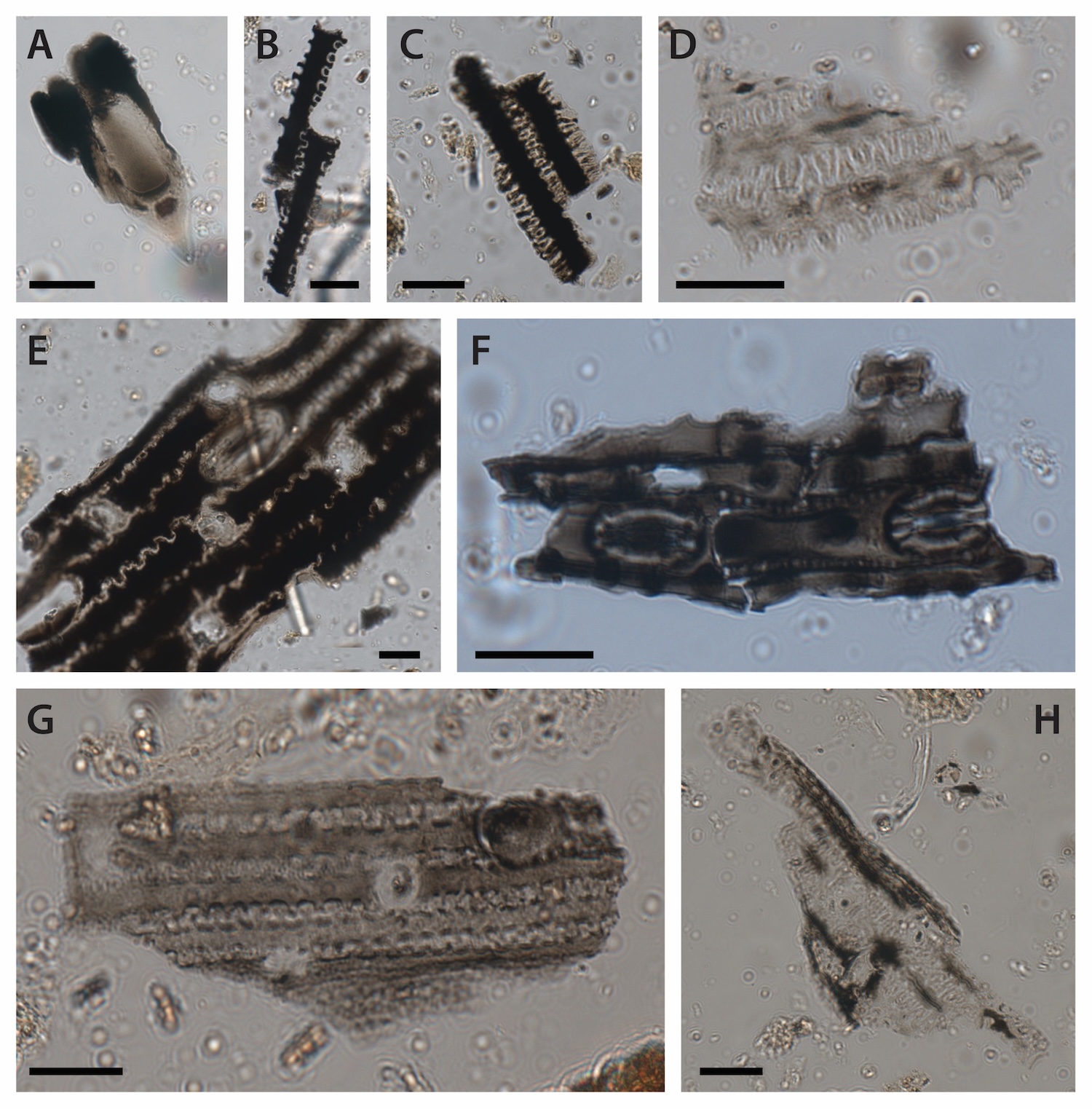
The primary evidence for this extensive timeline comes from phytoliths—tiny, durable silica structures that form within plant tissues. Unlike pollen, which can be carried over long distances by wind, water, or animals, phytoliths typically remain exactly where a plant decays or is burned. Because Cloggs Cave is a dark, limestone environment where sunlight does not penetrate, plants cannot grow naturally within its interior. Therefore, any plant matter found deep within the cave must have been transported there by external agents, such as wind, animals, or humans.
The research team, led by ANU archaeologist Elle Grono, focused specifically on "half-burnt" phytoliths found within 73 distinct ash layers inside two excavation pits. The presence of charred or melted silica indicates that the plants were intentionally subjected to fire. "Here we show that the Old Ancestors selected whole grasses from the wider landscape and carried them into Cloggs Cave to spread out in thin layers and burn," Grono explained. These layers were subsequently covered by sediment, effectively "sealing" the evidence of each ritual act for thousands of years.
The analysis identified 29 different types of vegetation, including herbs, woody plants, and various grasses. The most prevalent were grasses from the Pooideae subfamily, which thrive in cool, temperate climates, and the Panicoideae subfamily, typical of warmer, more humid environments. The strategic selection of these plants suggests that the mulla-mullung were not simply building utilitarian fires for warmth or cooking; they were carefully selecting specific botanical materials for their ritual properties.
A 25,000-Year Chronology of Human Presence
The timeline established by the study is staggering. Carbon dating of the uppermost ash layers reveals a period of intense ritual activity between 4,400 and 1,600 years ago. However, deeper excavations and further dating of burnt plant material indicate that local communities began bringing botanical materials into the cave as far back as 25,000 years ago.
This date places the earliest ritual use of the cave during the height of the Last Glacial Maximum, a period when much of the world was gripped by extreme cold and aridity. While many regions were becoming uninhabitable, the GunaiKurnai ancestors were maintaining a spiritual connection to the landscape through fire and ceremony. The continuity of these practices over twenty-five millennia challenges previous archaeological assumptions that ritual sites in Australia were primarily a phenomenon of the more recent Holocene epoch.
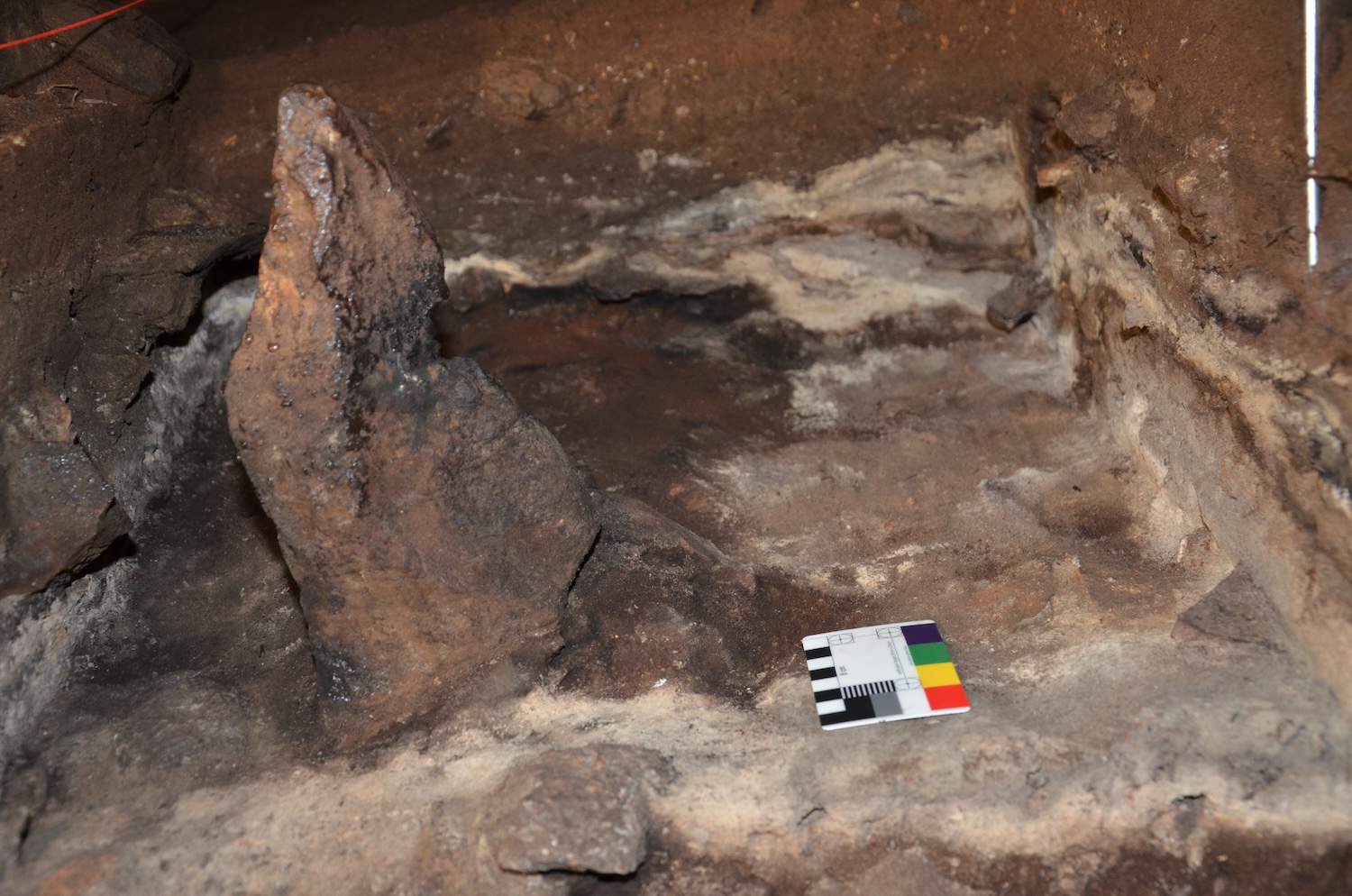
The discovery of a nearly one-foot-tall standing stone within one of the excavation pits further underscores the cave’s ceremonial function. This artifact, which dates back approximately 2,000 years, was found surrounded by the same types of ritual ash layers identified throughout the cave. According to Monash University archaeologist Bruno David, the placement of the stone and the surrounding ash aligns perfectly with ethnographic accounts of GunaiKurnai practices.
"Their burning is consistent with GunaiKurnai traditional practices of using ash to perform magic and rituals, and also to track the footsteps of anyone coming in, including spirit-beings," David noted. The ash served as a medium for the mulla-mullung to interact with the spirit world, providing a physical canvas upon which the presence of the unseen could be detected.
The Role of the Mulla-Mullung
In GunaiKurnai culture, the mulla-mullung (often translated as "Old Ancestors" or spiritual healers) were individuals of great power and responsibility. They were the intermediaries between the physical world and the ancestral realm. Historical records from the 19th century, along with the community’s own oral histories, describe how these leaders would retreat to secluded locations like Cloggs Cave to conduct their work.
Rituals performed by the mulla-mullung were diverse. They were called upon to heal the sick using medicinal plants and spiritual intervention, but they also held the power to cast curses or protect the community from malevolent spirits. The use of fire and the resulting ash was central to these activities. The smoke from the fires—which has permanently blackened the ceiling of Cloggs Cave—was believed to carry prayers and intentions to the ancestors.
The fact that the archaeological evidence mirrors these ethnographic descriptions so closely is a testament to the accuracy of Aboriginal oral traditions. For the GunaiKurnai, the findings are not a "discovery" of something lost, but a scientific validation of a history they have always known to be true.
Collaborative Archaeology and Indigenous Sovereignty
The research at Cloggs Cave represents a significant shift in how archaeology is conducted in Australia. For decades, the field was dominated by Western academic perspectives that often excluded Indigenous voices. In contrast, this project was built on a foundation of partnership and mutual respect.
The GunaiKurnai Land and Waters Corporation (GLaWAC) was involved in every stage of the research, from the initial fieldwork to the analysis of the phytoliths and the final publication of the findings. GunaiKurnai Elders, including Uncle Russell Mullett, provided essential cultural context that guided the archaeologists in their interpretations.
"This research is about more than just dates and artifacts," said a representative from the GunaiKurnai community. "It is about our connection to Country and the endurance of our culture. It shows that we have been here, practicing our traditions, since the time of the Ice Age."
This collaborative approach ensures that the research serves the interests of the Traditional Owners while also contributing to the global body of archaeological knowledge. It sets a new standard for the protection of Indigenous cultural heritage, emphasizing that the "living culture" of the present is inextricably linked to the "ancient history" of the past.
Broader Implications for Australian Prehistory
The findings at Cloggs Cave have significant implications for our understanding of the settlement and cultural development of the Australian continent. Australia is home to the world’s oldest continuous living culture, with evidence of human occupation dating back at least 65,000 years (notably at the Madjedbebe rock shelter in the Northern Territory).
While much of the archaeological focus has been on the initial arrival of humans and their adaptation to the environment, the Cloggs Cave study highlights the depth and longevity of complex social and spiritual systems. It suggests that ritual landscapes were established and maintained over vast periods of time, surviving radical shifts in climate and environment.
Furthermore, the study demonstrates the power of microscopic analysis in archaeology. By looking at "invisible" evidence like phytoliths, researchers can reconstruct human behaviors that leave no large-scale artifacts or structural remains. This opens up new possibilities for investigating other sacred sites across Australia where traditional archaeological methods may have failed to detect the nuances of ancient ritual.
Conclusion: A Legacy Carved in Stone and Ash
Cloggs Cave stands as a monumental archive of GunaiKurnai history. Every layer of ash and every microscopic silica remnant tells a story of a people who have remained deeply rooted in their landscape for 25,000 years. The blackened ceilings and the standing stone are silent witnesses to the power of the mulla-mullung and the enduring strength of Aboriginal spirituality.
As the scientific community continues to digest the findings from Frontiers in Environmental Archaeology, the focus remains on the preservation of these irreplaceable sites. The partnership between the GunaiKurnai and the archaeological community provides a roadmap for future research that honors the past while empowering the present. In the words of the researchers and the Elders alike, Cloggs Cave is not a relic of a bygone era, but a living testament to a culture that has survived the ages and continues to thrive today.