From Space To Sea: Inside The High-Stakes World Of Underwater Space Simulation Missions

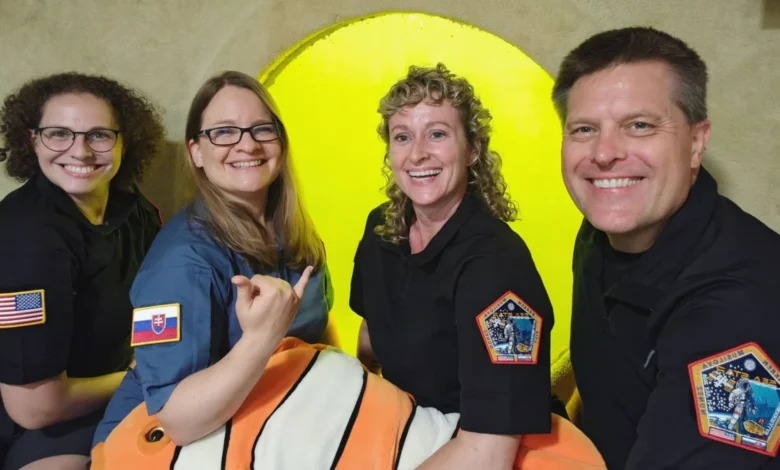
The pursuit of interplanetary exploration has long driven scientists, engineers, and researchers to seek out the most extreme and inhospitable environments on Earth to prepare for the realities of the cosmos. While terrestrial analog habitats—such as those situated in the volcanic terrain of Hawaii or the barren expanses of the Utah desert—have become standard testing grounds for prospective astronauts, an elite group of researchers is increasingly turning to the deep ocean. This year, astrobiologist and veteran analog astronaut Dr. Michaela Musilova took on one of the most demanding challenges of her career: leading the SEA STAR mission, a five-day saturation dive inside the Jules Undersea Lodge off the coast of Key Largo, Florida.
For Musilova, who has previously commanded nearly 40 simulated space missions on land, the transition from terrestrial environments to a submerged habitat represented a significant psychological and operational leap. Operating 22 feet (6.7 meters) beneath the surface, the SEA STAR crew lived in a state of continuous saturation, a physiological condition where the human body’s tissues absorb the maximum amount of inert gas under pressure. This rigorous environment mirrors the profound isolation, confined quarters, and high-stakes risk management required of crews aboard the International Space Station (ISS) and future planetary bases on the Moon and Mars.
Main Facts of the SEA STAR Mission
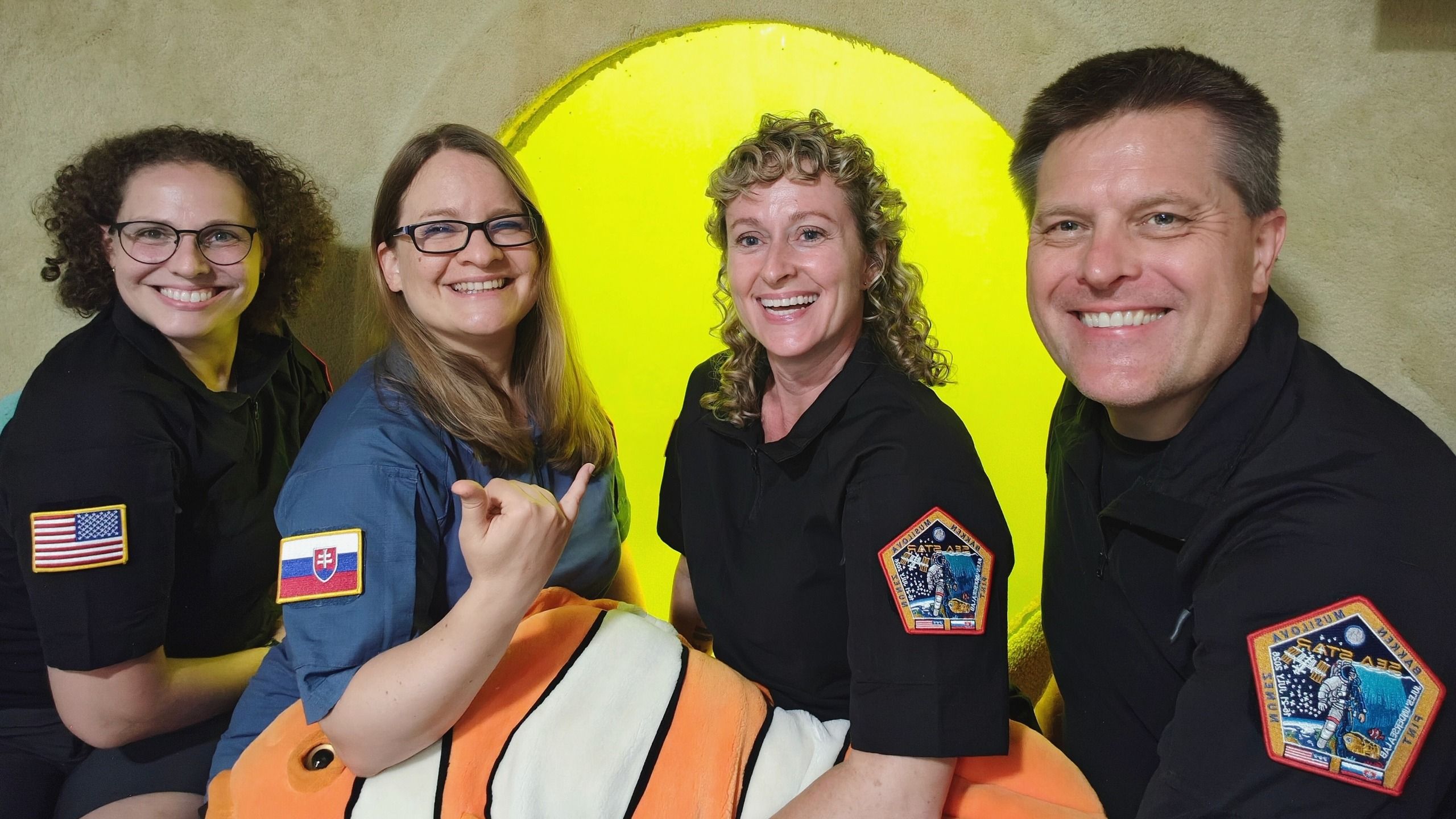
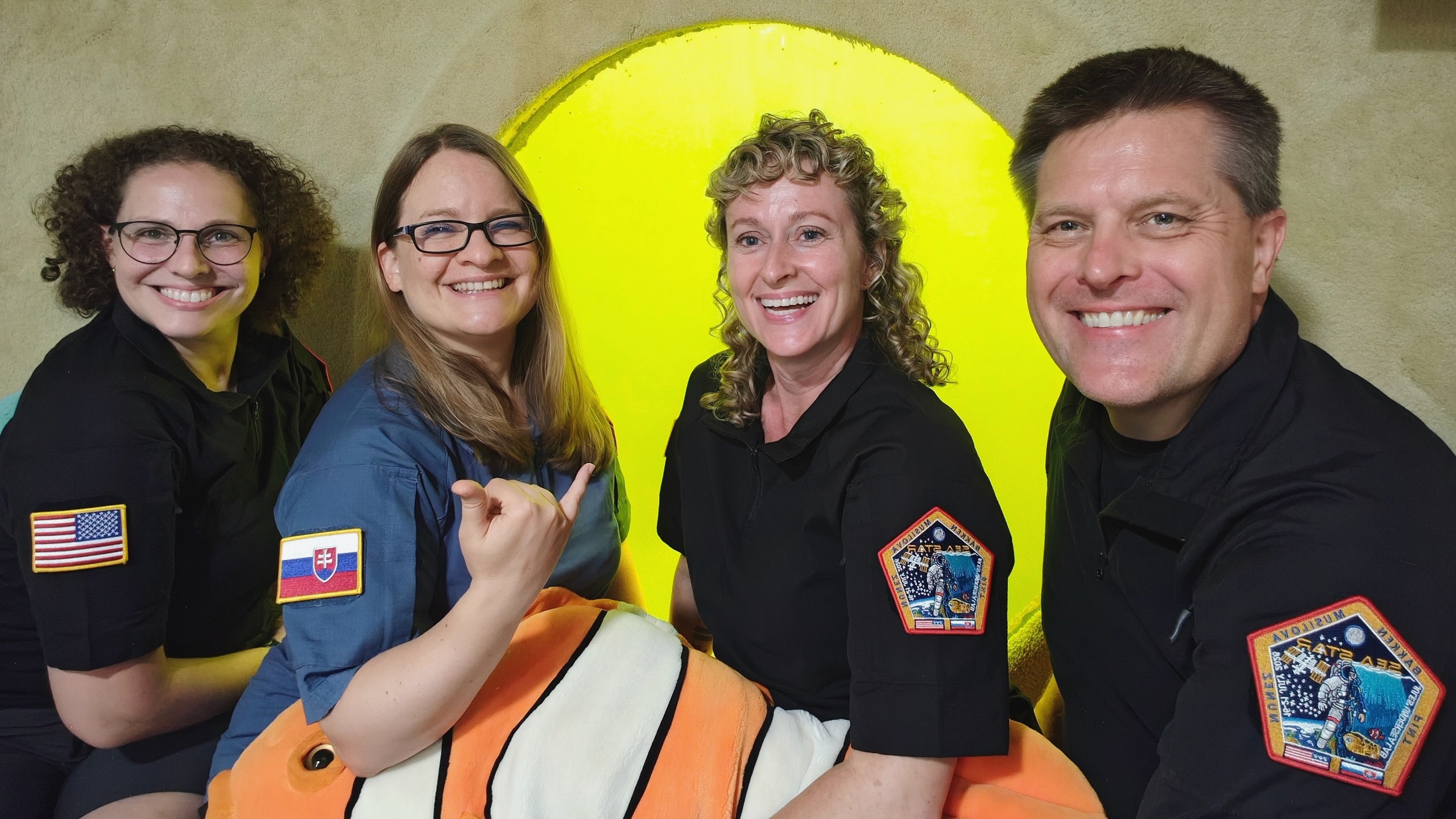
The SEA STAR mission brought together a specialized four-person multidisciplinary team consisting of seasoned analog astronauts and professional divers. Musilova served as Mission Commander, overseeing the daily schedule, crew wellbeing, and scientific integrity. The executive officer and logistics lead was experimental engineer Paul Bakken, while Dr. Brandy Nunez acted as Health and Safety Officer, managing crew health alongside botanical experiments involving microgreens. Rounding out the team was Mission Specialist Jenn Pint, an industrial safety expert collaborating with Interstellar Performance Labs to develop new taxonomies for analyzing human-environment interactions in extreme settings.
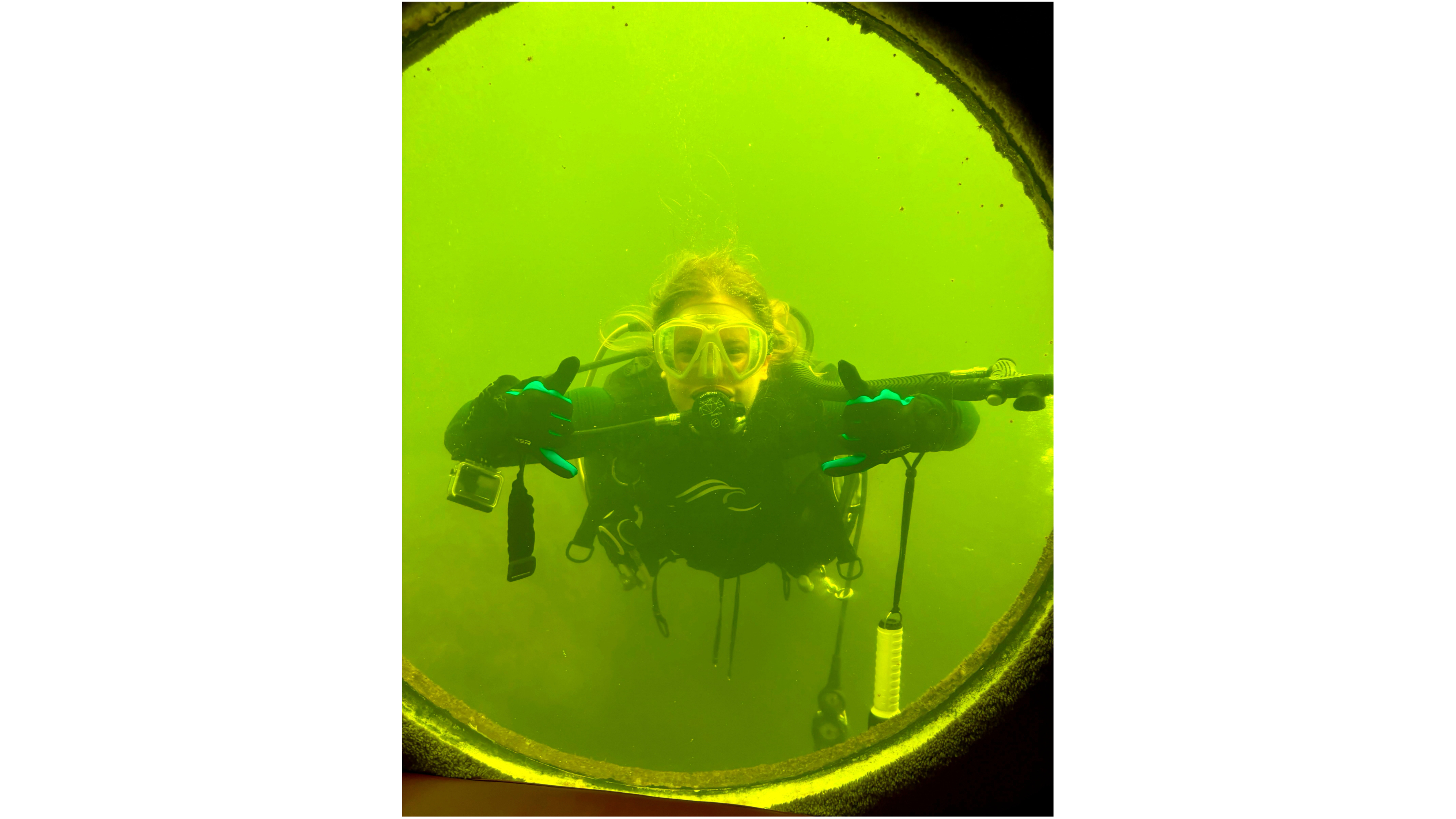
Unlike terrestrial analog missions where evacuation routes are relatively straightforward, underwater habitats introduce a severe element of operational risk. Saturation diving and underwater operations require strict adherence to decompression schedules, atmospheric pressure monitoring, and redundant life support protocols. The habitat itself, the Jules Undersea Lodge, functioned not only as the primary living quarters for the aquanauts but also worked in tandem with a land-based command center to simulate mission control operations, tracking every movement through murky waters via portholes and remote telemetry.
Background Context and Evolution of Analog Missions
Analog missions serve as critical testbeds for space agencies including NASA, the European Space Agency (ESA), and private commercial entities. By placing individuals in isolated, confined, and extreme (ICE) environments, researchers can study the physiological and psychological impacts of long-duration spaceflight without incurring the immense financial costs of actual orbital missions.
Historically, underwater environments have played a foundational role in astronaut preparation. NASA’s Extreme Environment Mission Operations (NEEMO) program has regularly sent astronauts, engineers, and scientists to Aquarius Reef Base—another underwater laboratory located near Key Largo—to test hardware and practice extravehicular activities (EVAs) in conditions of neutral buoyancy. These missions allow space agencies to evaluate how crews handle interpersonal conflict, decision-making fatigue, and technical malfunctions under high-stress conditions where a mistake can have immediate, fatal consequences.
The SEA STAR mission builds upon this rich history by integrating contemporary research goals. Modern analog missions are increasingly focused on automation, psychological resilience under chronic hyperbaric stress, and the collection of biometric data that can be applied to long-duration transit to Mars.
Chronology and Operational Timeline
Planning and executing the SEA STAR mission required more than a year of intensive preparation, logistical coordination, and fundraising. Securing the necessary permits, safety clearances, and specialized research equipment demanded precise timing from the multidisciplinary team.
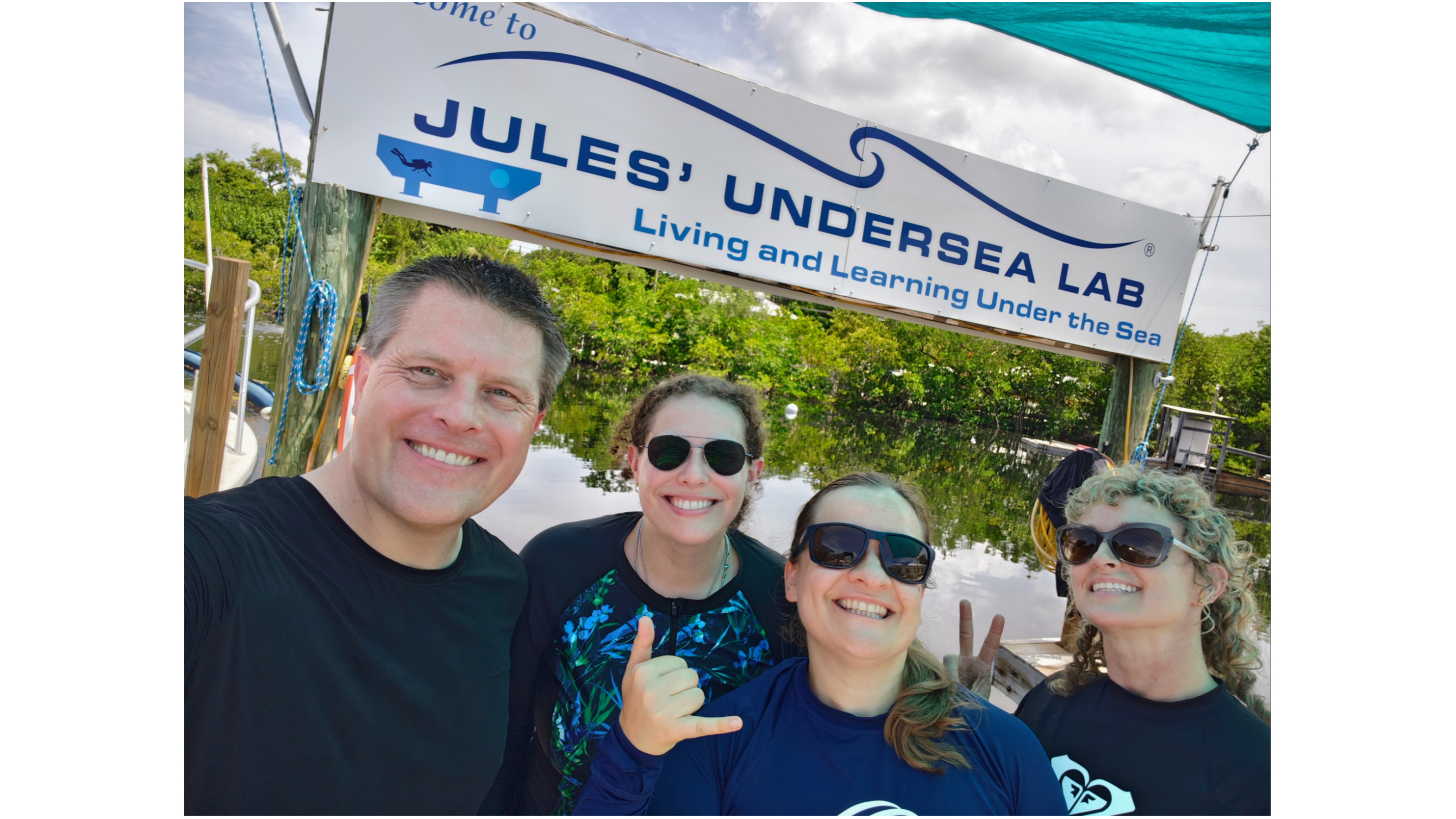
Prior to the descent, the crew underwent rigorous medical screenings, equipment checks, and dry-run simulations at the land-based command van adjacent to the Jules Undersea Lab. The operational timeline commenced with the formal induction of the crew into the underwater habitat, marking the official beginning of the 24-hour threshold required to achieve physiological saturation.
Over the subsequent five days, the schedule mirrored the structured routine of orbital station crews. The aquanauts alternated between conducting internal physiological and cognitive assessments, monitoring environmental sensors, and executing simulated spacewalks in the surrounding marine environment. These underwater EVAs allowed researchers to test specialized tools and mobility protocols under conditions that closely approximate the reduced gravity of lunar or Martian surfaces. The mission concluded with a carefully managed decompression protocol, ensuring the safe return of the aquanauts to surface atmospheric pressure.
Scientific Objectives and Technical Implications
The research conducted during the SEA STAR mission extended far beyond the novelty of living underwater. The crew executed a diverse portfolio of scientific and educational projects designed to address specific knowledge gaps in human spaceflight engineering.
Dr. Brandy Nunez’s microgreens cultivation project contributed to ongoing efforts in bioregenerative life support systems. As space agencies look toward multi-year missions to Mars, the ability to grow fresh food in-situ is paramount for maintaining crew nutrition and psychological health. Concurrently, Jenn Pint’s work with Interstellar Performance Labs focused on establishing a standardized taxonomy for identifying and categorizing environmental stressors and team dynamics. This research aims to provide mission architects with predictive frameworks to mitigate crew friction and burnout during prolonged deep-space voyages.
Furthermore, Musilova and her team tested various student-built environmental sensors designed to monitor structural integrity and atmospheric parameters within confined spaces. The data gathered from these experiments provide valuable insights into the reliability of low-cost hardware in corrosive, high-humidity, and pressurized environments.
Broader Impact and Implications for Future Exploration
The successful completion of the SEA STAR mission underscores the growing importance of commercial and private-public partnerships in astronaut training. As governmental space agencies increasingly focus resources on heavy-lift launch vehicles and deep-space infrastructure, independent analog missions provide a flexible, cost-effective mechanism for rapid prototyping and human factors research.
The psychological implications of underwater saturation diving offer unique parallels to deep-space exploration. The psychological phenomenon known as the "earth-out-of-view" effect experienced by aquanauts closely mirrors the detachment astronauts feel as they travel further from Earth. By confronting these psychological boundaries in a controlled yet genuinely hazardous environment, mission commanders and researchers can refine selection criteria and training modules for future interplanetary crews.
Ultimately, missions like SEA STAR demonstrate that the path to Mars and permanent lunar habitation often runs through Earth’s most extreme terrestrial and aquatic frontiers. As researchers continue to push the boundaries of analog exploration, the lessons learned beneath the waves will undoubtedly shape the safety, efficiency, and success of humanity’s next giant leaps into the solar system.