The Artemis Generation Prepares for Liftoff as the NewSpace Workforce Expands Rapidly

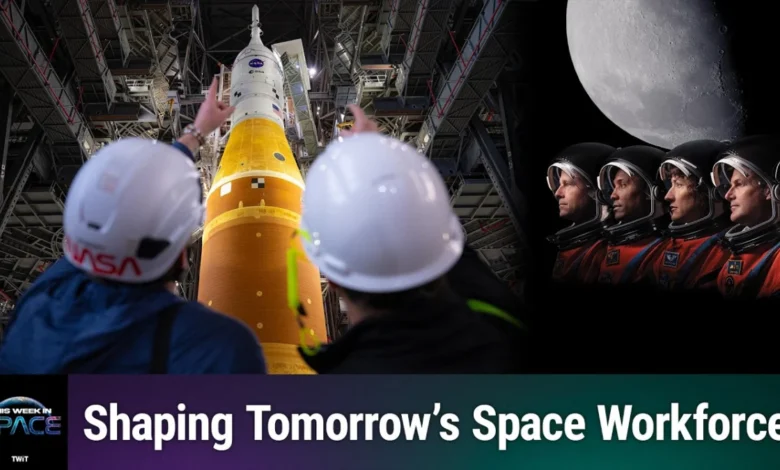
The modern aerospace landscape is undergoing a profound transformation, driven by an unprecedented surge in commercial space enterprise, lunar exploration initiatives, and a rapidly expanding low-Earth orbit economy. As global space agencies and private corporations push the boundaries of human presence further into the cosmos, the demand for a highly skilled, technologically proficient workforce has reached critical levels. This evolving dynamic took center stage during a recent broadcast of This Week in Space, where industry experts gathered to examine how educational pipelines and workforce development initiatives are preparing the next generation of engineers, scientists, and innovators.
During Episode 233 of the popular aerospace podcast, regular host Tariq Malik and guest host Rick Jenet welcomed Dr. Amanda Smith-Hackler to the program. Dr. Smith-Hackler serves as the Director of Education for the Universities Space Research Association (USRA) and acts as the Principal Investigator for the Air Force Research Laboratory (AFRL) Scholars and STEM Workforce Development Programs. The discussion provided listeners with an in-depth look at the myriad opportunities currently emerging for young professionals seeking to carve out careers in the burgeoning NewSpace economy.
The urgency surrounding STEM education and workforce pipelines cannot be overstated. With major international space powers actively returning to the Moon through initiatives like NASA’s Artemis program, low-Earth orbit transitioning into a commercialized arena populated by private space stations, and a staggering number of startup companies entering the marketplace, the traditional hiring models are no longer sufficient. The aerospace sector requires a continuous, well-trained influx of talent to sustain its aggressive trajectory.
The Evolution of the NewSpace Economy
To fully understand the current hiring boom, one must examine the fundamental shift that has occurred in the aerospace industry over the last two decades. Historically, space exploration was the exclusive domain of sovereign governments and massive defense contractors operating under cost-plus procurement models. The Apollo era and the Space Shuttle program relied heavily on centralized governmental oversight, with engineering pipelines tightly controlled by a select group of federal agencies and prime contractors.
However, the advent of the NewSpace era—catalyzed by commercial cargo and crew resupply contracts awarded by NASA in the late 2000s—completely upended this paradigm. Private enterprises such as SpaceX, Northrop Grumman, Blue Origin, and a host of smaller launch providers and satellite manufacturers proved that commercial entities could design, build, and operate spaceflight hardware with greater efficiency and lower costs than traditional bureaucratic models.
This commercialization wave democratized access to orbit and created a decentralized marketplace. Today, private capital flows freely into space-related ventures, ranging from asteroid mining concepts and in-space manufacturing to advanced propulsion research and commercial satellite constellations designed to provide global broadband coverage. Consequently, the demand for specialized talent has expanded exponentially, stretching far beyond traditional aerospace engineering disciplines to include software development, materials science, data analytics, artificial intelligence integration, and systems engineering.
Building the STEM Pipeline: Initiatives and Programs
Addressing this unprecedented demand requires targeted, sustained investment in Science, Technology, Engineering, and Mathematics (STEM) education. Organizations like the Universities Space Research Association (USRA) and programs managed through the Air Force Research Laboratory (AFRL) play a pivotal role in bridging the gap between academic theory and practical, mission-critical application.
Dr. Smith-Hackler highlighted the mechanics of these workforce development programs during her appearance on This Week in Space. The AFRL Scholars Program, for example, offers competitively selected undergraduate and graduate students the opportunity to work alongside full-time researchers and engineers at Air Force research facilities. By embedding students in active research environments—ranging from directed energy and quantum information science to hypersonics and space vehicle design—these initiatives provide invaluable hands-on experience that standard university curricula often cannot replicate.
Furthermore, these programs intentionally target diverse student demographics to ensure that the future aerospace workforce reflects the broader population. Broadening participation is viewed by industry leaders not merely as an ethical imperative, but as a strategic necessity. Complex engineering challenges require diverse perspectives, and tapping into underrepresented communities significantly expands the talent pool available to the aerospace sector.
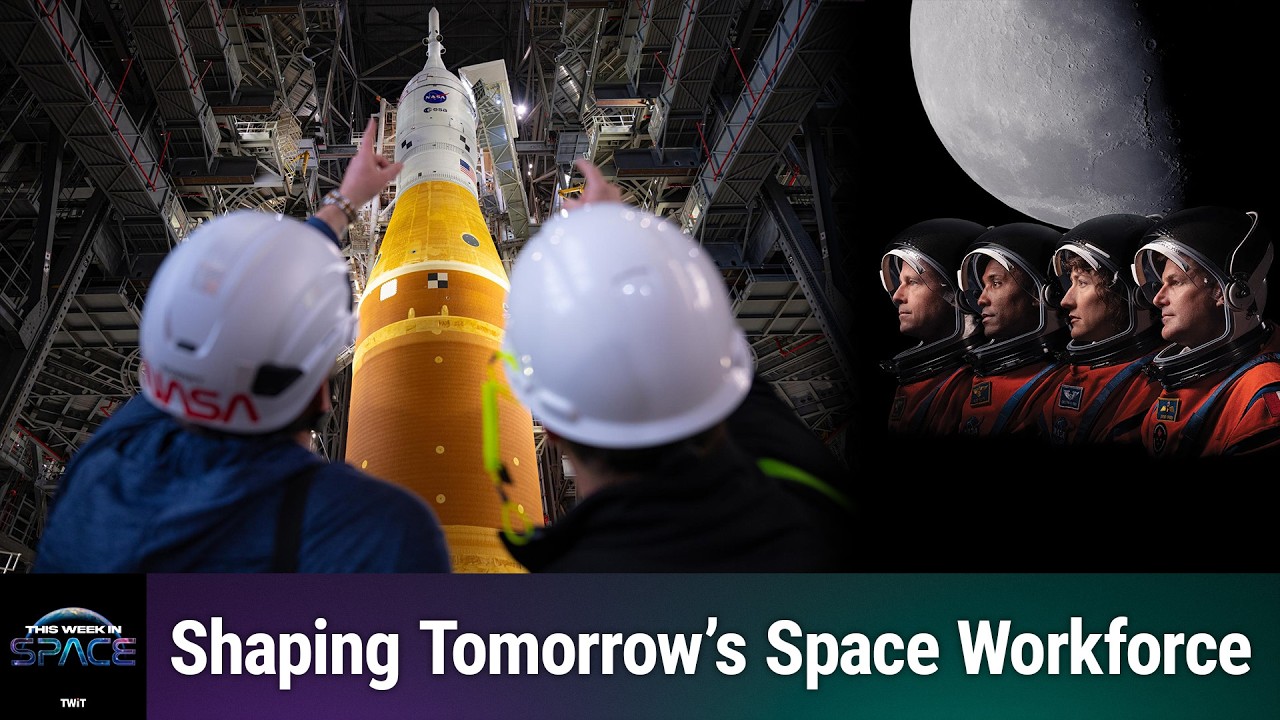
The Artemis Generation and the Return to the Moon
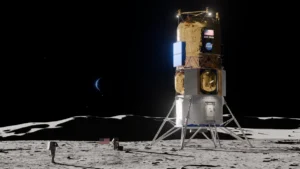
At the heart of the current educational push is the "Artemis Generation"—a demographic of students and young professionals who are growing up alongside NASA’s overarching campaign to return humans to the lunar surface and establish a sustainable presence there. Unlike the Apollo astronauts, who viewed the Moon as a destination for brief scientific excursions, the Artemis Generation is tasked with building infrastructure.
Future lunar explorers and terrestrial support teams will need to address challenges such as in-situ resource utilization (ISRU)—extracting water ice from permanently shadowed craters to produce rocket propellant and drinking water—along with power generation, habitat construction, and long-term life support systems. These complex requirements demand a workforce fluent in cross-disciplinary problem-solving.
Educational institutions from primary schools to major research universities are increasingly aligning their programs with these long-term mission objectives. Project-based learning, robotics competitions, and student-built satellite projects (CubeSats) have become commonplace in higher education, allowing students to experience the full lifecycle of a space mission before they even graduate.
Bridging Academia and Industry
Despite the abundance of enthusiasm among students, bridging the divide between academic preparation and industry readiness remains a persistent challenge. Rapid technological advancements mean that academic institutions often struggle to update their syllabi quickly enough to keep pace with industry innovations.
To mitigate this gap, public-private partnerships have become increasingly vital. Aerospace companies frequently collaborate with universities to sponsor research projects, provide mentorship, and offer internships that serve as direct pipelines to full-time employment. Industry leaders emphasize that practical experience—such as participating in rocketry clubs, software hackathons, or hands-on laboratory research—often carries as much weight on a resume as a formal grade point average.
The economic implications of this workforce alignment are profound. Regions that successfully cultivate local STEM ecosystems are positioning themselves as economic hubs for the twenty-first century. States and municipalities that foster aerospace incubators and research parks are attracting significant venture capital and high-paying engineering jobs, transforming local economies and securing their place in the global space supply chain.
Bringing Space Exploration Home: Hands-On Engagement
While large-scale workforce development initiatives target university students and early-career professionals, fostering an enduring passion for space exploration often begins much earlier in life. Inspiring younger children to look up at the stars and imagine careers in science and engineering remains a foundational goal for educators and science communicators alike.
In a nod to the enduring appeal of hands-on rocketry, hobbyist and educational markets continue to offer innovative ways for enthusiasts of all ages to engage with aerospace engineering. A prime example is the growing popularity of scale-model rocketry, which allows students and hobbyists to experience the fundamental physics of flight firsthand.
Well-known model rocket manufacturer Estes has captured the public’s imagination with detailed, launchable scale replicas of contemporary spaceflight hardware. Among their offerings is a meticulously engineered model of the SpaceX Falcon 9 rocket. Retailing for $149.99, the model serves as both an impressive display piece and a fully functional, high-performance model rocket capable of atmospheric flight. By combining historical accuracy with accessible rocketry mechanics, products like these continue to spark curiosity and encourage young people to explore the underlying principles of aerodynamics and propulsion.
Broader Implications for the Future of Spaceflight
The concerted focus on expanding and refining the space workforce arrives at a critical juncture in human history. As humanity transitions into a multi-planet species, the decisions made today regarding education, training, and workforce development will dictate the pace and success of future endeavors.
The challenges ahead are formidable. Beyond returning to the Moon, space agencies and private enterprises have set their sights on crewed missions to Mars, the establishment of commercial orbital habitats, and the eventual utilization of asteroid resources. Each of these milestones will require innovations in propulsion, life support, communications, and robotics.
Furthermore, the geopolitical landscape of space exploration has evolved. With multiple nations developing independent crewed spaceflight capabilities and lunar exploration programs, international competition is driving rapid technological advancement. In this competitive environment, the nation or coalition that successfully educates, recruits, and retains the most capable STEM workforce will hold a definitive strategic advantage.
The insights shared by Dr. Smith-Hackler and the hosts of This Week in Space underscore a vital truth: the hardware and launch vehicles that capture public attention are only the visible tip of the aerospace iceberg. Beneath every successful launch lies an intricate foundation of human capital—millions of hours of dedicated research, rigorous engineering, meticulous testing, and visionary leadership provided by a workforce prepared for the demands of the final frontier.
As the Artemis Generation steps forward to fill these emerging roles, the future of space exploration appears brighter and more dynamic than ever before. Whether designing next-generation lunar habitats, managing low-Earth orbit commercial traffic, or simply building model rockets in a backyard, the spark of curiosity ignited in today’s students will undoubtedly fuel the interplanetary achievements of tomorrow.
About This Week In Space
For those seeking to stay informed on the rapidly accelerating developments of the new space age, This Week in Space offers comprehensive weekly coverage. Hosted by veteran space journalists and authors, the podcast delivers deep dives into the latest missions, commercial ventures, and scientific discoveries shaping humanity’s expansion into the solar system. Listeners can tune in every Friday afternoon through major podcast platforms to explore topics ranging from lunar colonization to the timeline for human missions to Mars.
Related posts: