Xiaomi Clip Earbuds Redefine Wearable Tech Through a Jewelry-Inspired Design Language

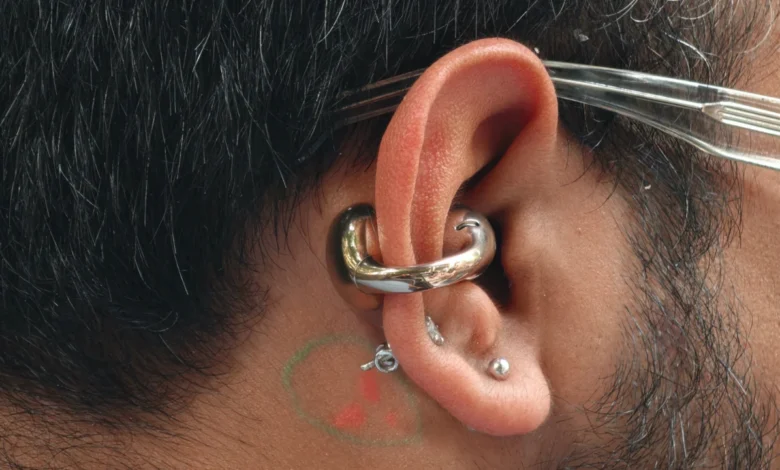
The landscape of personal audio has undergone a significant transformation over the last five years, moving away from the dominance of traditional in-ear monitors toward the rise of open-ear listening devices. As consumer demand for situational awareness and comfort increases, manufacturers are pivoting toward hardware that functions as both an audio tool and a fashion accessory. The recent launch of the Xiaomi Clip earbuds marks a departure from the utilitarian aesthetic that has long defined the Bluetooth audio market, signaling a shift toward high-fashion integration.
By blending advanced acoustic engineering with a design that mimics high-end ear cuffs, Xiaomi is addressing two persistent pain points in the wearable market: ear canal fatigue and the lack of stylistic versatility in tech products.
A Chronology of the Open-Ear Evolution
The journey toward the current iteration of the Xiaomi Clip began with the industry-wide exploration of bone conduction and air conduction technologies. Historically, the open-ear segment was dominated by bulky, hook-based designs that prioritized function over form. These devices often utilized flexible ear hooks to secure the driver against the tragus or the outer ear.

In late 2023 and throughout 2024, industry trends began to favor a "clip-on" form factor, popularized by boutique audio brands looking to attract fashion-conscious demographics. Xiaomi’s entry into this specific design space represents a calculated effort to bring premium, consumer-grade technology into a niche aesthetic category. The development phase for these devices focused heavily on material science, particularly the use of titanium memory-wire, to ensure that the "jewelry" aesthetic did not compromise the stability of the audio output.
Technical Specifications and Design Architecture
The Xiaomi Clip features a dual-component architecture consisting of a speaker housing and a decorative outer shell, connected by a rigid, high-grade titanium bridge. This design allows for a balanced weight distribution, with each earbud weighing approximately 5.5 grams. This mass-to-stability ratio is critical for long-term wear, as it minimizes the pressure points that typically lead to discomfort during extended use.
Under the hood, the device utilizes 11mm dynamic drivers, which are optimized for spatial sound delivery. Unlike standard in-ear buds that seal the ear canal, the Clip directs audio toward the concha with a specific geometry intended to minimize sound leakage while maintaining high-fidelity output. The inclusion of the LHDC 5.0 high-resolution audio codec suggests that Xiaomi is targeting the mid-to-high-end market, bridging the gap between casual listening and audiophile-grade requirements.
Market Positioning and Consumer Reception
The introduction of the "Sand Gold" variant has caused a notable stir in early testing phases, with many users reporting that the device is frequently mistaken for high-end ear jewelry. This serves as a testament to the success of Xiaomi’s industrial design team in navigating the intersection of hardware and accessory.

From a logistical standpoint, the product’s design has proven so convincing that it has triggered administrative scrutiny. Reports from product testers indicate that the packaging, which includes a compact, vegan-leather charging case, has been flagged by customs officials as potential jewelry rather than consumer electronics. This anecdote underscores the effectiveness of the design pivot; the product is no longer immediately recognizable as an electronic device, which marks a major departure from the black-plastic-and-silicone status quo.
Analytical Overview: The Shift Toward Lifestyle Tech
Industry analysts suggest that the rise of the Xiaomi Clip and similar devices is part of a broader "lifestyle integration" trend. As smartphones like the Xiaomi 18 Pros become more central to the user’s identity and daily workflow, the accompanying peripherals must reflect a cohesive design language.
The primary implications of this shift are two-fold:
- Material Innovation: The move away from soft-touch plastics toward polished metals and leather-like materials indicates a growing preference for durability and luxury finishes in the wearable sector.
- Ergonomic Redefinition: By moving the acoustic burden away from the ear canal, the industry is effectively mitigating the medical concerns associated with long-term earplug usage, such as irritation and moisture retention.
Performance Metrics and Power Management
Beyond the aesthetic, the functional longevity of the Xiaomi Clip remains a central pillar of its market appeal. With a single-charge playback time of up to nine hours and a total of 38 hours available via the portable charging case, the device is well-positioned for the "all-day" user.

The charging case, which mirrors the design philosophy of the earbuds, utilizes a rounded, soft-touch finish that differentiates it from the typical "charging pod" aesthetic common to competitors like Apple or Samsung. This attention to the ecosystem experience—ensuring that even the storage case feels like an accessory—is a strategy aimed at increasing brand loyalty among demographics that prioritize visual aesthetics.
Potential Challenges and Future Outlook
While the design is a clear success in terms of visual impact, it does present challenges. The "bling" factor may alienate users who prefer a more discreet, minimalist aesthetic. Xiaomi has attempted to address this by offering the Clip in more understated colors, such as Graphite Black, Pearl White, and Frost Purple. However, the inherent geometry of the clip-on design remains a bold statement, which may inherently limit its appeal to specific fashion-forward demographics.
Furthermore, as the device relies on external sound projection rather than noise-isolating seals, it is inherently less effective in high-noise environments compared to traditional active noise cancellation (ANC) earbuds. Users seeking total isolation from their environment may still gravitate toward in-ear designs.
Conclusion: The Future of Audio Wearables
The Xiaomi Clip represents more than just a new set of wireless headphones; it is a case study in how technology can successfully be rebranded as personal fashion. By focusing on the structural comfort of titanium bridges and the visual appeal of metallic finishes, Xiaomi has managed to solve the common issue of ear fatigue while simultaneously creating a product that feels like an intentional accessory.

As the industry moves forward, it is highly probable that other major manufacturers will follow suit, experimenting with materials and forms that de-emphasize the "gadget" feel in favor of a more refined, jewelry-like appearance. For the consumer, this means that the choice between audio performance and personal style is finally beginning to vanish. Whether these devices will eventually replace the standard earbud remains to be seen, but for now, they provide a compelling alternative for those who view their daily tech as a vital component of their personal style.
The success of the Xiaomi Clip highlights that in an era where technology is ubiquitous, the winners will be those who can make their devices feel less like machines and more like personal expressions. With a combination of high-resolution audio support, long-lasting battery performance, and an unapologetically stylish design, Xiaomi has carved out a unique position in the wearable market that prioritizes the user’s experience as much as it does the quality of the sound itself.