Xiaomi Unleashes the 18 Pro and 18 Pro Max Flagships with Cutting-Edge Snapdragon Processors and Innovative Rear Displays


Xiaomi has officially launched its highly anticipated next-generation flagship smartphone lineup, introducing the Xiaomi 18 Pro and the Xiaomi 18 Pro Max to the Chinese market. Following the recent industry-wide unveiling of Qualcomm’s Snapdragon 8 Elite Gen 6 and Snapdragon 8 Elite Extreme Gen 6 architectures, the Chinese technology giant has wasted no time integrating these premier silicon platforms into its highest-tier commercial hardware. The devices are currently available for purchase across mainland China, while corporate communications have confirmed that the flagship series will eventually secure a broader international rollout, though precise regional release dates and global pricing structures remain under wraps.
The introduction of the Xiaomi 18 Pro series marks a pivotal development in the manufacturer’s mobile strategy, showcasing substantial upgrades in mobile processing power, photographic versatility, energy density, and artificial intelligence integration. Industry analysts note that these devices reflect a growing design trend among top-tier manufacturers: maximizing utility on secondary surfaces, refining physical ergonomics, and pushing the boundaries of sensor resolution to compensate for physical optical constraints.
Evolution of the Flagship Lineup: Xiaomi 18 Pro Max
At the apex of the new portfolio sits the Xiaomi 18 Pro Max, a formidable phablet-class device equipped with an expansive 6.9-inch primary display. Under the hood, the Pro Max derives its immense computing power from the top-tier "Extreme" variant of Qualcomm’s Snapdragon 8 Elite Gen 6 platform.
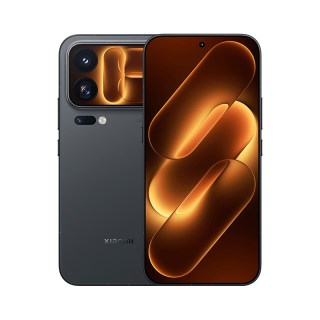
A critical area of evolution for the Pro Max model is its revamped camera array. Departing from the configuration seen in the preceding 17 Pro Max, Xiaomi has substituted the former 50-megapixel 1/1.28-inch primary image sensor with a massive 200-megapixel sensor of identical physical dimensions. Similarly, the previous 50-megapixel 5x periscope telephoto lens (equivalent to a 115mm focal length) has been replaced by a 200-megapixel 3.2x periscope module (equivalent to 75mm). While the optical reach of the new telephoto lens is ostensibly shorter on paper, the drastically higher pixel count facilitates advanced in-sensor lossless cropping, granting the device extended digital zooming capabilities without a severe degradation in clarity.
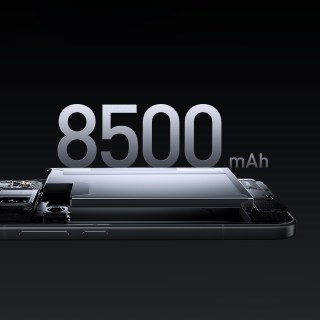
Battery capacity has also seen a significant upward adjustment. The Xiaomi 18 Pro Max houses a robust 8,500mAh power cell, representing a substantial 1,000mAh increase over its direct predecessor. This enhancement addresses mounting consumer demand for extended screen-on times, particularly given the power-intensive nature of high-refresh-rate displays and advanced generative AI workloads.

The Refined Standard: Xiaomi 18 Pro
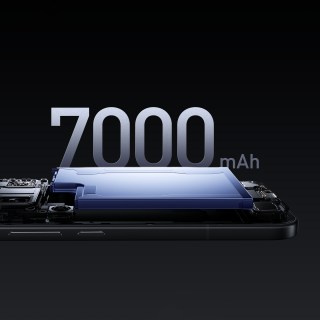
For users seeking a more manageable physical footprint without sacrificing flagship performance, the standard Xiaomi 18 Pro offers a compelling alternative. Built around a 6.4-inch display, the new Pro model is only fractionally larger than its predecessor—measuring a mere 0.7mm taller and 0.2mm wider. Xiaomi engineers achieved this minor dimensional delta by aggressively trimming the surrounding bezels, optimizing the screen-to-body ratio while accommodating a larger 7,000mAh battery, which delivers an additional 700mAh of capacity compared to the previous generation.
Performance-wise, the standard Xiaomi 18 Pro relies on the standard, non-Extreme Snapdragon 8 Elite Gen 6 processor. Photographic hardware mirrors its larger sibling to a significant degree, featuring dual 200-megapixel sensors—a 1/1.28-inch primary unit and a 3.2x 75mm periscope telephoto module—superseding the 50-megapixel main and 50-megapixel 5x periscope cameras of the 17 Pro generation. Both the Pro and Pro Max models are outfitted with uniform 50-megapixel ultra-wide-angle lenses and 50-megapixel front-facing selfie cameras to maintain parity across the core imaging experience.
Unique Hardware Features and AI Integration
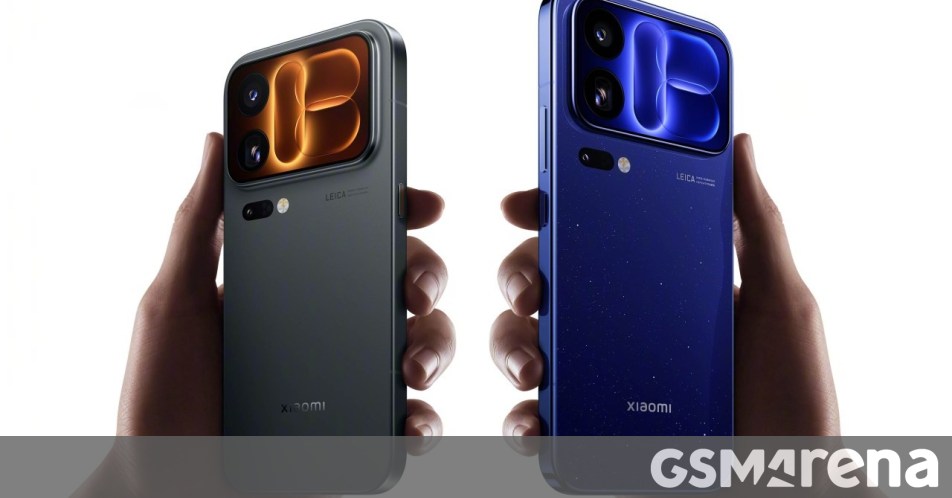
Beyond traditional metrics of processing speed and camera resolution, the Xiaomi 18 Pro series introduces a distinctive design element: functional secondary displays embedded directly within the rear camera islands. Measuring 2.9 inches on the Pro Max and 2.7 inches on the smaller Pro variant, these secondary panels serve practical purposes beyond aesthetic differentiation.
While they function effectively as viewfinders for high-resolution self-portraits captured via the primary camera arrays, Xiaomi has leveraged the secondary screens to showcase proprietary software innovations. Most notably, the company has integrated specialized artificial intelligence capabilities capable of generating lightweight, contextual applications on demand. These dynamically created micro-apps operate directly on the rear displays, offering users quick access to notifications, utilities, and widgets without requiring them to unlock the primary screen.
Pricing Structure and Domestic Availability
As of the initial launch phase, official pricing figures are limited to the domestic Chinese market. The baseline Xiaomi 18 Pro, configured with 12GB of RAM and 256GB of internal storage, debuts at CNY 6,000. In direct currency conversions, this equates to approximately $895 USD, £675 GBP, €785 EUR, or ₹85,800 INR.
Meanwhile, the higher-tier Xiaomi 18 Pro Max starts at CNY 7,000 for the corresponding 12GB/256GB storage tier, translating roughly to $1,050 USD, £790 GBP, €915 EUR, or ₹100,000 INR. Market observers emphasize that these direct currency conversions rarely reflect final international retail costs. When the devices clear regulatory hurdles and launch globally, shipping fees, local import duties, and regional tax variations—such as Value Added Tax in Europe—will inevitably push the final retail figures higher.

Global Rollout Ambiguities and Market Strategy
The timeline and geographic distribution of the global release remain points of discussion among industry followers. While corporate headquarters have explicitly stated that the Xiaomi 18 Pro "series" is destined for international markets, regional subsidiary messaging has introduced minor discrepancies. For instance, promotional communications originating from Xiaomi India have explicitly referenced only the standard Xiaomi 18 Pro, omitting explicit mention of the Pro Max variant. This divergence has fueled speculation regarding whether international markets will receive the complete portfolio simultaneously or if availability will be staggered based on regional demand and regulatory compliance.
Furthermore, supply chain logistics and environmental regulations continue to influence hardware packaging and distribution. Questions have been raised regarding whether international variants will retain the full advertised battery capacities or if regional compliance mandates—such as those seen in other major technology sectors regarding energy density and shipping weights—will necessitate regional adjustments.

Industry Implications and Consumer Response
The launch of the Xiaomi 18 Pro series arrives amid a broader macroeconomic trend of rising component costs across the consumer electronics sector. Industry analysts note that successive generations of flagship silicon, advanced sensor arrays, and high-density silicon-carbon battery technologies have driven up baseline bills of materials (BOM). Consequently, price adjustments are becoming an industry-wide norm, affecting not only ultra-premium flagships but also the mid-range and entry-level segments.
Despite these cost pressures, early consumer engagement metrics in China indicate robust demand for the new hardware. The integration of 200-megapixel periscope modules and expanded battery reserves directly addresses two of the most scrutinized aspects of modern smartphone engineering: zoom fidelity and autonomy under heavy usage.

As Xiaomi prepares to transition the 18 Pro series from its domestic launchpad to the global stage, the ultimate success of the lineup will depend heavily on aggressive regional pricing, carrier partnerships, and the reliability of its software ecosystem—particularly its ambitious on-device AI implementations. For now, the technical specifications establish a high benchmark for competing manufacturers navigating the early stages of the post-Snapdragon 8 Elite Gen 6 product cycle.