Deceased BBC football commentator resurrected with AI for EA Sports FC: The family says it’s a ‘touching…

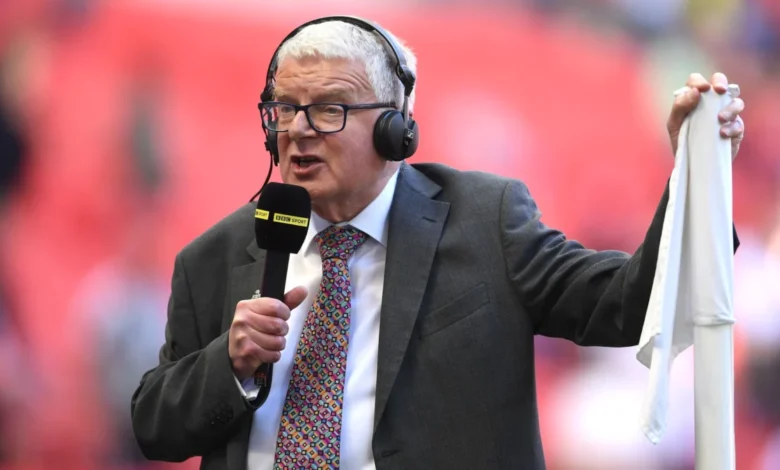
The inclusion of John "Motty" Motson, who passed away in 2023 at the age of 77, marks a significant technological milestone for EA Sports. By leveraging a sophisticated blend of original audio archives spanning nearly a decade and advanced AI-driven vocal synthesis, the developer has integrated the iconic voice of the FA Cup into its latest football simulation. While the Motson family has publicly endorsed the initiative as a fitting tribute to his illustrious career, the announcement has simultaneously drawn sharp criticism from segments of the gaming community and labor advocates who view the use of generative AI to replicate deceased performers as an invasive and ethically dubious practice.
A Legacy Spanning Three Decades
John Motson’s relationship with EA Sports is deeply rooted in the history of the FIFA franchise. His debut as a lead commentator occurred in 1995 with FIFA Soccer 96, a title that helped define the early era of 3D sports gaming. Over the subsequent decade, Motson became the sonic identity of the sport for millions of players worldwide, providing the authoritative, enthusiastic, and often meticulous narration that accompanied iconic gameplay moments. His tenure as the primary voice of the series concluded with FIFA Soccer 2005, though his professional association with EA continued through the niche FIFA Manager series.
The decision to bring Motson back into the virtual booth for FC 27 involves a complex synthesis of data. According to EA, the development team utilized extensive historical in-game recordings—nearly ten years’ worth of dialogue—as the foundational dataset for the AI model. By training the model on his unique cadence, vocabulary, and emotive tone, EA claims to have achieved a high-fidelity recreation that allows Motson to "commentate" on modern matches, effectively bridging the gap between the mid-90s gaming era and the current technological landscape.
The Family Perspective and Official Response
The Motson family has maintained that the project is a respectful homage to a man who lived and breathed football. Fred Motson, John’s son, has been vocal about his support for the project, emphasizing that his father’s passion for his work would likely have extended to this new medium.
"My father adored being the voice of the game," Fred Motson stated in an interview with the BBC. "We are incredibly grateful to the team at EA Sports for this touching tribute and for preserving his memory in-game. His voice inspired millions of players across generations every time they picked up a controller, and now a whole new set of fans will get to experience his legacy and commentary."
Regarding the technical nature of the project, Fred acknowledged that while his father might not have fully grasped the complexities of AI, his professional curiosity was a hallmark of his career. "I don’t think he would have quite understood what the AI was doing technologically, but I think, on the other hand, he was always really keen to get involved in these kinds of projects." It has been confirmed that the Motson estate received an undisclosed financial settlement for the rights to use his voice, a standard procedure in high-profile digital likeness licensing.
A Divided Community and the Ethics of AI
Despite the family’s blessing, the reaction from the public has been polarized. On platforms such as Reddit and various gaming forums, the discourse has highlighted a growing discomfort with the normalization of AI-generated performances. Critics have utilized strong language, labeling the move as "shameful," "gross," and "bleak."
The central argument against the implementation is rooted in the perceived violation of the sanctity of death. For many, the ability for a corporation to synthesize a person’s voice after they have passed creates a precedent that is inherently dehumanizing. Comments from users reflect a broader societal anxiety: "What a bleak world we live in; you can’t even escape in death," and "If anyone from my family uses AI to resurrect me in some perverse way like this, I’ll haunt them."
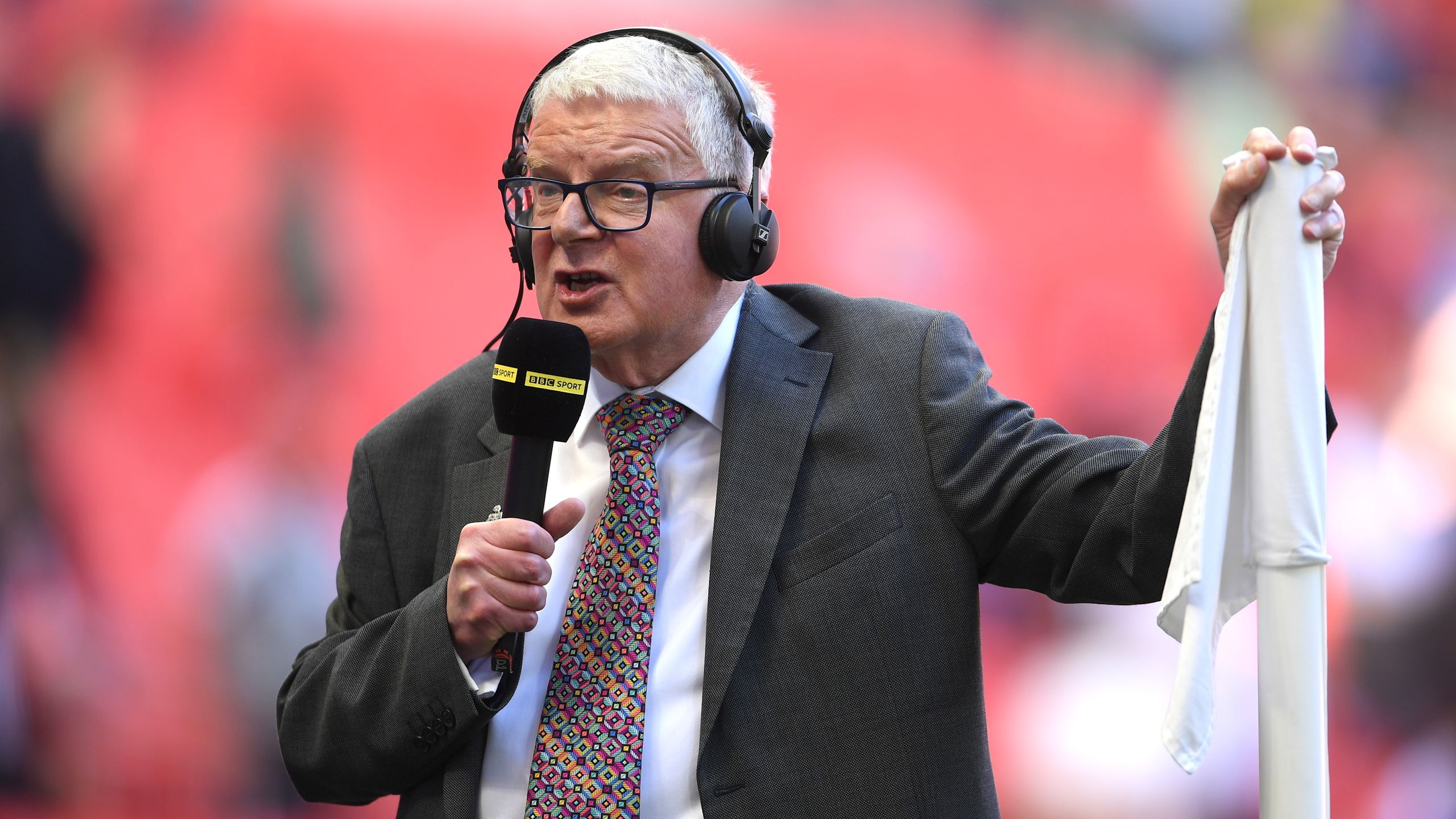
Peter Caulfield, a spokesperson for the ‘Save Our Voices Now’ campaign, has framed the issue as a matter of fundamental rights rather than just family consent. Caulfield argues that the industry needs stricter boundaries. "In life or death, unless you have specifically agreed to it, AI cloning of any kind should not be allowed," Caulfield stated. He further challenged the notion that family members should possess the automatic authority to license a deceased relative’s voice for generative purposes, suggesting that this opens the door to potential exploitation that the deceased never had the opportunity to approve or reject.
Industry Contrasts: The Red Hook Approach
The controversy surrounding Motson’s digital return is not occurring in a vacuum. It follows a growing trend of game developers grappling with the ethical implications of AI. Notably, some studios have chosen a path of restraint.
Earlier this year, Red Hook Studios, the developer behind the critically acclaimed Darkest Dungeon, took a firm stance against using AI to recreate the voice of narrator Wayne June, who passed away in 2025. Despite having explicit written permission from June to continue using his likeness, the studio refused to do so. Co-founder Chris Bourassa articulated the studio’s position with a focus on artistic integrity: "I would never, ever erode his incredible and timeless performances by teaching a machine to sound like him."
This contrast in approach highlights a philosophical divide within the gaming industry. On one side are companies like EA, which view AI as a tool for preservation and legacy-building; on the other are studios like Red Hook, which view AI as a threat to the authenticity of human artistic contribution.
Broader Implications and Future Regulation
The situation is attracting the attention of labor organizations globally. The Japan Actors Union, for example, has recently lobbied for stringent restrictions on the use of AI to replicate the voices of deceased performers. Their proposal includes a total ban on such practices unless explicit, informed consent was provided by the individual during their lifetime.
From a legal and economic standpoint, the "Motson Case" serves as a catalyst for a much-needed conversation regarding Digital Rights of Publicity. Currently, laws regarding the use of an individual’s likeness or voice after death vary significantly by jurisdiction. In the United States, rights of publicity often descend to heirs, while in other regions, those protections may be limited or non-existent.
The implications for the gaming industry are substantial. If major publishers continue to pursue AI-synthesized voices, they risk alienating a player base that is increasingly wary of corporate overreach. Conversely, if done with full transparency and familial support, it could potentially redefine how legends are honored in digital spaces. However, as the technology becomes more accessible and the costs of synthesis decrease, the industry will inevitably face increased pressure to establish industry-wide ethical standards.
As EA Sports moves forward with the integration of Motson into FC 27, the success of the initiative will likely be measured by more than just player engagement metrics. It will be measured by the public’s acceptance of this new reality: a world where the voices of our past are no longer confined to the archives of history, but are instead rendered as active, interactive participants in our digital entertainment. Whether this represents a triumph of technological preservation or a slide into an uncomfortable, synthetic future remains a subject of intense debate that will likely shape the legal and ethical landscape of the gaming industry for years to come.
Related posts: