The smartphone market is facing an unprecedented pricing crisis as the surge in AI infrastructure development reshapes consumer hardware costs.

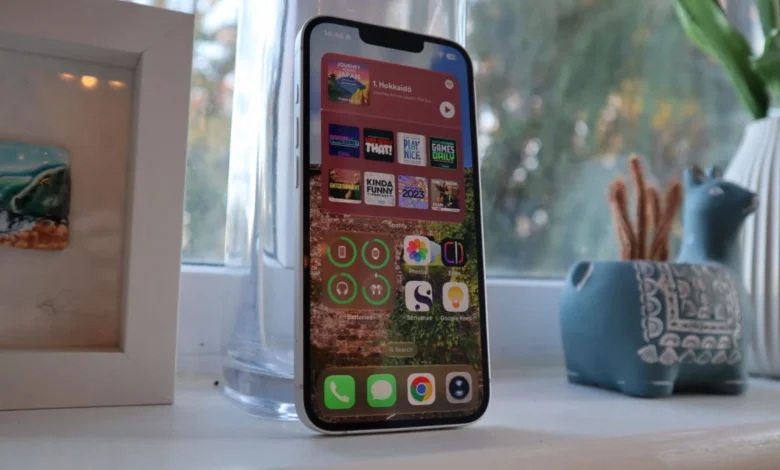
The global electronics industry is currently grappling with a significant economic shift, as the rapid expansion of artificial intelligence data centers has triggered a massive supply-demand imbalance for critical components. As tech giants accelerate their investment in high-performance computing, the cost of volatile memory, specifically DRAM and NAND flash, has skyrocketed. This surge in component pricing is cascading directly to the consumer, resulting in the highest smartphone retail prices observed in the last decade.
The Anatomy of the Pricing Surge
Data from industry analysts, including reports from IDC, indicates that the scarcity of high-bandwidth memory (HBM) and standard mobile RAM is a direct byproduct of the AI boom. As semiconductor manufacturers pivot their fabrication capacity toward high-margin AI chips and server-grade memory, the supply chain for consumer-grade smartphone components has tightened. This transition has led to a year-on-year increase in production costs that manufacturers are increasingly passing on to end-users.
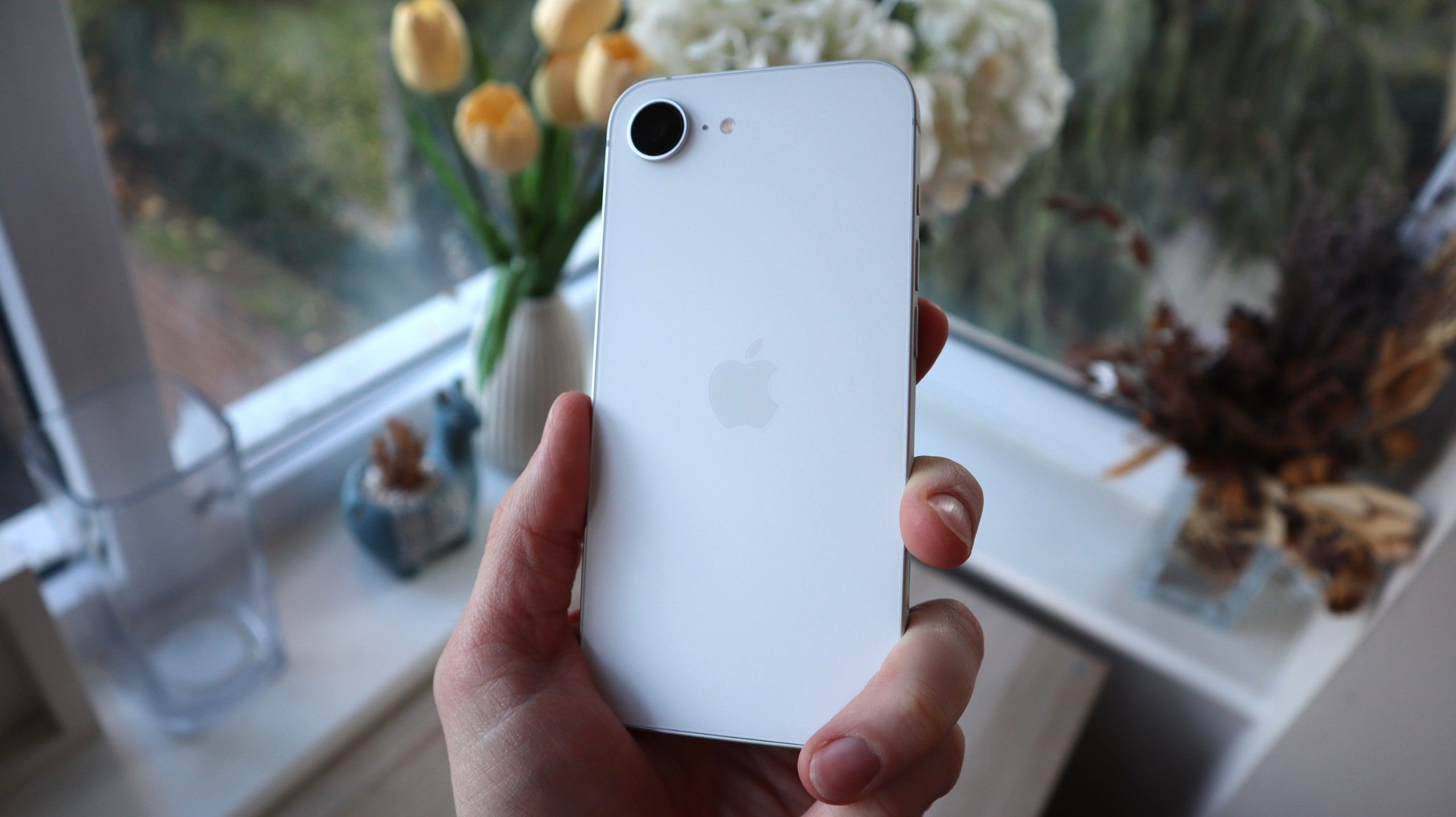
For instance, the entry-level flagship market has seen a stark transformation. The Samsung Galaxy S26, positioned as a standard flagship device, debuted with a starting price of $999 (£959 / AU$1,649). This represents a significant upward adjustment compared to previous iterations, signaling a departure from the pricing plateaus that had defined the flagship sector for the past three years. Apple, which historically maintained consistent pricing strategies across its standard models, adjusted its retail pricing in September. The iPhone 17e, currently serving as the entry point for the latest generation, is now priced at $699 (£699 / AU$1,149), reflecting broader inflationary pressures on hardware production.
Chronology of the Hardware Cost Shift
The trajectory of this price hike can be traced back to the post-pandemic recovery period, where global logistics disruptions were initially blamed for cost spikes. However, as of late 2025 and into 2026, the catalyst shifted from simple logistics to fundamental resource allocation.
- Early 2025: Semiconductor manufacturers announced record-breaking investments in HBM production to satisfy the demands of hyperscale cloud providers.
- Mid-2025: Market analysts began noting a 369% year-over-year surge in memory costs for high-capacity modules.
- September 2025: Major smartphone OEMs, including Apple and Samsung, implemented revised pricing structures for their fall product lineups.
- Q4 2025 to Present: Retailers reported a notable shift in consumer behavior, with a 53% increase in the secondary market for refurbished mobile devices, as documented by platforms such as MusicMagpie.
The Rise of the Refurbished Sector
As new hardware becomes increasingly cost-prohibitive for the average consumer, the refurbished smartphone market has transitioned from a niche alternative to a primary purchasing channel. Retailers are reporting unprecedented interest in "like-new" devices that undergo professional diagnostic testing, battery replacement, and cosmetic restoration.
This trend is driven by more than just cost-efficiency. Modern refurbishment programs, operated by entities such as Giffgaff, Vodafone, and Back Market, now offer comprehensive warranties that rival those provided for brand-new units. For example, some programs include 24-month warranties and guaranteed 100% battery health, effectively bridging the confidence gap that once deterred consumers from purchasing pre-owned hardware.
The financial disparity is significant. A consumer purchasing a refurbished flagship model can often save between 20% and 35% compared to the manufacturer’s suggested retail price (MSRP). In the current economic climate, where household budgets are increasingly scrutinized, these savings have become a decisive factor for tech-savvy buyers who prioritize performance-per-dollar over the latest industrial design or incremental processor upgrades.
Implications for the 2027 Market Outlook
The macroeconomic outlook for the smartphone sector remains complex. Industry forecasts suggest that the current memory supply crisis is unlikely to reach equilibrium before 2028. Consequently, the upward pressure on hardware pricing is expected to persist.
Analysts suggest that manufacturers may be forced to bifurcate their product strategies further. One path involves the introduction of "AI-lite" handsets that require less high-speed memory, thereby keeping costs lower. The alternative path is the continued premiumization of flagship models, where increased costs are absorbed by high-spending enthusiasts while the broader mid-range market becomes increasingly reliant on secondary and refurbished hardware.
From an environmental perspective, the growth of the refurbished market is a positive externality of the current pricing crisis. The extension of device lifecycles reduces electronic waste and lowers the carbon footprint associated with the manufacturing of new handsets. As more consumers adopt refurbished devices, the infrastructure supporting circular economies—such as formal battery replacement services and professional screen refurbishment—is becoming more robust.
Manufacturer and Retailer Responses
While manufacturers have largely remained silent on the direct correlation between AI data center demand and individual handset prices, the market reality is reflected in the lack of aggressive discounts. Historically, Black Friday periods would see significant price cuts on the newest generation of flagship devices. In recent months, however, retailers have been more conservative with discounts, reflecting the tighter margins caused by elevated component costs.
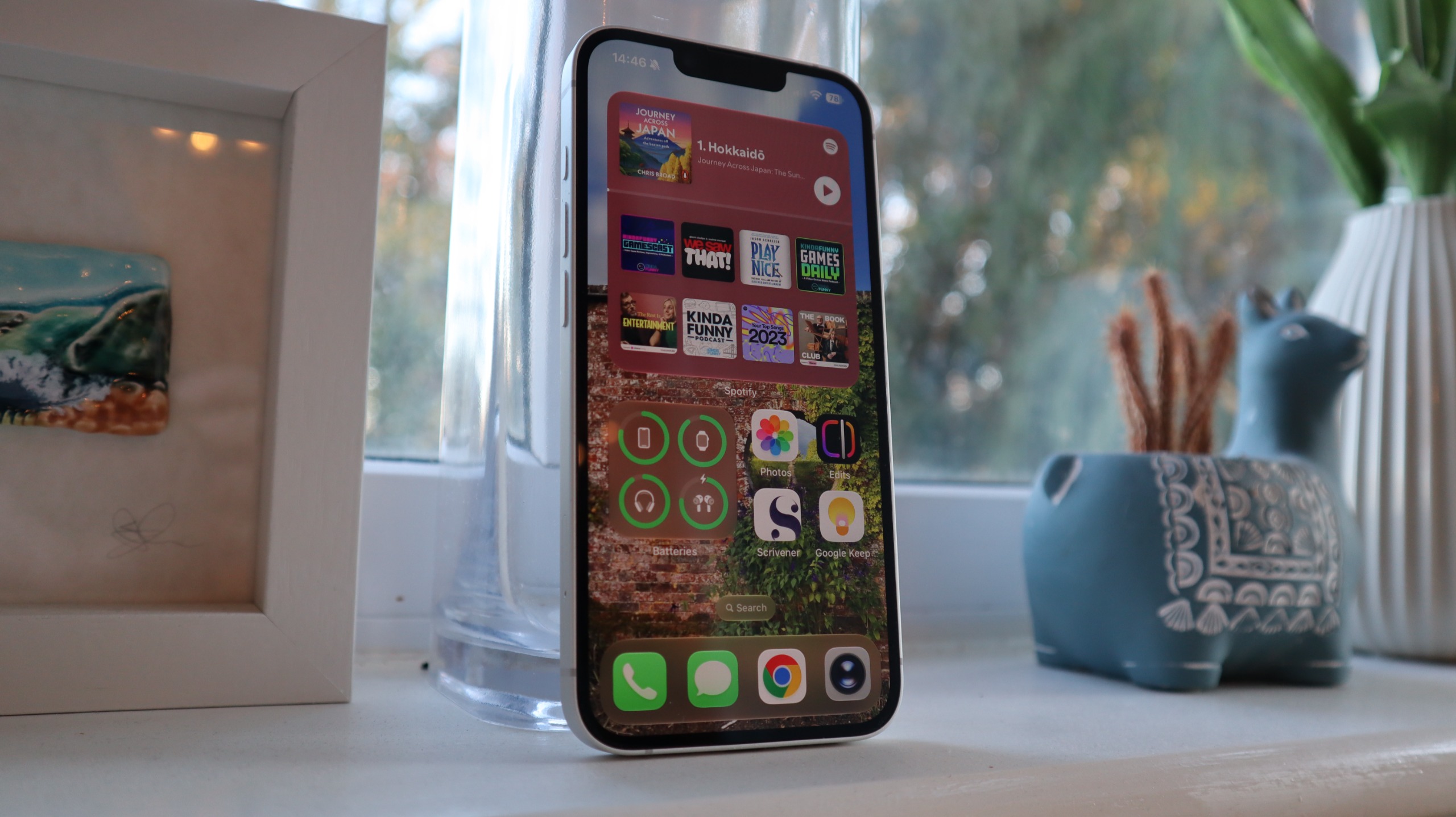
Retailers like Best Buy in the US, and JB Hi-Fi in Australia, have expanded their dedicated sections for certified pre-owned devices, acknowledging that the demand for "new" is being replaced by a demand for "value." The integration of these services into mainstream retail environments suggests that the refurbished model is now a permanent fixture in the global smartphone ecosystem.
Strategic Recommendations for Consumers
For those currently in the market for a smartphone, the consensus among tech analysts is to evaluate the total cost of ownership over a three-year period. While new devices offer the latest software support and potential AI-specific hardware optimizations, the value proposition of a two-year-old refurbished flagship is currently unparalleled.
Consumers are advised to prioritize the following when navigating the current market:
- Warranty Documentation: Ensure that the refurbished device includes a certified warranty of at least 12 months.
- Battery Health Certification: Avoid units that do not explicitly state the battery capacity, as this is the most critical component for long-term usability.
- Software Lifecycle: Check the remaining years of security updates provided by the manufacturer. A refurbished device is only a bargain if it remains supported for the duration of its intended use.
- Platform Ecosystem: Consider the value of current software ecosystems, as staying within a specific OS (iOS or Android) often provides more utility than the incremental hardware benefits of switching to a new, expensive model.
As the industry moves toward 2027, the smartphone market is undergoing a fundamental transformation. The era of annual upgrades for the average user appears to be fading, replaced by a more sustainable and economically grounded approach to personal technology. While the primary market for new devices continues to grapple with the demands of the AI revolution, the secondary market stands ready to provide a viable path forward for the cost-conscious consumer.