Samsung Galaxy S27 Series Case Leak Offers Fresh Look at Upcoming Flagships Ahead of Launch

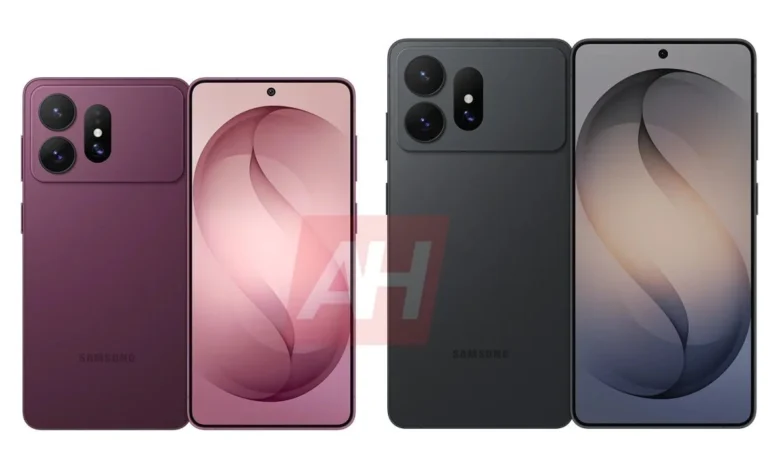
The anticipation surrounding Samsung Electronics’ next-generation flagship smartphone lineup has intensified following a new leak from prominent accessory manufacturer Thinborne. While the mobile technology industry has spent the past several months dissecting early computer-aided design (CAD) renders, physical dummy units, and preliminary protective covers, this latest development provides a tangible, hands-on preview of the hardware ecosystem. Thinborne published a video via its official social media channel showcasing custom-tailored protective accessories designed to fit all four anticipated iterations of the Samsung Galaxy S27 series: the standard Galaxy S27, the Galaxy S27+, the Galaxy S27 Pro, and the top-tier Galaxy S27 Ultra.
Accessory manufacturers frequently receive dimensional blueprints and precise ergonomic specifications from manufacturing partners months in advance to ensure their products are ready on launch day. Consequently, these retail accessories serve as reliable indicators of final device dimensions, button placements, port configurations, and, most importantly, the structural geometry of rear camera arrays. Although the newly surfaced video does not introduce entirely unprecedented revelations regarding the upcoming devices, it corroborates several persistent design rumors that have circulated within the global supply chain, pointing toward a significant aesthetic shift for Samsung’s premier mobile computing platforms.
Chronology of the Galaxy S27 Leak Cycle
The path toward the anticipated launch of the Samsung Galaxy S27 series has been marked by a steady, methodical trickle of unofficial disclosures. The initial phase of leaks began months prior with the emergence of preliminary schematic diagrams intended for industrial case manufacturers. These blueprints outlined subtle refinements to the physical form factor, highlighting narrower bezel profiles and more ergonomic corner radiuses designed to improve single-handed operation across the entire product family.
As the development cycle progressed into the subsequent quarter, physical dummy units—typically constructed from molded plastics and metals based on finalized manufacturing tolerances—surfaced across various industry forums and social media channels. These non-working models allowed early hardware reviewers to evaluate the physical heft and balance of the prospective handsets. Shortly thereafter, the first wave of unbranded protective cases appeared in logistics hubs, confirming the shifting dimensions of the device bodies and signaling that the supply chain was already gearing up for mass production.
The latest disclosure by Thinborne represents the culmination of this pre-release cycle, moving beyond static schematics and dummy units into functional accessory testing. By publicly displaying cases fitted to actual or precision-molded test devices alongside industry analysts, the manufacturer has provided the clearest visualization yet of how the physical hardware will appear to consumers upon unboxing.
Expected Design Transformations and Camera Reconfigurations
Among the most closely monitored aspects of the Galaxy S27 development cycle are the anticipated structural overhauls to the rear camera housings. Historically, Samsung has favored a minimalist, vertically aligned multi-lens layout where individual sensor rings protrude independently from the back panel. However, industry intelligence and the latest case designs indicate a departure from this design language for the higher-end variants within the upcoming portfolio.

Specifically, the Galaxy S27 Pro and the flagship Galaxy S27 Ultra are rumored to feature a prominent, large horizontal camera plateau. This raised architectural bridge spans a significant portion of the upper rear panel, housing a restructured multi-camera array. Observers have noted that this configuration bears a structural resemblance to camera modules seen on recent competing flagship architectures, such as those from Apple.
Beyond the aesthetic rearrangement of the housing, substantive internal hardware adjustments are slated for the Galaxy S27 Ultra. Supply chain reports indicate that the device will streamline its sensor complement, dropping a dedicated camera component compared to its predecessor, the Galaxy S27 Ultra. Furthermore, technical evaluations suggest the removal of the traditional laser autofocus module, a component that has been a staple of Samsung’s ultra-tier devices for several generations. Industry analysts suggest that advancements in primary sensor phase-detection autofocus (PDAF) and software-driven depth mapping have reached a level of maturity that renders dedicated external laser hardware redundant, thereby freeing up valuable internal volume for battery capacity and thermal management components.
Strategic Implications and Market Context
The strategic timing of these hardware leaks coincides with ongoing industry discussions regarding Samsung’s broader product roadmap and memory component sourcing. Whispers within the supply chain have suggested that Samsung may accelerate the commercial rollout of the Galaxy S27 series, potentially bringing the official market debut forward compared to historical release schedules.
However, this potential acceleration occurs against a backdrop of macroeconomic and operational uncertainties, particularly surrounding global memory pricing and component availability. Manufacturers across the consumer electronics sector continue to navigate complex supply chains where fluctuating costs for high-density dynamic random-access memory (DRAM) and flash storage can heavily influence final retail pricing strategies. By closely monitoring component footprints and housing designs, early accessory production offers a window into how Samsung plans to balance physical redesigns with internal hardware optimization.
The shift toward a horizontal camera plateau on the Pro and Ultra models suggests that Samsung is actively seeking to refresh its brand identity in a fiercely competitive global smartphone market. As consumers increasingly prioritize camera versatility, display fidelity, and long-term software support, physical differentiation remains a crucial tool for original equipment manufacturers (OEMs) looking to capture market share.
Industry and Consumer Outlook
As the technology sector awaits official confirmation from Samsung Electronics, the accumulation of dummy units, CAD leaks, and functional accessory demonstrations paints a comprehensive picture of what to expect in the near future. While protective case leaks occasionally introduce minor dimensional discrepancies, the consistency among multiple independent accessory manufacturers reinforces the credibility of these design directions.
Consumers and enterprise buyers alike will be watching closely to see how these hardware adjustments translate into real-world performance, photographic capability, and ergonomic comfort. Until Samsung formally unveils the Galaxy S27 series at its traditional unboxing event, these accessory previews will continue to serve as the primary roadmap for understanding the evolution of the South Korean tech giant’s flagship ecosystem.