Building Blocks of the Heavens: How the Launch of the Zarya Module Sparked the Era of the International Space Station

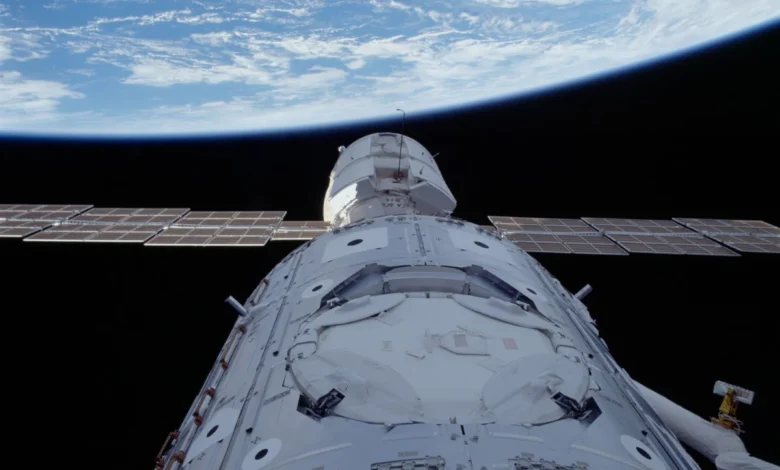
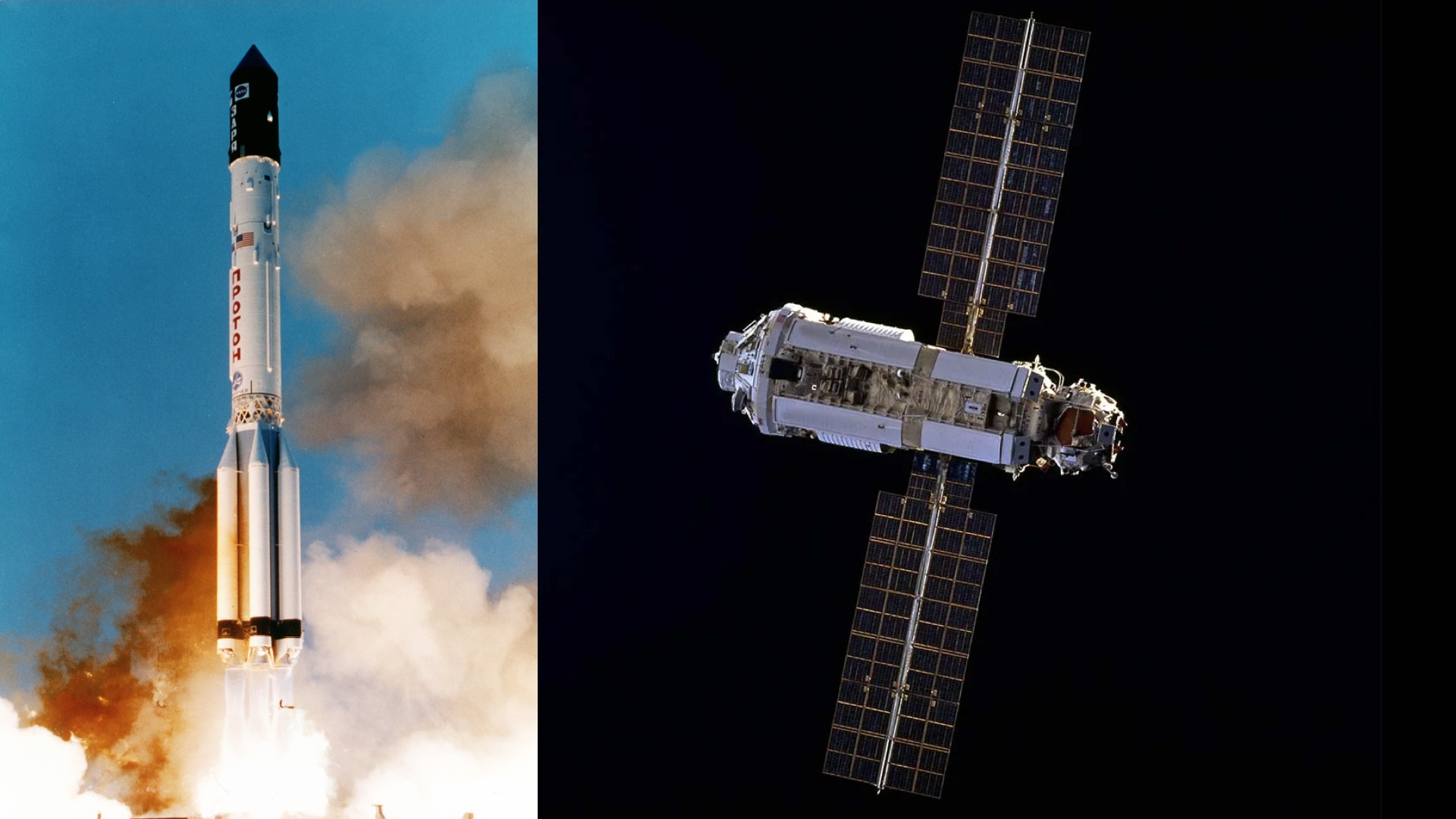
On November 20, 1998, a Russian Proton rocket thundered away from the launchpad at the Baikonur Cosmodrome in Kazakhstan, carrying aloft a heavy, bus-sized cylinder that would quietly alter the course of human spaceflight. That 42,600-pound payload was the Zarya module—officially known as the Functional Cargo Block or FGB—and its successful ascent into low-Earth orbit marked the literal cornerstone of the International Space Station (ISS). Nearly three decades later, as the orbital laboratory orbits some 250 miles above our heads, the legacy of Zarya remains unmatched as the foundational brick of humanity’s most ambitious multinational engineering endeavor.
When Zarya first reached orbit, it opened a dramatic new chapter in post-Cold War space cooperation. Built in Moscow by the Krunichev State Research and Production Space Center and financed largely by the United States under a $220 million contract, the module represented an ingenious fiscal and logistical compromise. NASA opted to fund the Russian construction because it cost roughly half the estimated price of commissioning an equivalent American component from Lockheed Martin. Measuring just over 41 feet long and 13.5 feet wide, with a habitable volume of 1,650 cubic feet, Zarya was designed to provide essential early propulsion, electrical power via its dual solar arrays, and vital attitude control during the station’s infancy.
Chronology of a Complex Orbital Assembly
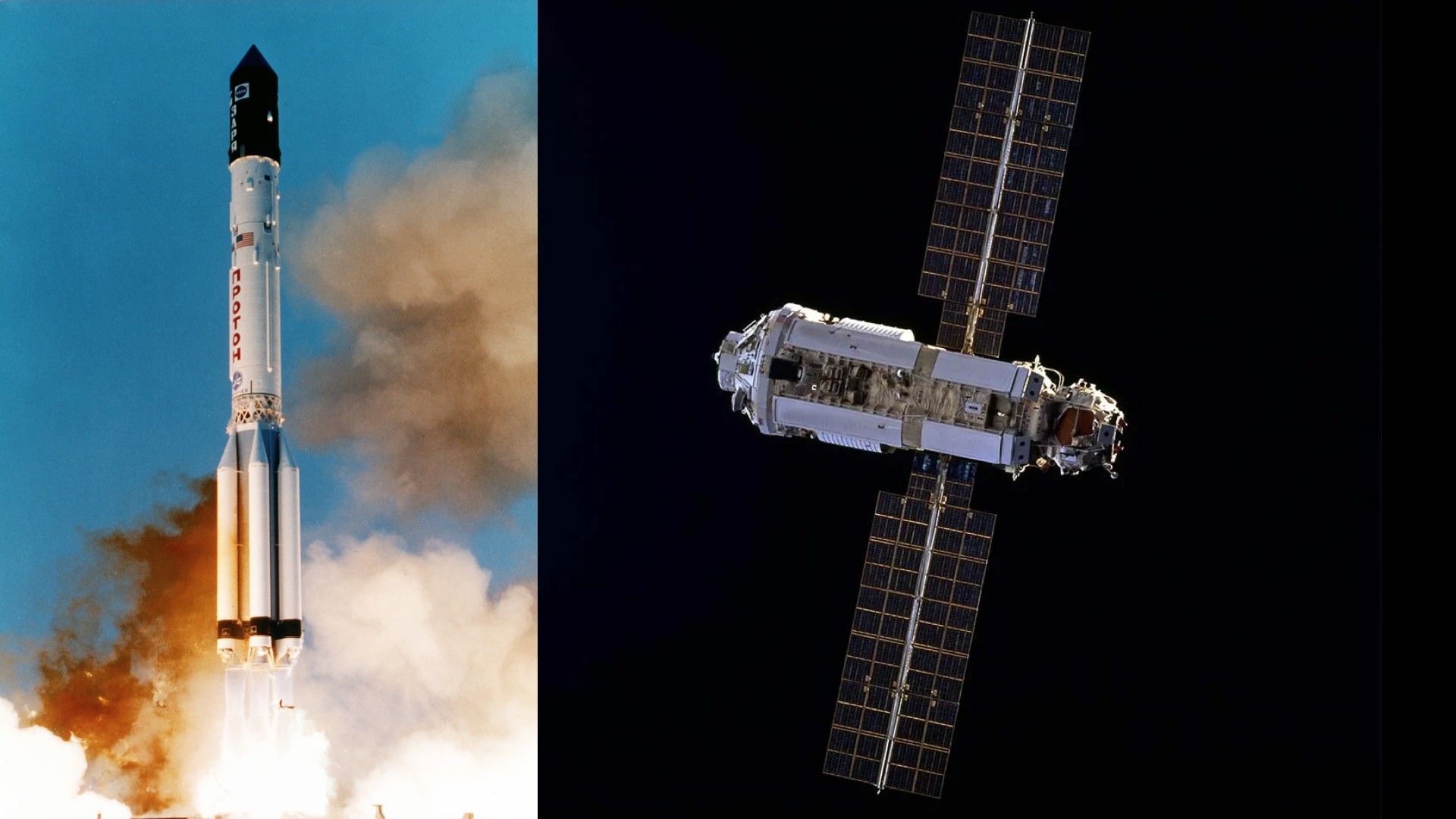
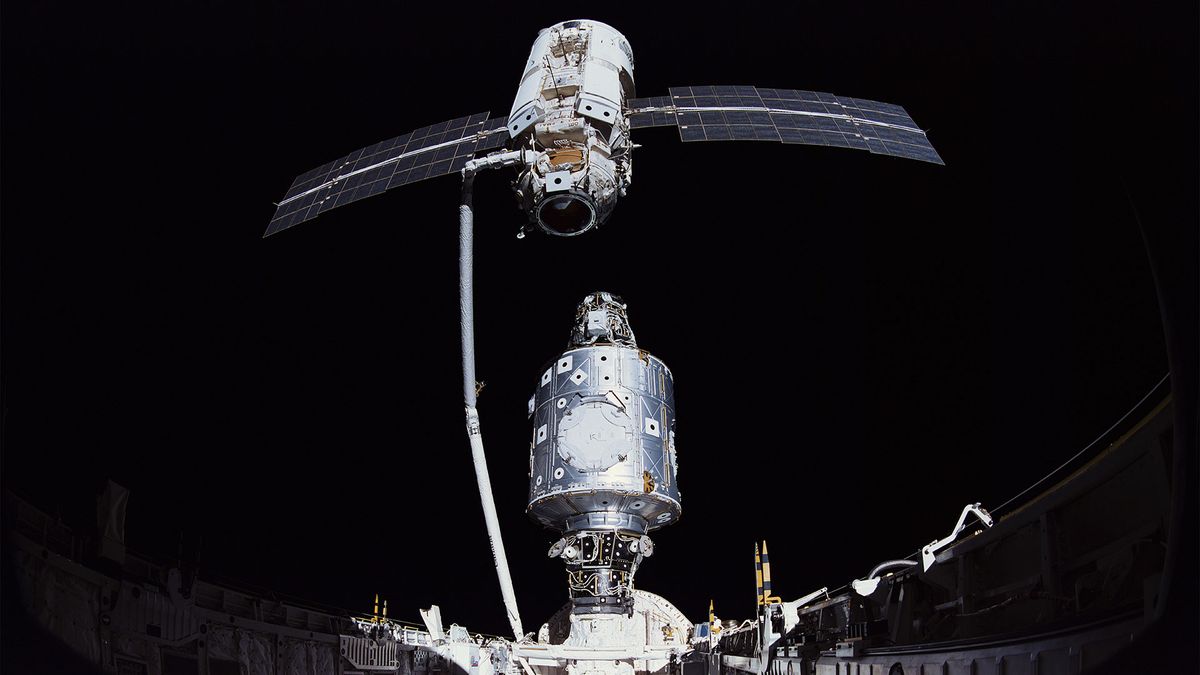
The deployment of the International Space Station was not a singular event, but rather a slow, meticulously choreographed ballet of orbital construction that unfolded over years. Just two weeks after Zarya’s launch, NASA’s space shuttle Endeavour lifted off on the STS-88 mission, carrying the American-built Unity connecting module. On December 6, 1998, mission specialists used the shuttle’s robotic arm to snare Zarya and permanently attach Unity to its forward docking port. This historic mechanical handshake bridged two entirely different technological philosophies and space programs, creating the initial blueprint for a truly international outpost.
Despite this critical first union, the early station remained uninhabitable for long stretches. It was a tight, unstaffed scaffolding until the July 2000 launch of the Russian Zvezda service module. Docking securely to Zarya’s aft port, Zvezda provided the necessary life support systems, living quarters, and primary command capabilities required for permanent human habitation. That same year, the floodgates of continuity opened when the Expedition 1 crew—consisting of American astronaut Bill Shepherd and Russian cosmonauts Sergei Krikalev and Yuri Gidzenko—boarded the station. Since November 2000, the ISS has maintained an unbroken chain of rotating international crews, establishing a continuous human footprint in low-Earth orbit that is now well into its third decade.
Anatomy and Evolution of a Multi-Nation Marvel
Zarya’s role in the station’s daily ecosystem has evolved significantly over the years. While it initially served as the absolute nerve center for power and propulsion, its primary functions today are logistical. The module is heavily utilized for storage, housing external fuel tanks, and providing reliable docking ports for Russian Progress automated cargo freighters and Soyuz crew transport spacecraft.
Yet, Zarya is merely the anchor of a much grander architecture. Over the past 28 years, the station has expanded exponentially into a sprawling, football-field-sized complex. Giant metallic backbone trusses, sprawling golden solar wings, and specialized research laboratories—contributed by space agencies representing the United States, Russia, Europe, Canada, and Japan—have been bolted together piece by piece in a vacuum.
A unique engineering challenge of the ISS program was that many of its massive components were so large they could never be fully assembled or tested on Earth. Engineers had to rely on precise computer simulations and rigorous ground tests, knowing that the ultimate proof of concept would occur in the unforgiving, zero-gravity environment of space. The successful integration of these disparate modules stands as one of the greatest achievements in industrial history, fostering a rare model of geopolitical collaboration even during periods of terrestrial political tension.
Strategic Implications and the Future of Low-Earth Orbit
The creation and sustained operation of the International Space Station have fundamentally transformed our understanding of human physiology, materials science, and Earth observation in microgravity. Hundreds of scientific investigations spanning biotechnology, physics, and meteorology have been conducted aboard the complex, yielding medical breakthroughs and technological innovations that benefit life on Earth.
However, the geopolitical landscape of space exploration is actively shifting. As the ISS approaches the twilight years of its operational lifecycle, international space agencies are beginning to plan for its eventual decommissioning and controlled de-orbit. Meanwhile, other nations are staking claims in low-Earth orbit; China’s rapidly expanding Tiangong space station now serves as a contemporary rival to the legacy of the ISS, signaling the dawn of a new, multipolar era in human space habitation.
Even as discussions turn toward commercial space stations, lunar gateways, and crewed missions to Mars, the historical weight of November 20, 1998, remains undiminished. The Zarya module proved that distinct nations could pool resources, bridge cultural and technical divides, and construct a habitable world suspended in the dark void of space. What began as a single 42,000-pound cylinder launched from the steppes of Kazakhstan ultimately became a global symbol of scientific ambition, proving that humanity’s reach toward the cosmos is built one carefully engineered piece at a time.
Related posts: