YouTube Premium Subscribers Can Secure NFL Sunday Ticket for a Significant Discounted Rate of $204 for the 2026-2027 Season

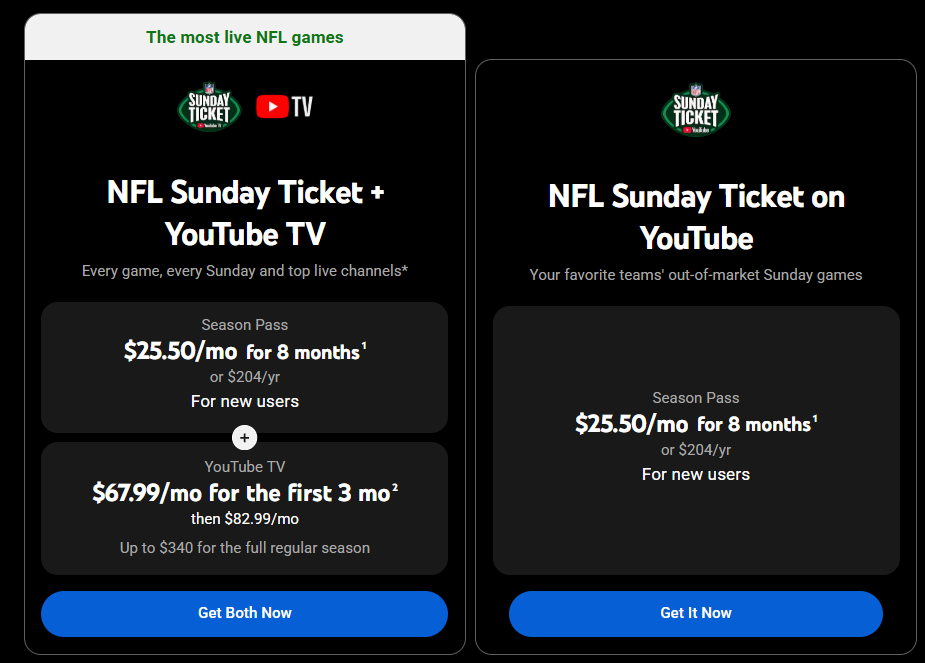
The 2026-2027 NFL season is well underway, and for football enthusiasts, the landscape of digital broadcasting has shifted significantly with the continued integration of NFL Sunday Ticket into the YouTube ecosystem. As the season gains momentum following its opening weekend, YouTube has introduced a tiered pricing structure that heavily incentivizes its most loyal users. By offering an exclusive rate of $204 per year to YouTube Premium subscribers, the platform is effectively discounting the premium sports package by nearly 60% compared to its standard standalone price of $480. This strategic move highlights the platform’s ongoing efforts to consolidate its subscription ecosystem while maximizing user acquisition for its high-value sports content.
A Chronology of the 2026 NFL Broadcast Landscape
The transition of NFL Sunday Ticket from traditional satellite television providers to streaming-first platforms has been one of the most significant media shifts in recent sports history. When Google secured the rights to the package, it signaled a definitive move toward digital-first distribution. As of September 2026, the cost structure for the current season reflects the maturing strategy of the platform.
Heading into the 2026 season, Google solidified its pricing tiers. For standard, non-bundled users, the standalone price was set at $480 for the full season. Recognizing the need to lower barriers to entry for new customers, the company initially offered a general discount that brought the price down to $240. However, the most recent update, released as the season officially commenced, introduced the $204 promotional rate specifically for YouTube Premium members. This offer is available for both YouTube TV subscribers and those accessing the content via YouTube Primetime Channels, provided they meet the eligibility criteria of being a first-time subscriber to the service.
Understanding the Pricing Tiers and Eligibility
The financial barrier to entry for NFL Sunday Ticket varies wildly depending on a user’s existing subscription history and service choices. The current pricing environment for the 2026-2027 season is structured as follows:
- New Subscribers (Standard): Those entering the ecosystem for the first time can access the package for $240.
- YouTube Premium Members (New Subscribers): This group receives the most favorable rate of $204, which can be broken down into eight non-cancellable payments of $25.50 per month.
- Returning Subscribers (Bundled): Users who have previously subscribed and access the service through a YouTube TV bundle face a price of $378, or approximately $47.25 per month.
- Returning Subscribers (Standalone): Those who do not utilize the YouTube TV bundle are required to pay the full market rate of $480, or $40 per month.
The critical "catch" in this tiered system is the distinction between new and returning users. YouTube has firmly maintained that the promotional pricing is a customer acquisition tool. Consequently, individuals who subscribed to the service in previous years are ineligible for the $204 or $240 rates, regardless of their current status as a YouTube Premium member. This creates a distinct divide in the cost-benefit analysis for long-term users versus those who are only now opting into the service.
Supporting Data and Strategic Implications
The decision to offer a deep discount to YouTube Premium subscribers is a calculated move to increase the "stickiness" of the Google ecosystem. Industry analysts note that by incentivizing the $204 price point, Google is attempting to solve two problems simultaneously: reducing the churn rate of Premium subscribers and justifying the high-cost acquisition of the NFL rights.
From a data perspective, the $204 price point represents a significant departure from the historical costs associated with satellite-based Sunday Ticket. In previous eras, the service often required long-term contracts and hardware installations. By shifting to a flexible, monthly payment model—even with the non-cancellable provision—YouTube is aligning itself with the broader "cord-cutting" trend. The ability to bundle these services with YouTube TV creates a "walled garden" that makes it increasingly difficult for users to switch to competitors, as the cumulative value of the bundle outweighs the cost of disparate subscriptions.
Furthermore, the deadline of September 30 for these promotions serves as a classic scarcity-driven marketing tactic. By placing a temporal limit on the offer, YouTube creates urgency for potential subscribers who may have been on the fence during the first week of the season.
Official Stance and Market Reaction
While Google has not released specific internal user growth figures for the 2026 season, the company’s documentation is explicit regarding the terms of service. The shift toward a multi-tiered pricing model has been met with a mix of enthusiasm from new users and frustration from long-term customers who feel penalized for their continued loyalty.
Public statements from the company emphasize the value proposition of the YouTube interface, which includes features like "Multiview," allowing users to watch multiple games simultaneously. This technological advantage, when combined with a sub-$210 annual price tag, positions YouTube as the dominant player in the niche market of out-of-market sports broadcasting. However, the lack of a "loyalty discount" remains a point of contention in online forums and social media discussions. Fans who have been with the service since its migration to digital have pointed out that paying more than double the price of a new subscriber creates an incentive for users to create new accounts or rotate between household members, a practice known in the industry as "subscriber hopping."
Broader Impact on the Sports Broadcasting Industry
The implications of this pricing structure extend far beyond the individual consumer. As major professional sports leagues continue to experiment with streaming-first distribution models, the success or failure of the NFL-YouTube partnership serves as a bellwether for the rest of the industry.
If the $204 price point successfully converts a high volume of Premium users into Sunday Ticket subscribers, it will likely set a precedent for how other leagues—such as the NBA, MLB, and NHL—negotiate their future media rights. The integration of a video streaming subscription (YouTube Premium) with a live sports broadcast package represents the evolution of the "super-bundle."
Moreover, this model challenges the traditional regional sports network (RSN) structure. As more fans opt for nationalized, league-wide streaming packages, the necessity for local broadcast contracts may diminish, forcing teams and leagues to rethink how they generate local advertising revenue. For the consumer, this leads to a more consolidated viewing experience, though it also creates a landscape where the price of "full access" to all games is controlled by a handful of massive tech conglomerates.
Analyzing the "Non-Cancellable" Clause
One aspect of the current promotion that warrants close inspection is the "non-cancellable" nature of the eight-month payment plan. By requiring a commitment to the full season’s cost, even if paid in installments, YouTube is insulating itself against the volatility of the NFL season. If a subscriber’s favorite team is eliminated from playoff contention or experiences a poor season, the user is still legally obligated to complete the payment cycle.

This contractual structure is a hallmark of modern streaming service monetization. By moving away from the "cancel anytime" model—which is standard for services like Netflix or standard YouTube Premium—the NFL Sunday Ticket promotion functions more like a traditional contract, albeit without the hardware requirements of the past. This provides the league and the broadcaster with predictable revenue streams, which are essential for recouping the multi-billion dollar investment made for the broadcasting rights.
Conclusion: The Future of Fan Engagement
As the 2026-2027 season progresses, the success of this promotional strategy will be measured by the total number of sign-ups recorded by the September 30 deadline. For the average fan, the choice is clear: those who are willing to enter the ecosystem as new users stand to gain a significant financial advantage. However, the broader trend suggests that sports broadcasting is becoming an increasingly complex financial puzzle, where the price of admission is determined not just by the content itself, but by the suite of services a user already consumes.
As technology continues to merge with live athletics, the barrier between "viewer" and "subscriber" will only continue to erode. For now, the $204 offer remains the gold standard for accessibility, providing a glimpse into how digital giants intend to dominate the future of professional sports viewing. Whether this leads to a more sustainable model for the industry or a new era of subscription fatigue remains a central question for media analysts and sports fans alike as the games continue through the winter months.