End of an Era: Google Permanently Pulls the Plug on the Pixel Tablet as Inventory Vanishes Globally


The final chapter for Google’s ambitious hardware hybrid has officially closed. The Google Pixel Tablet, a device introduced with high aspirations to bridge the gap between a traditional mobile tablet and a stationary smart home display, has been completely eradicated from the official Google Store. This definitive move follows months of dwindling availability and earlier behind-the-scenes cancellations of subsequent generations, signaling a definitive retreat—at least temporarily—by the tech giant from the mainstream Android tablet market.
For consumers who missed the window to purchase remaining stock directly through official channels, finding a brand-new unit has become exceedingly difficult. Major third-party electronics retailers, including Amazon and Best Buy, have scrubbed the device from their active listings, leaving only sporadic remnants with independent liquidators or the secondhand marketplace. While the hardware itself is bowing out of production, the accompanying software ecosystem and update pipeline remain active for current owners, ensuring a managed decline rather than an immediate obsolescence.
The Rise and Fall of a Hybrid Concept
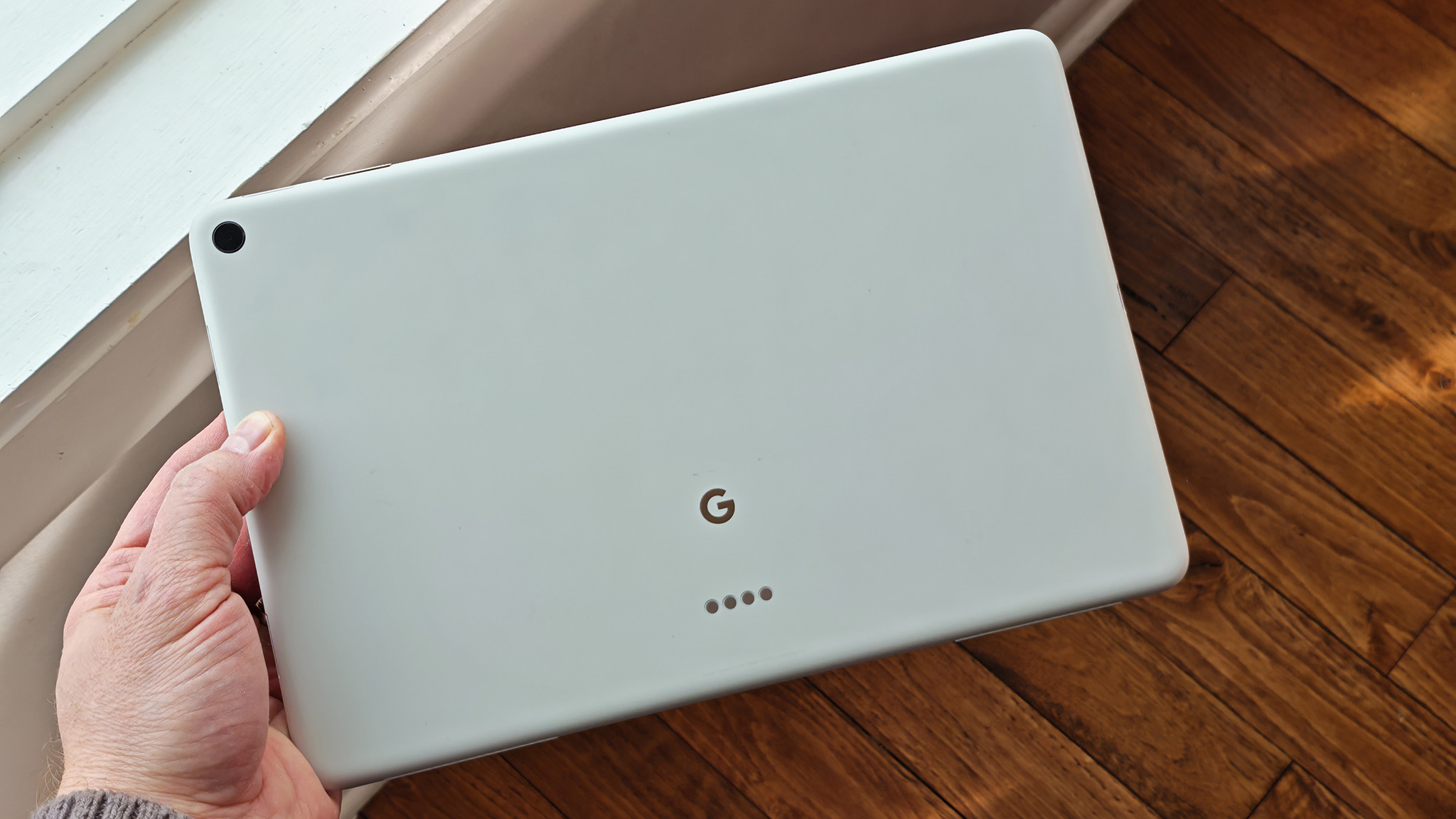
When Google first unveiled the Pixel Tablet at its annual I/O developer conference in May 2023, it was met with genuine intrigue from the tech community. Priced at $499, the device arrived packaged with a unique magnetic charging speaker dock. This accessory transformed the standard Android slate into a full-featured smart display akin to a Nest Hub, capable of cycling through Google Photos albums, managing smart home appliances via Google Home, and accepting voice commands through Google Assistant.
On paper, the proposition addressed a common consumer dilemma: tablets are frequently left idle, tucked away in drawers or charging cables, losing utility for large portions of the day. By anchoring the hardware to a dedicated speaker base, Google attempted to solve the idle-device problem, offering constant utility in the kitchen, living room, or bedside table.
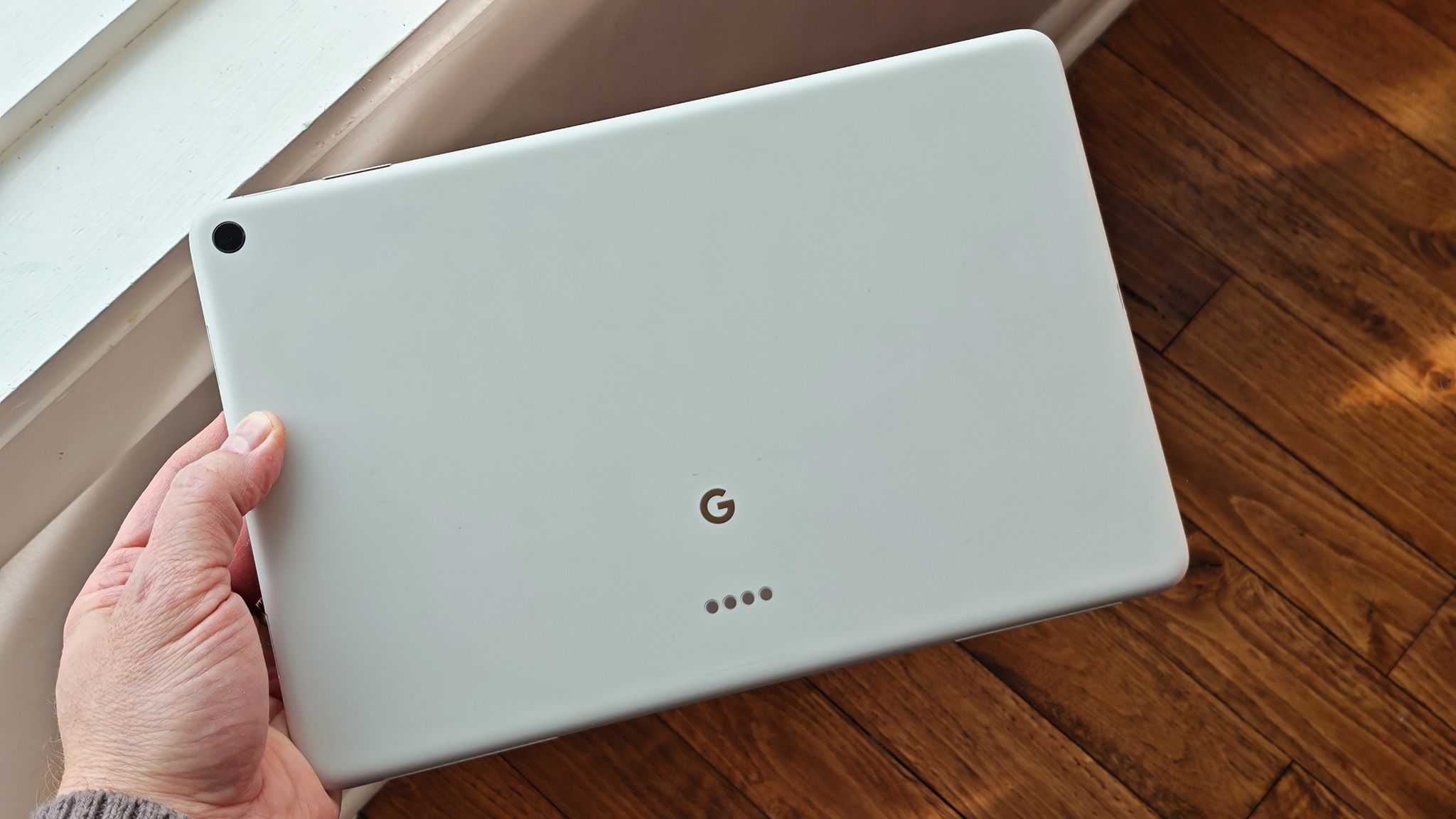
However, consumer reactions immediately following the 2023 launch proved mixed. Critics and early adopters praised the innovative dock-and-display duality, the smooth performance powered by Google’s Tensor G2 processor, and the clean software interface. Conversely, detractors pointed to a series of compromises. The LCD screen, while adequate, lacked the deep blacks and high refresh rates found on more expensive competitors from Apple and Samsung. Furthermore, Android’s tablet application ecosystem—historically trailing behind iPadOS in terms of optimized software—hindered the device’s potential as a true productivity powerhouse. Multitasking limitations, combined with a price point that hovered awkwardly between budget media consumption tools and premium work laptops, ultimately suppressed mainstream adoption.
A Timeline of Retrenchment
The commercial struggles of the Pixel Tablet did not happen overnight; rather, they unfolded through a calculated series of cutbacks by Google’s hardware division.
- May 2023: Google officially launches the Pixel Tablet at a starting price of $499, bundled with the Speaker Dock, positioning it as a centerpiece of the company’s hardware ecosystem.
- Late 2023 to Early 2024: Initial sales figures fail to meet internal projections. Supply chain whispers and industry leaks begin to indicate that consumer demand is significantly lower than anticipated, particularly given the stiff competition from established players in the tablet space.
- Mid-2024: Reports emerge that Google has cancelled development plans for a second-generation Pixel Tablet, which had tentatively been slated for a 2025 release, as well as a subsequent third-generation model targeted for 2027. Despite halting future hardware pipelines, the company continues to manufacture and distribute the original model through existing inventory channels.
- Late 2024: The Google Store reduces active promotions for the device, transitioning its status from readily available to sporadic "out of stock" notices across various color configurations and storage tiers.
- Recent Weeks: Independent observers notice that the product listings on the official Google Store have been entirely removed rather than restocked. Concurrently, major electronics retailers like Amazon and Best Buy purge their inventories, cementing the product’s exit from the retail landscape.
Software Support and the Commitment to Existing Users
Amid the news of the hardware’s permanent discontinuation, current owners of the Pixel Tablet face a natural question regarding the longevity of their devices. Fortunately, Google has maintained its standard software lifecycle commitments.
When the tablet launched, Google promised a robust window of software updates, later extending security and feature drop timelines to stretch through mid-2028. This means that despite the product being stripped from shelves, users will continue to receive critical security patches, operating system upgrades, and feature enhancements for several more years. The integration with the broader Google ecosystem—including seamless casting, shared media libraries, and smart home controls—remains fully functional.
Industry analysts note that maintaining software support is a crucial PR and consumer trust strategy for Google, especially as the company attempts to build a cohesive hardware family under the Pixel brand, spanning smartphones, wearables, earbuds, and previously, tablets. Abandoning software support prematurely would have alienated early adopters and complicated future hardware sales pitches.
Market Implications and the Future of Android Tablets
The permanent departure of the Pixel Tablet leaves a noticeable void in Google’s hardware portfolio and raises broader questions regarding the viability of Android tablets in a market heavily dominated by Apple’s iPad lineup.
For years, Android’s presence in the tablet sector has been characterized by fragmentation. While companies like Samsung continue to produce high-end, premium productivity tablets equipped with OLED displays and advanced stylus support—and various budget manufacturers flood the low-end market with inexpensive media consumption devices—Google’s unique attempt to carve out a smart-home hybrid niche ultimately failed to capture sufficient market share.
The failure of the product line underscores the difficulty of introducing novel form factors in a mature consumer electronics market. While the idea of a dual-purpose smart display tablet resonated with tech enthusiasts looking for convergence, the average consumer appears to prefer dedicated devices: a standalone smartphone, a traditional television or dedicated smart display like the Nest Hub for the kitchen, and a standard tablet for on-the-go media consumption.
Furthermore, the cancellation of the 2025 and 2027 iterations indicates a broader strategic pivot within Google’s hardware division under executive leadership focused on profitability, efficiency, and core product lines. With artificial intelligence integration (such as Gemini) becoming the primary focal point of Google’s hardware marketing—primarily highlighted through the Pixel 9 series of smartphones and Pixel Watch wearables—resources appear to have been reallocated away from peripheral experiments like the Pixel Tablet.
As the final units clear out of secondary warehouses and reseller networks, the Pixel Tablet transitions from a commercial product to a case study in hardware experimentation. Whether Google will eventually re-enter the tablet market with a radically different approach remains to be seen, but for now, the experiment has concluded. The Pixel Tablet is officially gone, leaving behind a legacy of a clever idea that arrived before the market was ready to embrace it.