Your Smartphone Is a Powerful Lifesaving Tool and Here Is How to Configure It for Emergencies

In an era where the smartphone has evolved from a simple communication device into a sophisticated pocket-sized command center, its utility in high-stakes, life-threatening situations is frequently overlooked by the average consumer. As mobile operating systems like Android 17 and iOS 27 continue to integrate advanced sensory hardware and satellite connectivity, the ability to summon help during a crisis has become increasingly automated and resilient. While most users are well-versed in day-to-day applications, failing to configure emergency protocols represents a missed opportunity to leverage built-in technology that can bridge the gap between a catastrophic event and a timely rescue.
The Evolution of Emergency Mobile Technology
The history of mobile emergency services began with basic E911 location tracking mandated by government regulators in the late 1990s. Over the subsequent three decades, the technology has transitioned from passive location reporting to active, intelligent crisis management. Today, modern devices function as integrated nodes within a global emergency infrastructure.
The current landscape of safety features is rooted in a significant shift that occurred around 2022, when manufacturers began prioritizing "passive safety." This transition moved the burden of action away from the user—who may be unconscious or physically incapacitated—and onto the device’s sensors. Whether it is detecting the distinct kinetic signature of a high-speed vehicle impact or recognizing an irregular heart rhythm via wearable integration, modern handsets are engineered to act as a fail-safe.
Android Safety Architecture: A Deep Dive
For users of the latest Pixel hardware and devices running Android 17, the centralization of safety features within the "Safety and Emergency" settings menu is designed for rapid deployment. The primary pillar of this system is the Emergency Information portal. By inputting critical medical data—including blood type, chronic conditions, medication lists, and severe allergies—users ensure that first responders can access vital diagnostic information without needing to bypass biometric security locks.
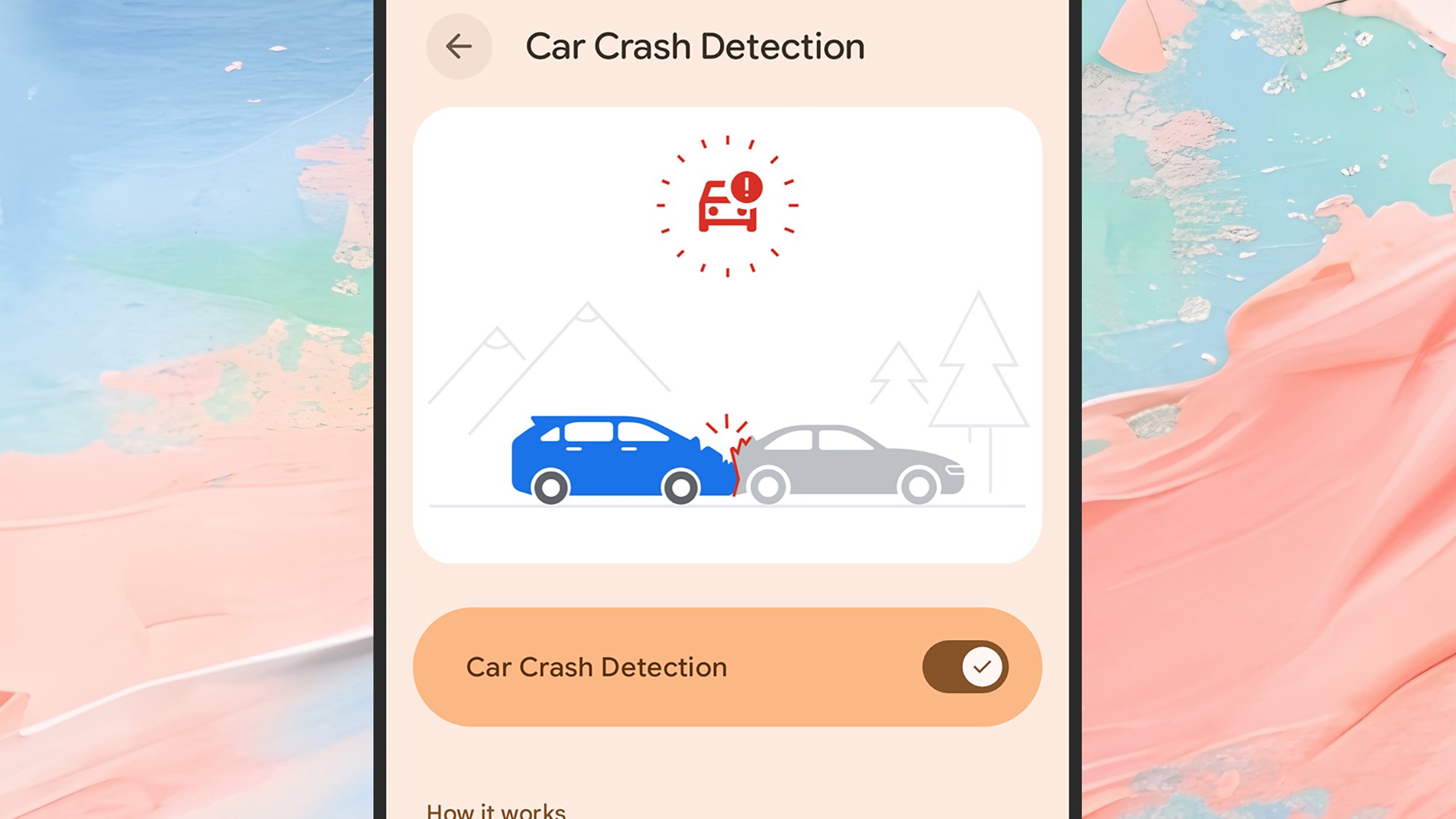
Furthermore, the integration of Crash Detection represents a major leap in automotive safety. Utilizing a complex array of accelerometers, gyroscopes, and ambient noise sensors, the device employs machine learning models trained on thousands of hours of collision test data. When the device identifies a crash, it initiates a sequence: a high-decibel auditory alert and a visual prompt appear on the screen. If the user fails to acknowledge these prompts within a predetermined window—typically 30 to 60 seconds—the device autonomously contacts emergency services and transmits the user’s precise GPS coordinates.
Beyond terrestrial concerns, the evolution of satellite connectivity has fundamentally altered the paradigm for outdoor safety. For owners of Pixel 9 and later hardware, the "Satellite SOS" feature provides a lifeline in regions where cellular and Wi-Fi infrastructure are non-existent. This technology utilizes specialized antennas to communicate with low-earth-orbit (LEO) satellites. While data transmission via satellite is inherently slower than terrestrial networks, it is sufficient to transmit precise location data and standard emergency text responses, enabling search and rescue operations to locate individuals in remote backcountry environments.
The iOS Safety Ecosystem
Apple’s approach to crisis management, refined extensively through the iterations leading up to iOS 27, emphasizes ease of access and "silent" communication. The core of this system is the Medical ID, which, like its Android counterpart, allows for the display of critical health data on the lock screen. However, Apple’s ecosystem further enhances this with the Health app’s centralized data aggregation, which can be configured to share data automatically with emergency responders during an active 911 call.
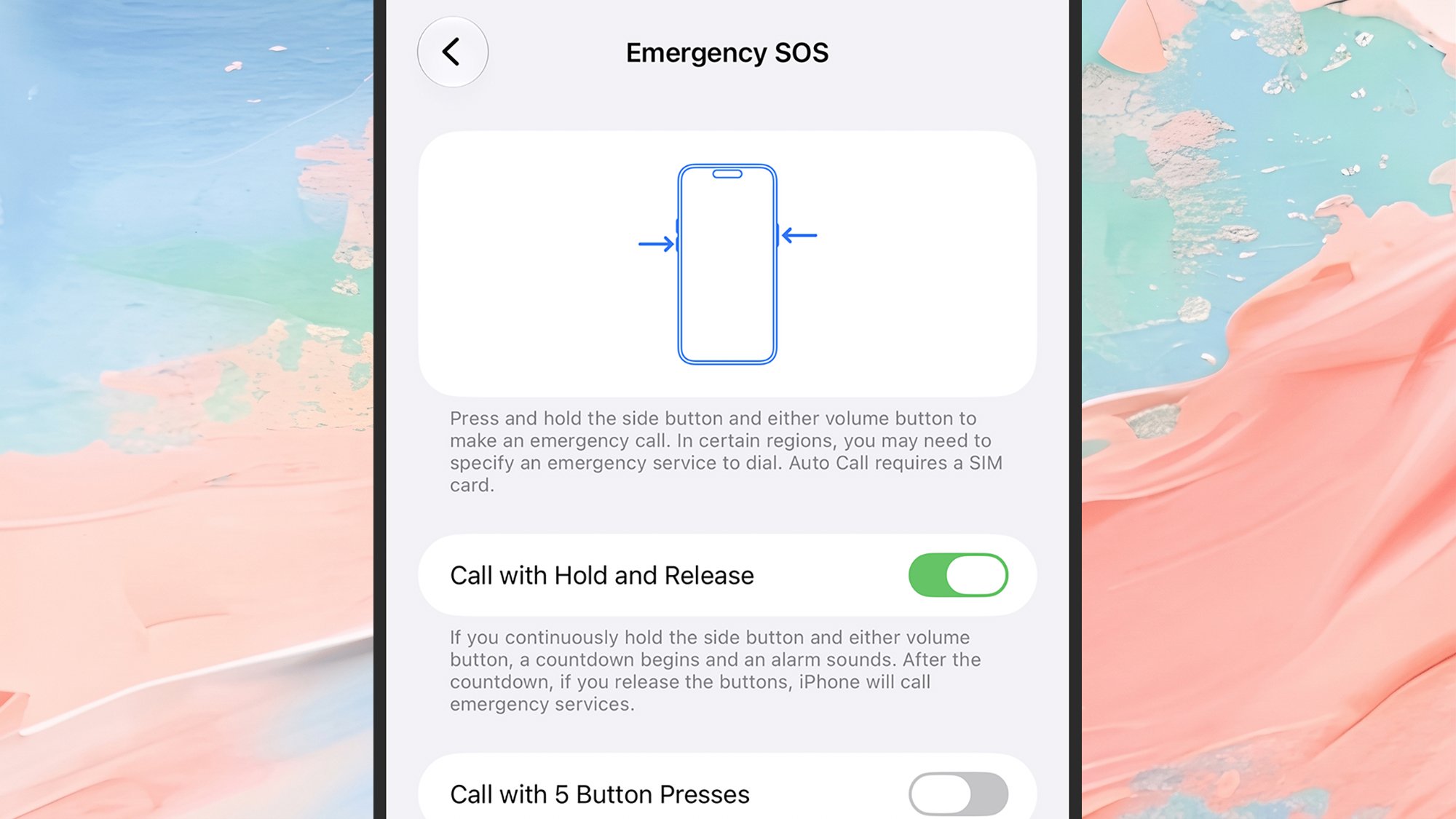
The iPhone’s Emergency SOS mechanism is a masterclass in accessibility under duress. By holding the side button and either volume button, the device triggers a silent countdown that, if not canceled, contacts emergency services. This feature is particularly valuable in scenarios where a user may need to call for help without alerting a perpetrator or in situations where speech is impossible.
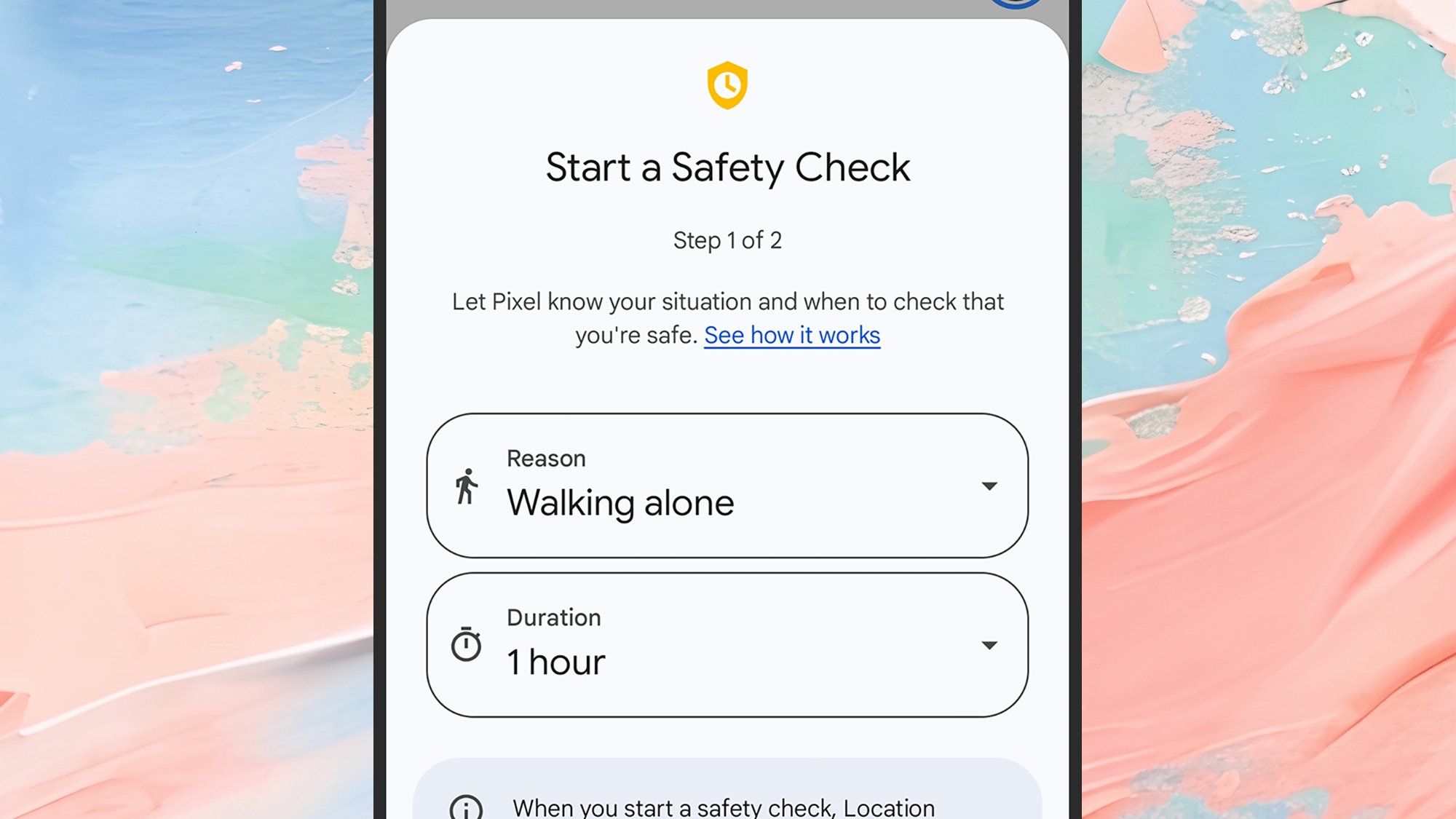
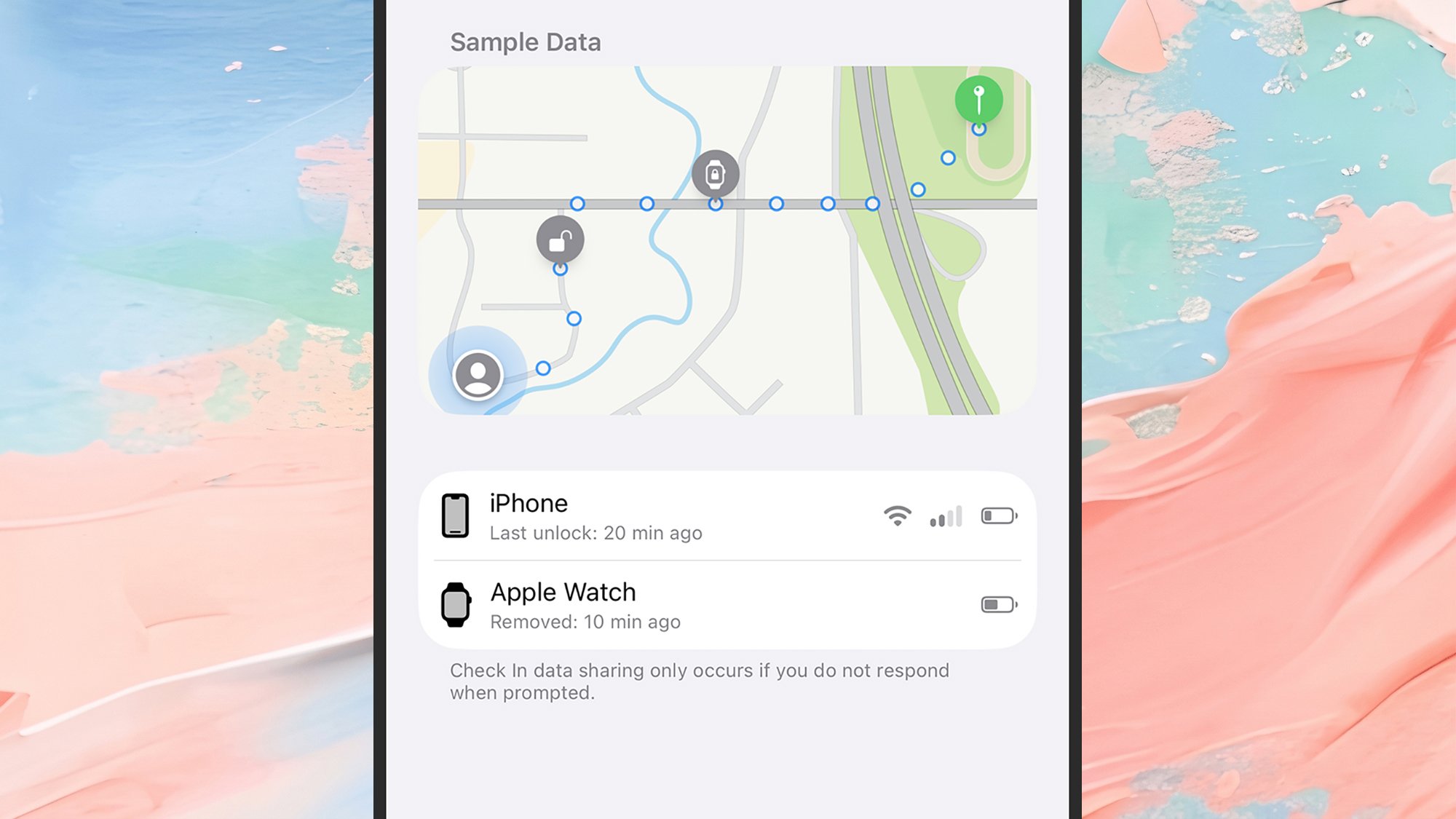
The "Check In" feature, introduced in earlier versions and matured in iOS 27, provides a layer of social safety that has become a standard practice for many demographics. By establishing a digital "handshake" between two users, the iPhone monitors the user’s progress along a designated route. If the user fails to arrive at their destination or fails to respond to a periodic check-in prompt, the device automatically notifies the designated contact with the user’s last known location, battery status, and signal strength.
Chronology and Implementation Timeline
The current sophistication of these features is the result of a long-term development trajectory:
- 2017–2019: The rollout of standardized mobile emergency location (AML) services across major markets.
- 2020–2022: The introduction of advanced sensors capable of detecting physical impacts and falls.
- 2023–2025: The widespread adoption of direct-to-satellite messaging, decoupling emergency services from terrestrial cellular tower reliance.
- 2026: The refinement of AI-driven threat detection, where phones now differentiate between minor jostles and genuine high-velocity collisions with high statistical confidence.
Data-Driven Implications for Public Safety
The adoption of these technologies has quantifiable benefits for public safety departments. According to emergency response data, automated crash notifications reduce the "time-to-dispatch"—the interval between the occurrence of an incident and the notification of emergency services—by an average of four to six minutes. In trauma care, this interval is often cited as the difference between life and death.
Furthermore, the use of automated data transmission ensures that dispatchers receive accurate latitude and longitude coordinates immediately, rather than relying on verbal descriptions from a potentially panicked or injured victim. This precision is particularly critical in rural or mountainous areas where landmarks are scarce and traditional triangulation via cell towers can be imprecise by several kilometers.
Official Responses and Industry Standards
Regulatory bodies, including the FCC in the United States and the European Telecommunications Standards Institute (ETSI), have increasingly pressured handset manufacturers to standardize these features. The consensus among industry stakeholders is that safety features should no longer be considered "value-added" software, but rather essential infrastructure. Google and Apple, while competitors, have largely aligned on the fundamental protocols for emergency data transmission, ensuring that first responders receive a consistent format of information regardless of the device type or OS.
Broader Societal Impact and Future Outlook
The implications of this technology extend beyond individual incidents. As these features become standard, we are seeing a shift in public expectation. The "connected citizen" is now empowered to act as their own first responder. However, this shift requires a high level of digital literacy. The primary failure point remains the human element: the user must take the time to configure the settings, provide accurate medical data, and designate emergency contacts.
As we look toward the future, the integration of biometric sensors will likely expand. Future iterations of smartphones may monitor for signs of cardiac distress or respiratory failure, triggering alerts before a catastrophic event occurs. Moreover, the convergence of localized AI processing—where the phone makes decisions locally without relying on cloud servers—means that these safety features will continue to function even in the most degraded network environments.
In summary, the transition from a passive communication device to an active safety guardian is one of the most significant technological advancements of the decade. While the hope remains that these features will never be required, the prudent course of action for every smartphone user is to treat their device not just as a tool for connection, but as a critical piece of personal survival equipment. Configuring these settings today could be the most important digital task one performs this year.
Related posts: