The modern automotive consumer is often presented with a dazzling array of aesthetic choices, ranging from pearlescent finishes to deep, liquid-like metallic coats. However, upon close inspection of a brand-new vehicle under direct sunlight, many owners notice a subtle, wavy texture in the clear coat that resembles the skin of an orange. This phenomenon, colloquially known as "orange peel," is not a defect of modern manufacturing, but rather a characteristic byproduct of the high-speed, mass-production painting processes used by global automotive manufacturers today. While it may appear to be a lack of quality control to the untrained eye, it is a calculated trade-off between aesthetic perfection, production efficiency, and environmental compliance.
The Science of Automotive Coating
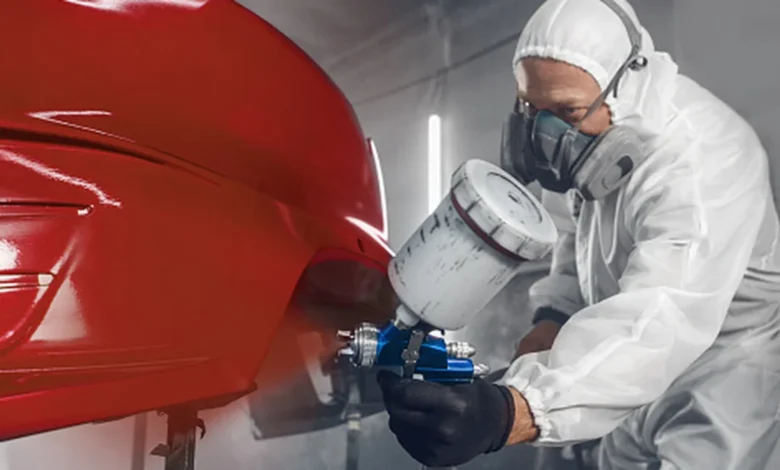
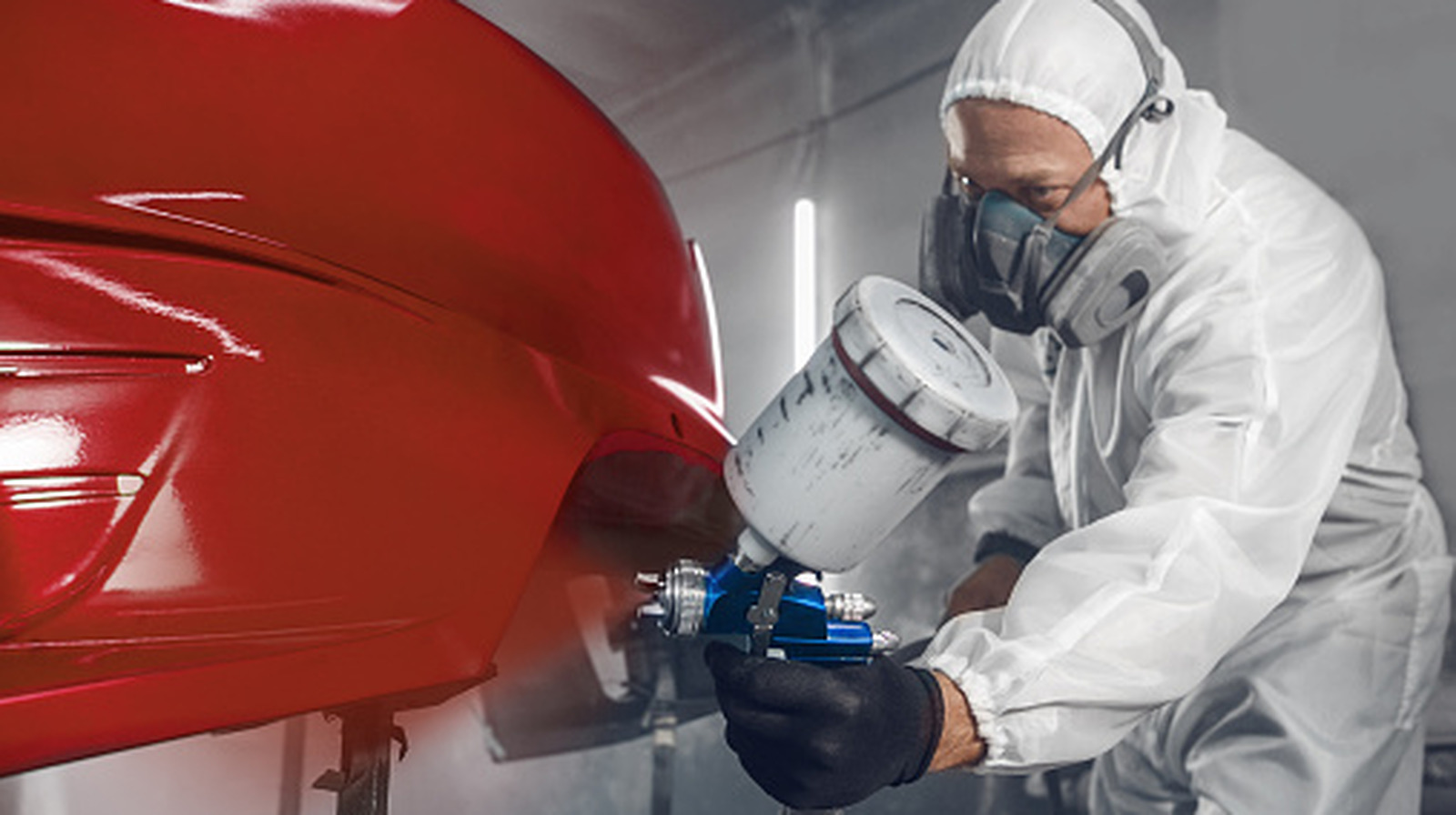
To understand why orange peel occurs, one must look at the industrial painting process. Modern car bodies are typically painted using robotic sprayers that apply several layers: an electrocoat for rust prevention, a primer, a base coat (color), and finally, a clear coat. The clear coat is the layer responsible for the depth, gloss, and protection of the vehicle.
Orange peel occurs when the paint droplets do not flow out into a perfectly uniform, glass-like film before the curing process begins. In an ideal world, the paint would level out perfectly, but several variables intervene. The viscosity of the clear coat, the air pressure used by the robotic spray heads, the distance of the nozzle from the body panel, and the ambient temperature and humidity within the paint booth all dictate how the paint settles. If the paint dries or "flashes" too quickly before it has a chance to level, the tiny craters created by the spray droplets are frozen in place, creating the characteristic texture.
A Chronological Shift in Paint Technology
The prevalence of orange peel is not a regression in quality, but rather an evolution in chemistry. Before the 1990s, many automotive paints were solvent-borne, utilizing high concentrations of volatile organic compounds (VOCs). These solvents allowed the paint to remain liquid for a longer period, resulting in a naturally flatter, smoother finish.
However, as environmental regulations—such as the Clean Air Act in the United States and the European Union’s Industrial Emissions Directive—became more stringent, automakers were forced to pivot. Manufacturers transitioned to water-borne paints and high-solids clear coats. These newer formulations are significantly better for the environment, as they release fewer toxic chemicals into the atmosphere during the drying process. The trade-off is that these eco-friendly formulas are inherently more viscous and cure differently than the older, solvent-heavy paints, making them more prone to the uneven surface texture known as orange peel.
Industrial Trade-offs and Mass Production
The automotive industry operates on a razor-thin timeline. A typical vehicle assembly plant aims to complete a painted body in a matter of hours. Achieving a "show car" finish, which requires multiple stages of wet sanding and machine polishing to remove every micron of texture, would add days to the production cycle and thousands of dollars to the retail price of the vehicle.
From a manufacturing standpoint, leaving a minor, consistent amount of orange peel is an acceptable standard for mass-market vehicles. Quality assurance protocols at major manufacturers such as Toyota, Ford, and Volkswagen rely on a balance of "orange peel index" measurements. These computerized sensors measure the "distinctness of image" (DOI) of the paint. As long as the DOI falls within a pre-determined acceptable range, the vehicle is deemed to meet factory specifications. Automakers have determined that the vast majority of consumers do not perceive this texture as a flaw, and those who do are generally considered a niche segment of the enthusiast market.
Professional Perspectives on Paint Correction
Automotive detailing professionals often view orange peel through a different lens. For high-end luxury vehicles or collector cars, the standard of finish is higher, and the expectation is that the factory paint will be as smooth as glass. This has led to the rise of the "paint correction" industry.
"It is important to distinguish between a paint defect and a manufacturing characteristic," notes a lead technician at a premier automotive restoration facility. "Orange peel is not a failure of the paint adhesion or the chemical stability of the clear coat. It is simply a topography issue. However, removing it involves physical labor—sanding down the peaks of the clear coat until they are level with the valleys. Because the clear coat is a finite resource, this process reduces the total thickness of the protective layer on the car."
Experts caution that while removing orange peel can result in a mirror-like finish, it is a high-risk procedure. Reducing the clear coat thickness can leave the base coat vulnerable to UV damage, oxidation, and premature fading if not managed with precise paint-depth gauges.
The Consumer Impact and Maintenance
For the average buyer, orange peel is essentially a non-issue. It does not compromise the rust-preventative qualities of the primer or the durability of the clear coat. In fact, some industry analysts argue that the slight texture of factory paint is more resilient to minor scratches and swirl marks than a perfectly flat, hand-polished surface, which can sometimes highlight imperfections more easily.
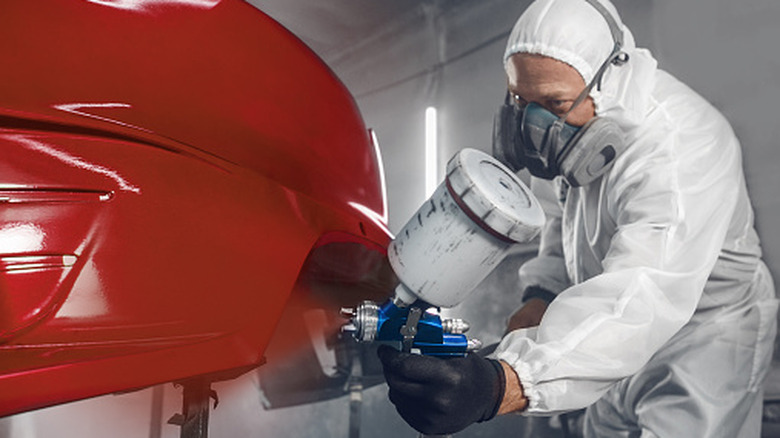
However, if an owner is dissatisfied with the appearance, there are pathways to address it. Beyond professional sanding and polishing, there are "leveling" products on the market that use diminishing abrasives to slightly smooth the clear coat without the risks associated with aggressive wet sanding. Nonetheless, most automotive experts advise against DIY attempts unless the owner has significant experience with paint depth gauges and rotary equipment.
Future Outlook
As paint technology continues to advance, the gap between factory finish and bespoke, hand-polished paint is narrowing. Manufacturers are experimenting with new application techniques, such as electrostatic bell atomizers and more sophisticated robotic path-planning software, which can apply paint with unprecedented consistency.
Furthermore, the rise of specialized protective films, such as Paint Protection Film (PPF) and ceramic coatings, has changed how consumers manage their vehicle’s exterior. Many modern ceramic coatings are designed to fill in the microscopic valleys of the orange peel texture, significantly increasing the gloss and making the texture less visible to the naked eye.
In summary, the presence of orange peel on a new vehicle is a hallmark of modern industrial manufacturing—a testament to the industry’s commitment to environmental sustainability and production efficiency. While it may lack the depth of a hand-finished custom paint job, it represents a durable, cost-effective, and environmentally conscious solution that allows high-quality vehicles to be produced at scale for millions of drivers worldwide. Understanding the origins of this texture can help consumers better appreciate the complex engineering that goes into every square inch of their vehicle’s exterior.